Global Pentecost Charismat Christianity - Böcker
Visar alla böcker i serien Global Pentecost Charismat Christianity. Handla med fri frakt och snabb leverans.
3 produkter
3 produkter
1 688 kr
Skickas inom 5-8 vardagar
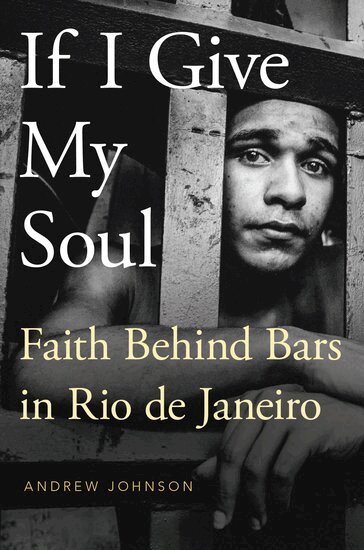
Pentecostal Christianity is flourishing inside the prisons of Rio de Janeiro. To find out why, Andrew Johnson dug deep into the prisons themselves. He began by spending two weeks living in a Brazilian prison as if he were an inmate: sleeping in the same cells as the inmates, eating the same food, and participating in the men's daily routines as if he were incarcerated. And he returned many times afterward to observe prison churches' worship services, which were led by inmates who had been voted into positions of leadership by their fellow prisoners. He accompanied Pentecostal volunteers when they visited cells that were controlled by Rio's most dominant criminal gang to lead worship services, provide health care, and deliver other social services to the inmates. Why does this faith resonate so profoundly with the incarcerated? Pentecostalism, argues Johnson, is the "faith of the killable people" and offers ex-criminals and gang members the opportunity to positively reinvent their public personas. If I Give My Soul is a deeply personal look at the relationship between the margins of Brazilian society and the Pentecostal faith, both behind bars and in the favelas, Rio de Janeiro's peripheral neighborhoods. Based on his intimate relationships with the figures in this book, Johnson makes a passionate case that Pentecostal practice behind bars is an act of political radicalism as much as a spiritual experience.
398 kr
Skickas inom 5-8 vardagar
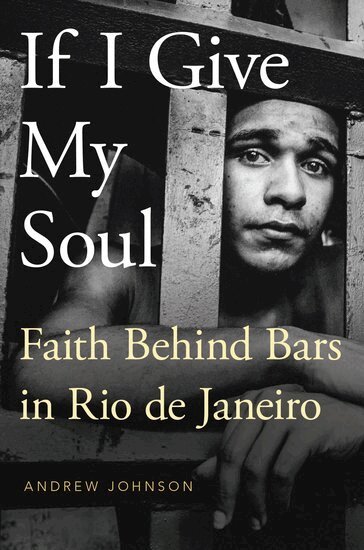
Pentecostal Christianity is flourishing inside the prisons of Rio de Janeiro. To find out why, Andrew Johnson dug deep into the prisons themselves. He began by spending two weeks living in a Brazilian prison as if he were an inmate: sleeping in the same cells as the inmates, eating the same food, and participating in the men's daily routines as if he were incarcerated. And he returned many times afterward to observe prison churches' worship services, which were led by inmates who had been voted into positions of leadership by their fellow prisoners. He accompanied Pentecostal volunteers when they visited cells that were controlled by Rio's most dominant criminal gang to lead worship services, provide health care, and deliver other social services to the inmates. Why does this faith resonate so profoundly with the incarcerated? Pentecostalism, argues Johnson, is the "faith of the killable people" and offers ex-criminals and gang members the opportunity to positively reinvent their public personas. If I Give My Soul provides a deeply personal look at the relationship between the margins of Brazilian society and the Pentecostal faith, both behind bars and in the favelas, Rio de Janeiro's peripheral neighborhoods. Based on his intimate relationships with the figures in this book, Johnson makes a passionate case that Pentecostal practice behind bars is an act of political radicalism as much as a spiritual experience.
The Rise of Network Christianity
How Independent Leaders Are Changing the Religious Landscape
Inbunden, Engelska, 2017
476 kr
Skickas inom 5-8 vardagar
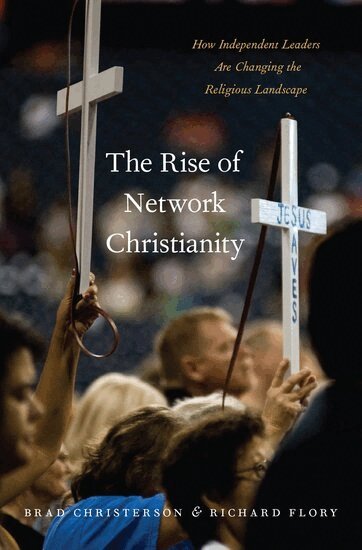
Why, when traditionally organized religious groups are seeing declining membership and participation, are networks of independent churches growing so explosively? Drawing on in-depth interviews with leaders and participants, The Rise of Network Christianity explains the social forces behind the fastest growing form of Christianity in the U.S., which Brad Christerson and Richard Flory have labeled "Independent Network Christianity" (INC). This form of Christianity emphasizes aggressive engagement with the supernatural, including healing, direct prophecies from God, engaging in "spiritual warfare" against demonic spirits, and social transformation. Christerson and Flory argue that large-scale social changes since the 1970s, including globalization and the digital revolution have given competitive advantages to religious groups organized by networks rather than traditionally organized congregations and denominations. Network forms of church governance allow for experimentation with controversial supernatural practices, innovative finances and marketing, and a highly participatory, unorthodox, and experiential faith, which is attractive in today's unstable religious marketplace. Christerson and Flory argue that as more religious groups imitate this type of governance, religious belief and practice will become more experimental, more oriented around practice than belief, more shaped by the individual religious "consumer" and that authority will become more highly concentrated in the hands of individuals rather than institutions.