Going Underground - Böcker
Visar alla böcker i serien Going Underground. Handla med fri frakt och snabb leverans.
7 produkter
7 produkter
178 kr
Tillfälligt slut
Beneath the surface of the Potteries lies a little-known world that encompasses the history of the six towns that historically make up this area – Stoke, Burslem, Hanley, Fenton, Tunstall and Longton and the conurbation in North Staffordshire that has grown from these towns. The towns are closely linked geographically and also through their association with the ceramic industry, when the area became the biggest producer of pottery in the country during the eighteenth and nineteenth centuries. Caves and underground tunnels can be found throughout the area and man-made excavations lie beneath the towns that were forged in the Industrial Revolution.In this book local historian Anthony Poulton-Smith takes readers on a tour of the Potteries towns and immediate surrounding area underground, exploring natural and man-made caves, canal and railway tunnels, hidden routes and cellars with a story to tell, passageways from houses, churches, hotels and pubs, and secret military installations. The stories include the bizarre and tragic, and this fascinating portrait of the Potteries underground will interest all those who know the area.
178 kr
Skickas inom 11-20 vardagar
Beneath the surface of the country’s second largest city lies a little-known world that encompasses the history of Birmingham. In the eighteenth and nineteenth centuries, Birmingham profited from its position in the heart of the Midlands as the centre of science, technology, industrial development and culture for the area, growing rapidly to become the most important manufacturing city in the country. Although much of the city has changed over the last two centuries, not least through the aerial bombing raids during the Second World War and post-war redevelopment, the industrial heritage of Birmingham remains an important part of the city.Going Underground: Birmingham takes the reader on a tour of subterranean Birmingham. The stories include the bizarre and sometimes nefarious world beneath the surface of the city. We visit the tunnels built for an underground railway only ever used as air-raid shelters, catacombs, closed railway tunnels, a former feeder canal used to bring goods from warehouses, a culvert containing Birmingham’s only river, the old passage to New Street station (said to have been cut through the site of a former Jewish cemetery and once used to store bodies awaiting transportation), a tunnel between a former police station and the law courts walked by many from the city’s criminal past, hidden passages created during Birmingham’s growth period in the Georgian and Victorian ages, and much more. This fascinating portrait of underground Birmingham will interest all those who know the city.
178 kr
Skickas
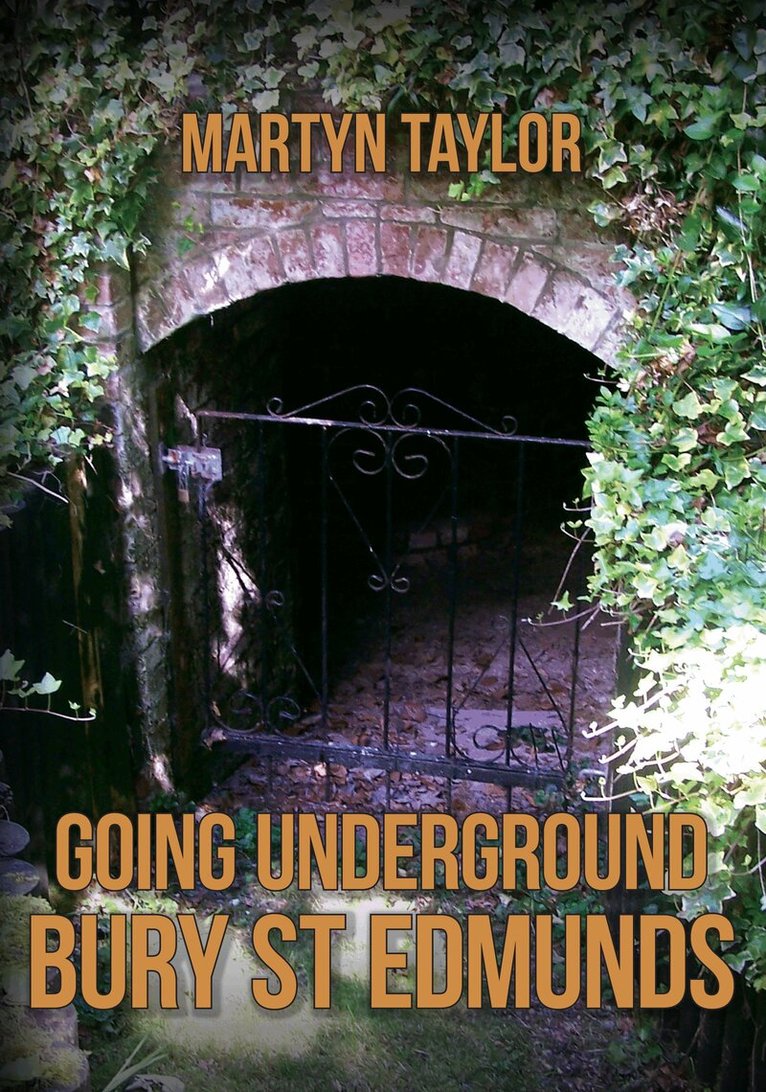
At the heart of the historic Suffolk market town of Bury St Edmunds is the ruined eleventh-century abbey. The magnificent abbey church, once one of the richest and most powerful Benedictine monasteries in England and among the largest in Europe, was built over several generations. The chosen material was flint encased with limestone, the bonding agent being lime mortar. Chalk, the necessary requirement for this, had to be mined deeply and therefore Bury has chalk mines to the east, west and in a central part of town. Centuries later, catastrophic consequences occurred when thirty houses that had been built above the chalk mines were affected by property blight and had to be demolished.With the closure of the abbey following the Dissolution of the Monasteries in 1539, there were stories of medieval ghostly figures traversing the town via secret tunnels, unable to rest. Some of their Anglo-Saxon ancestors were discovered in a cemetery when building works were underway on the edge of town.In Going Underground: Bury St Edmunds, local author Martyn Taylor offers a fascinating insight into this Suffolk town’s heritage lying hidden beneath its surface. Different chapters focus on tunnels, burial sites, chalk mines, cellars, municipal works, military defences, parch marks and much more. Illustrated throughout, this book will reveal subterranean surprises from ancient cellars to Victorian sewers. Take an intriguing look underground and discover how much history lies beneath your feet in Bury St Edmunds.
178 kr
Skickas
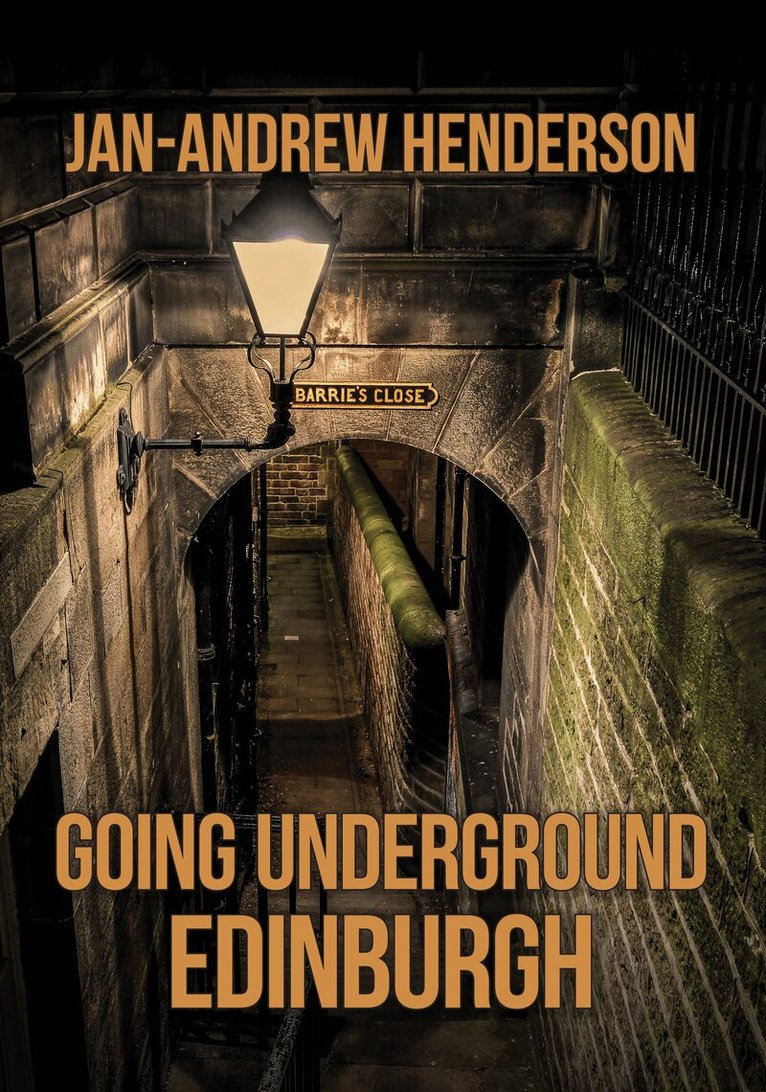
Edinburgh has a fascinating ‘Underground City’, much of which is open to the public. It is made up of many different aspects, with a turbulent and intriguing past stretching back hundreds of years. Features include hidden passages and cellars, ancient buried streets like Marlyn’s Wynd and Mary King’s Close (sealed after an outbreak of plague), castle dungeons and escape tunnels, a warren of vaults and chambers under Edinburgh’s mighty bridges, abandoned or repurposed rail tunnels, and anomalies like the strange subterranean dwelling of Gilmerton Cove.Award-winning author and historian Jan-Andrew Henderson explores the legendary world beneath the streets and locations of Edinburgh in this pictorial guide.
178 kr
Skickas
Beneath the surface of the Black Country lies a little-known world that encompasses the history of the towns that historically make up this area in the boroughs of Dudley, Wolverhampton, Walsall and Sandwell. The area was associated with coal mining and metalworking for centuries, but during the Industrial Revolution it became known for the heavy manufacturing industries concentrated there and the pollution associated with them. The last coal mine closed in 1968 and much of the heavy industry has gone, but the Black Country still has a strong sense of identity today and the way of life in the past can be glimpsed in the Black Country Museum.In this book local historian Anthony Poulton-Smith takes readers on a tour of the Black Country underground, exploring natural and man-made caves, potholes, canal and railway tunnels, mines, hidden routes and cellars with a story to tell, passageways from houses, churches, hotels and pubs, former nuclear bunkers and old air-raid shelters. The stories include the bizarre and sad and this fascinating portrait of the Black Country will interest all those who know the area.
178 kr
Skickas
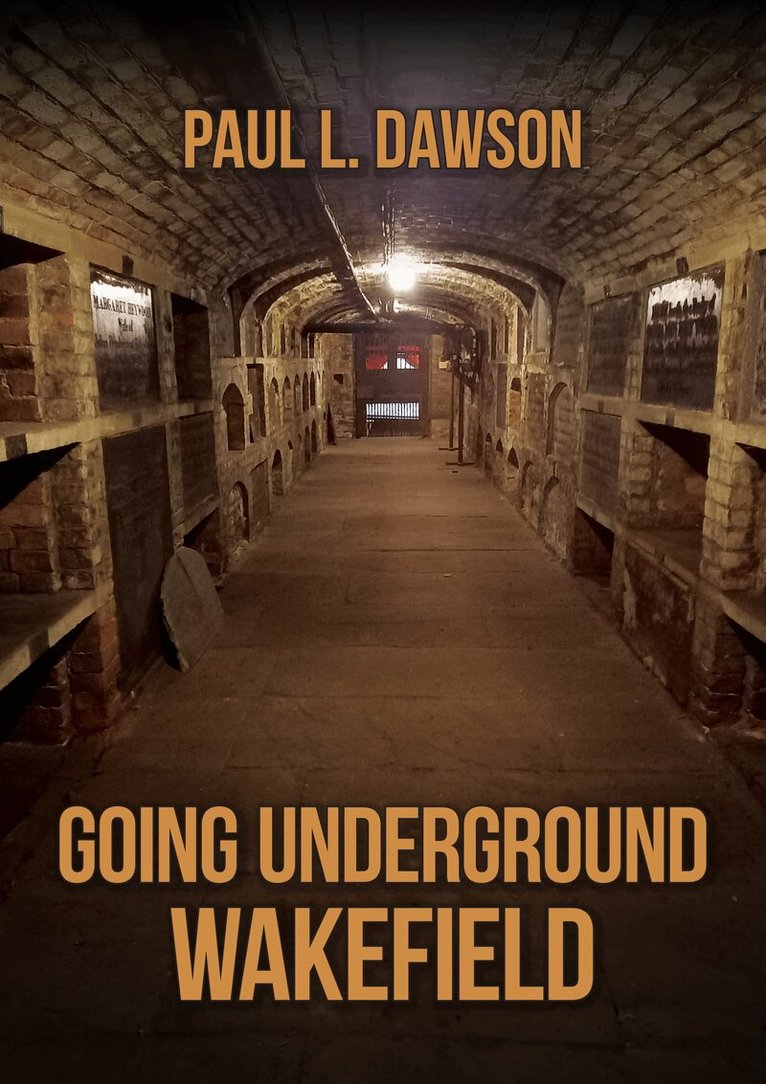
Beneath the surface of the West Yorkshire city of Wakefield lies a subterranean world, including ancient cellars, disused railway tunnels and a burial ground. Coal mining had taken place around Wakefield for centuries, with the last pits closing in the 1980s. Many large cellars are a legacy of the city’s history as an important centre of the wool trade going back to the Middle Ages, where additional safe storage was needed for the produce. Catacombs beneath the Unitarian chapel are the last resting place of some of the most influential and important persons in local, regional and national history, including four MPs, French revolutionaries, diarists, as well as women of influence on the national stage. The macabre space is unique in the north of England, with ‘residents’ from Manchester and Ireland, as well as elsewhere in Yorkshire. Nearby is a secret tunnel to a property that was the scene of a tragic attack by a grizzly bear. Wakefield also has other crypts: the medieval bridge chapel has a crypt completed c. 1347, the cathedral has a crypt completed in 1902 and the Georgian new church also has a crypt.This book provides a fascinating portrait of subterranean Wakefield, and the often strange stories associated with these hidden areas will interest all those who know the city.
178 kr
Kommande
Beneath the surface of Nottinghamshire lies a hidden world. The area was associated with coal mining for centuries and although today the last mines have closed, the county has a rich mining heritage and physical remnants of the coal industry still abound. The city of Nottingham is built on red sandstone which has been worked and hollowed out over millennia. Early records show that it was known as ‘the place of caves’ in the language of the ancient Britons. Many of Nottingham’s iconic buildings are built into the rock, Nottingham Castle has a network of caves beneath it and other caves are used for the cellars of public houses. Further afield, Cresswell Crags is a network of natural caves occupied in the Stone Age which contains cave paintings and more recent ‘witch marks’, which relate to local superstitions and folklore. The Byron family is interred in its crypt in Hucknall and numerous other churches in the county have crypts beneath their floors.This book takes readers on a tour of Nottinghamshire underground, exploring natural and man-made features with a story to tell. The stories include the strange and unusual and this fascinating portrait of Nottinghamshire underground will interest all those who know the county well or are visiting.