History of the Royal Navy – Serie
Visar alla böcker i serien History of the Royal Navy. Handla med fri frakt och snabb leverans.
7 produkter
7 produkter
754 kr
Skickas inom 7-10 vardagar
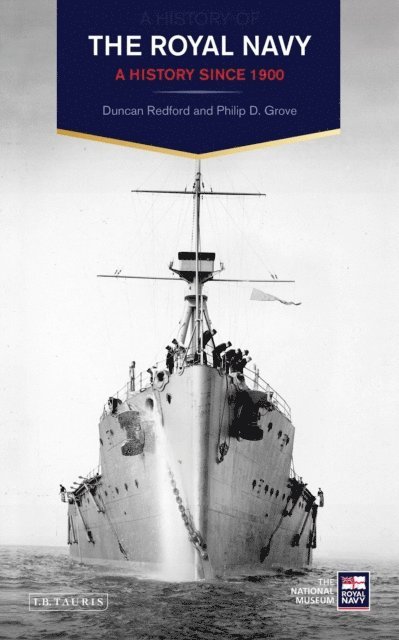
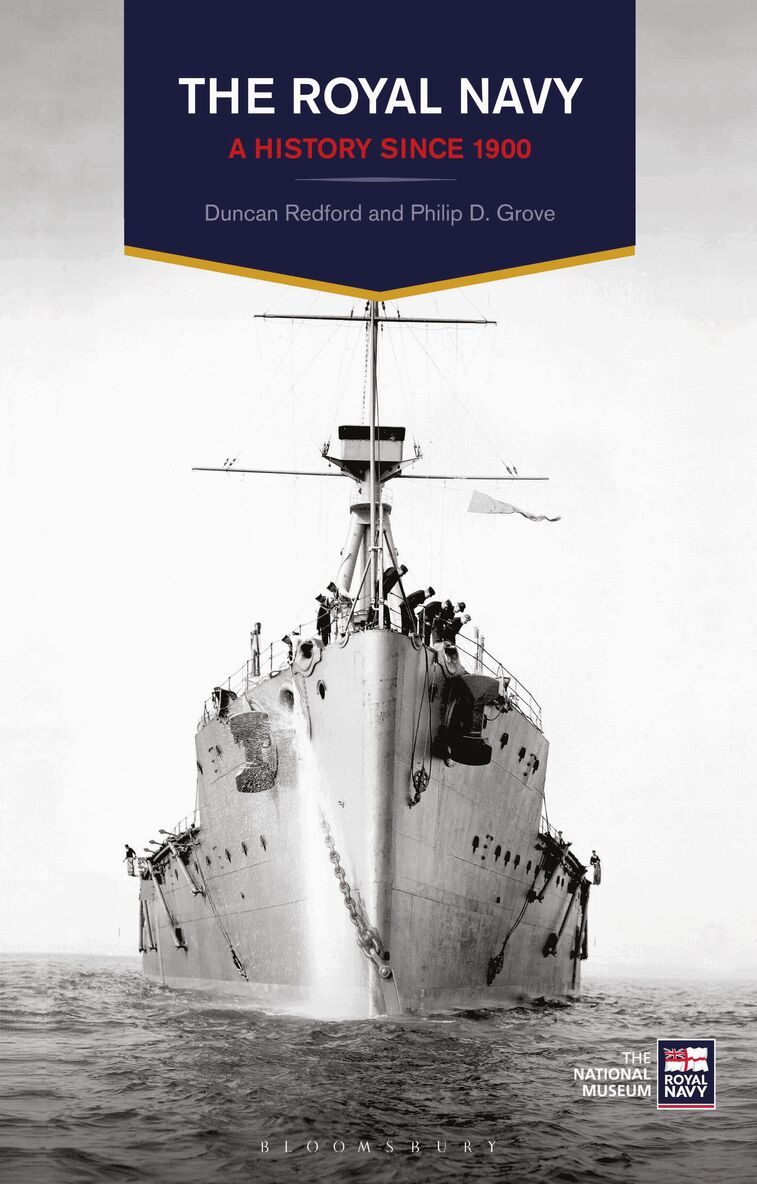
Since 1900, the Royal Navy has seen vast changes to the way it operates. This book tells the story, not just of defeats and victories, but also of how the navy has adjusted to over 100 years of rapid technological and social change. The navy has changed almost beyond recognition since the far-reaching reforms made by Admiral Fisher at the turn of the century. Fisher radically overhauled the fleet, replacing the nineteenth-century wooden crafts with the latest in modern naval technology, including battleships (such as the iconic dreadnoughts), aircraft carriers and submarines. In World War I and World War II, the navy played a central role, especially as unrestricted submarine warfare and supply blockades became an integral part of twentieth-century combat. However it was the development of nuclear and missile technology during the Cold War era which drastically changed the face of naval warfare - today the navy can launch sea-based strikes across thousands of miles to reach targets deep inland. This book navigates the cross currents of over 100 years of British naval history.As well as operational issues, the authors also consider the symbolism attached to the navy in popular culture and the way naval personnel have been treated, looking at the changes in on-board life and service during the period, as well as the role of women in the navy. In addition to providing full coverage of the Royal Navy's wartime operations, the authors also consider the functions of the navy in periods of nominal peace - including disaster relief, diplomacy and exercises. Even in peacetime the Royal Navy had a substantial role to play. Covering the whole span of naval history from 1900 to the present, this book places the wars and battles fought by the navy within a wider context, looking at domestic politics, economic issues and international affairs. It will be essential reading for anyone interested in naval history and operations, as well as military history more generally.
632 kr
Skickas inom 7-10 vardagar
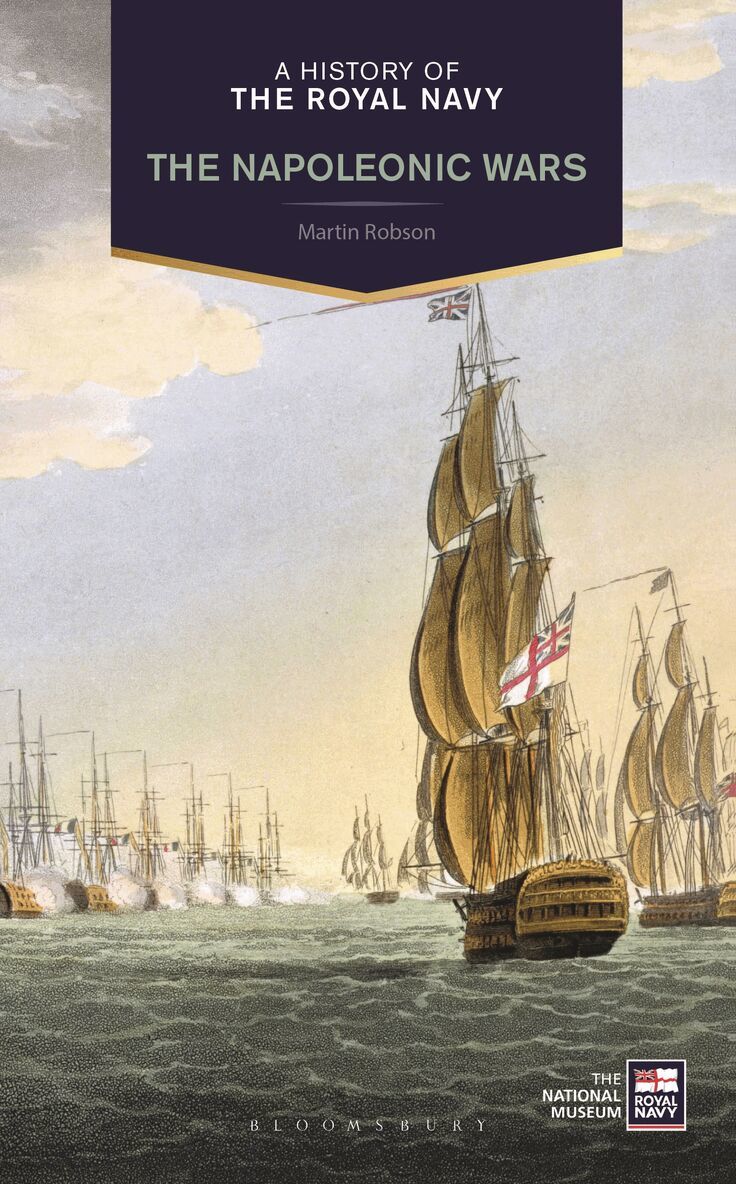
The French Revolutionary and Napoleonic Wars were the first truly global conflicts. The Royal Navy was a key player in the wider wars and, for Britain, the key factor in her eventual emergence as the only naval power capable of sustained global hegemony. The most iconic battles of any era were fought at sea during these years - from the Battle of the Nile in 1798 to Nelson's momentous victory at Trafalgar in October 1805. In this period, the Navy had reached a peak of efficiency and was unrivalled in manpower and technological strength. The eradication of scurvy in the 1790s had a significant impact on the health of sailors and, along with regular supplies of food and water, gave the British an advantage over their rivals in battle. As well as naval battles, the Navy also undertook amphibious operations, capturing many of France's Caribbean colonies and Dutch colonies in the East Indies and Ceylon; this Imperial dimension was integral to British strength and counteracting French success on continental Europe.This book looks at the history of the Royal Navy during the French Revolutionary and Napoleonic Wars, 1793-1815, from a broad perspective, examining the strategy, operations and tactics of British seapower. While it delves into the details of Royal Navy operations such as battle, blockade, commerce protection and exploration, it also covers a myriad of other aspects often overlooked in narrative histories such as the importance of naval logistics, transport, relations with the army and manning. An assessment of key naval figures and combined eyewitness accounts situate the reader firmly in Nelson's navy. Through an exploration of the relationship between the Navy, trade and empire, Martin Robson highlights the contribution Royal Navy made to Britain's rise to global hegemony through the nineteenth century Pax Britannica.
770 kr
Skickas
833 kr
Skickas inom 10-15 vardagar
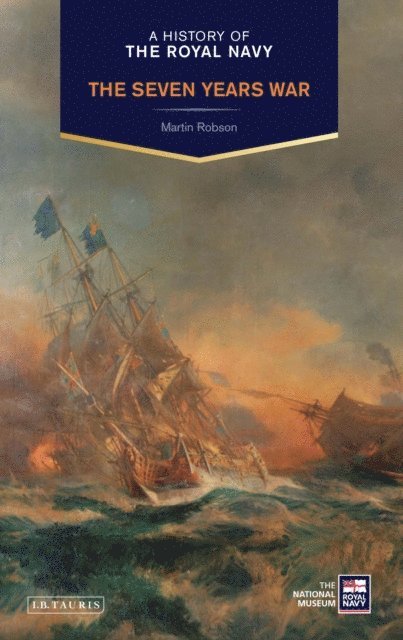
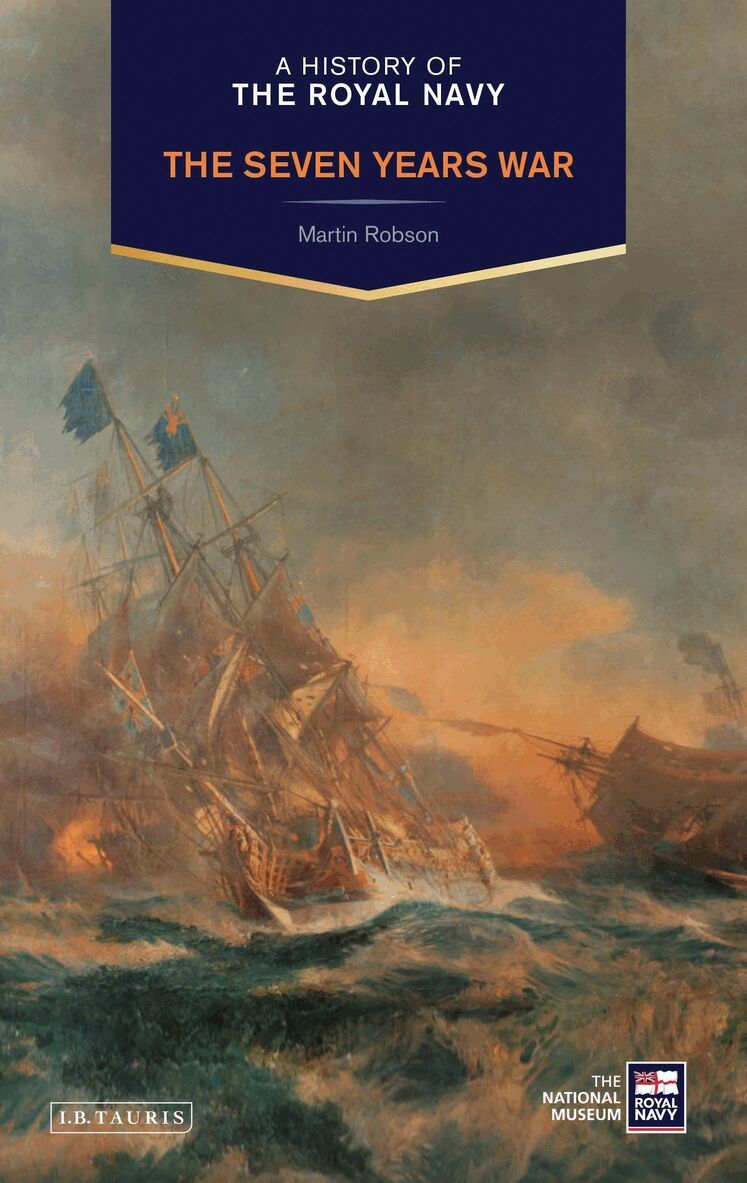
The Seven Years War (1756-1763) was the first global conflict and became the key factor in creating the British Empire. This book looks at Britain's maritime strategic, operational and tactical success (and failures), through a wide-ranging history of the Royal Navy's role in the war. By the end of the war in 1763 Britain was by no means a hegemonic power, but it was the only state capable of sustained global power projection on a global scale. Key to Britain's success was political and strategic direction from London, through the war planning of Pitt the Elder and the successful implementation of his policies by a stellar cast of naval and military leaders at an operational and tactical level. Martin Robson highlights the work of some of the key protagonists in the Royal Navy, such as Admiral Hawke whose appreciation of the wider strategic context at Quiberon Bay in 1759 decided the fate of North America, but he also provides insights into the experience of life in the lower decks at this time. Robson ultimately shows that the creation, containment and expansion of the British Empire was made possible by the exercise of maritime power through the Royal Navy.
833 kr
Skickas inom 10-15 vardagar
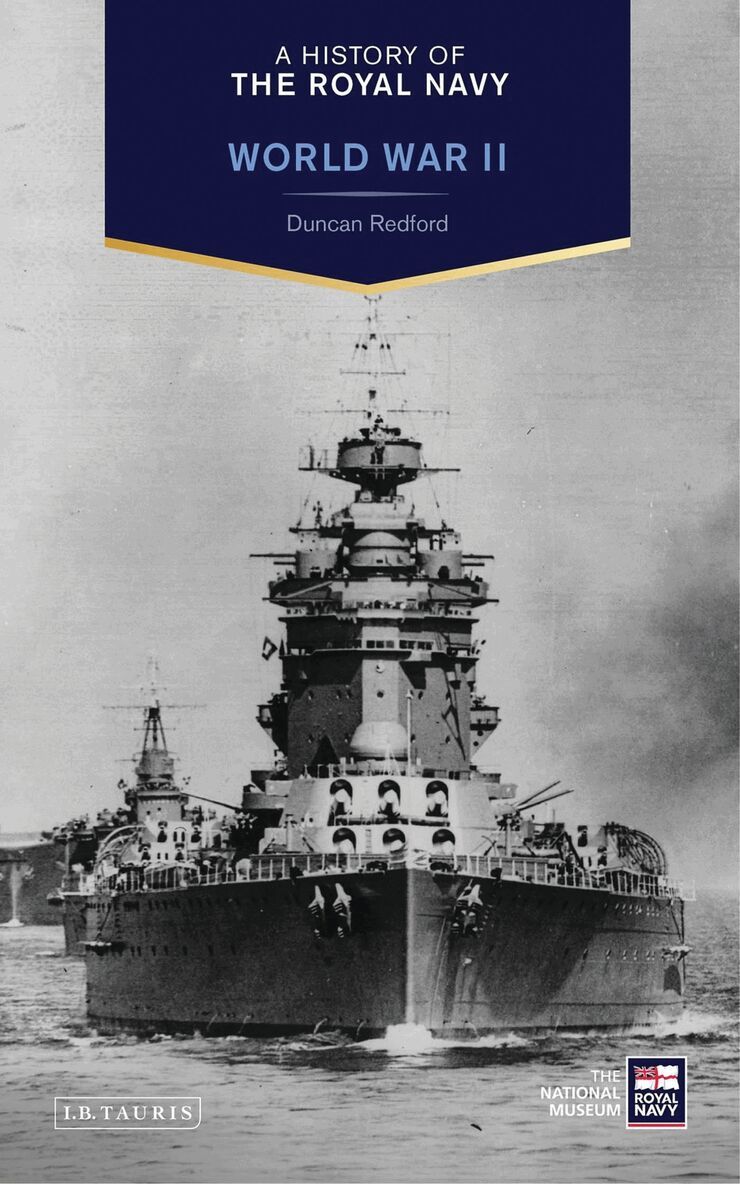
The Royal Navy's operations in World War II started on 3 September 1939 and continued until the surrender of Japan in August 1945 - there was no 'phoney war' at sea. The navy played a central role in the evacuation of the retreating British army at Dunkirk, and later orchestrated the sinking of Germany's mighty battleship and Hitler's pride, the Bismarck. Without the Royal Navy's attention to the defence of Britain's seaborne trade - especially in the struggle against German U-boats in the Battle of the Atlantic - there would not have been food for the country, fuel for the RAF's operations or supplies to keep the army fighting in Europe, North Africa and the Far East. Yet the outstanding naval contribution to Britain's survival and eventual victory came at a heavy cost in terms of ships and to the men who had to face not just the violence of the enemy, but also the violence of the sea. This book argues that World War II was, effectively, a maritime war; it was the Royal Navy's war.
640 kr
Skickas inom 10-15 vardagar
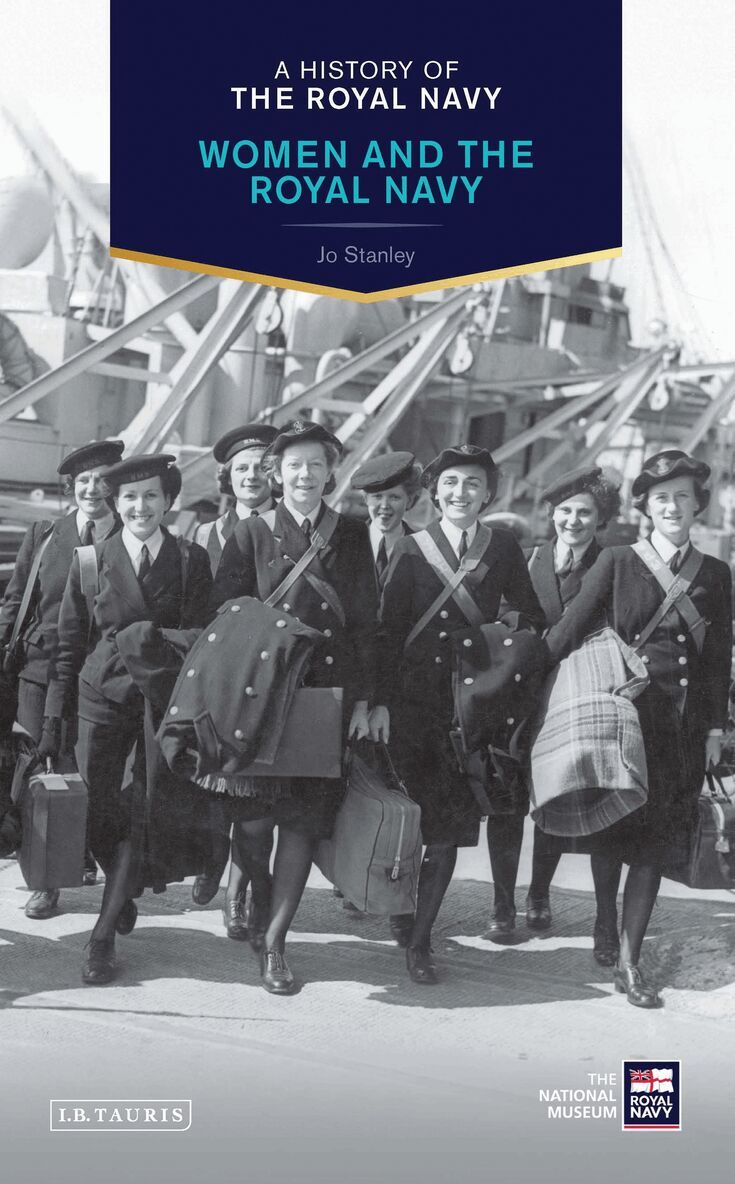
As nurses, `Jenny Wrens', and above all as wives and mothers, women have quietly kept the Royal Navy afloat throughout history. From its earliest years, women maintained homes and families while men battled at sea, providing vital support behind the scenes. Later they also ran maritime businesses and worked as civilians in naval offices and dockyards. From 1884, women were able to serve as nurses in the Queen Alexandra's Royal Naval Nursing Service and, from 1917, they became members of the Women's Royal Naval Service. The outbreak of both world wars gave women special opportunities and saw the role of women as Wrens, nursing sisters, VADs and medics change and develop. In more recent times, the development of equal rights legislation has fundamentally changed naval life: women are now truly in the navy and do `men's jobs' at sea. Using previously-unpublished first-hand material, this is the first book to reflect all the diverse roles that women have played in Royal Navy services. Jo Stanley situates women's naval activities within a worldwide context of women who worked, travelled and explored new options. This book provides vital new perspectives on both women's military history and the wider history of women who desired to work on or near the sea.
292 kr
Skickas inom 7-10 vardagar
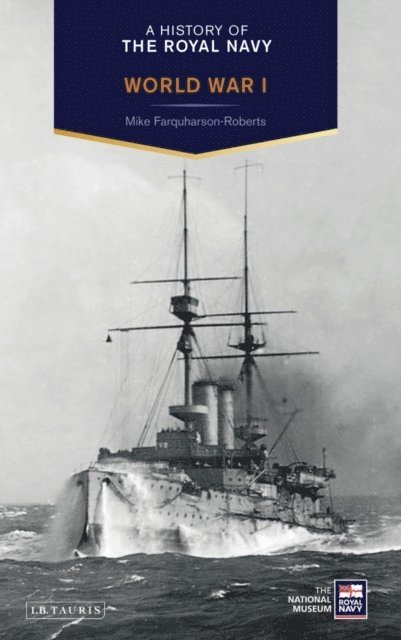
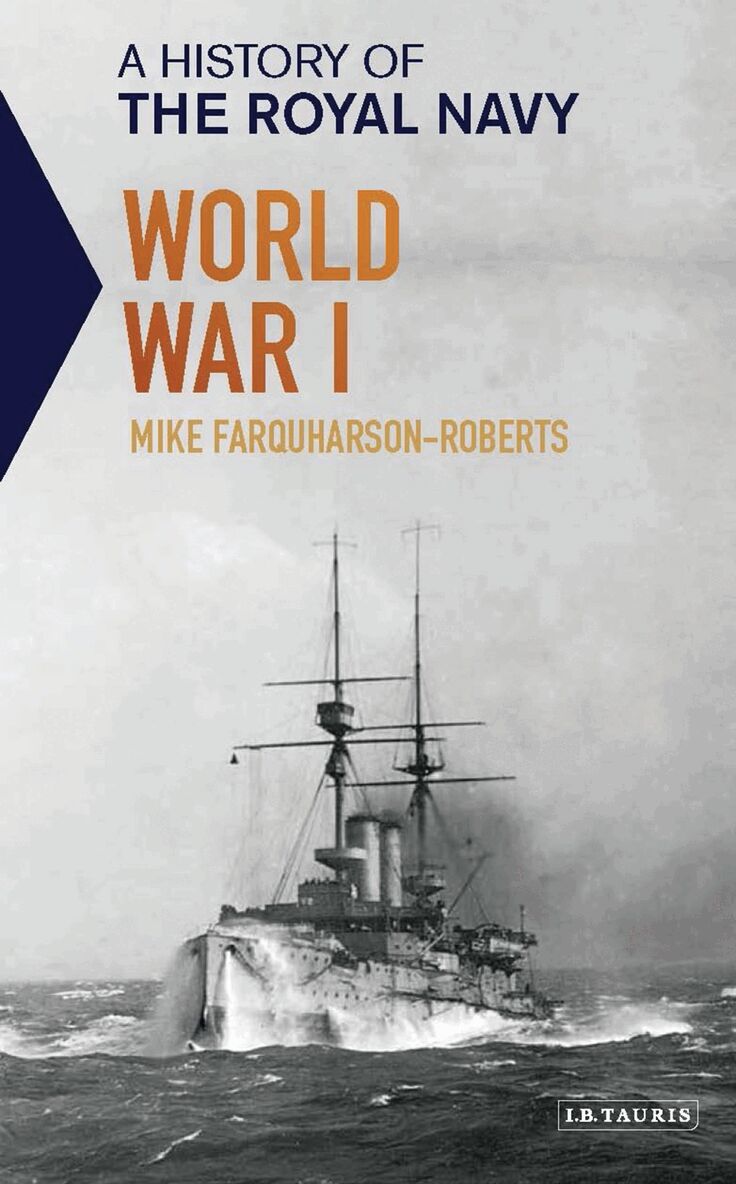
World War I is one of the iconic conflicts of the modern era. For many years the war at sea has been largely overlooked; yet, at the outbreak of that war, the British Government had expected and intended its military contribution to be largely naval. This was a war of ideologies fought by and for empires. Britain was not defending simply an island; it was defending a far flung empire. Without the navy such an undertaking would have been impossible. In many respects the Royal Navy fought along the longest 'front' of any fighting force of the Great War, and it acted as the leader of a large alliance of navies. The Royal Navy fought in the North and South Atlantic, in the North and South Pacific, its ships traversed the globe from Australia to England, and its presence extended the war to every continent except Antarctica. Because of the Royal Navy, Britain could finance and resource not only its own war effort, but that of its allies. Following the naval arms race in the early 20th century, both Britain and Germany were equipped with the latest naval technology, including revolutionary new vessels such as dreadnoughts and diesel-powered submarines. Although the Royal Navy's operations in World War I were global, a significant proportion of the fleet's strength was concentrated in the Grand Fleet, which confronted the German High Seas Fleet across the North Sea. At the Battle of Jutland in 1916 the Royal Navy, under the command of Admiral Jellicoe, fought an iconic, if inconclusive battle for control of shipping routes. The navy might not have been able to win the war, but, as Winston Churchill put it, she 'could lose it in an afternoon'. The Royal Navy was British power and prestige. 43,244 British navy personnel would lose their lives fighting on the seas in World War I. This book tells their story and places the Royal Navy back at the heart of the British war effort, showing that without the naval dimension the First World War would not have been a truly global conflict