Immunomics Reviews: - Böcker
Visar alla böcker i serien Immunomics Reviews:. Handla med fri frakt och snabb leverans.
8 produkter
8 produkter
1 624 kr
Skickas inom 10-15 vardagar
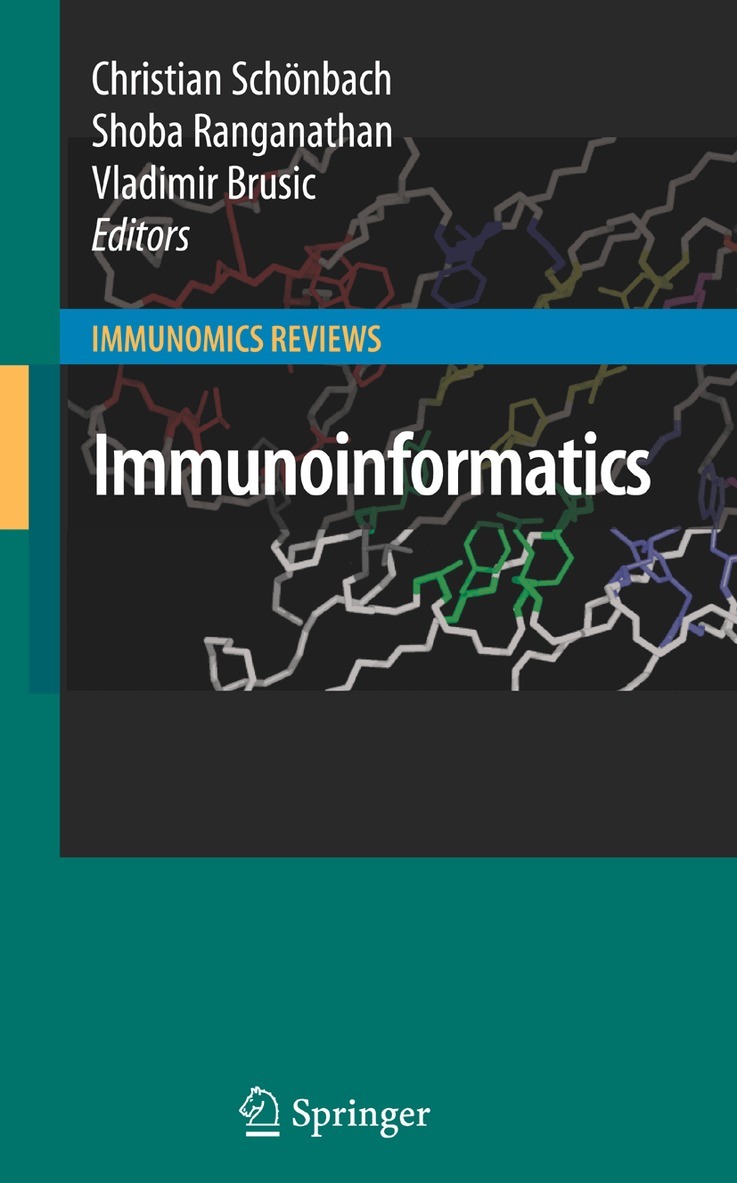
In contrast to existing books on immunoinformatics, this volume presents a cross-section of immunoinformatics research. The contributions highlight the interdisciplinary nature of the field and how collaborative efforts among bioinformaticians and bench scientists result in innovative strategies for understanding the immune system. Immunoinformatics is ideal for scientists and students in immunology, bioinformatics, microbiology, and many other disciplines.
1 624 kr
Skickas inom 10-15 vardagar
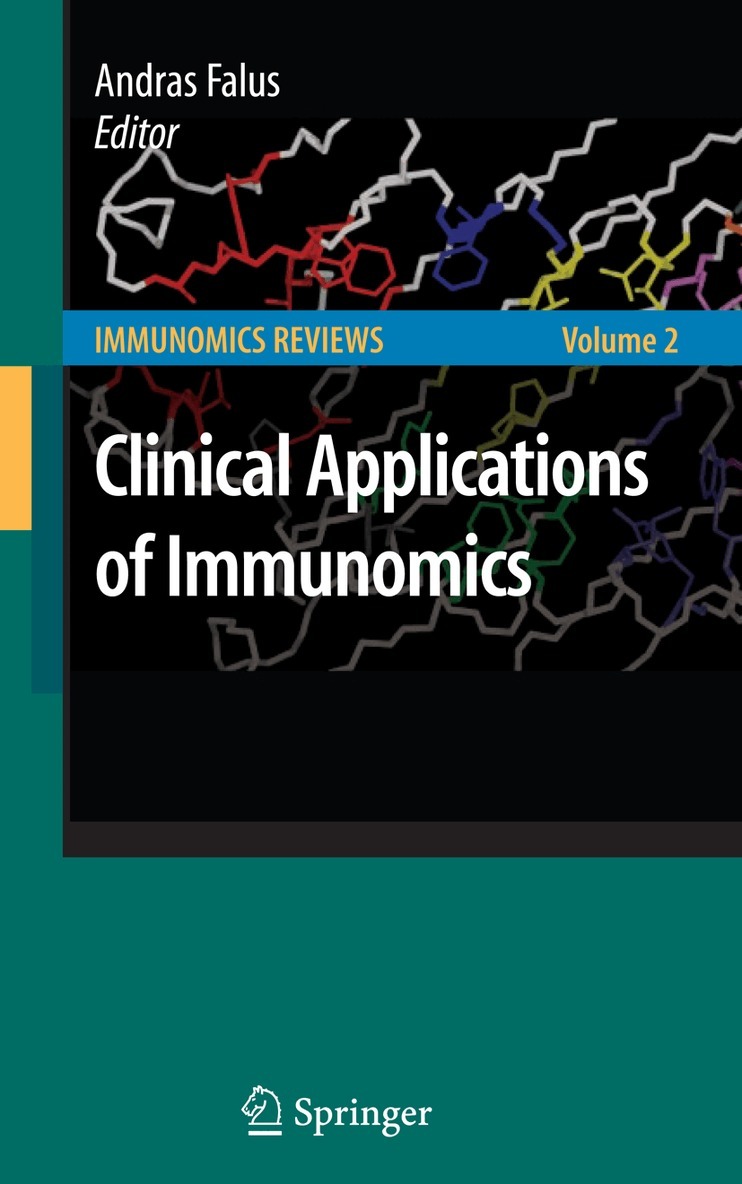
Innate immunity is one the most evolutionally conserved systems, designed to protect the organism from viruses and bacterial infections, stress and many other types of attacks from the outside world. During the past decade, the capacity of molecular biology and information technology to produce and analyse data have grown exponentially, rapidly reforming many aspects of immunology research in the post-genomics era. As a result, scientific understanding of signalling networks governing the innate immunity response in human tissues and other organisms has evolved beyond recognition, compared to even just a decade ago. Many strategies have been designed over the years to identify novel proteins, which have a crucial role in innate immunity responses by regulating particular signalling pathways. These projects had many advantages, including the definition of novel drug targets, as exemplified by the recent success of anti-TNF therapy, as well as leading to a better, system-wide understanding of the molecular control of innate immunity. In the past few years, a new concept, Immunomics, has been adopted to define an emerging, multidisciplinary field of research (Schonbach, 2003). Although rapid progress has been made to identify the proteins playing pivotal roles in the innate immunity–related signalling pathways (for example, TIR signalling pathways), the catalogue of proteins with a key regulatory function identified and studied is far from completed. Novel proteins need to be char- terised to gain a more comprehensive picture of how signalling networks are regulated.
2 163 kr
Skickas inom 10-15 vardagar
This fourth volume of a series is dedicated to advances in immunomics. The focus is on systemic and integrative approaches in basic and clinical immunology, immunoinformatics, and immunologically relevant instrumentation and high-throughput screening methods.
2 163 kr
Skickas inom 10-15 vardagar
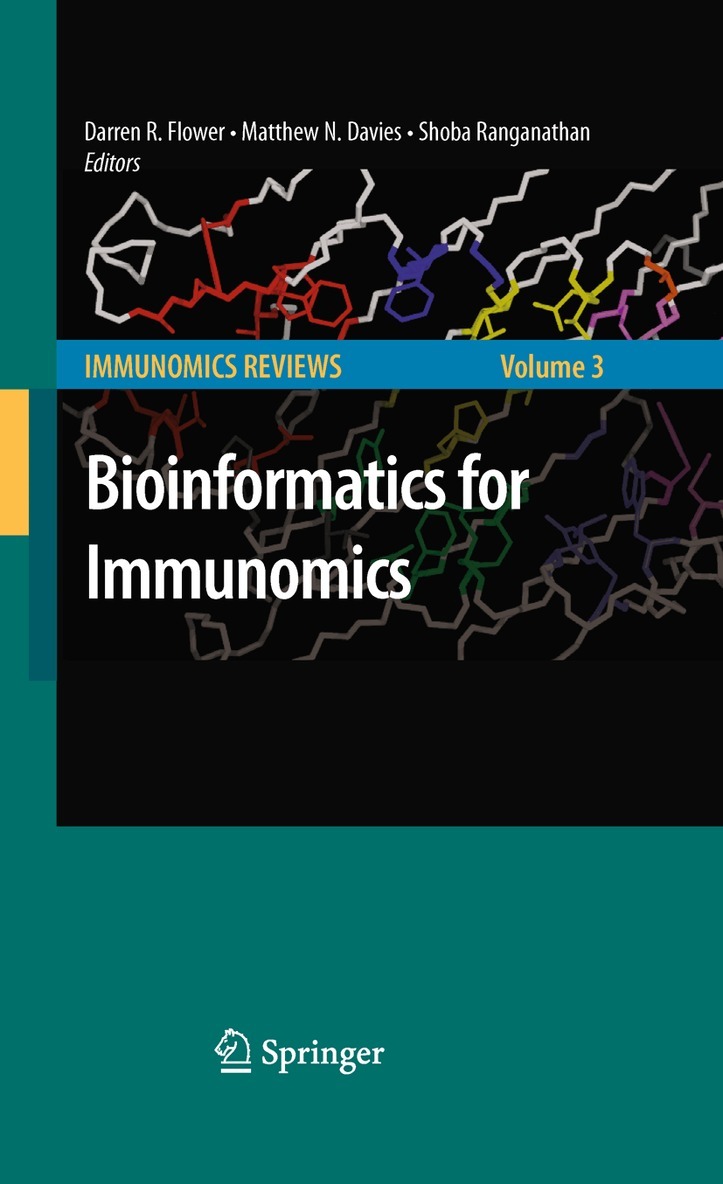
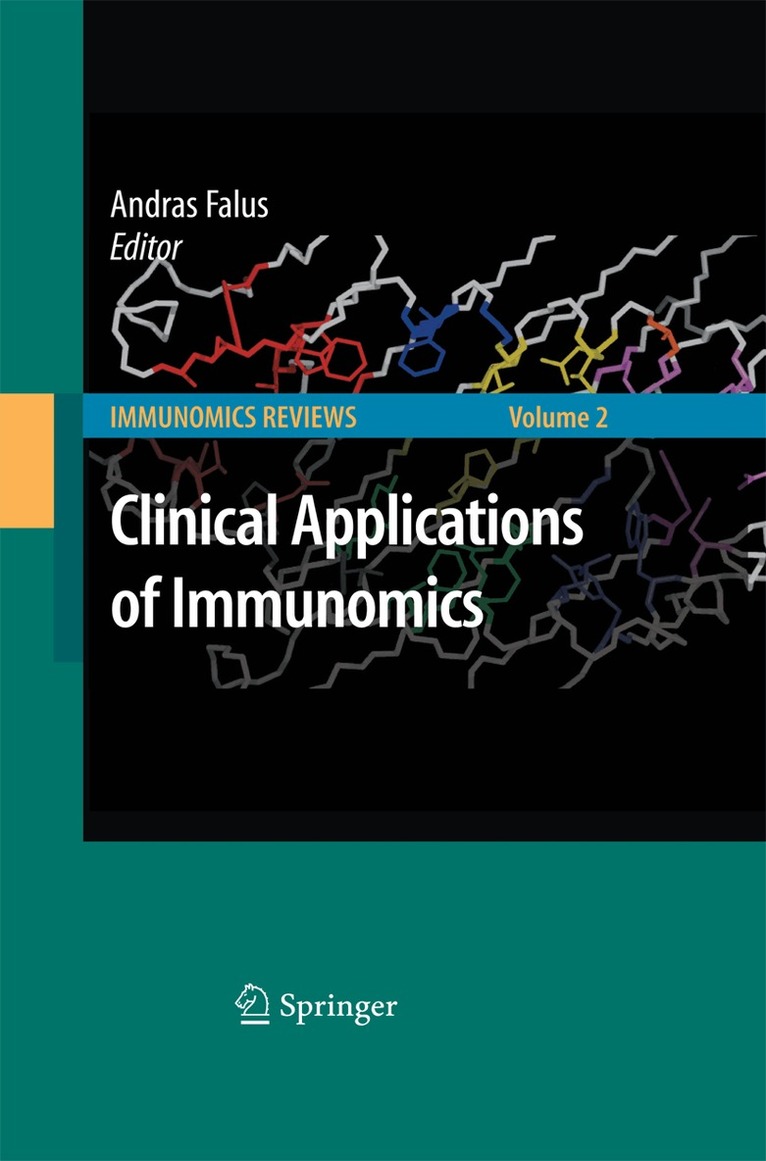
Like many words, the term “immunomics” equates to different ideas contingent on context. For a brief span, immunomics meant the study of the Immunome, of which there were, in turn, several different definitions. A now largely defunct meaning rendered the Immunome as the set of antigenic peptides or immunogenic proteins within a single microorganism – be that virus, bacteria, fungus, or parasite – or microbial population, or antigenic or allergenic proteins and peptides derived from the environment as a whole, containing also proteins from eukaryotic sources. However, times have changed and the meaning of immunomics has also changed. Other newer definitions of the Immunome have come to focus on the plethora of immunological receptors and accessory molecules that comprise the host immune arsenal. Today, Immunomics or immunogenomics is now most often used as a synonym for high-throughput genome-based immunology. This is the study of aspects of the immune system using high-throughput techniques within a conc- tual landscape borne of both clinical and biophysical thinking.
1 624 kr
Skickas inom 10-15 vardagar
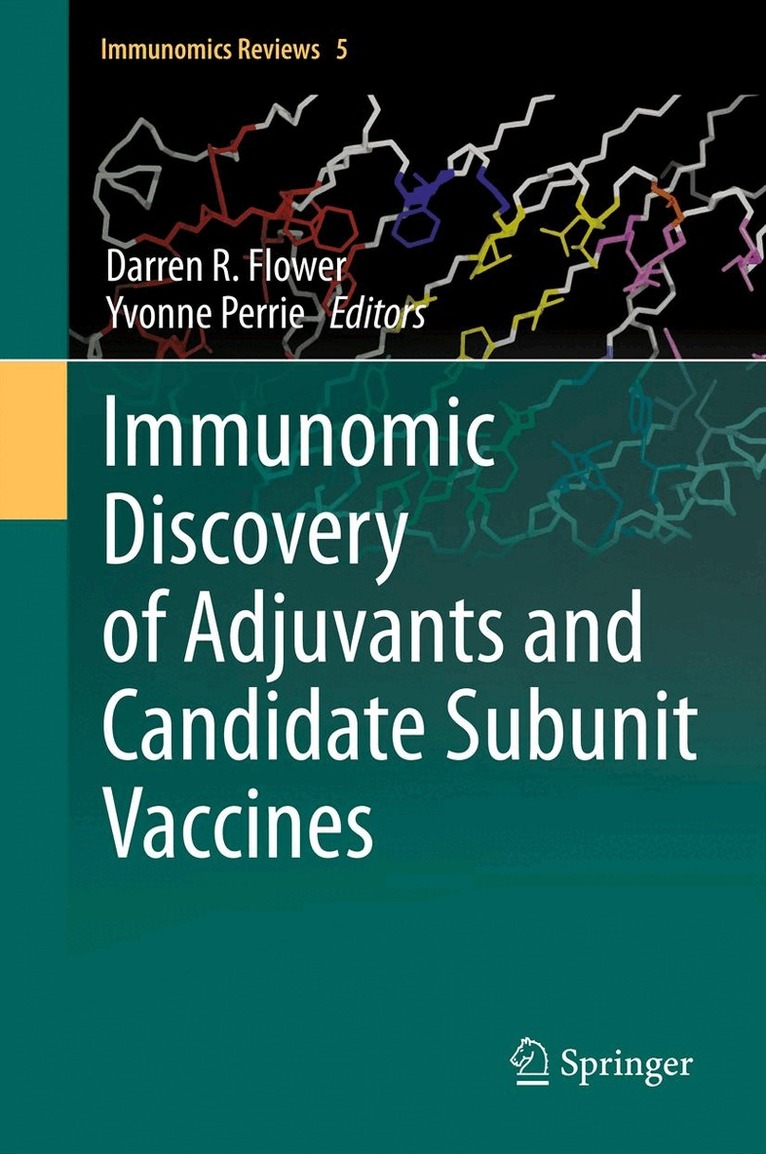
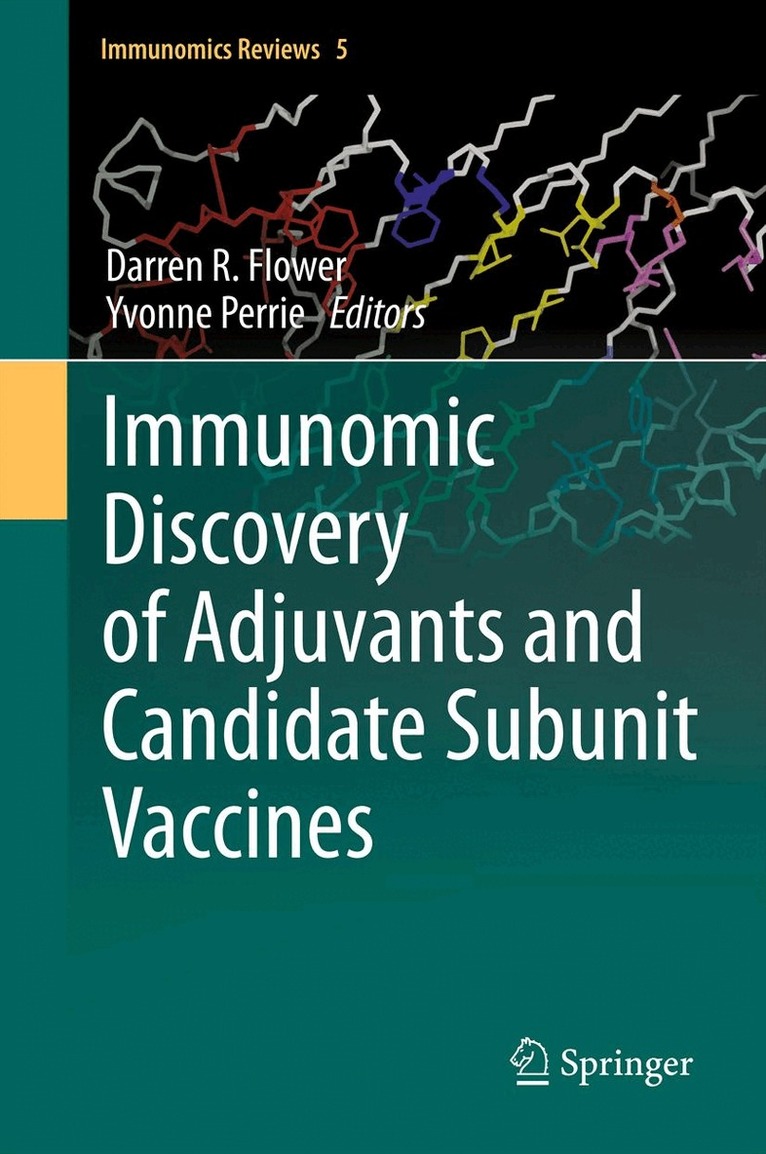
This volume will address an important emergent area within the field of immunomics: the discovery of antigens and adjuvants within the context of reverse vaccinology. Conventional approaches to vaccine design and development requires pathogens to be cultivated in the laboratory and the immunogenic molecules within them to be identifiable. Conventional vaccinology is no longer universally successful, particularly for recalcitrant pathogens. By using genomic information we can study vaccine development in silico: 'reverse vaccinology', can identify candidate subunits vaccines by identifying antigenic proteins and by using equally rational approaches to identify novel immune response-enhancing adjuvants.
1 624 kr
Skickas inom 10-15 vardagar
In contrast to existing books on immunoinformatics, this volume presents a cross-section of immunoinformatics research. The contributions highlight the interdisciplinary nature of the field and how collaborative efforts among bioinformaticians and bench scientists result in innovative strategies for understanding the immune system. Immunoinformatics is ideal for scientists and students in immunology, bioinformatics, microbiology, and many other disciplines.
1 624 kr
Skickas inom 10-15 vardagar
This volume will address an important emergent area within the field of immunomics: the discovery of antigens and adjuvants within the context of reverse vaccinology. Conventional approaches to vaccine design and development requires pathogens to be cultivated in the laboratory and the immunogenic molecules within them to be identifiable. Conventional vaccinology is no longer universally successful, particularly for recalcitrant pathogens. By using genomic information we can study vaccine development in silico: 'reverse vaccinology', can identify candidate subunits vaccines by identifying antigenic proteins and by using equally rational approaches to identify novel immune response-enhancing adjuvants.
1 624 kr
Skickas inom 10-15 vardagar
Innate immunity is one the most evolutionally conserved systems, designed to protect the organism from viruses and bacterial infections, stress and many other types of attacks from the outside world. During the past decade, the capacity of molecular biology and information technology to produce and analyse data have grown exponentially, rapidly reforming many aspects of immunology research in the post-genomics era. As a result, scientific understanding of signalling networks governing the innate immunity response in human tissues and other organisms has evolved beyond recognition, compared to even just a decade ago. Many strategies have been designed over the years to identify novel proteins, which have a crucial role in innate immunity responses by regulating particular signalling pathways. These projects had many advantages, including the definition of novel drug targets, as exemplified by the recent success of anti-TNF therapy, as well as leading to a better, system-wide understanding of the molecular control of innate immunity. In the past few years, a new concept, Immunomics, has been adopted to define an emerging, multidisciplinary field of research (Schonbach, 2003). Although rapid progress has been made to identify the proteins playing pivotal roles in the innate immunity–related signalling pathways (for example, TIR signalling pathways), the catalogue of proteins with a key regulatory function identified and studied is far from completed. Novel proteins need to be char- terised to gain a more comprehensive picture of how signalling networks are regulated.