In 20 Digs – serie
Visar alla böcker i serien In 20 Digs. Handla med fri frakt och snabb leverans.
5 produkter
5 produkter
173 kr
Skickas
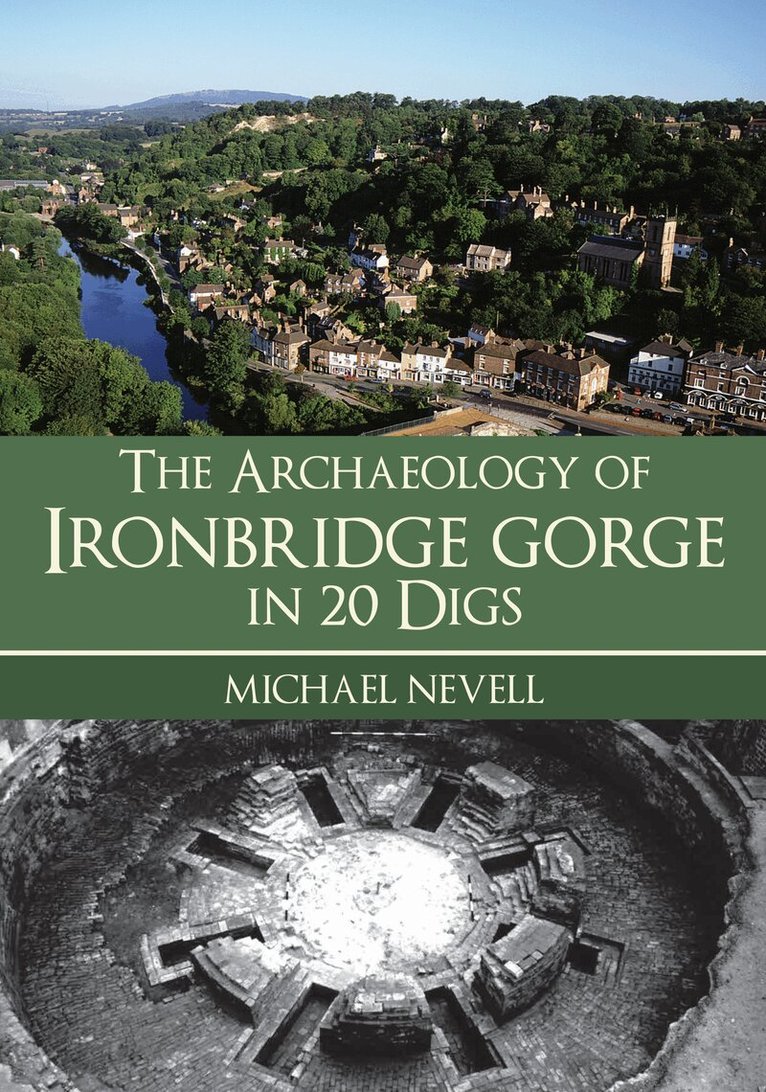
The Ironbridge Gorge in Shropshire is one of the cradles of industrialisation. At its heart is the Iron Bridge spanning the River Severn, one of the world’s first iron bridges and an iconic image of the Industrial Revolution. The area’s role in helping to transform Britain into the world’s first industrial society earned it UNESCO World Heritage Site status in 1986. Industrialisation in and around the gorge was shaped and constrained by the landscape and this is reflected in the range of extractive, manufacturing, and transport sites in the area. These include Abraham Darby’s coke-fired iron furnace of 1709, the first steel furnace in England at the Upper Forge, brick and tile works, canals, tramways, and workers’ housing.The Archaeology of Ironbridge Gorge in 20 Digs explores a range of sites and material evidence excavated from the 1970s to the 2010s. It combines archaeological excavation with the analysis of the industrial and domestic buildings that helped to create the Ironbridge industrial community, and which continue to form an integral part of this internationally important twenty-first-century landscape.
173 kr
Skickas
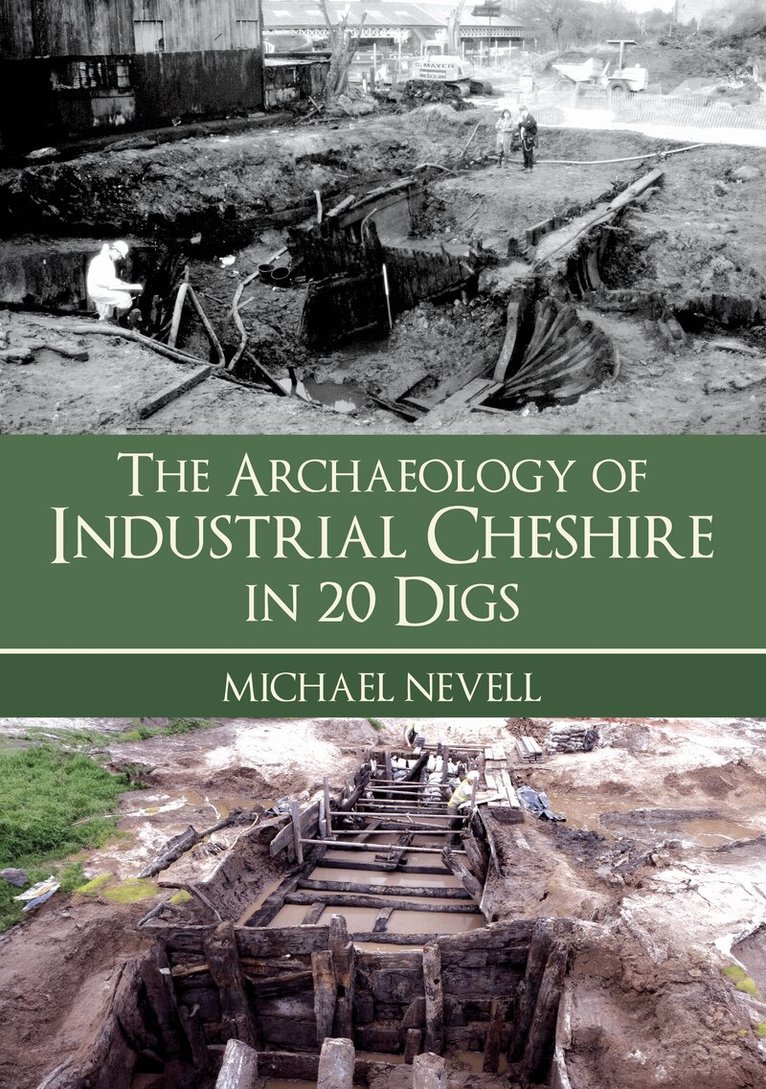
Cheshire contains some of the earliest inland saltworks, industrial canals, and purpose-built mechanised textile mills in Britain. The region’s industrial story covers 2,000 years from the Romans to the Victorians and beyond. Drawing upon archaeological excavations over the last fifty years, this book looks at the physical remains of Cheshire’s chief industries, salt, textiles, metal working, and transport, from its Roman beginnings to the area’s role as the centre of Britain’s silk industry in the nineteenth century. Michael Nevell describes the excavation of Cheshire’s internationally important industrial archaeology sites showing how this archaeological work has helped the study of not only the salt industries of Nantwich, Middlewich, and Northwich, but Chester’s role as a port, especially in the eighteenth and nineteenth centuries, and the Bridgewater Canal, the first long-distance industrial canal, and its port at Runcorn. The area’s largest industry in the eighteenth and nineteenth centuries, silk and cotton spinning, developed in eastern Cheshire and this area became Britain’s silk-manufacturing centre. The excavation of these textile mills, salt works, and transport networks reveals the impact of industrialisation on the landscape and people of the area, and Cheshire’s important role in the Industrial Revolution.
173 kr
Kommande
Leicester is one of the most intensely excavated historic cities in the country, resulting in many fantastic archaeological discoveries comprising a rich array of ancient buildings, objects, and the remains of the people who once lived in Leicester’s Roman and medieval past. The city’s heritage hit the global headlines with the discovery of King Richard III below a car park in 2012 but look beyond this and there is much more to learn.This book takes the reader on a journey from Leicester’s Iron Age origins along the riverbank to its establishment as a Roman town and Civitas Capital with large public buildings and spaces, along with lavish townhouses featuring fine mosaics. After Roman rule, the ruinous former city was still lived in with evidence for rarely found Anglo-Saxon buildings. Later, the medieval town has evidence for houses, a brewery, monastic buildings, cemeteries, and the burial of King Richard III.The Archaeology of Leicester in 20 Digs selects twenty of the most important archaeological sites and celebrates the discoveries from over 100 years of investigations, which have transformed our understanding of the city’s rich 2,000-year history. This book includes the most recent discoveries, and newest interpretations, with Leicester’s heritage presented in a fresh and accessible way, with photographs, illustrations, and links to provide a gateway to further reading.
173 kr
Tillfälligt slut
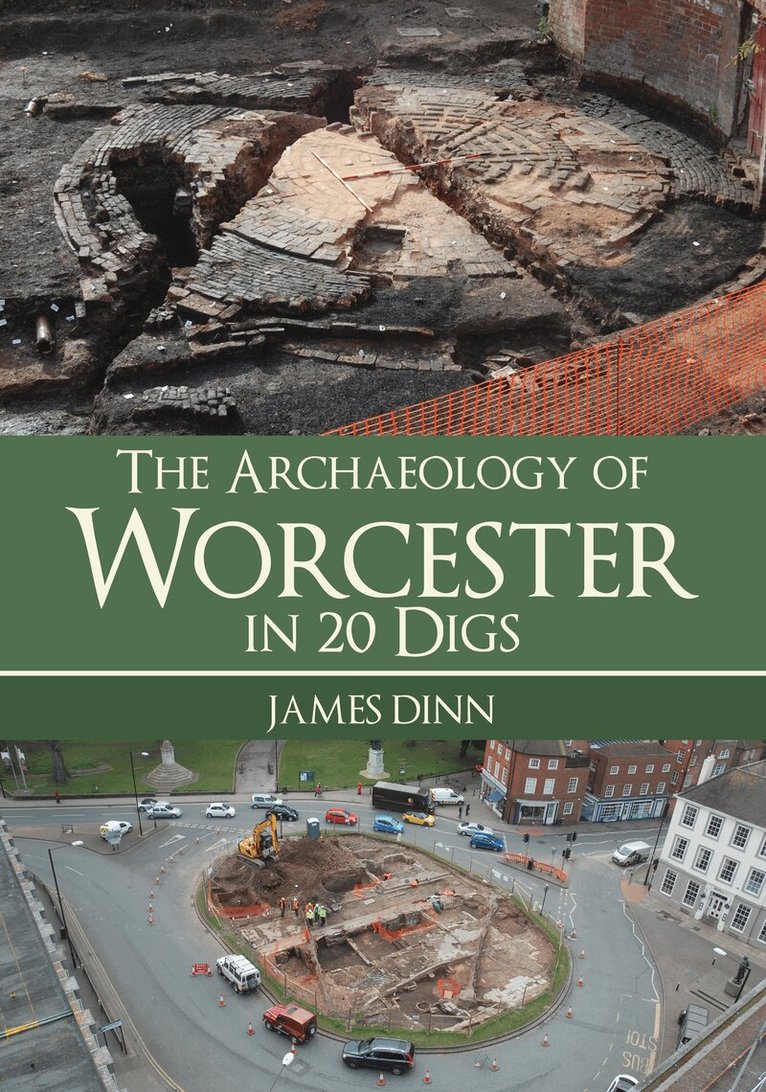
Worcester is one of England’s great historic cities, with a history of occupation that goes back to the Iron Age. It was a Roman ironworking and industrial centre, though some houses were decorated with mosaics or painted wall plaster. From AD 680, Worcester was the ecclesiastical centre of the Hwicce and later a defended Mercian burh. The medieval city had many parish churches and monasteries, a castle and city walls, and a stone bridge across the River Severn. It was refortified in the Civil War, and the first and last battles of the war were fought here. More recently, the city has been an important centre for the production of porcelain.The Archaeology of Worcester in 20 Digs takes the reader on a journey through a selection of the most ground-breaking and unusual archaeological discoveries made in the city.
173 kr
Skickas inom 11-20 vardagar
Manchester has always had the ability to reinvent itself. Evolving from a Roman fort to an Elizabethan linen market town and a Georgian market centre, it became the world’s largest cotton spinning town in the early nineteenth century. In the Victorian period it was a commercial, engineering and port city. After industry declined in the mid-twentieth century Manchester re-emerged as an education, music and sports destination. The urban regeneration needed to revive Manchester was an archaeological opportunity to explore the city’s deep roots and its more recent radical past. Over fifty digs have been undertaken since 2000, changing our understanding of the city’s origins, which are prehistoric, Roman, and international.Archaeological remains from bricks and cobbles to pots and glass bottles have helped to bring to life the world’s first industrial city, with its pioneering canals and railways, filth and poverty. Even the city’s newer history of live music has been rediscovered through modern archaeology.