In Translation: Contemporary Thought in Muslim Contexts - Böcker
Visar alla böcker i serien In Translation: Contemporary Thought in Muslim Contexts. Handla med fri frakt och snabb leverans.
10 produkter
10 produkter
1 391 kr
Skickas inom 7-10 vardagar
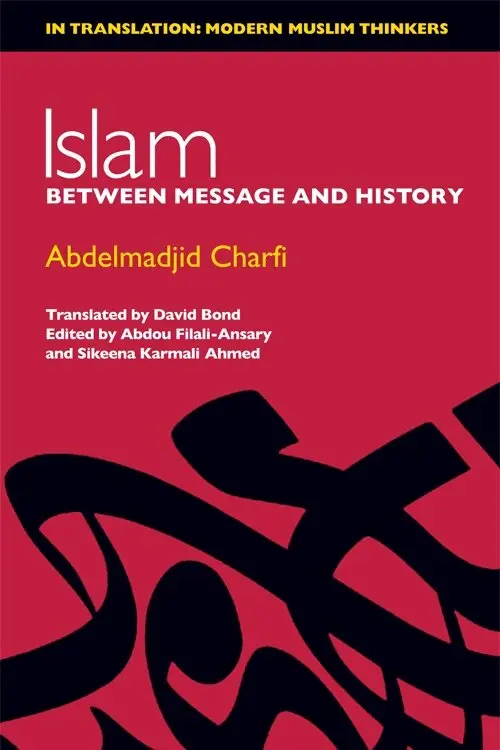
This book could easily be called 'A Guide for the Modern Muslim', for someone to whom the sentiments of his or her ancestors resonate but who cannot accept the canonised formulas of a stultified education. Charfi spells out what, for him, is the essential message of Islam, followed by a history of its unfolding through the person of the Prophet Muhammad, who was a visionary seeking to change the ideals, attitudes and behaviours of the society in which he lived. The message and its history are delineated as two separate things, conflated by tradition. Charfi's reflections cross those horizons where few Muslim scholars have dared until now to tread. He confronts with great lucidity those difficult questions with which Muslims are struggling, attempting to reconsider them from a moral and political perspective that is independent of the frameworks produced by tradition.
552 kr
Skickas inom 3-6 vardagar
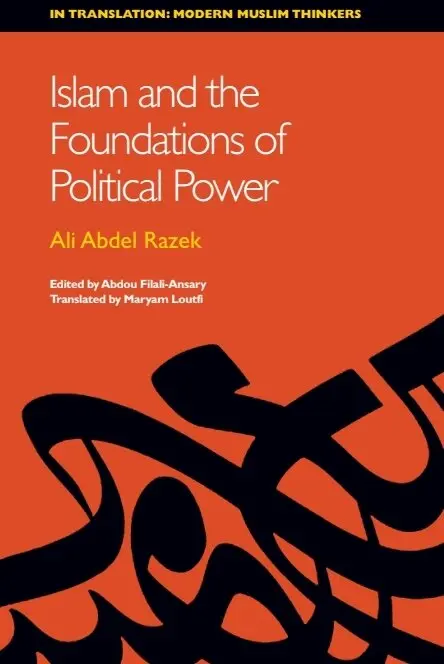
Egypt, 1925: the Muslim world is in turmoil over Mustapha Kamal Ataturk's proposed abolition of the caliphate in Turkey. The tension surrounding Islam and politics re-ignites as traditional political systems dissolve under pressure from European powers and most Muslim countries lose their sovereignty. Into this debate enters Ali Abdel Razek, a religious cleric trained at Al-Azhar University, arguing in favour of secularism in his essay 'Islam and the Foundations of Political Power', translated here for the first time. This edition includes a contextualising introduction, Razek's original footnotes and new explanatory notes, additional notes about particular people, events and vocabulary that may be unfamiliar to modern readers, and an appendix with a list of Razek's sources and their full publication details.
1 886 kr
Skickas inom 3-6 vardagar
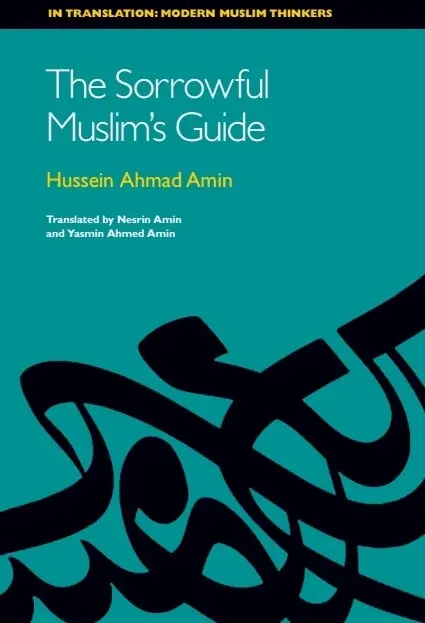
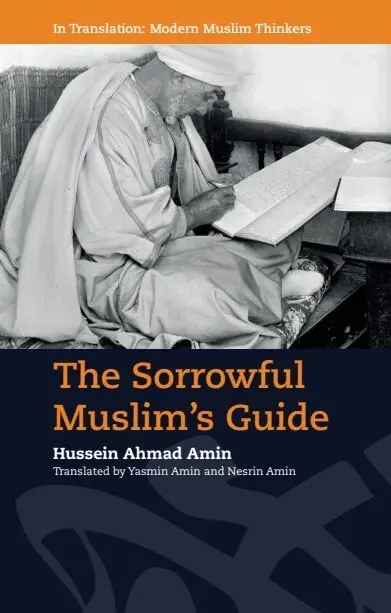
Published as Dalīl al-Muslim al-ḥazīn ilā muqtada-l-sulūk fī’l-qarn al-ʿishrīn in 1983, this book remains a timely and important read today. Both the resurgence of Islamist politics and the political, social and intellectual upheaval which accompanied the Arab Spring challenge us to re-examine the interaction between the pre-modern Islamic tradition and modern supporters of continuity, reform and change in Muslim communities. This book does exactly that, raising questions regarding issues about which other Muslim intellectuals and thinkers have been silent. These include – among others – current religious practice vs the Islamic ideal; the many additions to the original revelation; the veracity of the Prophet’s biography and his sayings; the development of Sufism; and historical and ideological influences on Islamic thought.
496 kr
Skickas inom 3-6 vardagar
Published as Dalīl al-Muslim al-ḥazīn ilā muqtada-l-sulūk fī’l-qarn al-ʿishrīn in 1983, this book remains a timely and important read today. Both the resurgence of Islamist politics and the political, social and intellectual upheaval which accompanied the Arab Spring challenge us to re-examine the interaction between the pre-modern Islamic tradition and modern supporters of continuity, reform and change in Muslim communities. This book does exactly that, raising questions regarding issues about which other Muslim intellectuals and thinkers have been silent. These include – among others – current religious practice vs the Islamic ideal; the many additions to the original revelation; the veracity of the Prophet’s biography and his sayings; the development of Sufism; and historical and ideological influences on Islamic thought.
1 266 kr
Skickas inom 7-10 vardagar
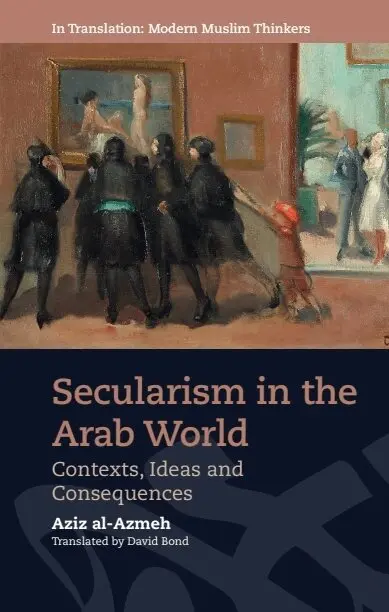
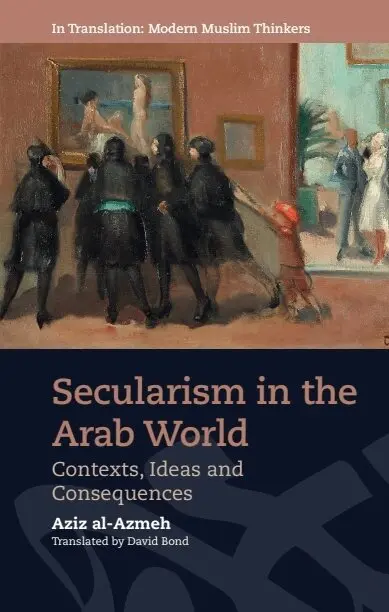
This book is a translation of Aziz al-Azmeh’s seminal work Al-'Ilmaniya min mandhur mukhtalif that was first published in Beirut in 1992. Both celebrated and criticised for its reflections on Arab secularisation and secularism in the modern history of the Arab World, it is the only study to date to approach its subject as a set of historical changes which affected the regulation of the social, political and cultural order, and which permeated the concrete workings of society, rather than as an ideological discussion framed from the outset by the assumed opposition between Islam and secularism. The author takes a comprehensive analytical perspective to show that an almost imperceptible yet real, multi-faceted and objective secularising process has been underway in the Arab world since the 1850s. The early onset was the result of adapting to systemic novelties introduced at the time and a reaction to the perceived European advance and local retardation. The need for meaningful reform, and the actions taken in order to put in place a new organisation of state and society based on modern organisational and educational criteria, rather than older, religious traditions, stemmed from the perceived weakness of Arab polities and from an internal drive to overcome this situation. The book follows these themes into the close of the 20th century, marked with the rise of Islamism. A preface to the English translation takes a retrospective look at the theme from the vantage point of social, political and intellectual issues of relevance today.
402 kr
Skickas
This book is a translation of Aziz al-Azmeh's seminal work Al-'Ilmaniya min mandhur mukhtalif that was first published in Beirut in 1992. Both celebrated and criticised for its reflections on Arab secularisation and secularism in the modern history of the Arab World, it is the only study to date to approach its subject as a set of historical changes which affected the regulation of the social, political and cultural order, and which permeated the concrete workings of society, rather than as an ideological discussion framed from the outset by the assumed opposition between Islam and secularism. The author takes a comprehensive analytical perspective to show that an almost imperceptible yet real, multi-faceted and objective secularising process has been underway in the Arab world since the 1850s. The early onset was the result of adapting to systemic novelties introduced at the time and a reaction to the perceived European advance and local retardation. The need for meaningful reform, and the actions taken in order to put in place a new organisation of state and society based on modern organisational and educational criteria, rather than older, religious traditions, stemmed from the perceived weakness of Arab polities and from an internal drive to overcome this situation. The book follows these themes into the close of the twentieth centuries, marked with the rise of Islamism. A preface to the English translation takes a retrospective look at the theme from the vantage point of social, political and intellectual issues of relevance today.
1 886 kr
Skickas inom 3-6 vardagar
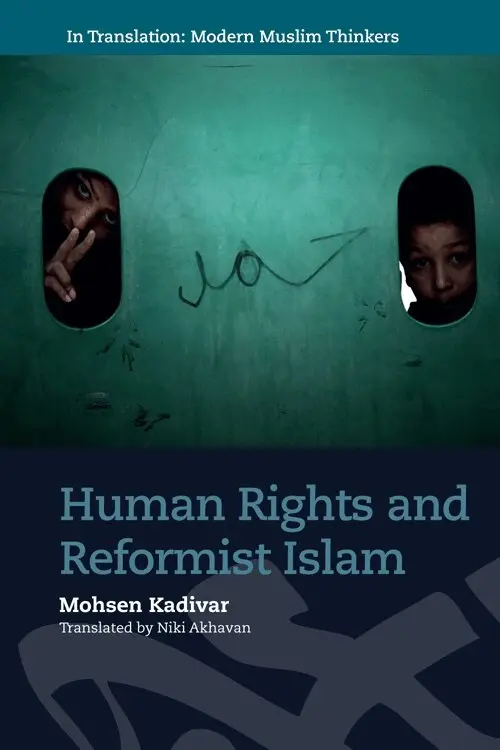
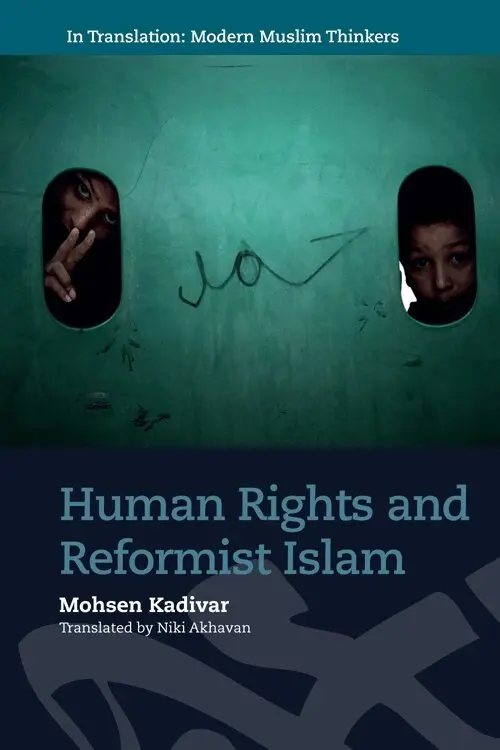
Human Rights and Reformist Islam' critiques traditional Islamic approaches to the question of compatibility between human rights and Islam, and argues instead for their reconciliation from the perspective of a reformist Islam. The book focuses on six controversial case studies: religious discrimination; gender discrimination; slavery; freedom of religion; punishment of apostasy; and arbitrary or harsh punishments. Explaining the strengths of structural ijtihad, Mohsen Kadivar’s draws on the rational classification of Islamic teachings as temporal or permanent on the one hand, and four criteria of being Islamic on the other: reasonableness, justice, morality and efficiency. He rejects all of the problematic verses and Hadith according to these criteria. The result is a powerful, solutions-based argument based on reformist Islam – providing a scholarly bridge between modernity and Islamic tradition in relation to human rights.
705 kr
Skickas inom 3-6 vardagar
Published in Association with the Aga Khan University Institute for the Study of Muslim CivilisationsTranslates the influential collection Haqq al-nas, which argues for the compatibility of human rights and IslamWritten by an original and prolific intellectual of the Iranian reform movementAdds an extensive new introduction and annotations throughout the text from Mohsen Kadivar bringing the work up-to-date and placing it in its academic and public contextsIncludes a preface by Professor Mirjam K nkler explaining the importance of the translation and the value of its contribution to current scholarly debateCritically compares Mohsen Kadivar's approach to Islam and human rights with those of five leading contemporary scholars: Mahmoud M. Taha, Abdullahi A. an-Na'im, Ann E. Mayer, Mohammad M. Shabestari and Abdulaziz A. Sachedina Includes a glossary of key terminologyHuman Rights and Reformist Islam critiques traditional Islamic approaches to the question of compatibility between human rights and Islam, and argues instead for their reconciliation from the perspective of a reformist Islam. The book focuses on six controversial case studies: religious discrimination; gender discrimination; slavery; freedom of religion; punishment of apostasy; and arbitrary or harsh punishments. Explaining the strengths of structural ijtihad, Mohsen Kadivar's approach is based on the rational classification of Islamic teachings as temporal or permanent on the one hand, and four criteria of being Islamic on the other: reasonableness, justice, morality and efficiency. In the book, all of the verses and Hadith that are problematic in relation to human rights are abrogated rationally according to these criteria. The result is a powerful, solutions-based argument based on reformist Islam providing a scholarly bridge between modernity and Islamic tradition in relation to human rights.
1 735 kr
Skickas inom 3-6 vardagar
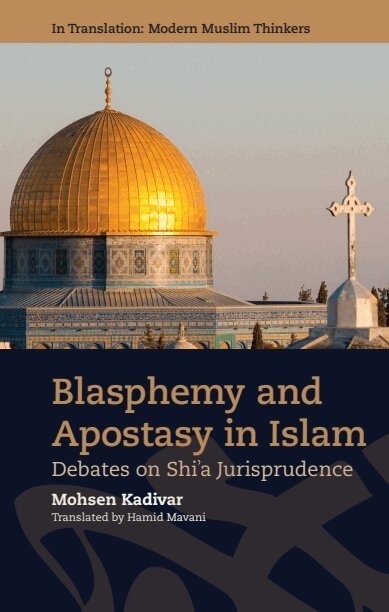
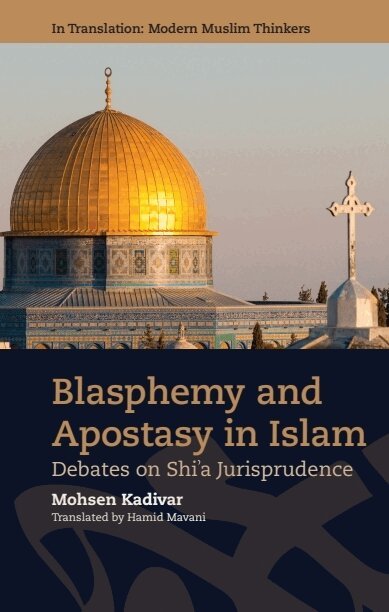
Is it lawful to shed the blood of someone who insults the Prophet Muhammad? Does the Qu’ran stipulate a worldly punishment for apostates? This book tells the gripping story of Rāfiq Taqī, an Azerbaijani journalist and writer, who was condemned to death by an Iranian cleric for a blasphemous news article in 2006. Delving into the Qu’ran and Hadith – the most sacred sources for all Muslims – Mohsen Kadivar explores the subject of blasphemy and apostasy from the perspective of Shi’a jurisprudence to articulate a polarisation between secularism and extremist religious orthodoxy. In a series of online exchanges, he debates the case with Muhammad Jawad Fazel, the son of Grand Ayatollah Fazel Lankarānī who issued the fatwa pronouncing death penalty on Taqī. While disapproving of the journalist’s writings, Kadivar takes a defensive stance against vigilante murders and asks whether death for apostasy reflects the true spirit of Islam.
705 kr
Skickas inom 3-6 vardagar
Published in Association with the Aga Khan University Institute for the Study of Muslim CivilisationsTake a front-row seat to the debate on blasphemy and apostasy in IslamPresents a back-and-forth debate between two modern Shi'a jurists (one conservative, one reformist) that locates the exact points of controversy surrounding apostasy and blasphemyEngages with the broader subjects of religious freedom and human rights, addressing both secular and religious interestsArticulates the secular religious divide and proposes a pluralistic solution, making a case that apostasy and blasphemy are non-existent in the Qu'ranPacked with translations of primary sources, including fatwas and interviews, that allow English-speaking readers to understand the arguments advanced by both parties in the debateIs it lawful to shed the blood of someone who insults the Prophet Muhammad? Does the Qu'ran stipulate a worldly punishment for apostates? This book tells the gripping story of R?fiq Taq?, an Azerbaijani journalist and writer, who was condemned to death by an Iranian cleric for a blasphemous news article in 2006. Delving into the Qu'ran and Hadith the most sacred sources for all Muslims Mohsen Kadivar explores the subject of blasphemy and apostasy from the perspective of Shi'a jurisprudence to articulate a polarisation between secularism and extremist religious orthodoxy. In a series of online exchanges, he debates the case with Muhammad Jawad Fazel, the son of Grand Ayatollah Fazel Lankar?n? who issued the fatwa pronouncing death penalty on Taq?. While disapproving of the journalist's writings, Kadivar takes a defensive stance against vigilante murders and asks whether death for apostasy reflects the true spirit of Islam.