Ali Abdel Razek – författare
Visar alla böcker från författaren . Handla med fri frakt och snabb leverans.
2 produkter
2 produkter
Häftad, Engelska, 2013
554 kr
Skickas inom 3-6 vardagar
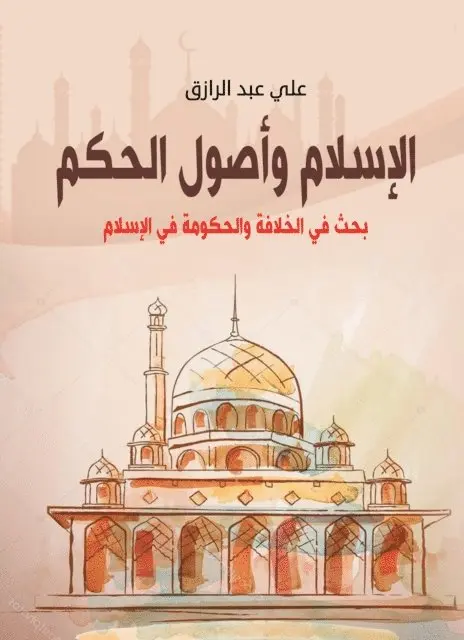
Egypt, 1925: the Muslim world is in turmoil over Mustapha Kamal Ataturk's proposed abolition of the caliphate in Turkey. The tension surrounding Islam and politics re-ignites as traditional political systems dissolve under pressure from European powers and most Muslim countries lose their sovereignty. Into this debate enters Ali Abdel Razek, a religious cleric trained at Al-Azhar University, arguing in favour of secularism in his essay 'Islam and the Foundations of Political Power', translated here for the first time. This edition includes a contextualising introduction, Razek's original footnotes and new explanatory notes, additional notes about particular people, events and vocabulary that may be unfamiliar to modern readers, and an appendix with a list of Razek's sources and their full publication details.
E-bok
Arabiska, 202531 kr
Läs direkt efter köp
In the Muslim tongue, caliphate is synonymous with imamate, and it means "general leadership in religious and worldly affairs on behalf of the Prophet, may God bless him and grant him peace." Imamate is the succession of an individual to the Messenger, may God bless him and grant him peace, in establishing the legal laws and preserving the religious authority in a way that must be followed by the entire nation.The explanation for this is what Ibn Khaldun said: "The caliphate is to hold everyone to the Shari''a''s requirement of considering their hereafter and worldly interests due to it, since the conditions of this world are all due according to the Shari''a to their consideration of the interests of the hereafter, so it is, in fact, a caliphate from the owner of the Shari''a in guarding religion and pursuing worldly affairs in it."The book "Islam and the Principles of Governance" by the thinker Sheikh Ali Abd al-Razzaq still raises a lot of discussion, even though its first edition was published in 1925 AD, and it caused a great uproar because of its rejection of the idea of the caliphate and the call for a civil state.