Indigenous and Environmental Social Work - Böcker
Visar alla böcker i serien Indigenous and Environmental Social Work. Handla med fri frakt och snabb leverans.
10 produkter
10 produkter
2 317 kr
Skickas inom 10-15 vardagar
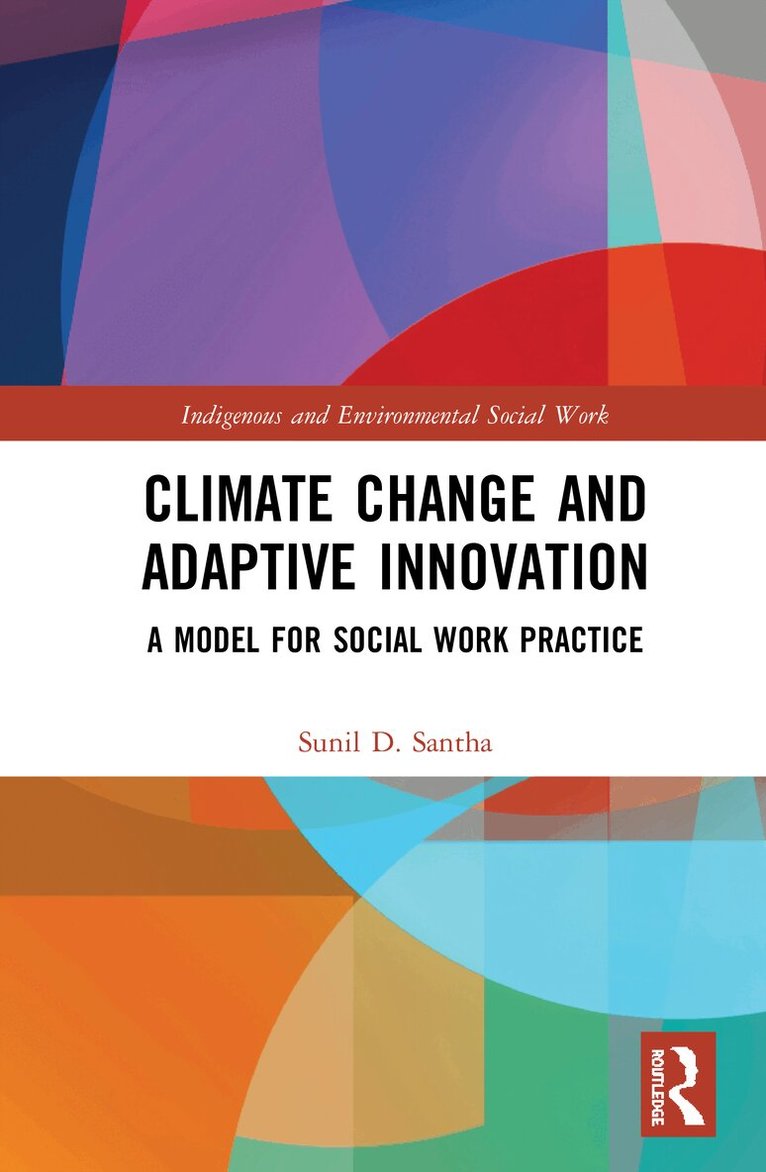
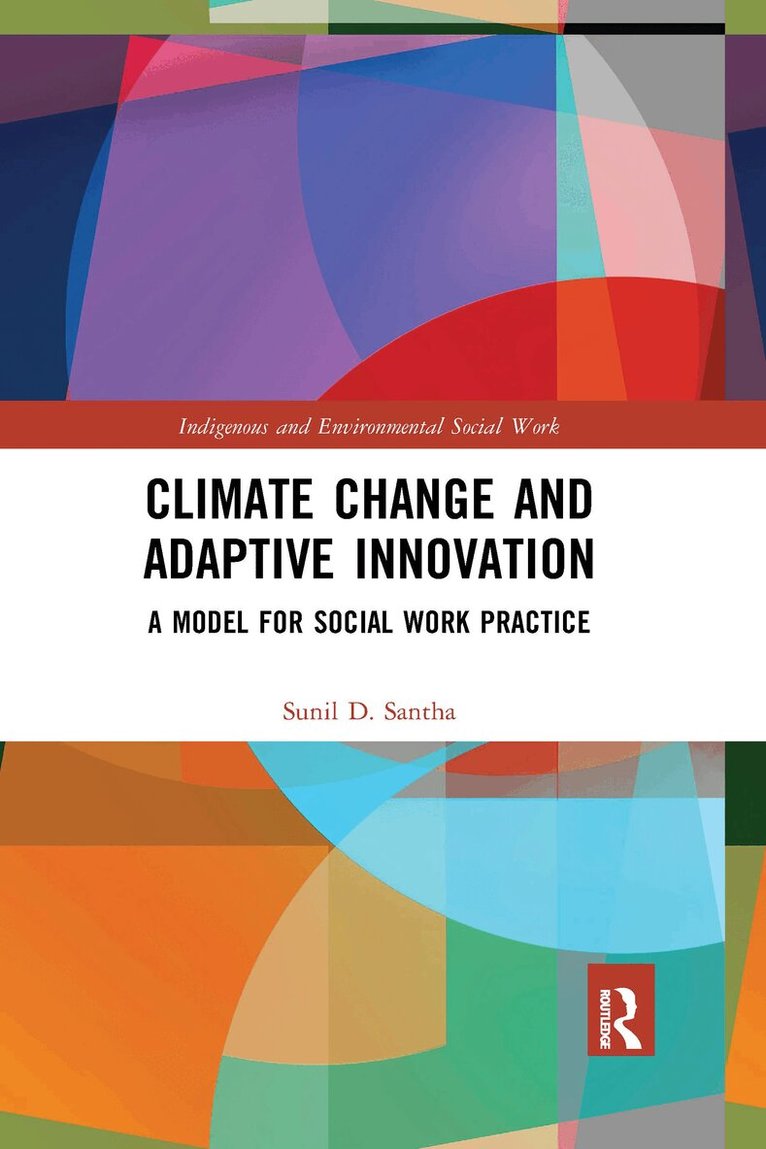
The world is witnessing climate change. As responsible citizens of planet earth, we can actively participate in the co-creation of actionable knowledge and solutions. There may not be a single and linear pathway to adaptation anymore. This book explores multiple and iterative pathways of adapting to climate change and its impacts. Climate Change and Adaptive Innovation introduces an adaptive innovation model that has its premise on core values of justice, care and solidarity. Navigating collectively through shared conversations and dialogic processes, this model showcases how we could embark on an enduring journey where diverse actors could collaboratively make informed choices and take necessary actions to enhance the safety and security of their lived environment. Rooted in action research, it is envisaged that this model could enable us to facilitate the designing and implementation of people-centred ethical adaptation projects. This book will be of interest to social workers, social scientists and development practitioners who are engaged in the field of climate justice, adaptation, social innovation and sustainable livelihoods. Social work educators and students will certainly draw inspiration from the stories that are shared in this book. It will further motivate many transdisciplinary professionals to engage with action research as a method of innovation, reflection and practice
2 113 kr
Skickas inom 10-15 vardagar
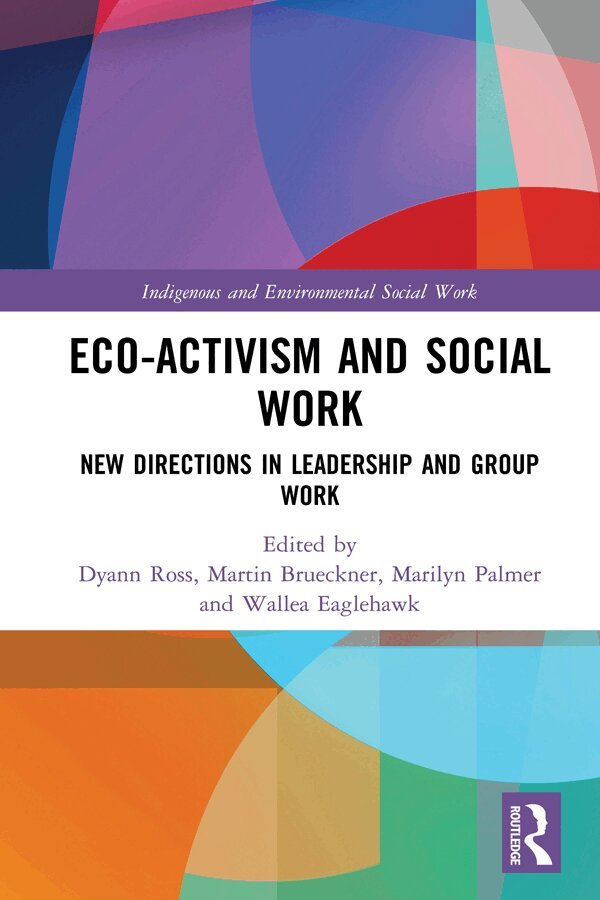
Social workers are called upon to shift from a human-centric bias to an ecological ethical sensibility by embracing love as integral to their justice mission and by extending the idea of social justice to include environmental and species justice. This book presents the love ethic model as a way to do eco-justice work using public campaigns, research, community arts practice and other nonviolent, direct action strategies. The model is premised on an active and ongoing commitment to the eco-values of love, eco-justice and nonviolence for the purpose of upholding the public interest. The love ethic model is informed by the stories of eco-activists who used nonviolent actions to address ecological issues such as: pollution; degradation of the environment; exploitation of farm animals; mining industry overriding First Nation Peoples’ land rights; and human health and social costs related to the natural resource industries, private land developments and government infrastructure projects. Informed by practice insights by activists from a range of eco-justice concerns, this innovative book provides new directions in social work and environmental studies involving transformational change leadership and dialogical group work between interest groups. It should be considered essential reading for social work students, researchers and practitioners as well as eco-activists more generally.
578 kr
Skickas inom 10-15 vardagar
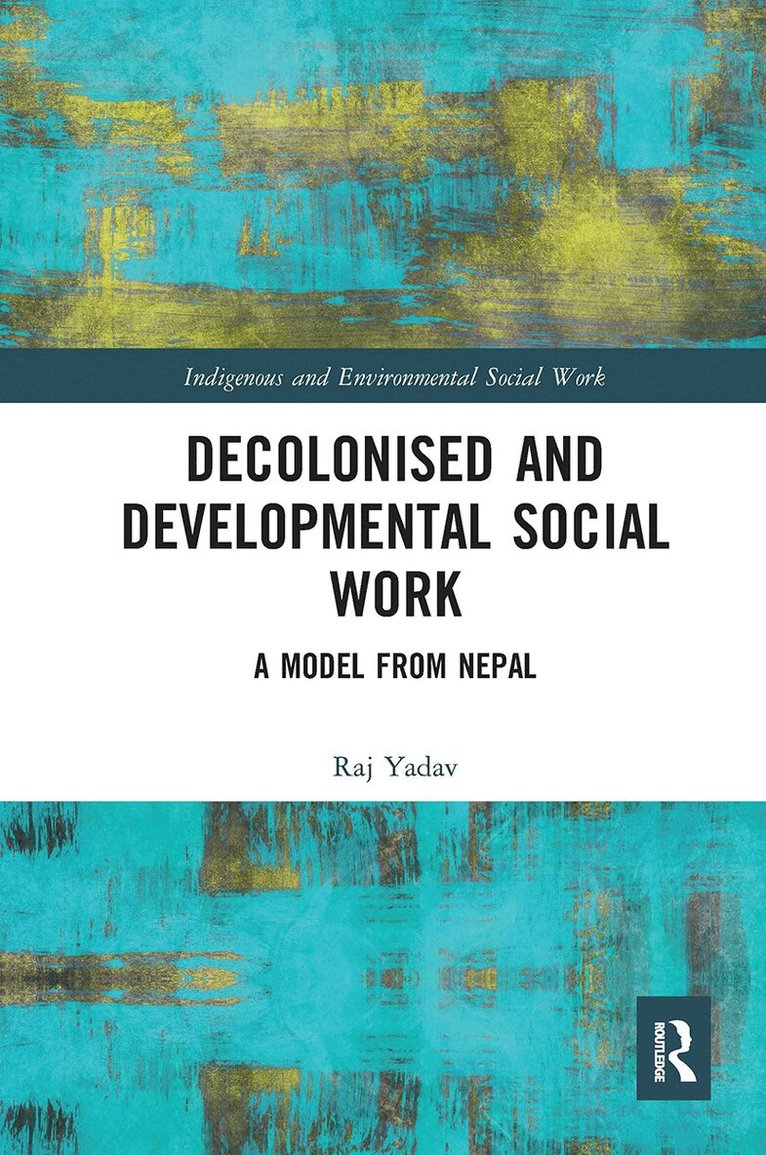
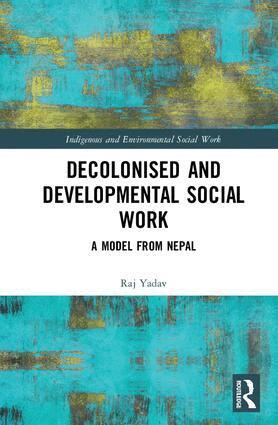
This is the first book to cover existing debates on decolonising and developmental social work whilst equipping readers with the understanding of how to translate the idea of decolonisation of social work into practice. Using new empirical data and an extensive detail of social, cultural, and political dimensions of Nepal, the author proposes a new model of ‘decolonised and developmental social work’ that can be applicable to a wide range of countries and cultures.By using interviews with Nepali social workers, this text goes beyond mere theoretical approaches and uniquely positions itself in a way that embraces rigorous bottom-up, grounded theory method. It will also further ongoing debates on globalisation-localisation, universalisation-contextualisation, outsider-insider perspectives, neoliberal-rights and justice oriented social work, and above all, colonisation-decolonisation of social work knowledge and practice. It also promotes solidarity of, and the struggle for, progress for those in the margins of Western social work and development narrative through an emerging theory-praxis of decolonised and developmental social work.Decolonised and Developmental Social Work is essential reading for students, academics, and researchers of social work and development studies, as well as those striving for a decolonial worldview.
578 kr
Skickas inom 10-15 vardagar
Social workers are called upon to shift from a human-centric bias to an ecological ethical sensibility by embracing love as integral to their justice mission and by extending the idea of social justice to include environmental and species justice. This book presents the love ethic model as a way to do eco-justice work using public campaigns, research, community arts practice and other nonviolent, direct action strategies. The model is premised on an active and ongoing commitment to the eco-values of love, eco-justice and nonviolence for the purpose of upholding the public interest. The love ethic model is informed by the stories of eco-activists who used nonviolent actions to address ecological issues such as: pollution; degradation of the environment; exploitation of farm animals; mining industry overriding First Nation Peoples’ land rights; and human health and social costs related to the natural resource industries, private land developments and government infrastructure projects. Informed by practice insights by activists from a range of eco-justice concerns, this innovative book provides new directions in social work and environmental studies involving transformational change leadership and dialogical group work between interest groups. It should be considered essential reading for social work students, researchers and practitioners as well as eco-activists more generally.
578 kr
Skickas inom 10-15 vardagar
The world is witnessing climate change. As responsible citizens of planet earth, we can actively participate in the co-creation of actionable knowledge and solutions. There may not be a single and linear pathway to adaptation anymore. This book explores multiple and iterative pathways of adapting to climate change and its impacts. Climate Change and Adaptive Innovation introduces an adaptive innovation model that has its premise on core values of justice, care and solidarity. Navigating collectively through shared conversations and dialogic processes, this model showcases how we could embark on an enduring journey where diverse actors could collaboratively make informed choices and take necessary actions to enhance the safety and security of their lived environment. Rooted in action research, it is envisaged that this model could enable us to facilitate the designing and implementation of people-centred ethical adaptation projects. This book will be of interest to social workers, social scientists and development practitioners who are engaged in the field of climate justice, adaptation, social innovation and sustainable livelihoods. Social work educators and students will certainly draw inspiration from the stories that are shared in this book. It will further motivate many transdisciplinary professionals to engage with action research as a method of innovation, reflection and practice
2 113 kr
Skickas inom 10-15 vardagar
This book addresses a recurrent gap in social work literature by examining Ubuntu as an Indigenous African philosophy that informs social work beyond the largely residual and individualistic conceptualisation of social work that currently prevails in many contexts. Owing to the lack of social work theories, models and generally, literature that is locally and contextually relevant, most social work lecturers based in African context, struggle to access learning materials and texts that centre local indigenous voices and worldviews. It is within this context that the ubuntu philosophy has gained traction. There is increasing consensus that Ubuntu as an African philosophy and way of life, has the potential to be used as a decolonising framework for social work education and practice. Theorising from Ubuntu can influence and be the foundation for African social work theory and knowledge, social work values and ethics, social work research and policy, and Ubuntu informing different fields of social work practice like social work with older people, children and young people, ubuntu and poverty alleviation, ubuntu and the environment, among others. Drawing together social workers engaged in education, research, policy, practice, to theorise Ubuntu and its tenets, philosophies, and values, this book shows how it can be a foundation for a decolonised, more relevant social work education and practice in African contexts.
581 kr
Skickas inom 10-15 vardagar
This book addresses a recurrent gap in social work literature by examining Ubuntu as an Indigenous African philosophy that informs social work beyond the largely residual and individualistic conceptualisation of social work that currently prevails in many contexts. Owing to the lack of social work theories, models and generally, literature that is locally and contextually relevant, most social work lecturers based in African context, struggle to access learning materials and texts that centre local indigenous voices and worldviews. It is within this context that the ubuntu philosophy has gained traction. There is increasing consensus that Ubuntu as an African philosophy and way of life, has the potential to be used as a decolonising framework for social work education and practice. Theorising from Ubuntu can influence and be the foundation for African social work theory and knowledge, social work values and ethics, social work research and policy, and Ubuntu informing different fields of social work practice like social work with older people, children and young people, ubuntu and poverty alleviation, ubuntu and the environment, among others. Drawing together social workers engaged in education, research, policy, practice, to theorise Ubuntu and its tenets, philosophies, and values, this book shows how it can be a foundation for a decolonised, more relevant social work education and practice in African contexts.
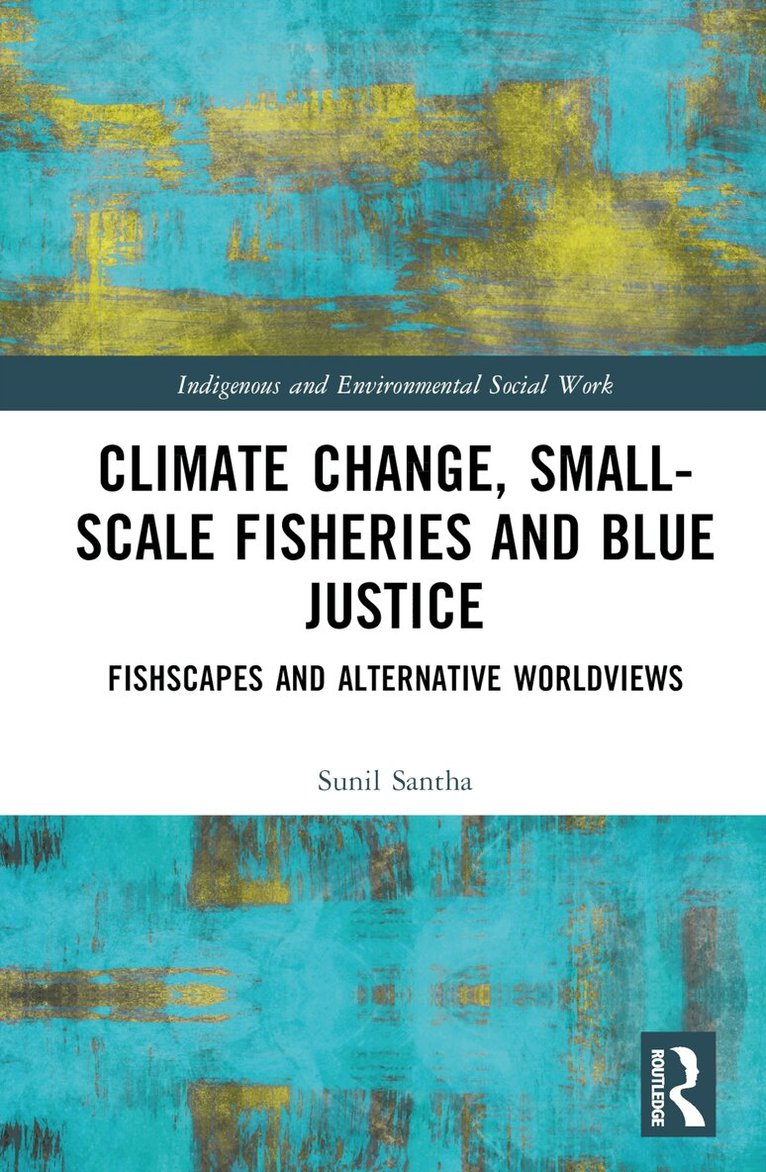
Climate Change, Small-Scale Fisheries, and Blue Justice
Fishscapes and Alternative Worldviews
Inbunden, Engelska, 2023
1 909 kr
Skickas inom 10-15 vardagar
This book is a narrative non-fiction, based on the patchy epistemologies of traditional small-scale fishers in India and the Indian Ocean region. It specifically explores the impact of climate change on Fish and Fishers, and the mutual entanglements in their eco-social world. Further, it critically examines the nature of climate change adaptation and its implications on small-scale fisheries. Both climate change impact and adaptation responses are examined from the situated knowledge and everyday lived experiences of Fishers. Stories of their everyday struggles from diverse eco-social worlds shape these patchy epistemologies. Further, this book through these stories unearths the transitions in governance and changing relationships between Fish, Fishers, and the rest of the eco-social world. Responding ethically to the problems of climate change, warming oceans, fish scarcity, overfishing, and pollution requires us to break away from the paradigms that locate Nature and Society as binaries and commodities. Blue justice can be achieved only if strategies aimed at adaptation, conservation and well-being are dialogical, inclusive, and Fish-Fisher centred. This book offers insights into the worldviews of Fishers and their stewardship, wisdom, and experience in healing today’s warming world. Locating the eco-social worlds of Fish and Fishers in alternative worldviews, this book strives to find meaningful pathways for just transitions. It will be of interest to academics and researchers working in the field of climate change, fisheries, disaster studies, and sustainable livelihoods as well as related subjects of social work and social justice.
Climate Change, Small-Scale Fisheries, and Blue Justice
Fishscapes and Alternative Worldviews
Häftad, Engelska, 2024
595 kr
Skickas inom 10-15 vardagar
This book is a narrative non-fiction, based on the patchy epistemologies of traditional small-scale fishers in India and the Indian Ocean region. It specifically explores the impact of climate change on Fish and Fishers, and the mutual entanglements in their eco-social world. Further, it critically examines the nature of climate change adaptation and its implications on small-scale fisheries. Both climate change impact and adaptation responses are examined from the situated knowledge and everyday lived experiences of Fishers. Stories of their everyday struggles from diverse eco-social worlds shape these patchy epistemologies. Further, this book through these stories unearths the transitions in governance and changing relationships between Fish, Fishers, and the rest of the eco-social world. Responding ethically to the problems of climate change, warming oceans, fish scarcity, overfishing, and pollution requires us to break away from the paradigms that locate Nature and Society as binaries and commodities. Blue justice can be achieved only if strategies aimed at adaptation, conservation and well-being are dialogical, inclusive, and Fish-Fisher centred. This book offers insights into the worldviews of Fishers and their stewardship, wisdom, and experience in healing today’s warming world. Locating the eco-social worlds of Fish and Fishers in alternative worldviews, this book strives to find meaningful pathways for just transitions. It will be of interest to academics and researchers working in the field of climate change, fisheries, disaster studies, and sustainable livelihoods as well as related subjects of social work and social justice.
2 113 kr
Skickas inom 10-15 vardagar
This is the first book to cover existing debates on decolonising and developmental social work whilst equipping readers with the understanding of how to translate the idea of decolonisation of social work into practice. Using new empirical data and an extensive detail of social, cultural, and political dimensions of Nepal, the author proposes a new model of ‘decolonised and developmental social work’ that can be applicable to a wide range of countries and cultures.By using interviews with Nepali social workers, this text goes beyond mere theoretical approaches and uniquely positions itself in a way that embraces rigorous bottom-up, grounded theory method. It will also further ongoing debates on globalisation-localisation, universalisation-contextualisation, outsider-insider perspectives, neoliberal-rights and justice oriented social work, and above all, colonisation-decolonisation of social work knowledge and practice. It also promotes solidarity of, and the struggle for, progress for those in the margins of Western social work and development narrative through an emerging theory-praxis of decolonised and developmental social work.Decolonised and Developmental Social Work is essential reading for students, academics, and researchers of social work and development studies, as well as those striving for a decolonial worldview.