Indigenous Imaginings - Böcker
Visar alla böcker i serien Indigenous Imaginings. Handla med fri frakt och snabb leverans.
2 produkter
2 produkter
372 kr
Skickas inom 7-10 vardagar
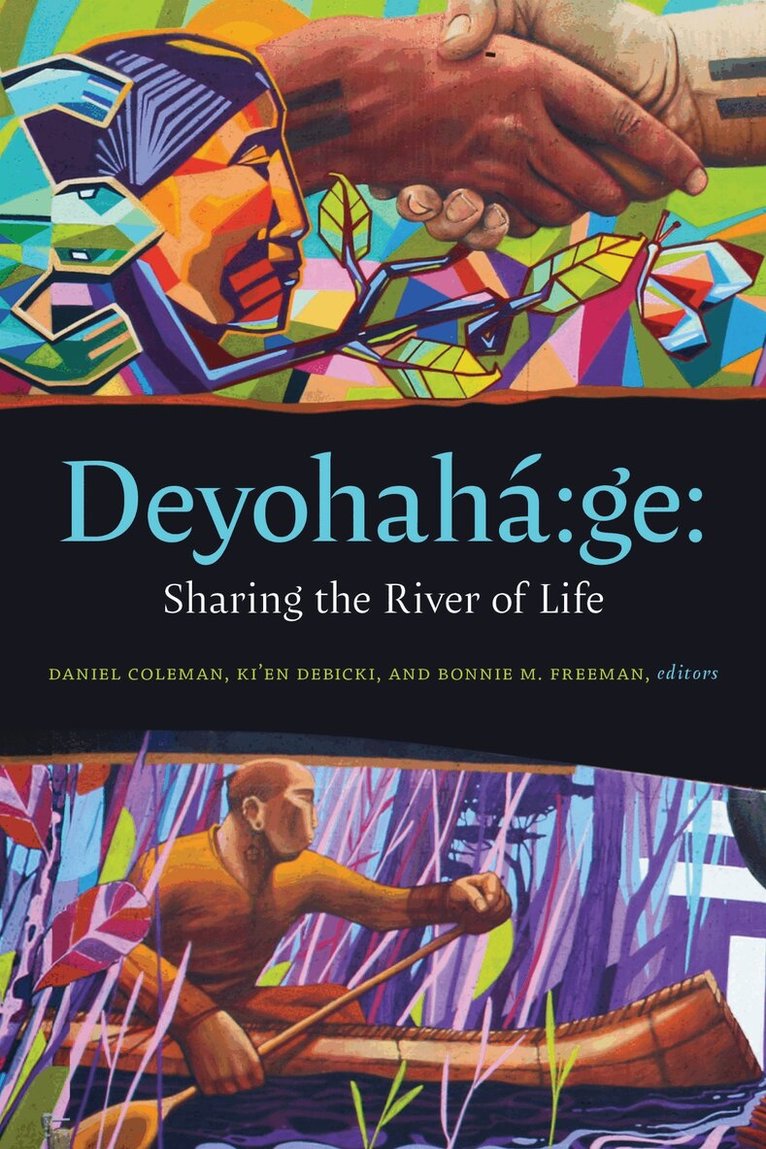
Deyohahá:ge:, “two roads or paths” in Cayuga language, evokes the Covenant Chain-Two Row Wampum, known as the “grandfather of the treaties.” Famously, this Haudenosaunee wampum agreement showed how Indigenous people and newcomers could build peace and friendship by respecting each other’s cultures, beliefs, and laws as they shared the river of life. Written by members of Six Nations and their neighbours, this book’s chapters introduce readers not only to the 17th-century history of how the Dutch and British joined the wampum agreement, but also to how it might restore good relations today. Many Canadians and Americans have never heard of the Covenant Chain or Two Row Wampum, but 200 years of disregard have not obliterated the covenant. We all need to learn about this foundational wampum, because it is resurging in our communities, institutions, and courthouses—charting a way to a future.The writers of Deyohahá:ge: delve into the eco-philosophy, legal evolution, and ethical protocols of two-path peace-making. They tend the sacred, ethical space that many of us navigate between these paths. They show how people today create peace, friendship, and respect—literally—on the river of everyday life.
335 kr
Skickas inom 7-10 vardagar
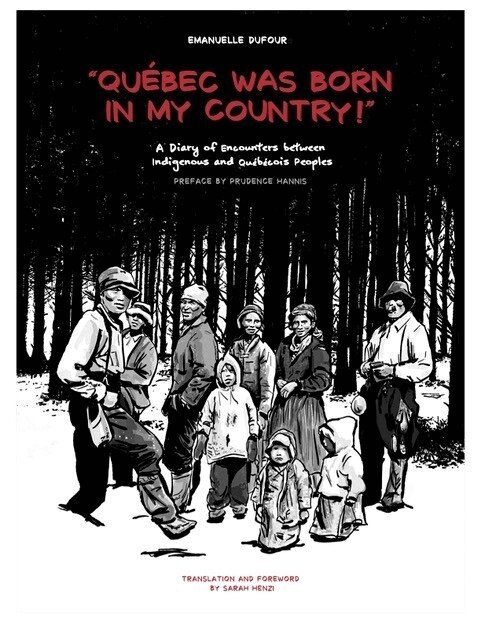
In 2004, settler scholar Emanuelle Dufour became aware of a “silence” with regard to residential schools and ongoing colonialism, systemic racism, inadequate curricular material in schools, and sought to find answers by meeting with community members, Elders, spokespeople, students, professionals, families, and many others.Dufour is an artist at heart, and the product of her findings became a “carnet de rencontres,” a notebook of coming-togethers, in which her fifty interlocutors are rendered “speaking,” quite literally, on and within the pages, while advocating for the importance of Indigenous cultural security within the education system. Their presence is undeniable, and their voices carry the narrative.Originally published as C'est le Québec qui est né dans mon pays!, this translation creates a bridge, from one colonial language to another, that will enable conversations across and beyond spaces and languages. It aims to shed light on colonial mainstream narratives in Canada and, more precisely, in Québec, by considering the politics of linguistic hegemony and the double exiguity that Indigenous peoples often find themselves in, calling for a better understanding of how the province’s specific colonial history has had a profound and continued impact on its 11 Indigenous Nations. This book’s unusual (academically-speaking) form as a “carnet”, or diary, becomes an anthology of statements of witnessing, which, coupled with the illustrative narrative, bears its decolonizing mission. Quebec Was Born in My Country! ultimately is about foregrounding common and collective experiences, with the crucial goal of furthering education.