Ingrid G. Houck Series in Food and Foodways – serie
Visar alla böcker i serien Ingrid G. Houck Series in Food and Foodways. Handla med fri frakt och snabb leverans.
6 produkter
6 produkter
1 239 kr
Skickas inom 7-10 vardagar
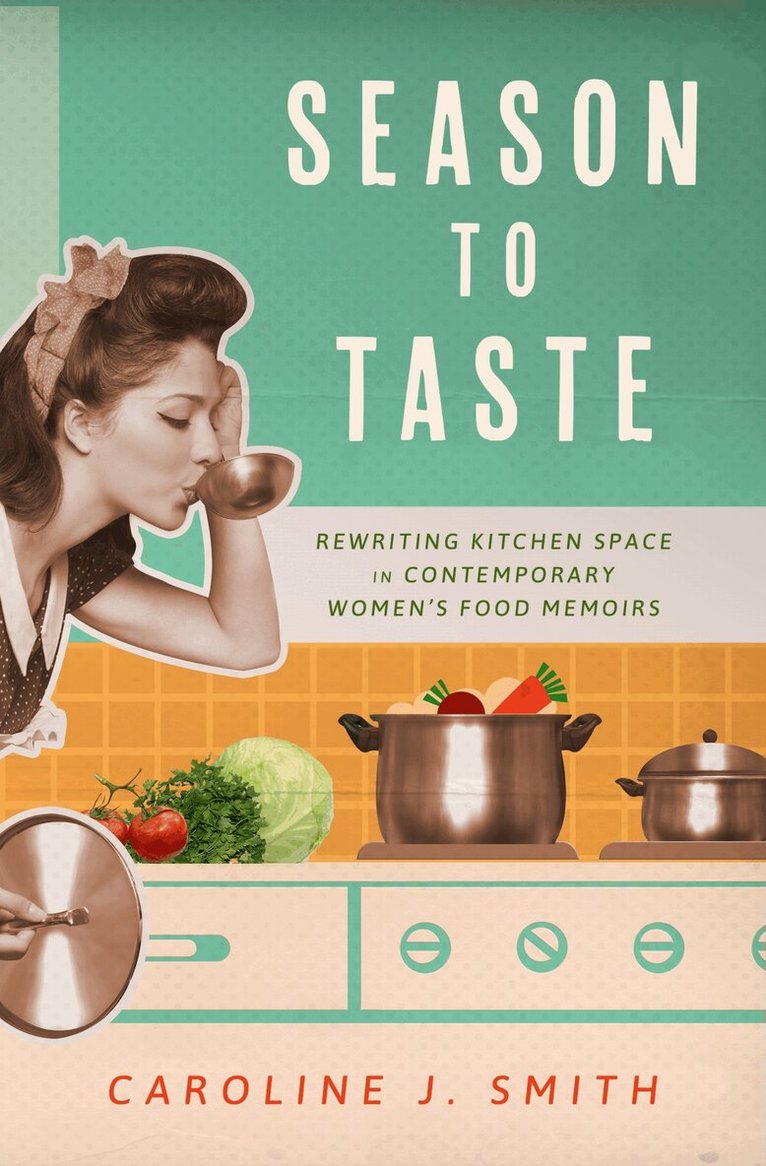
Between 2000 and 2010, many contemporary US-American women writers were returning to the private space of the kitchen, writing about their experiences in that space and then publishing their memoirs for the larger public to consume. Season to Taste: Rewriting Kitchen Space in Contemporary Women’s Food Memoirs explores women’s food memoirs with recipes in order to consider the ways in which these women are rewriting this kitchen space and renegotiating their relationships with food.Caroline J. Smith begins the book with a historical overview of how the space of the kitchen, and the expectations of women associated with it, have shifted considerably since the 1960s. Better Homes and Gardens, as well as the discourse of the second-wave feminist movement, tended to depict the space as a place of imprisonment. The contemporary popular writers examined in Season to Taste, such as Ruth Reichl, Kim Sunée, Jocelyn Delk Adams, Julie Powell, and Molly Wizenberg, respond to this characterization by instead presenting the kitchen as a place of transformation. In their memoirs and recipes, these authors reinterpret their roles within the private sphere of the home as well as the public sphere of the world of publishing (whether print or digital publication). The authors examined here explode the divide of private/feminine and public/masculine in both content and form and complicate the genres of recipe writing, diary writing, and memoir. These women writers, through the act of preparing and consuming food, encourage readers to reconsider the changing gender politics of the kitchen.
385 kr
Skickas inom 7-10 vardagar
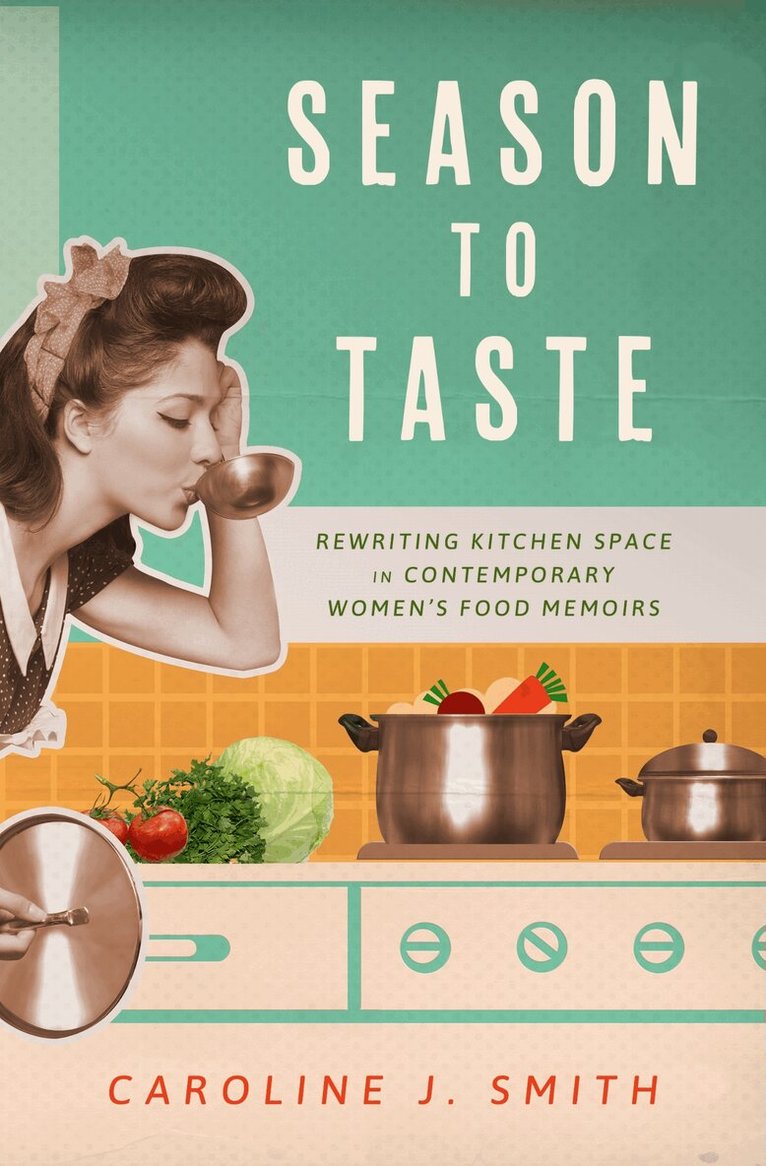
Between 2000 and 2010, many contemporary US-American women writers were returning to the private space of the kitchen, writing about their experiences in that space and then publishing their memoirs for the larger public to consume. Season to Taste: Rewriting Kitchen Space in Contemporary Women’s Food Memoirs explores women’s food memoirs with recipes in order to consider the ways in which these women are rewriting this kitchen space and renegotiating their relationships with food.Caroline J. Smith begins the book with a historical overview of how the space of the kitchen, and the expectations of women associated with it, have shifted considerably since the 1960s. Better Homes and Gardens, as well as the discourse of the second-wave feminist movement, tended to depict the space as a place of imprisonment. The contemporary popular writers examined in Season to Taste, such as Ruth Reichl, Kim Sunée, Jocelyn Delk Adams, Julie Powell, and Molly Wizenberg, respond to this characterization by instead presenting the kitchen as a place of transformation. In their memoirs and recipes, these authors reinterpret their roles within the private sphere of the home as well as the public sphere of the world of publishing (whether print or digital publication). The authors examined here explode the divide of private/feminine and public/masculine in both content and form and complicate the genres of recipe writing, diary writing, and memoir. These women writers, through the act of preparing and consuming food, encourage readers to reconsider the changing gender politics of the kitchen.
1 167 kr
Skickas inom 7-10 vardagar
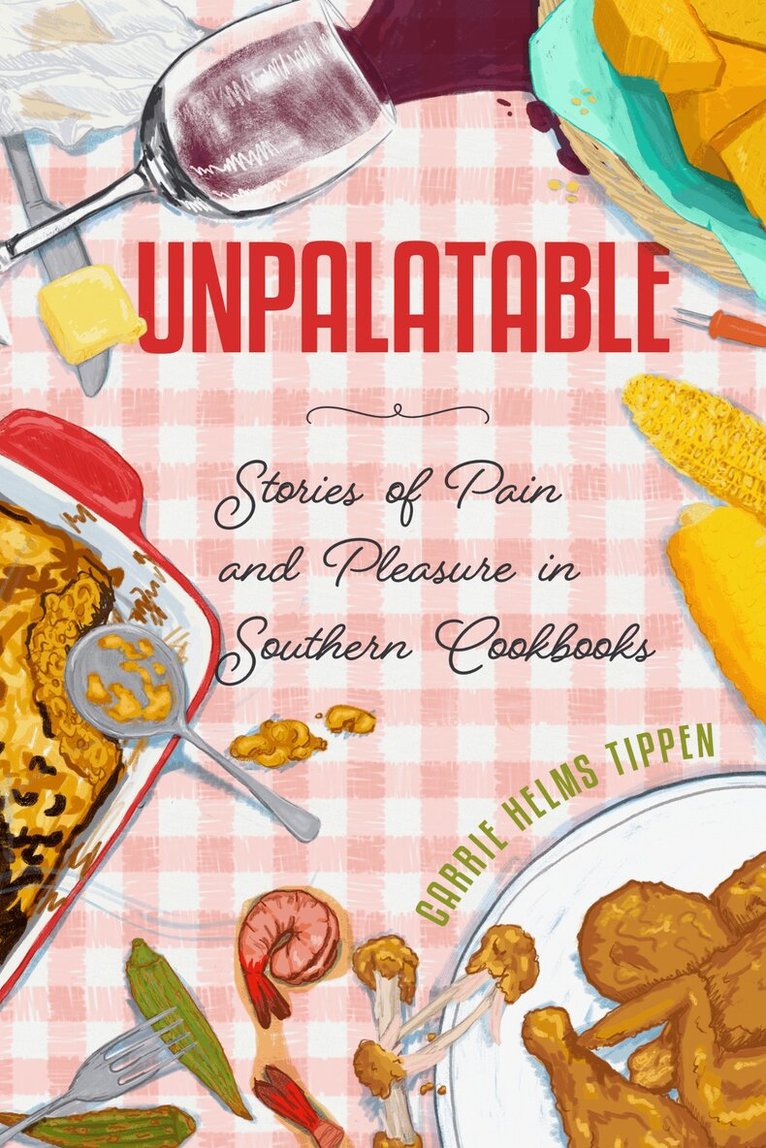
The cookbook genre is highly conventional with an orientation toward celebration and success. From glossy photographs to heartwarming stories and adjective-rich ingredient lists, their tradition primes readers for pleasure. Yet the overarching narrative of the region is often one of pain, loss, privation, exploitation, poverty, and suffering of various kinds. While some cookbook writers go to great lengths to avoid reminding readers of this painful past, others invoke that pain as a marker of southern authenticity. Still others use stories of southern suffering as an opportunity to make space for reconciliation, reparation, or apology for past wrongs.In Unpalatable: Stories of Pain and Pleasure in Southern Cookbooks, author Carrie Helms Tippen attempts to understand the unique rhetorical situation of the southern cookbook as it negotiates a tension between the expectations of the genre and the prevailing metanarratives of the southern experience, one focused on pleasure and the other rooted in pain. Through an analysis of commercially published "southern" cookbooks from the 1990s to the present, Tippen examines the range of rhetorical purposes and strategies writers have employed, some of which undermine the reality of a painful past and cause harm or violence, and others which serve as tools for truth and reconciliation.
310 kr
Skickas inom 7-10 vardagar
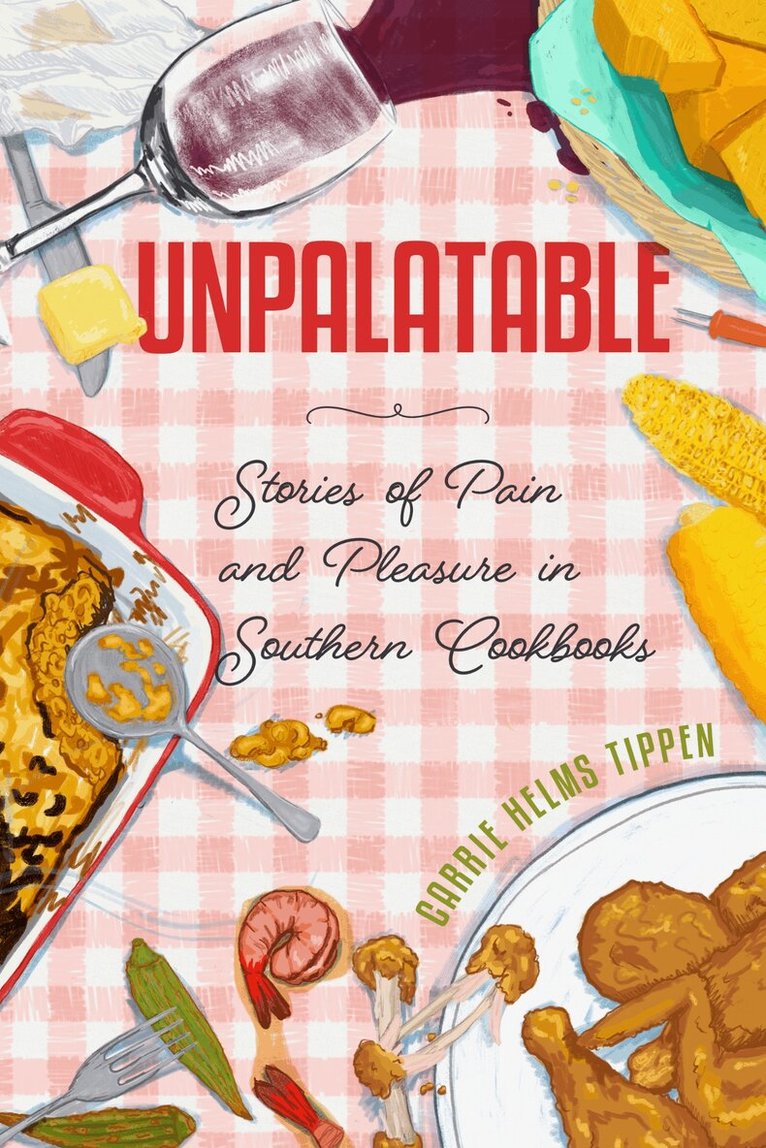
The cookbook genre is highly conventional with an orientation toward celebration and success. From glossy photographs to heartwarming stories and adjective-rich ingredient lists, their tradition primes readers for pleasure. Yet the overarching narrative of the region is often one of pain, loss, privation, exploitation, poverty, and suffering of various kinds. While some cookbook writers go to great lengths to avoid reminding readers of this painful past, others invoke that pain as a marker of southern authenticity. Still others use stories of southern suffering as an opportunity to make space for reconciliation, reparation, or apology for past wrongs.In Unpalatable: Stories of Pain and Pleasure in Southern Cookbooks, author Carrie Helms Tippen attempts to understand the unique rhetorical situation of the southern cookbook as it negotiates a tension between the expectations of the genre and the prevailing metanarratives of the southern experience, one focused on pleasure and the other rooted in pain. Through an analysis of commercially published "southern" cookbooks from the 1990s to the present, Tippen examines the range of rhetorical purposes and strategies writers have employed, some of which undermine the reality of a painful past and cause harm or violence, and others which serve as tools for truth and reconciliation.
1 078 kr
Kommande
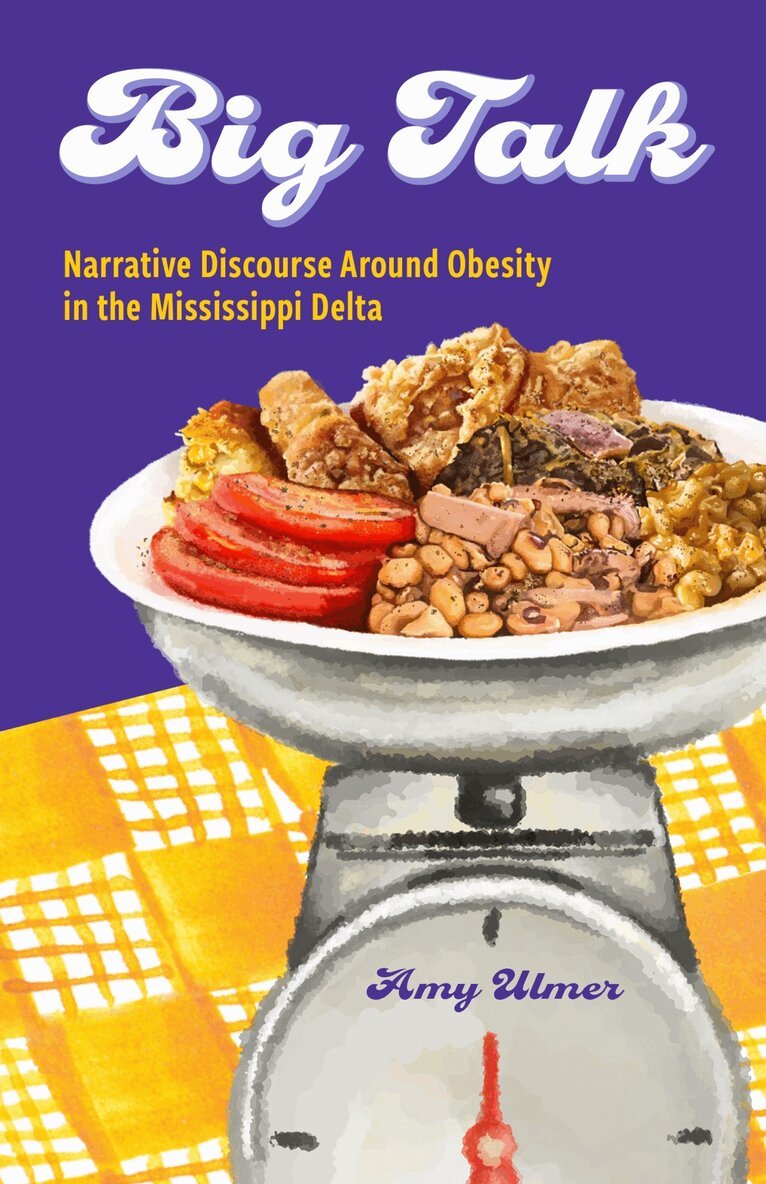
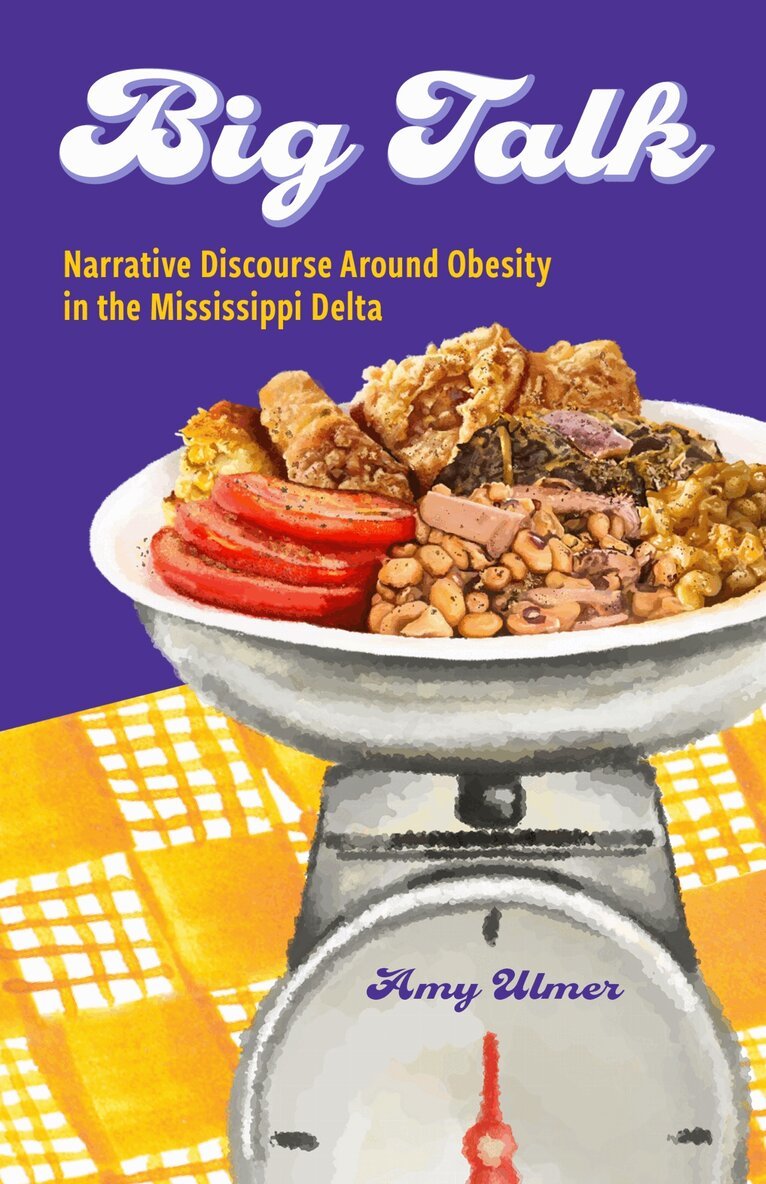
Popular and clinical discussions of obesity in the Mississippi Delta often highlight the region’s "unhealthy" food culture and lifestyle as explanations for what is considered a severe obesity epidemic. In Big Talk: Narrative Discourse Around Obesity in the Mississippi Delta, author Amy Ulmer examines how these narratives about obesity in the Delta obscure the region’s deep structural inequalities by framing poor health as the result of individual choices. Ulmer names this discourse "Delta obesity talk" and traces its circulation through media coverage, clinical literature, and public health campaigns targeting the Lower Mississippi River Delta. By centering such individual behaviors as diet, exercise, and lifestyle, these narratives redirect attention away from systemic issues and onto individual bodies. Ulmer demonstrates that Delta obesity talk regionalizes, moralizes, and racializes national obesity narratives by stressing personal responsibility, threatening escalating health care costs, blaming modern fast food and technology, and framing health in terms of "access" to resources. Within the Delta, these themes are further inflected by stereotypes of Southern and Delta culture, including notions of a "slower pace of life" and a tradition of unhealthy cuisine, which work to naturalize and obscure longstanding social and economic inequities. Offering a regional perspective largely missing from existing scholarship, Ulmer’s analysis reveals how health narratives are never just medical, but also cultural, historical, and political, shaping how we understand bodies, blame, and inequality in America.
246 kr
Kommande
Popular and clinical discussions of obesity in the Mississippi Delta often highlight the region’s "unhealthy" food culture and lifestyle as explanations for what is considered a severe obesity epidemic. In Big Talk: Narrative Discourse Around Obesity in the Mississippi Delta, author Amy Ulmer examines how these narratives about obesity in the Delta obscure the region’s deep structural inequalities by framing poor health as the result of individual choices. Ulmer names this discourse "Delta obesity talk" and traces its circulation through media coverage, clinical literature, and public health campaigns targeting the Lower Mississippi River Delta. By centering such individual behaviors as diet, exercise, and lifestyle, these narratives redirect attention away from systemic issues and onto individual bodies. Ulmer demonstrates that Delta obesity talk regionalizes, moralizes, and racializes national obesity narratives by stressing personal responsibility, threatening escalating health care costs, blaming modern fast food and technology, and framing health in terms of "access" to resources. Within the Delta, these themes are further inflected by stereotypes of Southern and Delta culture, including notions of a "slower pace of life" and a tradition of unhealthy cuisine, which work to naturalize and obscure longstanding social and economic inequities. Offering a regional perspective largely missing from existing scholarship, Ulmer’s analysis reveals how health narratives are never just medical, but also cultural, historical, and political, shaping how we understand bodies, blame, and inequality in America.