International Library of Iranian Studies – Serie
Visar alla böcker i serien International Library of Iranian Studies. Handla med fri frakt och snabb leverans.
5 produkter
5 produkter
1 888 kr
Skickas inom 10-15 vardagar
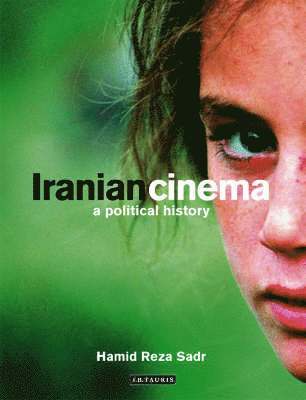
Recent, post-revolutionary Iranian cinema has of course gained the attention of international audiences who have been struck by its powerful, poetic and often explicitly political explorations. Yet mainstream, pre-revolutionary Iranian cinema, with a history stretching back to the early twentieth century, has been perceived in the main as lacking in artistic merit and, crucially, as apolitical in content. This highly readable history of Iran as revealed through the full breadth of its cinema re-reads the films themselves to tell the full story of shifting political, economic and social situations. Sadr argues that embedded within even the seemingly least noteworthy of mainstream Iranian films, we find themes and characterisations which reveal the political contexts of their time and which express the ideological underpinnings of a society. Beginning with the introduction of cinema to Iran through the Iranian monarchy, the book covers the broad spectrum of Iran's cinema, offering vivid descriptions of all key films."Iranian Cinema" looks at recurring themes and tropes, such as the rural versus the 'corrupt' city and, recently, the preponderance of images of childhood, and asks what these have revealed about Iranian society. The author brings the story up to date explaining Iranian filmmaking after the events of September 11, from Mohsen Makhmalbaf's astonishing Kandahar to Saddiq Barmak's angry work Osama, to explore this most recent and breathtaking revival in Iranian cinema.
365 kr
Skickas inom 10-15 vardagar
Recent, post-revolutionary Iranian cinema has of course gained the attention of international audiences who have been struck by its powerful, poetic and often explicitly political explorations. Yet mainstream, pre-revolutionary Iranian cinema, with a history stretching back to the early twentieth century, has been perceived in the main as lacking in artistic merit and, crucially, as apolitical in content. This highly readable history of Iran as revealed through the full breadth of its cinema re-reads the films themselves to tell the full story of shifting political, economic and social situations. Sadr argues that embedded within even the seemingly least noteworthy of mainstream Iranian films, we find themes and characterisations which reveal the political contexts of their time and which express the ideological underpinnings of a society. Beginning with the introduction of cinema to Iran through the Iranian monarchy, the book covers the broad spectrum of Iran's cinema, offering vivid descriptions of all key films."Iranian Cinema" looks at recurring themes and tropes, such as the rural versus the 'corrupt' city and, recently, the preponderance of images of childhood, and asks what these have revealed about Iranian society. The author brings the story up to date explaining Iranian filmmaking after the events of September 11, from Mohsen Makhmalbaf's astonishing Kandahar to Saddiq Barmak's angry work Osama, to explore this most recent and breathtaking revival in Iranian cinema.
1 888 kr
Skickas inom 10-15 vardagar
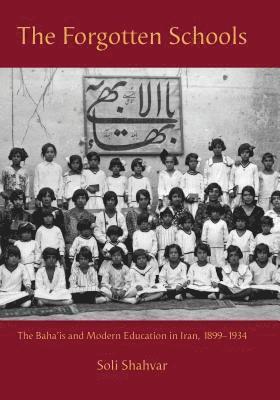
By the end of the nineteenth century it became evident to Iran's ruling Qajar elite that the state's contribution to the promotion of modern education in the country was unable to meet the growing expectations set by Iranian society. Muzaffar al-Din Shah sought to remedy this situation by permitting the entry of the private sector into the field of modern education and in 1899 the first Baha'i school was established in Tehran. By the 1930s there were dozens of Baha'i schools. Their high standards of education drew many non-Baha'i students, from all sections of society.Here Soli Shahvar assesses these 'forgotten schools' and investigates why they proved so popular not only with Baha'is, but Zoroastrians, Jews and especially Muslims. Shahvar explains why they were closed by the reformist Reza Shah in the late 1930s and the subsequent fragility of the Baha'is position in Iran.
1 703 kr
Skickas inom 10-15 vardagar
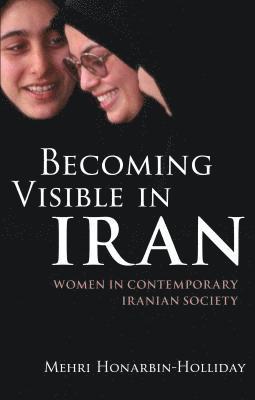
The state of women in Islamic societies is the subject of much interest and heated debate, even as representations in the media rely on inadequate information and misperceptions. "Becoming Visible in Iran" disputes the widespread stereotypes about Muslim women prevalent in the West, providing a vivid account of young women in contemporary Iran. Beginning at home, women are infusing dramatic change by challenging the patriarchal conceptions of their fathers, brothers, uncles and others within the intimate sphere of family and home. Empowered by education, they transport the power of their minds and beginning from the domestic to the public and political.Through detailed interviews and striking narratives, Mehri Honarbin-Holliday presents the experiences of these young women who wield a key if indirect political influence on the seemingly male dominated politics of this society, as they achieve a new visibility. For its direct presentation of women's perspectives as well as its analysis and insight, this book is a vital contribution to our understanding of the lives of Muslim women and the possibilities before them today.This title offers contemporary research on Iran.It provides original fieldwork, including interviews with young Iranian women. It is relevant for Gender Studies and Middle East specialists.
Muslim Shrines and Spiritual Culture in the Perso-Islamic World
Urban and Rural Shrines in Tajikistan
Inbunden, 2026
1 241 kr
Kommande