Intersections in Environmental Justice – Serie
Visar alla böcker i serien Intersections in Environmental Justice. Handla med fri frakt och snabb leverans.
3 produkter
3 produkter
Nature of Hope
Grassroots Organizing, Environmental Justice, and Political Change
Häftad, Engelska, 2019
428 kr
Tillfälligt slut
The Nature of Hope focuses on the dynamics of environmental activism at the local level, examining the environmental and political cultures that emerge in the context of conflict. The book considers how ordinary people have coalesced to demand environmental justice and highlights the powerful role of intersectionality in shaping the on-the-ground dynamics of popular protest and social change. Through lively and accessible storytelling, The Nature of Hope reveals unsung and unstinting efforts to protect the physical environment and human health in the face of continuing economic growth and development and the failure of state and federal governments to deal adequately with the resulting degradation of air, water, and soils. In an age of environmental crisis, apathy, and deep-seated cynicism, these efforts suggest the dynamic power of a “politics of hope” to offer compelling models of resistance, regeneration, and resilience. The contributors frame their chapters around the drive for greater democracy and improved human and ecological health and demonstrate that local activism is essential to the preservation of democracy and the protection of the environment. The book also brings to light new styles of leadership and new structures for activist organizations, complicating assumptions about the environmental movement in the United States that have focused on particular leaders, agencies, thematic orientations, and human perceptions of nature. The critical implications that emerge from these stories about ecological activism are crucial to understanding the essential role that protecting the environment plays in sustaining the health of civil society. The Nature of Hope will be crucial reading for scholars interested in environmentalism and the mechanics of social movements and will engage historians, geographers, political scientists, grassroots activists, humanists, and social scientists alike.
1 057 kr
Skickas inom 5-8 vardagar
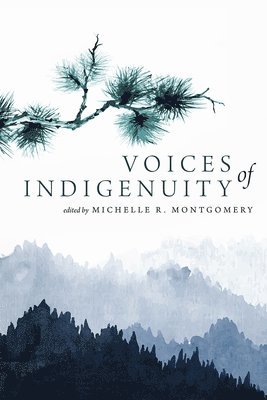
Voices of Indigenuity collects the voices of the Indigenous Speaker Series and multigenerational Indigenous peoples to introduce best practices for traditional ecological knowledge (TEK). In this edited collection, presenters from the series, both within and outside of the academy, examine the ways they have utilized TEK for inclusive teaching practices and in environmental justice efforts.Advocating for and providing an expansion of place-based Indigenized education that infuses Indigenous epistemologies for student success in both K–12 and higher education curricula, these essays explore topics such as land fragmentation, remote sensing, and outreach through the lens of TEK, demonstrating methods of fusing learning with Indigenous knowledge (IK). Contributors emphasize the need to increase the perspectives of IK within institutionalized knowledge beyond being co-opted into non-Indigenous frameworks that may be fundamentally different from Indigenous ways of thinking.Decolonizing current harmful pedagogical curricula and research training about the natural world through an Indigenous- guided approach is an essential first step to rebuilding a healthy relationship with our environment while acknowledging that all relationships come with an ethical responsibility. Voices of Indigenuity captures the complexities of exploring the contextu- alized meanings for why TEK should be integrated into Western environmental science processes and frameworks while rooted in Indigenous studies programs.
463 kr
Skickas inom 5-8 vardagar
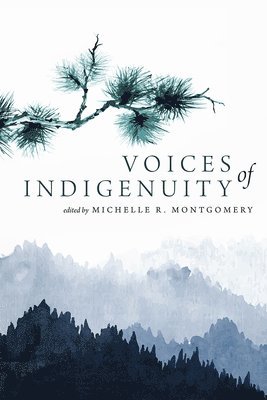
Voices of Indigenuity collects the voices of the Indigenous Speaker Series and multigenerational Indigenous peoples to introduce best practices for traditional ecological knowledge (TEK). In this edited collection, presenters from the series, both within and outside of the academy, examine the ways they have utilized TEK for inclusive teaching practices and in environmental justice efforts.Advocating for and providing an expansion of place-based Indigenized education that infuses Indigenous epistemologies for student success in both K–12 and higher education curricula, these essays explore topics such as land fragmentation, remote sensing, and outreach through the lens of TEK, demonstrating methods of fusing learning with Indigenous knowledge (IK). Contributors emphasize the need to increase the perspectives of IK within institutionalized knowledge beyond being co-opted into non-Indigenous frameworks that may be fundamentally different from Indigenous ways of thinking.Decolonizing current harmful pedagogical curricula and research training about the natural world through an Indigenous- guided approach is an essential first step to rebuilding a healthy relationship with our environment while acknowledging that all relationships come with an ethical responsibility. Voices of Indigenuity captures the complexities of exploring the contextu- alized meanings for why TEK should be integrated into Western environmental science processes and frameworks while rooted in Indigenous studies programs.