Inventing the Nation - Böcker
Visar alla böcker i serien Inventing the Nation. Handla med fri frakt och snabb leverans.
12 produkter
12 produkter
833 kr
Skickas inom 10-15 vardagar
The question of national identity is central to the future of Russia. This extensive analysis, spans three centuries of Russian cultural history to place post-communist Russia within a broad historical background. The author focuses on three ways of defining Russia and Russians: Russia as a counterpart to the West; Russians as creators of a unique multi-ethnic community; and Russians as members of the community of Eastern Slavs. She then demonstrates how these three perspectives have dominated the views of Russia in the modern era and traces their origins back to writers and historians in the eighteenth century. Combining a rich historical study with a rigorous analytical framework, the book is an essential tool for understanding contemporary Russia.
475 kr
Skickas inom 10-15 vardagar
During the first half of the 1990s it seemed that Italy was in danger of disintegration. The collapse of the established political parties and the increasing prominence of the secessionist Northern League had public commentators debating whether Italy constituted a nation at all. It appeared that despite over 130 years as a unified state, Italy retained a weakly developed sense of nationhood. Yet if we assume modern Italy is essentially fraudulent, we will not understand why Italy remains intact at the end of the twentieth century, nor will we understand the unique kind of nation which the Italians have created for themselves. This new study proceeds with the working assumption that Italy is indeed a nation, albeit of a particular kind, and offers a detailed discussion of its historical development. It argues that the exigencies of state-formation were more important in the founding of the Kingdom of Italy than nationalism, and then argues that early failures to engineer an Italian national consciousness were due to the state's refusal to integrate local cultures into a consolidated national culture.Rather, a nation was gradually developed from within society, through the construction of a public sphere, through mass communications, migration movements, and mass consumerism.
448 kr
Skickas inom 10-15 vardagar
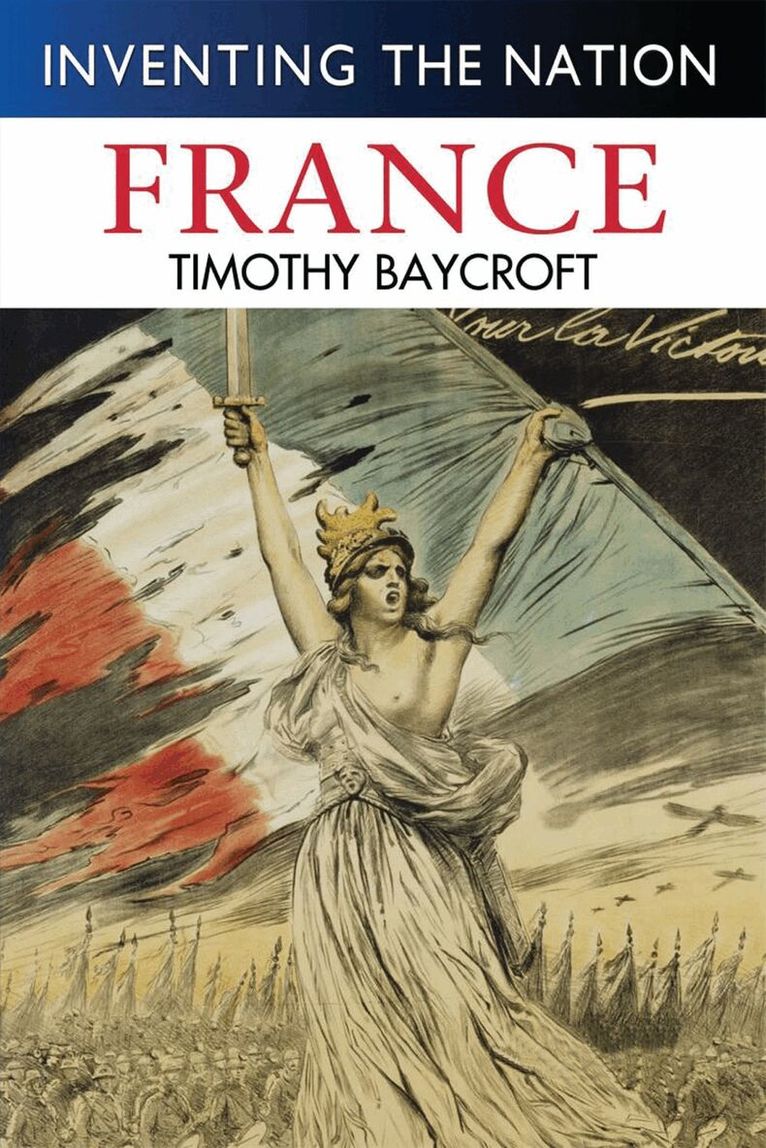
This study of France examines the nation-building process of continual re-creation and re-invention over more than two hundred years. It explores the complex task of creating unity while reconciling diversity, be it regional, religious or cultural, in a nation profoundly divided since the Revolution. Divided into three sections covering the invention of French history, experience and identity, it seeks to integrate more conventional political history with an examination of nation-building from the margins and through manifold images and representations of the nation. Themes such as social conflict, civil war and revolution, identity and difference, gender, colonialism and decolonisation, religion, material and popular culture, and the devastation of war are examined in light of the evolution and continual reinvention of France. This new study will be of interest not only to students of modern and contemporary France, but also to those who want to understand the ways in which national identities are created and evolve within modern society.
599 kr
Skickas inom 10-15 vardagar
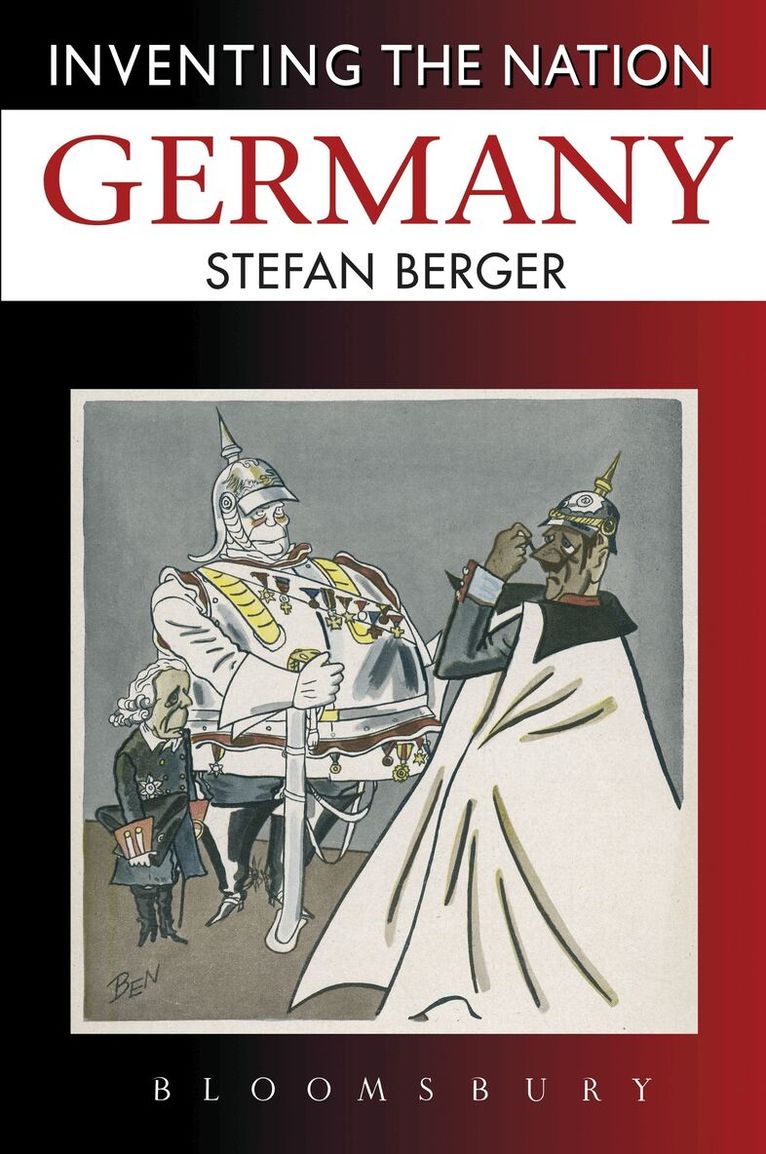
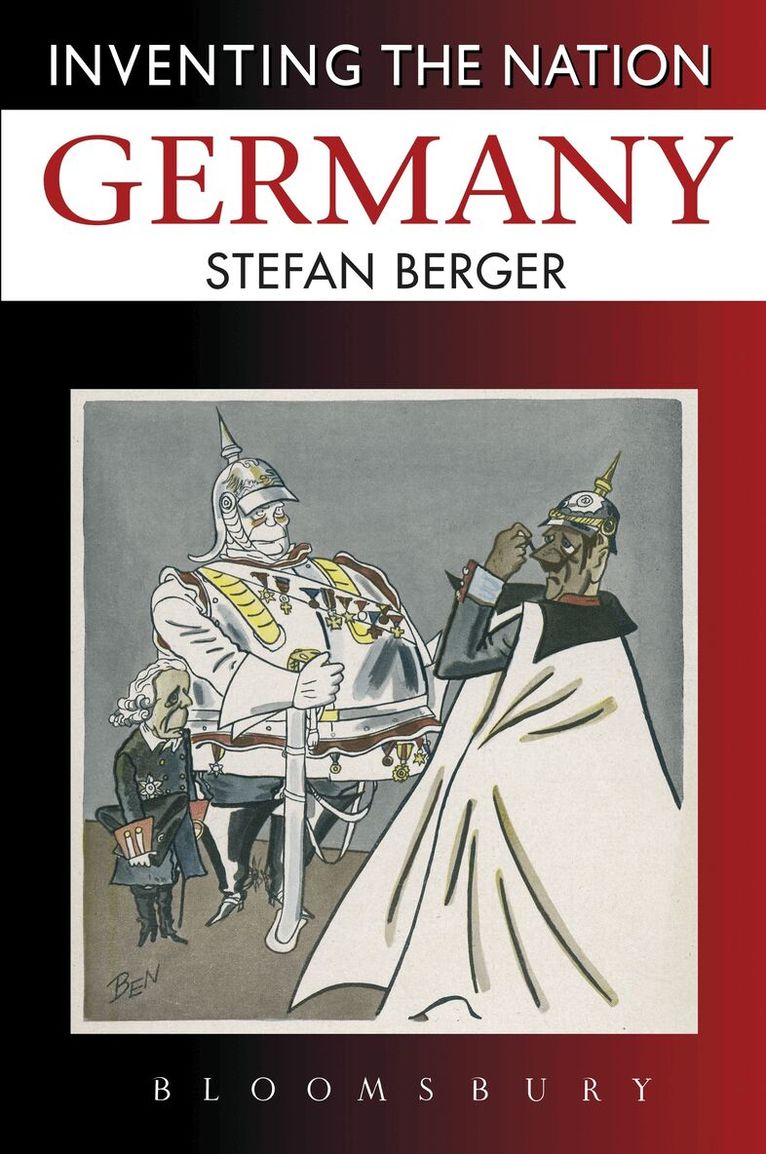
'What is a German's fatherland?', asked Ernst Moritz Arndt at the beginning of the nineteenth century. This has arguably been the central question of modern German history. Germans did not have a united fatherland until 1871, and, thereafter, major political events in 1918, 1933, 1945, 1968 and 1989 ensured that the answers to Arndt's question proliferated and diverged with breath-taking speed. Germany explains the diverse ways in which national identity has been constructed over more than three centuries. It focuses on the plurality of contested definitions of 'Germanness'. The themes covered include the struggles between democratic and non-democratic inventions of the nation, the construction of the racial nation under Nazism, economic definitions of the nation, foreigners and 'Germanness', the nation as a 'community of memory', the gendering of the national discourse, the federal nature of German nationalism and the impact of war on the construction of a German national identity. This is a fundamental reappraisal of Germany's history from a perspective available only now that the dust from the demolished Berlin Wall is settling in a reunited Germany.
1 619 kr
Skickas inom 10-15 vardagar
'What is a German's fatherland?', asked Ernst Moritz Arndt at the beginning of the nineteenth century. This has arguably been the central question of modern German history. Germans did not have a united fatherland until 1871, and, thereafter, major political events in 1918, 1933, 1945, 1968 and 1989 ensured that the answers to Arndt's question proliferated and diverged with breath-taking speed. Germany explains the diverse ways in which national identity has been constructed over more than three centuries. It focuses on the plurality of contested definitions of 'Germanness'. The themes covered include the struggles between democratic and non-democratic inventions of the nation, the construction of the racial nation under Nazism, economic definitions of the nation, foreigners and 'Germanness', the nation as a 'community of memory', the gendering of the national discourse, the federal nature of German nationalism and the impact of war on the construction of a German national identity. This is a fundamental reappraisal of Germany's history from a perspective available only now that the dust from the demolished Berlin Wall is settling in a reunited Germany.
1 108 kr
Skickas inom 10-15 vardagar
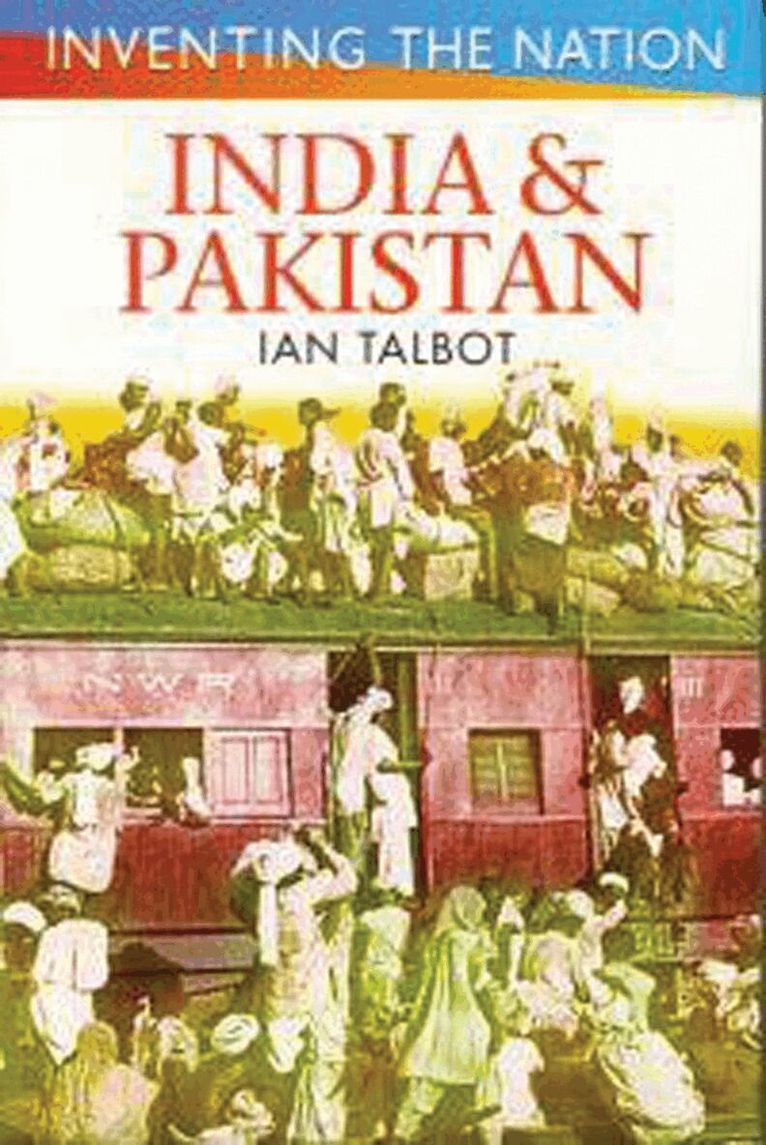
The rise of ethnic and religious conflicts in the post-Cold War era has reawakened consideration of the future of nationalism and the nation state. The Indian subcontinent with its myriad ethnic, religious and linguistic divides provides a focus for examination of the interplay between nationalism, religion and ethnicity. The region's growing violence and instability is in part a result of this process, sharpened by social inequalities and the struggle to control scarce resources. 'India and Pakistan' provides an historical understanding of the chequered process of nation-building in the subcontinent. In particular, Talbot examines the role of 'parochial' allegiances and the impact of contemporary processes of economic and cultural globalisation on nationalist and localist allegiances. And, in introducing the increasingly important role of overseas South Asian communities in the political mobilization of the homeland, the student is shown the complexities of South Asian society and the effects of its relationship with the state on the process of nation-building in India and Pakistan.
585 kr
Skickas inom 10-15 vardagar
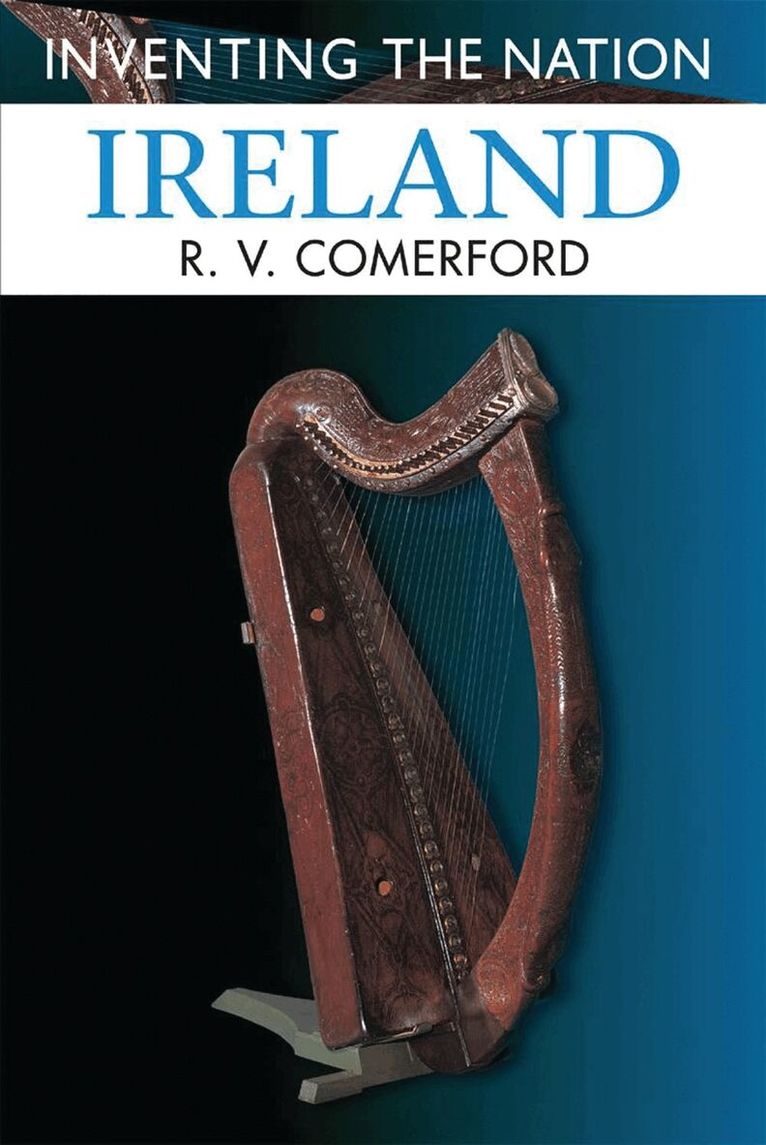
This book provides a fascinating history of Ireland, focusing on the ways in which the nation has been depicted by competing interests, from political factions to religious groups to commercial powers. It examines the origins of Ireland's various identities, looking at Irish culture, religion, and language. The result is an original work of scholarship that analyzes Ireland's rich history and traces the formation of its national identity.
817 kr
Skickas inom 10-15 vardagar
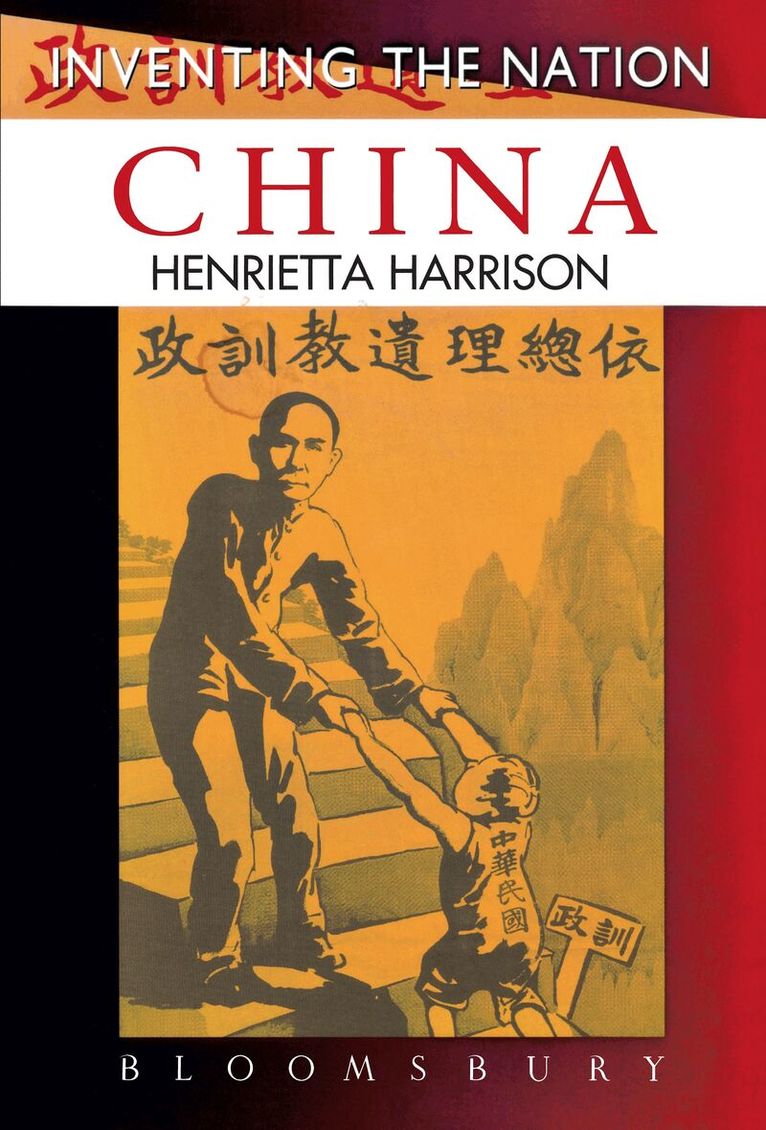
Both Western historians and Chinese nationalists have argued that from early times China had the features of a nation state: a common language, culture, and bureaucracy. This argument is important not only because it affects our understanding of how nations are constructed but also because Chinese nationalism is today a vital ingredient in both the domestic politics of the People's Republic of China and the international relations of East Asia. This book argues that China as it exists today was invented through the construction of a modern state. It describes the attitudes of eighteenth- and nineteenth-century Chinese towards identity and ethnicity and how these interacted with the structure of the state. It then describes the development of a new culture as part of the efforts to build a modern nation state that could resist the Western imperial powers. Finally it describes how, during the course of the twentieth century, this new culture tied to modern nationalism has been spread from the cities into rural China. The book argues that China has not been an exception to the process of the invention of nations.Instead, its differences arise from the complexities of the relationship between nationalism and imperialism. Moreover, the role of imperialism was not limited to Western empires: the Manchu Qing empire played quite as significant a role in the construction of the modern Chinese nation state as did imported European ideologies.
1 888 kr
Skickas inom 10-15 vardagar
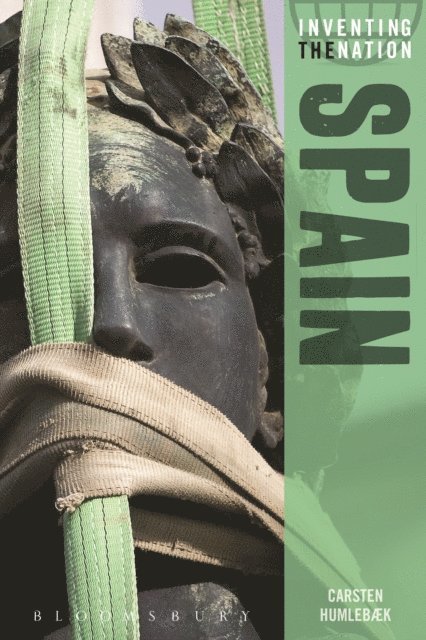
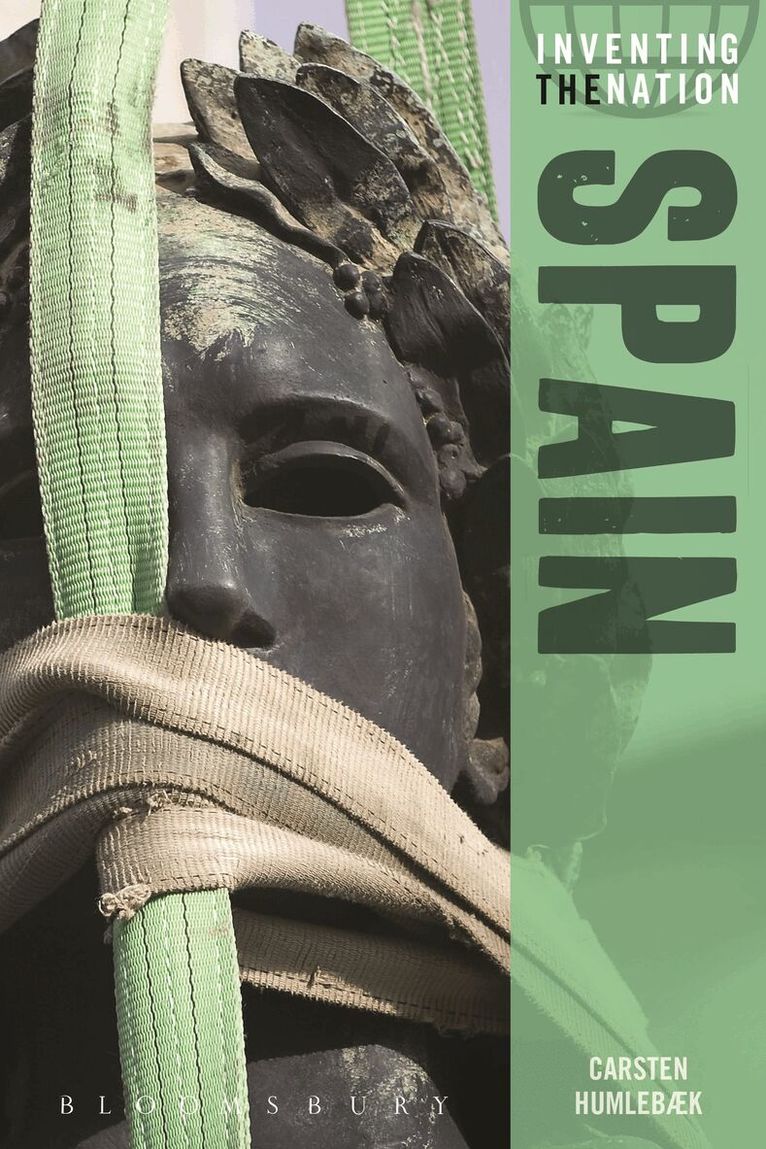
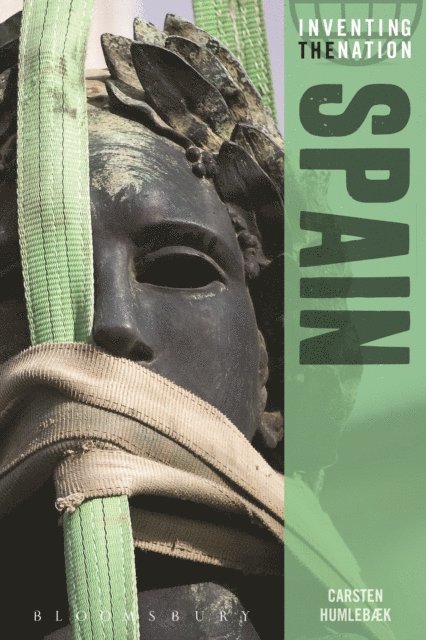
Part of the successful 'Inventing the Nation' history series, this book provides an authoritative and compelling history of Spain in the modern period. Humlebæk places a strong emphasis on the construction of the Spanish national identity and looks at how this identity has emerged and survived amidst the tensions created by the competing, distinct regional identities that exist within the country. Language and language policy, decisive factors in the development of these tensions, are thoroughly examined as Carsten Humlebæk explores the history of Spain along with the very nature of what it is to be Spanish.Beginning with the Napoleonic invasion and the annexation of Spain in 1808, Humlebæk traces Spain's political history through to the present day. He considers the impact of events like the Spanish Civil War and regimes like that of the Restoration on the Spanish sense of national identity before contemplating the future for Spain as a nation-state.This book is the ideal volume for all students of history interested in the modern history of Spain.
461 kr
Skickas inom 10-15 vardagar
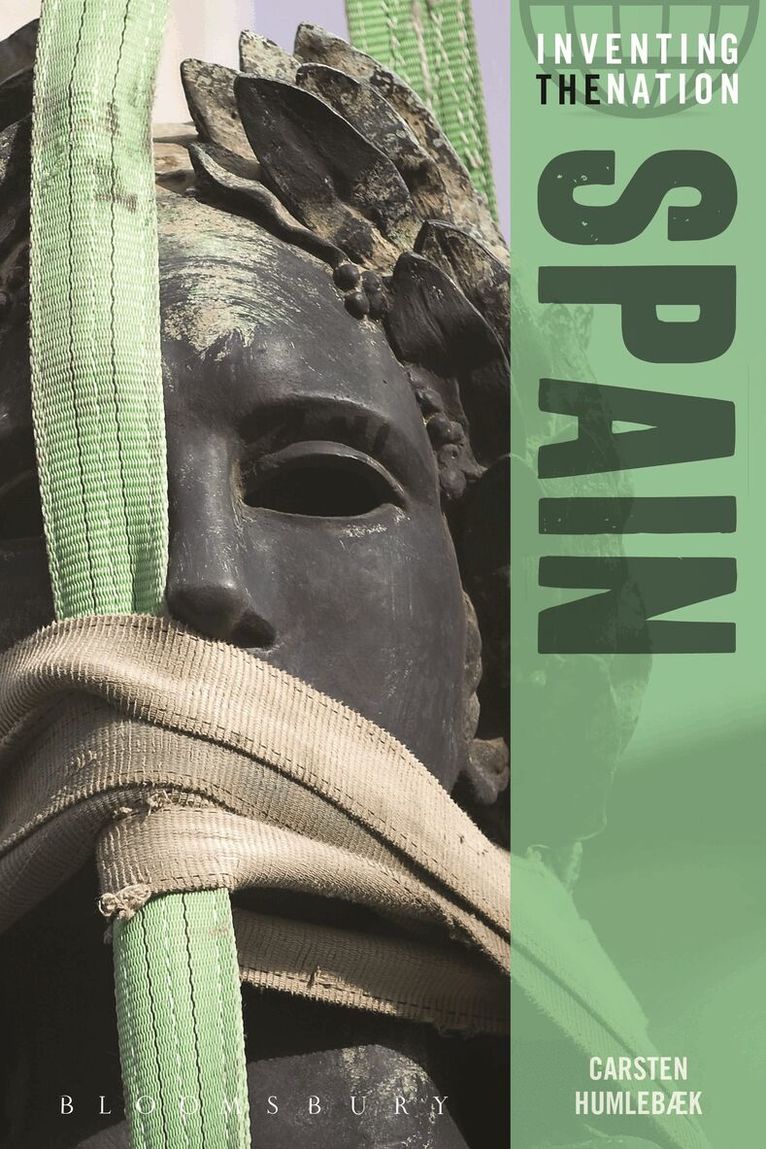
Part of the successful 'Inventing the Nation' history series, this book provides an authoritative and compelling history of Spain in the modern period. Humlebæk places a strong emphasis on the construction of the Spanish national identity and looks at how this identity has emerged and survived amidst the tensions created by the competing, distinct regional identities that exist within the country. Language and language policy, decisive factors in the development of these tensions, are thoroughly examined as Carsten Humlebæk explores the history of Spain along with the very nature of what it is to be Spanish.Beginning with the Napoleonic invasion and the annexation of Spain in 1808, Humlebæk traces Spain's political history through to the present day. He considers the impact of events like the Spanish Civil War and regimes like that of the Restoration on the Spanish sense of national identity before contemplating the future for Spain as a nation-state.This book is the ideal volume for all students of history interested in the modern history of Spain.
392 kr
Skickas inom 10-15 vardagar
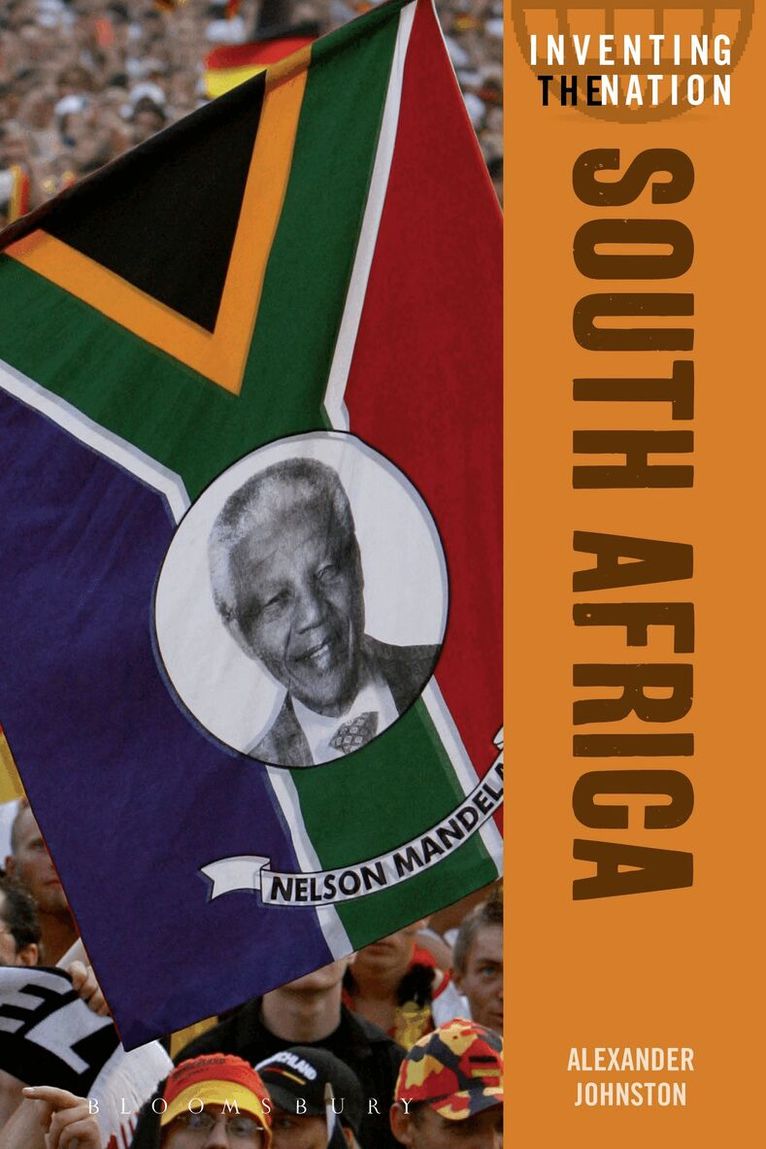
At the heart of South Africa’s ‘miracle’ transition from intractable ethno-racial conflict to democracy was an improvised nation born out of war weariness, hope, idealism and calculated pragmatism on the part of the elites who negotiated the compromise settlement. In the absence of any of the conventional bonds of national consciousness, the improvised nation was fixed on the civic identity and national citizenship envisaged in the new constitution. In the twentieth anniversary year of the country’s democracy, South Africa reviews the progress of nation-building in post-apartheid South Africa, assesses how well the improvised nation has been embedded in a shared life for South Africans and offers a prognosis for its future. It draws up a socio-economic profile of the population which is the raw material of nation-building. It measures the contributions of the polity and the constitution, religion and values, as well as sport and the media, to building a sense of national citizenship. The book explains the abrupt discontinuity between the contributions of Nelson Mandela and Thabo Mbeki to nation-building and goes on to note the changing focus from reconciliation between black and white to include a concern for social cohesion in a society beset by violent crime, corruption and citizen deviance and dissidence. South Africa reconsiders the short, intense life cycle of Afrikaner nationalism and portrays the ambiguous relationships between African nationalism, non-racialism, civic nationalism and ‘African tradition’ in the ideology and practice of the African National Congress. In doing so, it provides a comprehensive analysis of a crucial aspect of South Africa’s first twenty years of democracy, as well as exploring intriguing questions for the student of nationalism.
1 888 kr
Skickas inom 10-15 vardagar
At the heart of South Africa’s ‘miracle’ transition from intractable ethno-racial conflict to democracy was an improvised nation born out of war weariness, hope, idealism and calculated pragmatism on the part of the elites who negotiated the compromise settlement. In the absence of any of the conventional bonds of national consciousness, the improvised nation was fixed on the civic identity and national citizenship envisaged in the new constitution. In the twentieth anniversary year of the country’s democracy, South Africa reviews the progress of nation-building in post-apartheid South Africa, assesses how well the improvised nation has been embedded in a shared life for South Africans and offers a prognosis for its future. It draws up a socio-economic profile of the population which is the raw material of nation-building. It measures the contributions of the polity and the constitution, religion and values, as well as sport and the media, to building a sense of national citizenship. The book explains the abrupt discontinuity between the contributions of Nelson Mandela and Thabo Mbeki to nation-building and goes on to note the changing focus from reconciliation between black and white to include a concern for social cohesion in a society beset by violent crime, corruption and citizen deviance and dissidence. South Africa reconsiders the short, intense life cycle of Afrikaner nationalism and portrays the ambiguous relationships between African nationalism, non-racialism, civic nationalism and ‘African tradition’ in the ideology and practice of the African National Congress. In doing so, it provides a comprehensive analysis of a crucial aspect of South Africa’s first twenty years of democracy, as well as exploring intriguing questions for the student of nationalism.