Iroquoians and Their World - Böcker
Visar alla böcker i serien Iroquoians and Their World. Handla med fri frakt och snabb leverans.
11 produkter
11 produkter
462 kr
Skickas inom 3-6 vardagar
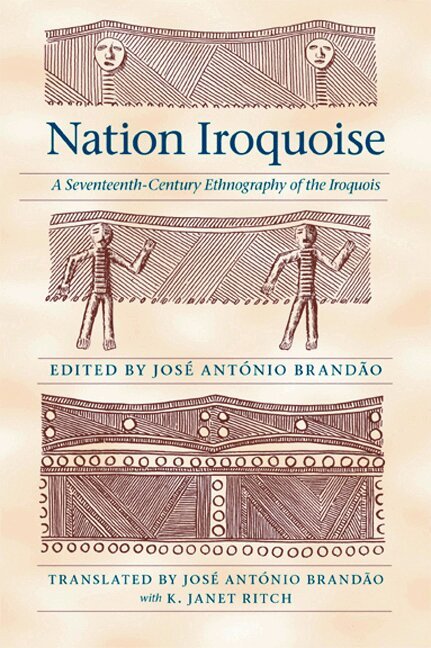
Nation Iroquoise presents an intriguing mystery. Found in the Bibliotheque Mazarine in Paris and in the National Archives of Canada in Ottawa, the unsigned and undated manuscript Nation Iroquoise is an absorbing and informative eyewitness account of the daily life and societal structure of the Oneida Iroquois in the seventeenth century. The Nation Iroquoise manuscript is arguably one of the earliest known comprehensive descriptions of an Iroquois group. Rich in ethnographic detail, the work is replete with valuable information about the traditional Oneidas: the role of women in tribal councils; mortuary customs; religious beliefs and rituals; warfare; the function of the clan system in tribal governance; the impact of alcohol; and the topography, flora, and fauna of the Oneida territory. It also offers important information about the famed Iroquois Confederacy during the 1600s. Drawing on multiple strands of evidence and following a trail of clues within the Nation Iroquoise manuscript and elsewhere, José António Brandão presents the results of a fascinating and convincing piece of detective work. He explains who might have written the manuscript as well as its contribution to our understanding of the Iroquois and their culture. The book includes the original French transcription and its English translation. Brandão also provides an illuminating overview of Iroquois culture and of Iroquois-French relations during the period in which the Nation Iroquoise manuscript was likely written.
Texture of Contact
European and Indian Settler Communities on the Frontiers of Iroquoia, 1667-1783
Inbunden, Engelska, 2009
607 kr
Skickas inom 3-6 vardagar
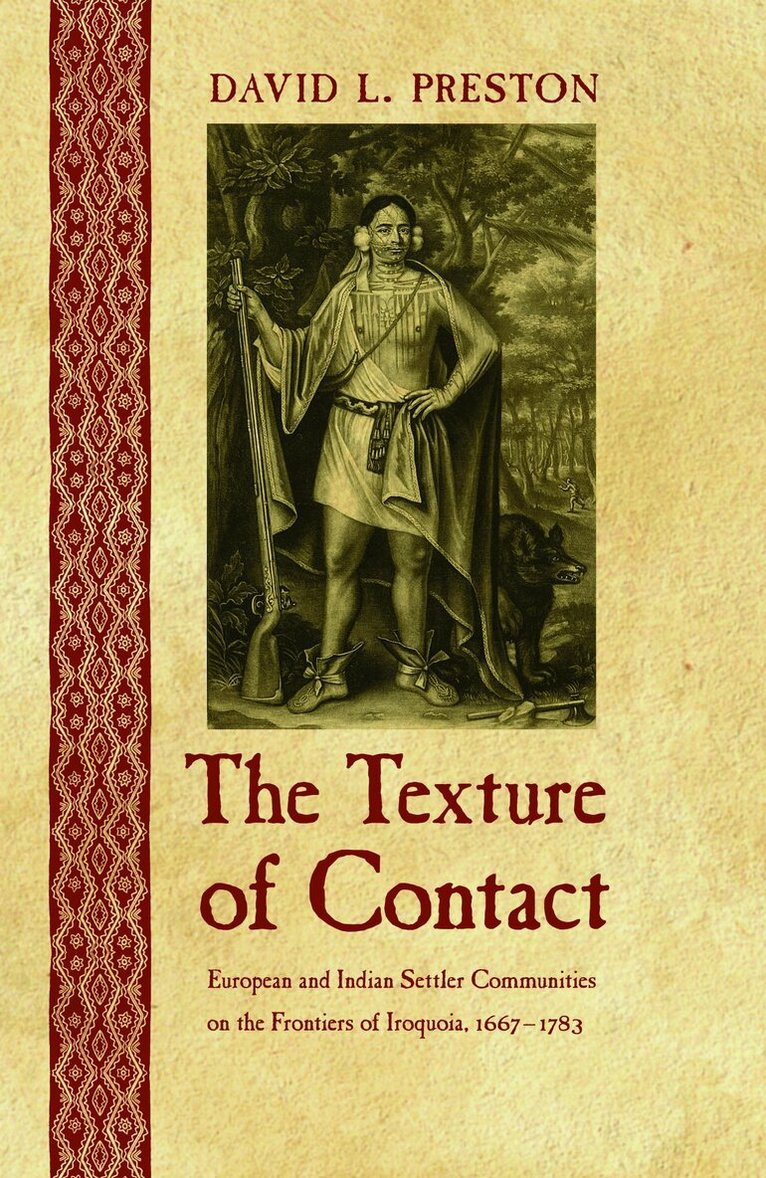
The Texture of Contact is a landmark study of Iroquois and European communities and coexistence in eastern North America before the American Revolution. David L. Preston details the ways in which European and Iroquois settlers on the frontiers creatively adapted to each other's presence, weaving webs of mutually beneficial social, economic, and religious relationships that sustained the peace for most of the eighteenth century. Drawing on a wealth of previously unexamined archival research, Preston describes everyday encounters between Europeans and Indians along the frontiers of the Iroquois Confederacy in the St. Lawrence, Mohawk, Susquehanna, and Ohio valleys. Homesteads, taverns, gristmills, churches, and markets were frequent sites of intercultural exchange and negotiation. Complex diplomatic and trading relationships developed as a result of European and Iroquois settlers bartering material goods. Innovative land-sharing arrangements included the common practice of Euroamerican farmers living as tenants of the Mohawks, sometimes for decades. This study reveals that the everyday lives of Indians and Europeans were far more complex and harmonious than past histories have suggested. Preston's nuanced comparisons between various settlements also reveal the reasons why peace endured in the Mohawk and St. Lawrence valleys while warfare erupted in the Susquehanna and Ohio valleys. One of the most comprehensive studies of eighteenth-century Iroquois history, The Texture of Contact broadens our understanding of eastern North America's frontiers and the key role that the Iroquois played in shaping that world.
486 kr
Skickas inom 10-15 vardagar
William N. Fenton's contributions to the understanding of the cultures and histories of the Iroquois are formidable. Fenton grounded his studies in decades of fieldwork among the Senecas, an encyclopedic knowledge of pertinent historical accounts, a keen appreciation for interpretive theory and practice in ethnohistory and anthropology, and an enduring, generous character. William Fenton: Selected Writings brings together for the first time Fenton's most influential writings on the Iroquois and anthropology, written across nearly six decades. This volume includes Fenton's classic studies of such key issues as Iroquois folklore, factionalism, and the repatriation of material culture; discussions of theory and practice and the methodology of "upstreaming"; obituaries of colleagues and reviews of other studies of the Iroquois; and summaries of the early Conferences on Iroquois Research. This collection reveals much about the world of the Iroquois, past and present, as well as the career and accomplishments of Fenton himself.
609 kr
Skickas inom 10-15 vardagar
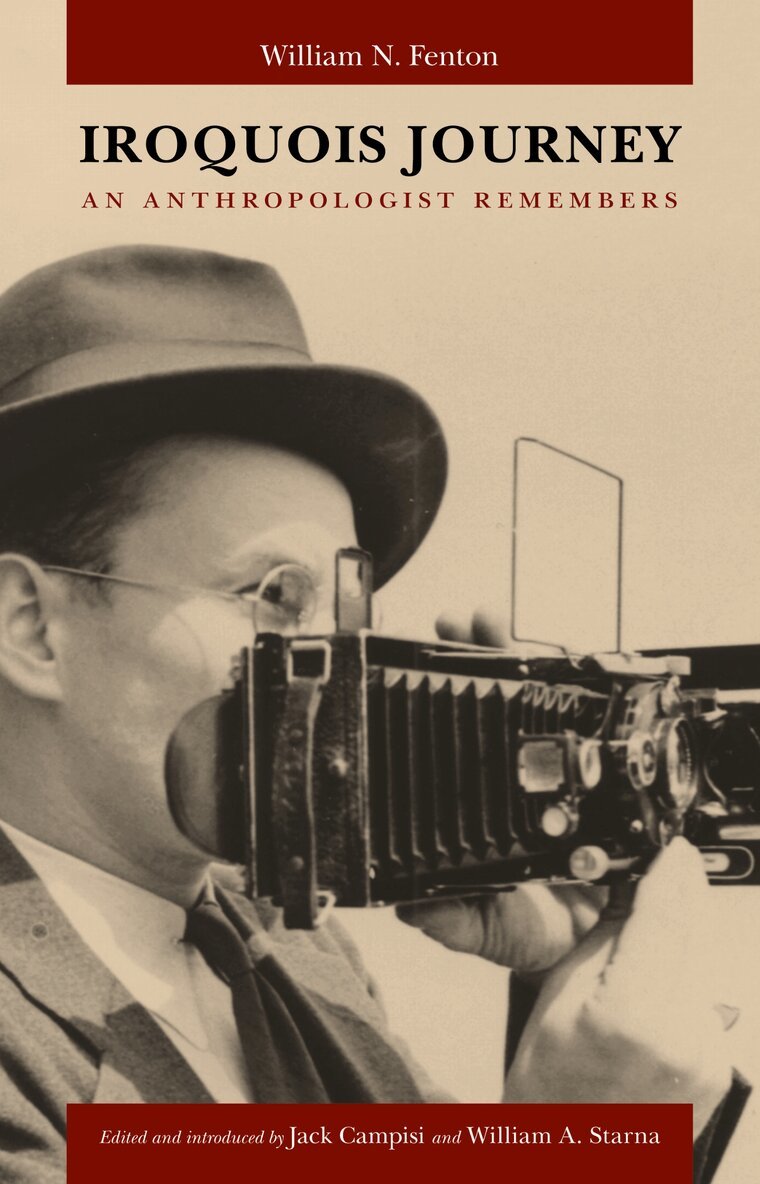
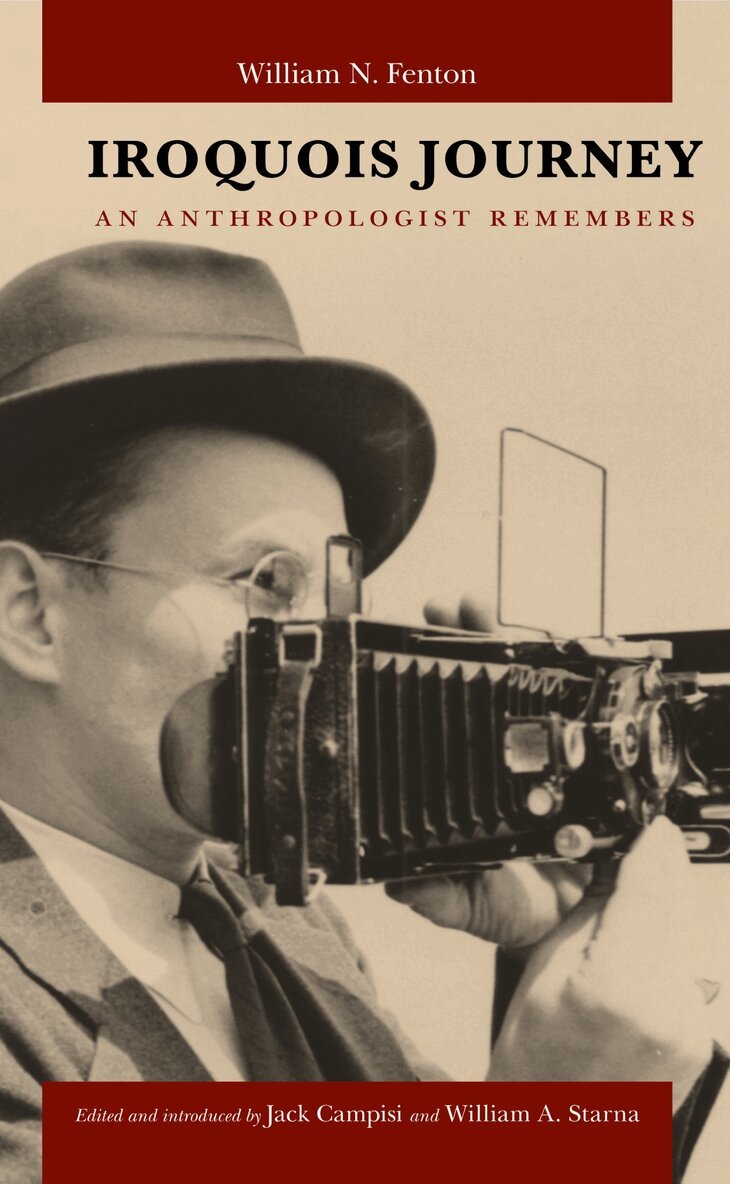
Iroquois Journey is the warm and illuminating memoir of William N. Fenton (1908–2005), a leading scholar who shaped Iroquois studies and modern anthropology in America. The memoir reveals the ambitions and struggles of the man and the many accomplishments of the anthropologist, the complex and sometimes volatile milieu of Native-white relations in upstate New York in the twentieth century, and key theoretical and methodological developments in American anthropology. Fenton's memoir, completed shortly before his death, takes us from his ancestors' lives in the Conewango Valley in western New York to his education at Yale. It affords valuable insights into the decades of his celebrated fieldwork among the Senecas, his distinguished scholarship at the Bureau of American Ethnology in Washington, DC, and his research at the New York State Museum in Albany. Offering portraits of legendary scholars he encountered and enriched through wonderful personal anecdotes, Fenton's memoir is a testament to the importance of anthropology and a reminder of how much the field has changed over the years.
259 kr
Skickas inom 10-15 vardagar
Today Kahnawà:ke ("at the rapids") is a community of approximately seventy-two hundred Mohawks, located on the south shore of the Saint Lawrence River near Montreal. One of the largest Mohawk communities, it is known in the modern era for its activism—a traditionalist, energetic impulse with a long history. Kahnawà:ke examines the development of traditionalism and nationalism in this Kanien'keká:ka (Mohawk) community from 1870 to 1940. The core of Kahnawà:ke's cultural and political revitalization involved efforts to revive and refashion the community's traditional political institutions, reforge ties to and identification with the Iroquois Confederacy, and reestablish the traditional longhouse within the community. Gerald F. Reid interprets these developments as the result of the community's efforts to deal with internal ecological, economic, and political pressures and the external pressures for assimilation, particularly as they stemmed from Canadian Indian policy. Factionalism was a consequence of these pressures and an important ingredient in the development of traditionalist and nationalist responses within the community. These responses within Kahnawà:ke also contributed to and were supported by similar processes of revitalization in other Iroquois communities.Drawing on primary documents and numerous oral histories, Kahnawà:ke provides a detailed ethnohistory of a major Kanien'keká:ka community at a turbulent and transformative time in its history and the history of the Iroquois Confederacy. It not only makes an important contribution to the understanding of this vital but little studied community but also sheds new light on recent Iroquois history and Native political and cultural revitalization.
267 kr
Skickas inom 10-15 vardagar
Iroquois Journey is the warm and illuminating memoir of William N. Fenton (1908–2005), a leading scholar who shaped Iroquois studies and modern anthropology in America. The memoir reveals the ambitions and struggles of the man and the many accomplishments of the anthropologist, the complex and sometimes volatile milieu of Native-white relations in upstate New York in the twentieth century, and key theoretical and methodological developments in American anthropology. Fenton's memoir, completed shortly before his death, takes us from his ancestors' lives in the Conewango Valley in western New York to his education at Yale. It affords valuable insights into the decades of his celebrated fieldwork among the Senecas, his distinguished scholarship at the Bureau of American Ethnology in Washington, DC, and his research at the New York State Museum in Albany. Offering portraits of legendary scholars he encountered and enriched through wonderful personal anecdotes, Fenton's memoir is a testament to the importance of anthropology and a reminder of how much the field has changed over the years.
318 kr
Skickas
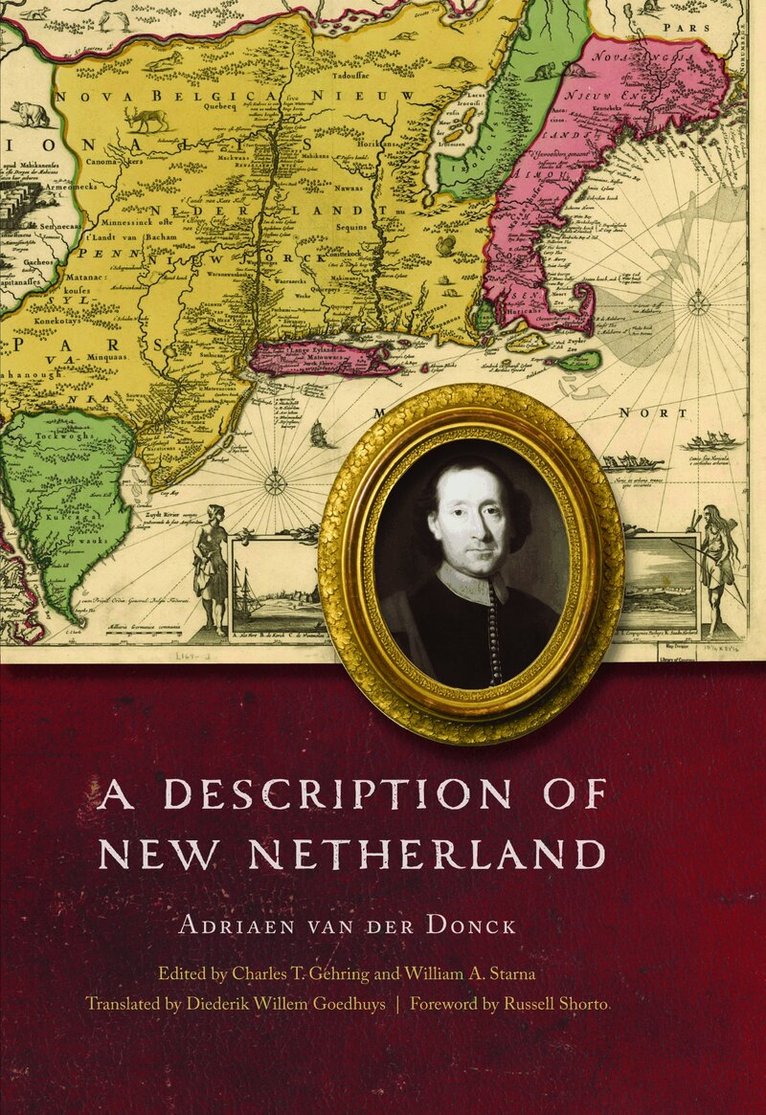
This new edition and original translation of a tract by Dutch settler and lawyer van der Donck makes more widely accessible a document crucial for understanding the history of Dutch colonization in North America. . . . This document is an important primary source for students and researchers in colonial Dutch history, the settlement of New York and North America more generally, and the understanding of Indian cultures in the Northeast. -J. Mercantini, Choice This edition of A Description of New Netherland provides the first complete and accurate English-language translation of an essential first-hand account of the lives and world of Dutch colonists and northeastern Native communities in the seventeenth century. Adriaen van der Donck, a graduate of Leiden University in the 1640s, became the law enforcement officer for the Dutch patroonship of Rensselaerswijck, located along the upper Hudson River. His position enabled him to interact extensively with Dutch colonists and the local Algonquians and Iroquoians. An astute observer, detailed recorder, and accessible writer, Van der Donck was ideally situated to write about his experiences and the natural and cultural worlds around him.Van der Donck’s Beschryvinge van Nieuw-Nederlant was first published in 1655 and then expanded in 1656. An inaccurate and abbreviated English translation appeared in 1841 and was reprinted in 1968. This new volume features an accurate, polished translation by Diederik Willem Goedhuys and includes all the material from the original 1655 and 1656 editions.The result is an indispensable first-hand account with enduring value to historians, ethnohistorians, and anthropologists.
Texture of Contact
European and Indian Settler Communities on the Frontiers of Iroquoia, 1667-1783
Häftad, Engelska, 2012
323 kr
Skickas inom 10-15 vardagar
The Texture of Contact is a landmark study of Iroquois and European communities and coexistence in eastern North America before the American Revolution. David L. Preston details the ways in which European and Iroquois settlers on the frontiers creatively adapted to each other's presence, weaving webs of mutually beneficial social, economic, and religious relationships that sustained the peace for most of the eighteenth century. Drawing on a wealth of previously unexamined archival research, Preston describes everyday encounters between Europeans and Indians along the frontiers of the Iroquois Confederacy in the St. Lawrence, Mohawk, Susquehanna, and Ohio valleys. Homesteads, taverns, gristmills, churches, and markets were frequent sites of intercultural exchange and negotiation. Complex diplomatic and trading relationships developed as a result of European and Iroquois settlers bartering material goods. Innovative land-sharing arrangements included the common practice of Euroamerican farmers living as tenants of the Mohawks, sometimes for decades. This study reveals that the everyday lives of Indians and Europeans were far more complex and harmonious than past histories have suggested. Preston's nuanced comparisons between various settlements also reveal the reasons why peace endured in the Mohawk and St. Lawrence valleys while warfare erupted in the Susquehanna and Ohio valleys. One of the most comprehensive studies of eighteenth-century Iroquois history, The Texture of Contact broadens our understanding of eastern North America's frontiers and the key role that the Iroquois played in shaping that world.
664 kr
Skickas inom 10-15 vardagar
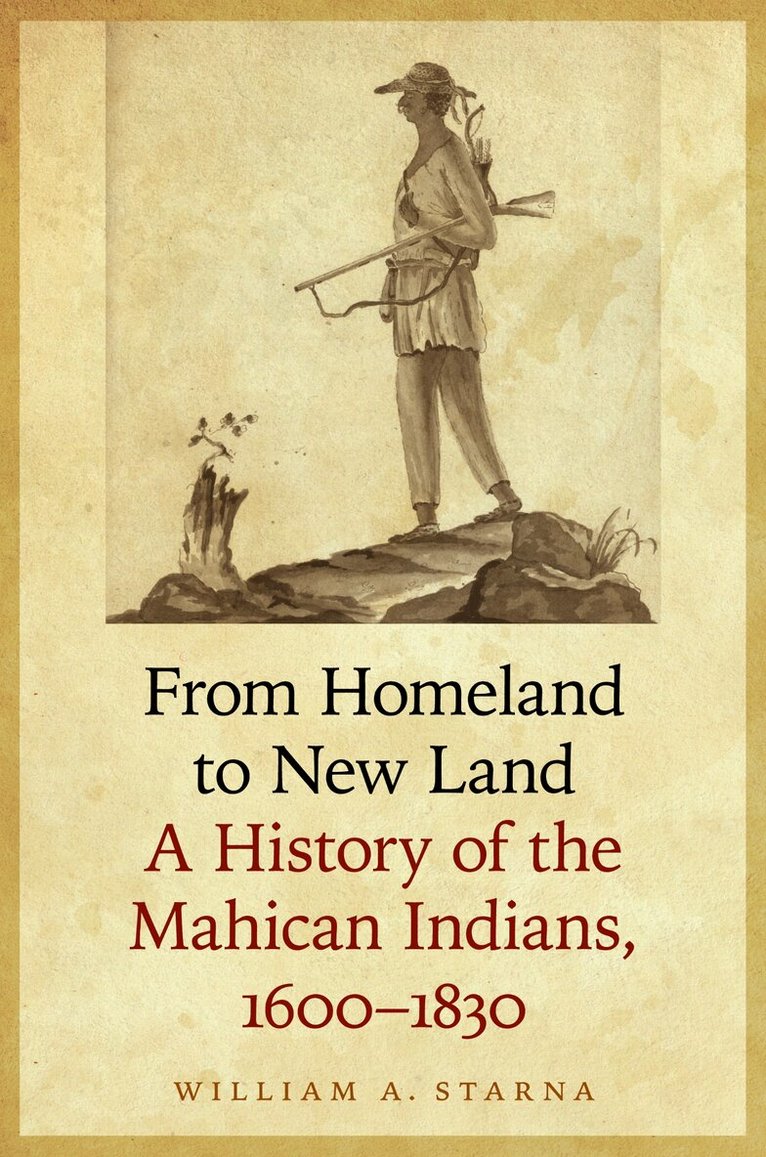
This history of the Mahicans begins with the appearance of Europeans on the Hudson River in 1609 and ends with the removal of these Native people to Wisconsin in the 1830s. Marshaling the methods of history, ethnology, and archaeology, William A. Starna describes as comprehensively as the sources allow the Mahicans while in their Hudson and Housatonic Valley homeland; after their consolidation at the praying town of Stockbridge, Massachusetts; and following their move to Oneida country in central New York at the end of the Revolution and their migration west.The emphasis throughout this book is on describing and placing into historical context Mahican relations with surrounding Native groups: the Munsees of the lower Hudson, eastern Iroquoians, and the St. Lawrence and New England Algonquians. Starna also examines the Mahicans’ interactions with Dutch, English, and French interlopers. The first and most transformative of these encounters was with the Dutch and the trade in furs, which ushered in culture change and the loss of Mahican lands. The Dutch presence, along with the new economy, worked to unsettle political alliances in the region that, while leading to new alignments, often engendered rivalries and war. The result is an outstanding examination of the historical record that will become the definitive work on the Mahican people from the colonial period to the Removal Era.
"Your Fyre Shall Burn No More"
Iroquois Policy Toward New France and Its Native Allies to 1701
Häftad, Engelska, 2000
241 kr
Skickas inom 10-15 vardagar
Why were the Iroquois unrelentingly hostile toward the French colonists and their Native allies? The longstanding "Beaver War" interpretation of seventeenth-century Iroquois-French hostilities holds that the Iroquois' motives were primarily economic, aimed at controlling the profitable fur trade. José António Brandão argues persuasively against this view. Drawing from the original French and English sources, Brandão has compiled a vast array of quantitative data about Iroquois raids and mortality rates. He offers a penetrating examination of seventeenth-century Iroquoian attitudes toward foreign policy and warfare, contending that the Iroquois fought New France not primarily to secure their position in a new market economy but for reasons that traditionally fueled Native warfare: to replenish their populations, safeguard hunting territories, protect their homes, gain honor, and seek revenge.
349 kr
Skickas inom 10-15 vardagar
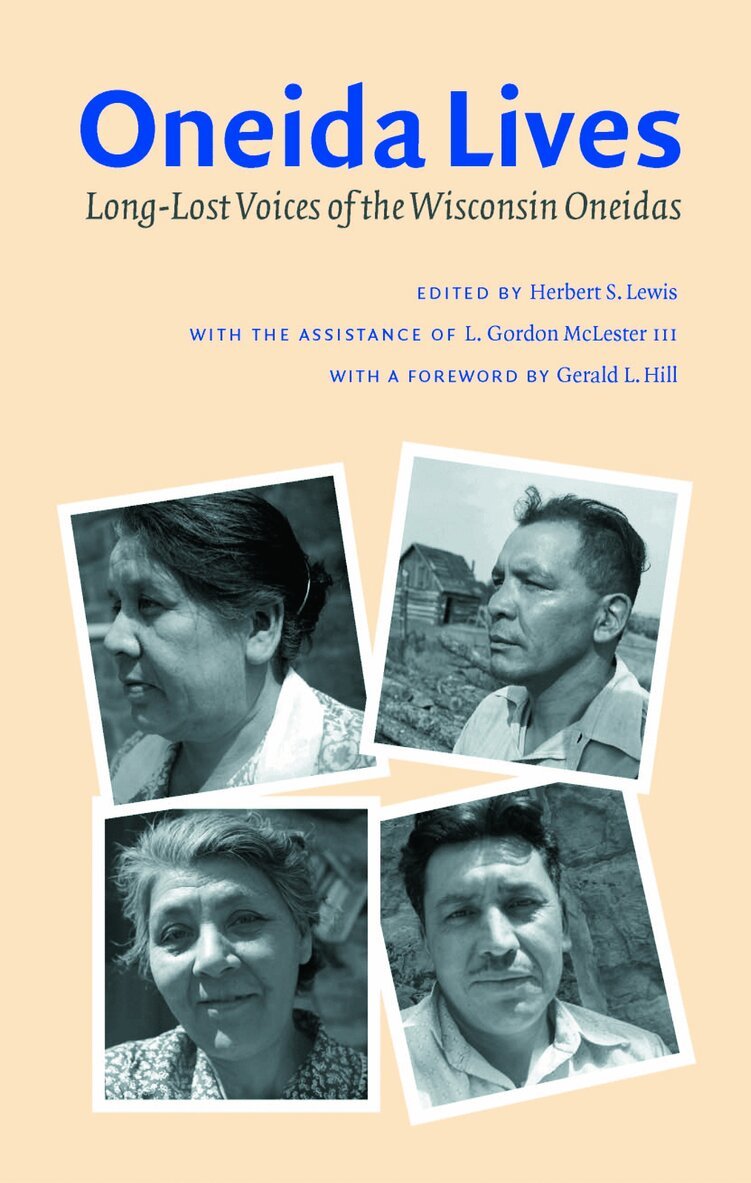
In this intimate volume the long-lost voices of Wisconsin Oneida men and women speak of all aspects of life: growing up, work and economic struggles, family relations, belief and religious practice, boarding-school life, love, sex, sports, and politics. These voices are drawn from a collection of handwritten accounts recently rediscovered after more than fifty years, the result of a WPA Federal Writers' Project undertaking called the Oneida Ethnological Study (1940–42) in which a dozen Oneida men and women were hired to interview their families and friends and record their own experiences and observations. Selected from more than five hundred biographical narratives, these sixty-five chronicles, told by fifty-eight women and men, present a picture of Oneida Indian life from the 1880s, before the Dawes Allotment Act, through World War I and the Great Depression, to the beginning of World War II. Despite the narrators' struggles against harsh economic conditions, the theft of their land, and neglect, their firsthand histories are rendered with frankness and wit and present a remarkable picture of an era and a people.