Issues in Society - Böcker
Visar alla böcker i serien Issues in Society. Handla med fri frakt och snabb leverans.
3 produkter
3 produkter
372 kr
Skickas inom 3-6 vardagar
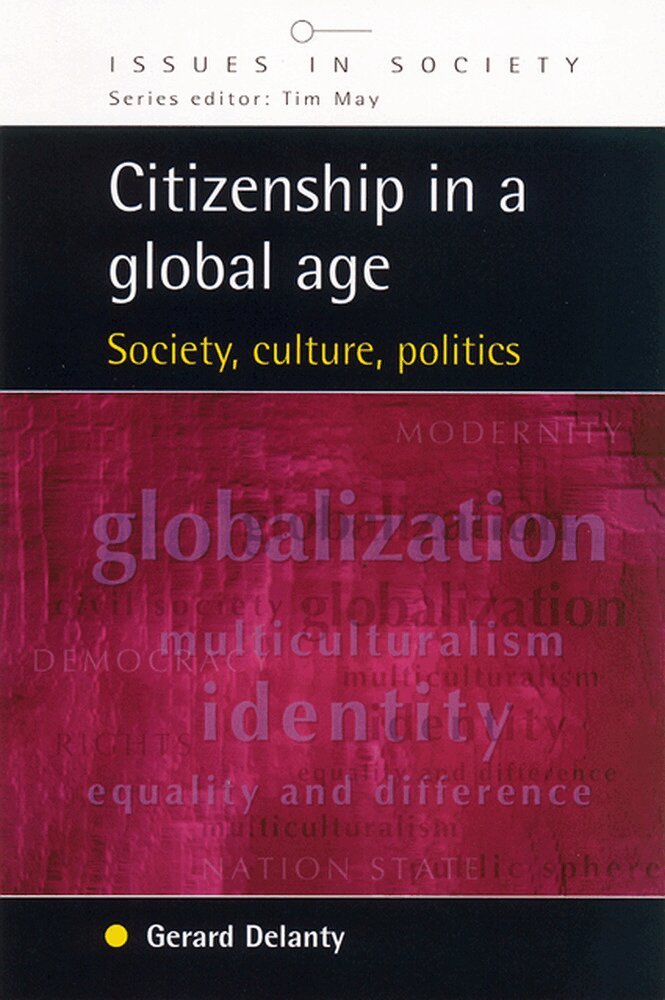
* What is citizenship?* Is global citizenship possible?* Can cosmopolitanism provide an alternative to globalization?Citizenship in a Global Age provides a comprehensive and concise overview of the main debates on citizenship and the implications of globalization. It argues that citizenship is no longer defined by nationality and the nation state, but has become de-territorialized and fragmented into the separate discourses of rights, participation, responsibility and identity. Gerard Delanty claims that cosmopolitanism is increasingly becoming a significant force in the global world due to new expressions of cultural identity, civic ties, human rights, technological innovations, ecological sustainability and political mobilization. Citizenship is no longer exclusively about the struggle for social equality but has become a major site of battles over cultural identity and demands for the recognition of group difference. Delanty argues that globalization both threatens and supports cosmopolitan citizenship. Critical of the prospects for a global civil society, he defends the alternative idea of a more limited cosmopolitan public sphere as a basis for new kinds of citizenship that have emerged in a global age.
524 kr
Skickas inom 3-6 vardagar
* What does 'social structure' mean?* What are the principal ways in which societies are 'organized' or 'structured'?* How can structural ideas be used in sociological analysis?Despite the importance of the concept of social structure, sociologists have not agreed on how to define it and discussions have been plagued by confusion. In this concise and enlightening text, Jose Lopez and John Scott argue that analysing the conceptual frameworks in which different concepts of social structure are embedded can help to clarify their meanings and reshape debates. They show that competing conceptions of social structure can be seen as capturing significant and different aspects of the reality of social organization. Social Structure is organized around a discussion of 'institutional structure', 'relational structure' and 'embodied structure'. It argues that these conceptions of social structure can be fruitfully combined in order to provide a richer and more powerful overview, incorporating the work of principal contributors from Marx and Durkheim, through Parsons and Simmel, to Giddens, Foucault and Bourdieu. The book provides essential reading for undergraduate courses in sociology, social anthropology, and the history and philosophy of social thought, as well as representing an invaluable reference for researchers interested in social structure and surrounding issues.
410 kr
Skickas inom 3-6 vardagar
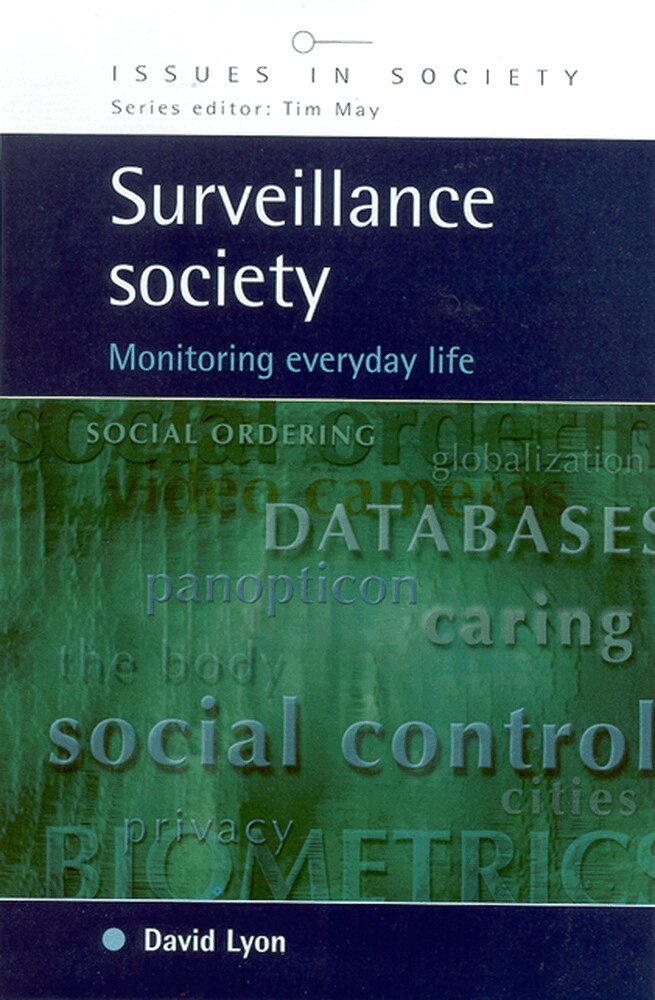
In what ways does contemporary surveillance reinforce social divisions?How are police and consumer surveillance becoming more similar as they are automated?Are we forced to choose between classical and poststructuralist approaches in explaining surveillance?Why is surveillance both expanding globally and focusing more on the human body?Surveillance Society takes a post-privacy approach to surveillance with a fresh look at the relations between technology and society. Personal data is collected from us all the time, whether we know it or not, through identity numbers, camera images, or increasingly by other means such as fingerprint and retinal scans. This book examines the constant computer-based scrutiny of ordinary daily life for citizens and consumers as they participate in contemporary societies. It argues that to understand what is happening we have to go beyond Orwellian alarms and cries for more privacy to see how such surveillance also reinforces divisions by sorting people into social categories. The issues spill over narrow policy and legal boundaries to generate responses at several levels including local consumer groups, internet activism, and international social movements. In this fascinating study, sociologies of new technology and social theories of surveillance are illustrated with examples from North America, Europe, and Pacific Asia.
David Lyon provides an invaluable text for undergraduate and postgraduate sociology courses both in social theory and in science, technology and society. It will also appeal much more widely, for example to those with an interest in politics, social control, human geography and public administration.