Monograph Series of the Socio-Economic History Society, Japan – serie
Visar alla böcker i serien Monograph Series of the Socio-Economic History Society, Japan. Handla med fri frakt och snabb leverans.
12 produkter
12 produkter
Inbunden, Engelska, 2015
544 kr
Skickas inom 10-15 vardagar
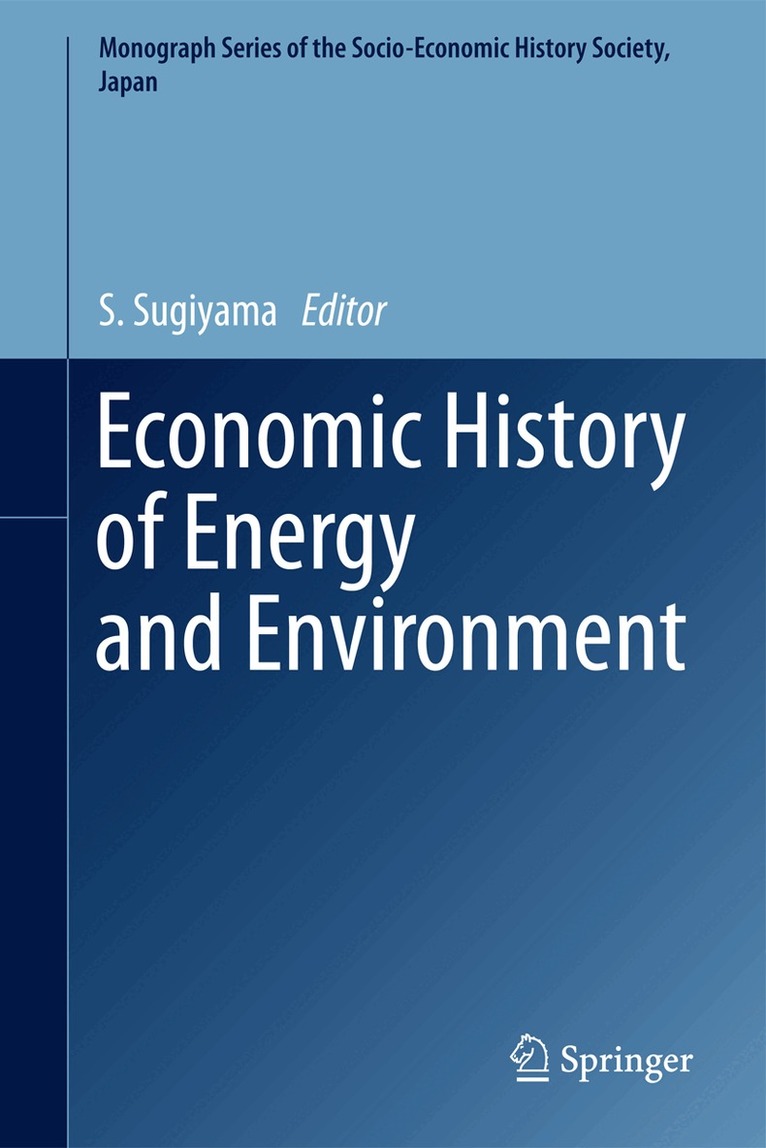
This book is the first volume of a monograph series published by the Socio-Economic History Society, Japan. The purpose of the series is to make works by Japanese scholars accessible to a wider readership and to increase the knowledge of scholars in this field, particularly in relation to Asia. This volume includes four chapters on energy and the environment of Japan, China and Britain and four short book reviews on recent academic works published in Japanese and English. The four chapters cover the following topics: the relationship between deforestation and the development of the silk reeling industry in a district of Nagano Prefecture (central Japan) from the 1870s to the 1900s and the subsequent shift from firewood to coal; the importance of timber supplies for the development of industry as illustrated by a case study on the supply of timber for use as rail sleepers in the Japanese national railway network during the prewar period; a methodological survey of the history of ecology and the environment in China; and an analysis of the British Smoke Nuisance Abatement Act of 1821 as a measure that incorporated the interests of politicians, landlords and industrialists.
Inbunden, Engelska, 2016
560 kr
Skickas inom 10-15 vardagar
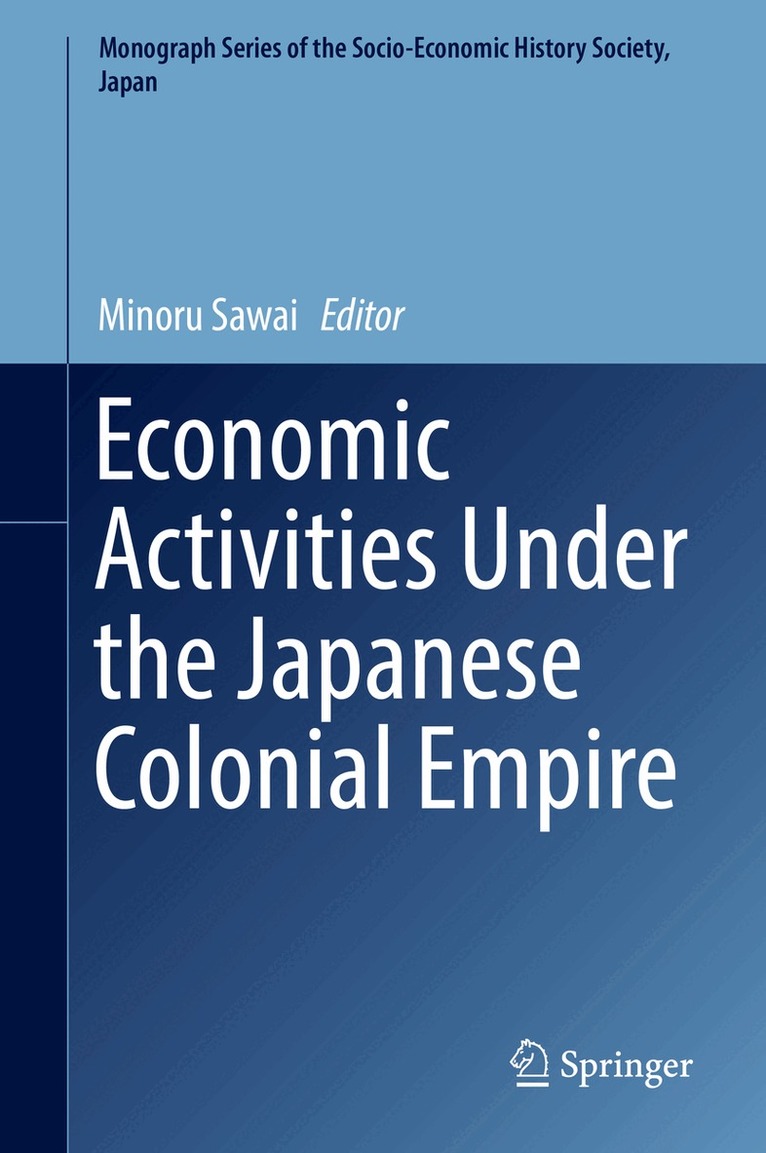
The mainfocus of this editedvolume is an examination of dynamic relationships among Japan, Taiwan, Korea, and the northeastern region of China, and the economic development of each area in East Asia from the 1910s to the end of WorldWar II. The development of foreign trade in East Asia, therelations between industrialization and consumption in Korea, the transactions infertilizers and the development of small-scale industries in Taiwan are preciselyexamined. Atpresent, East Asia is a major economic center of the world. It is necessary to lookclosely not only at both sides of the “exploitation or development undercolonization” paradigm but also at the prewar factors that spurred East Asian economicgrowth in the postwar decades. A noteworthy characteristic of the Japanese colonial empirewas the close economic and geographic relations among Japan, Taiwan, Korea, and the northeastern region of China. Economic integration within the empire strengthenedconsiderably in the interwar years and remained high even during the war ascompared to that in European countries and their colonies. What was theirreversible change in each colonial economy by means of forced incorporationinto the Japanese empire? What was the impact on economic subjects such asmerchants, manufacturers, managers, and workers through the colonial regime? Thisbook provides readers with broad perspectives that are indispensable given thatthe factors discussed herein are the historical origins of current issues.
Häftad, Engelska, 2016
560 kr
Skickas inom 10-15 vardagar
This book is the first volume of a monograph series published by the Socio-Economic History Society, Japan. The purpose of the series is to make works by Japanese scholars accessible to a wider readership and to increase the knowledge of scholars in this field, particularly in relation to Asia. This volume includes four chapters on energy and the environment of Japan, China and Britain and four short book reviews on recent academic works published in Japanese and English. The four chapters cover the following topics: the relationship between deforestation and the development of the silk reeling industry in a district of Nagano Prefecture (central Japan) from the 1870s to the 1900s and the subsequent shift from firewood to coal; the importance of timber supplies for the development of industry as illustrated by a case study on the supply of timber for use as rail sleepers in the Japanese national railway network during the prewar period; a methodological survey of the history of ecology and the environment in China; and an analysis of the British Smoke Nuisance Abatement Act of 1821 as a measure that incorporated the interests of politicians, landlords and industrialists.
Häftad, Engelska, 2018
560 kr
Skickas inom 10-15 vardagar
The mainfocus of this editedvolume is an examination of dynamic relationships among Japan, Taiwan, Korea, and the northeastern region of China, and the economic development of each area in East Asia from the 1910s to the end of WorldWar II. The development of foreign trade in East Asia, therelations between industrialization and consumption in Korea, the transactions infertilizers and the development of small-scale industries in Taiwan are preciselyexamined. Atpresent, East Asia is a major economic center of the world. It is necessary to lookclosely not only at both sides of the “exploitation or development undercolonization” paradigm but also at the prewar factors that spurred East Asian economicgrowth in the postwar decades. A noteworthy characteristic of the Japanese colonial empirewas the close economic and geographic relations among Japan, Taiwan, Korea, and the northeastern region of China. Economic integration within the empire strengthenedconsiderably in the interwar years and remained high even during the war ascompared to that in European countries and their colonies. What was theirreversible change in each colonial economy by means of forced incorporationinto the Japanese empire? What was the impact on economic subjects such asmerchants, manufacturers, managers, and workers through the colonial regime? Thisbook provides readers with broad perspectives that are indispensable given thatthe factors discussed herein are the historical origins of current issues.
Inbunden, Engelska, 2016
1 113 kr
Skickas inom 10-15 vardagar
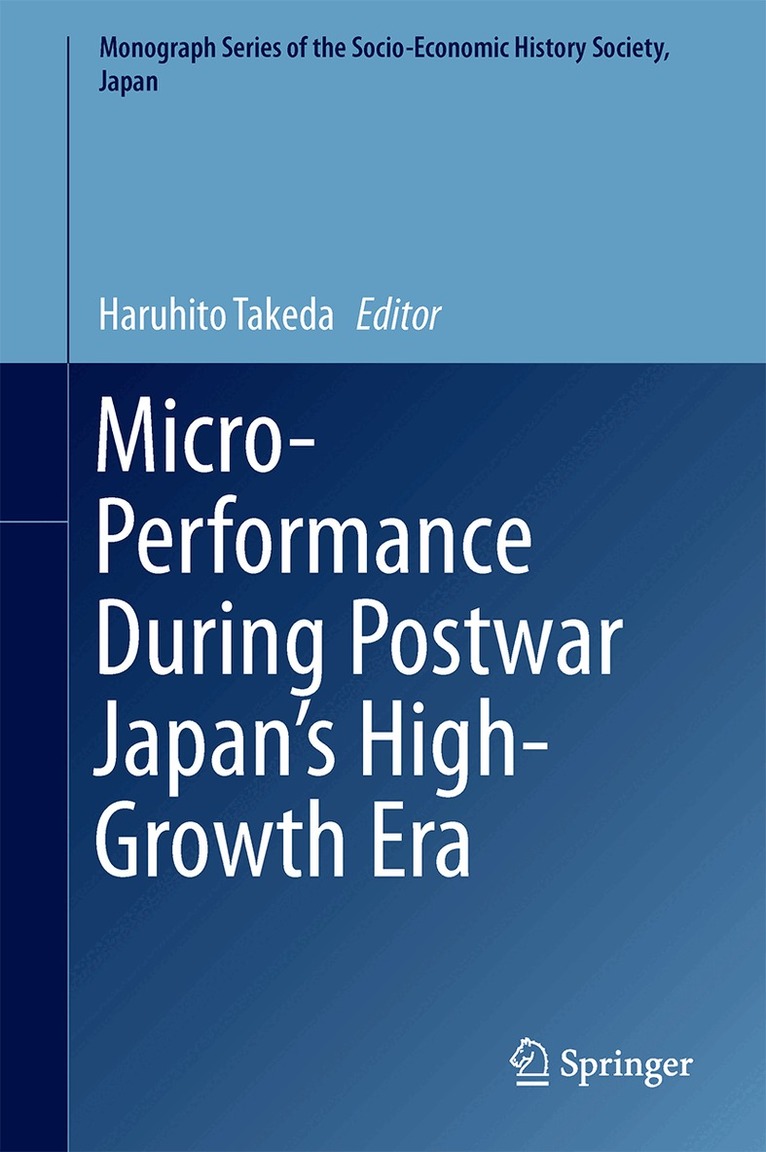
The aim of this book is to analyze Japan's high-growth economy, in particular to clarify the kinds of changes in people’s lives that were generated by high growth. The present volume focuses not on the macro-economic mechanisms that expanded the scale of the economy, but on the micro-economic changes that were effected in everyday life. The emergence of a mass consumption society as a result of economic growth suggests that people's lifestyles and consumer behavior changed in various ways. The first chapter focuses on the apparel industry's expanding market as it corresponded to changes in consumer behavior. Even as consumer life became more comfortable and abundant, consumers were becoming uneasy about the environmental deterioration associated with high growth. The second chapter examines how the Japanese government addressed emissions regulations while drawing on the lessons of America's experience with the same issue.The change in industrial structure brought aboutby economic growth inevitably resulted in the decline of other industries. Chief among these was the coal-mining industry, which, with the onset of a full-scale energy revolution, lost its role as energy supplier owing to the import of cheap crude oil. The third chapter discusses the government's industrial policies as they addressed the coal industry's adjustment in the high-growth era, concluding that they reduced such problems as stagnation, unemployment, and local industrial decline. The adjustments in employment practices contributed positively to the gradual shift of labor from declining industries to growth industries. The fourth chapter investigates changes in labor management in the steel industry, which was one of the high-growth era's leading industries. This publication will serve as a valuable resource for those who are interested not only in the post-war history in Japan but also in high growth economies in recent East Asia.
Inbunden, Engelska, 2017
1 224 kr
Skickas inom 10-15 vardagar
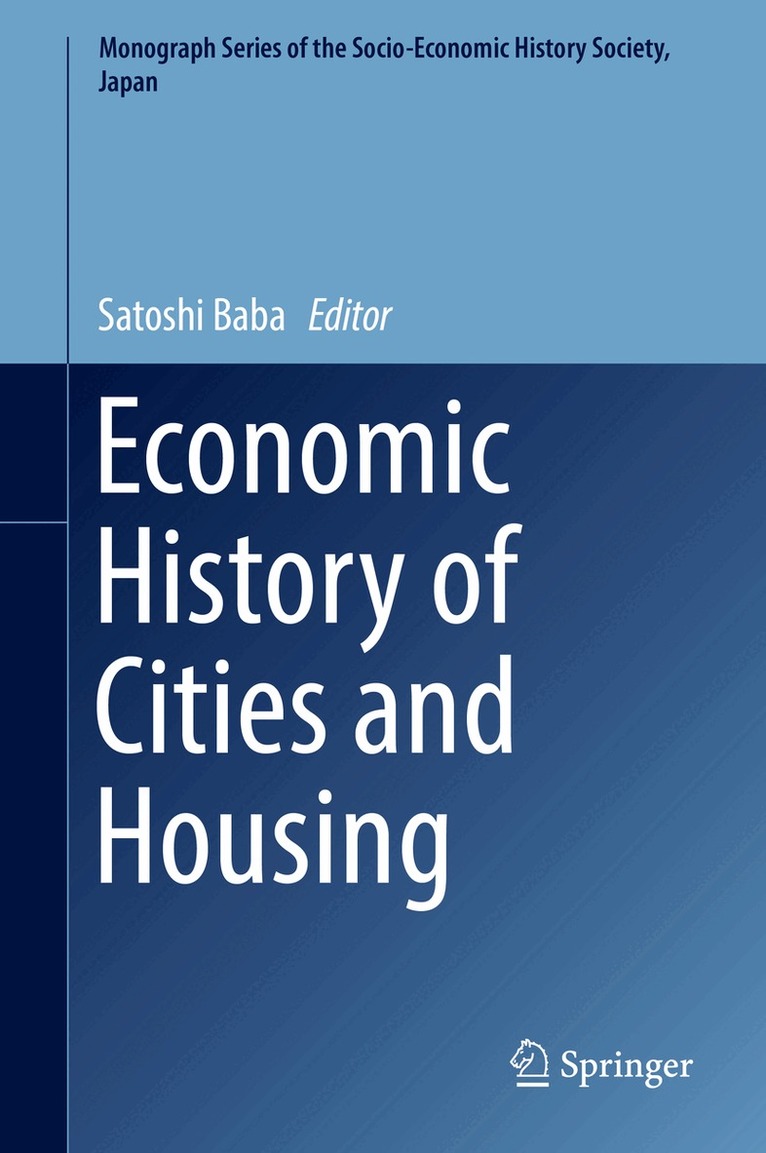
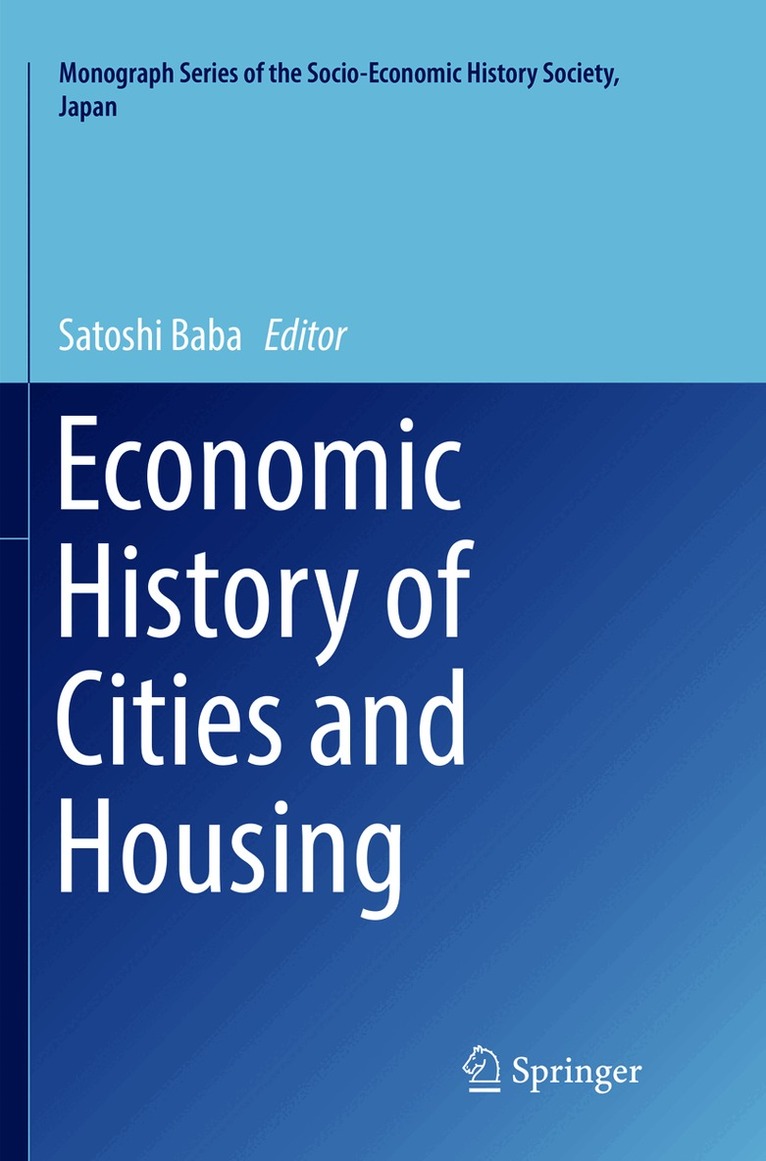
This book focuses on urbanization as an attendant consequence of industrialization and sheds light on urban problems such as housing shortages and poverty of jobless people, and the housing and social policies implemented by central and local governments to deal with these problems. Through this book, the volume editor and authors convey the view that urbanization transformed economy and society spatially and in quality, and caused the change of central and local administration in the process of tackling various urban problems. The book features recent academic works on economic history of the city and housing, researched from an advanced perspective of comparative history in Japan. The aim of this book is to make works by Japanese scholars accessible to a wider readership throughout the world.This edited volume includes four articles (chapters) and four book reviews originally published in Japanese and subsequently translated into English. The first chapter analyzes the characteristics of the urbanization that occurred under the land readjustment projects implemented from the Sino-Japanese War to the reforms following World War II, by focusing on the conflict between landowners and peasants in Japan. The second chapter examines the construction of urban housing following Japan’s defeat in World War II, focusing on the reconstruction of war-damaged housing from the perspective of the creation and distribution of private residential space under Japan’s postwar regulatory regime. The third chapter examines the adoption of communal unemployment insurance systems in Wilhelmine Germany, focusing on the Genter system, in which the municipalities paid subsidies to the trade unions that provided their out-of-work members with unemployment benefits. The last chapter investigates the accumulation of the mechanical engineering industry in Paris region during the period 1939–1958, focusing on the role of the subcontracting system.
Häftad, Engelska, 2018
1 113 kr
Skickas inom 10-15 vardagar
The aim of this book is to analyze Japan's high-growth economy, in particular to clarify the kinds of changes in people’s lives that were generated by high growth. The present volume focuses not on the macro-economic mechanisms that expanded the scale of the economy, but on the micro-economic changes that were effected in everyday life. The emergence of a mass consumption society as a result of economic growth suggests that people's lifestyles and consumer behavior changed in various ways. The first chapter focuses on the apparel industry's expanding market as it corresponded to changes in consumer behavior. Even as consumer life became more comfortable and abundant, consumers were becoming uneasy about the environmental deterioration associated with high growth. The second chapter examines how the Japanese government addressed emissions regulations while drawing on the lessons of America's experience with the same issue.The change in industrial structure brought aboutby economic growth inevitably resulted in the decline of other industries. Chief among these was the coal-mining industry, which, with the onset of a full-scale energy revolution, lost its role as energy supplier owing to the import of cheap crude oil. The third chapter discusses the government's industrial policies as they addressed the coal industry's adjustment in the high-growth era, concluding that they reduced such problems as stagnation, unemployment, and local industrial decline. The adjustments in employment practices contributed positively to the gradual shift of labor from declining industries to growth industries. The fourth chapter investigates changes in labor management in the steel industry, which was one of the high-growth era's leading industries. This publication will serve as a valuable resource for those who are interested not only in the post-war history in Japan but also in high growth economies in recent East Asia.
Inbunden, Engelska, 2018
1 113 kr
Skickas inom 10-15 vardagar
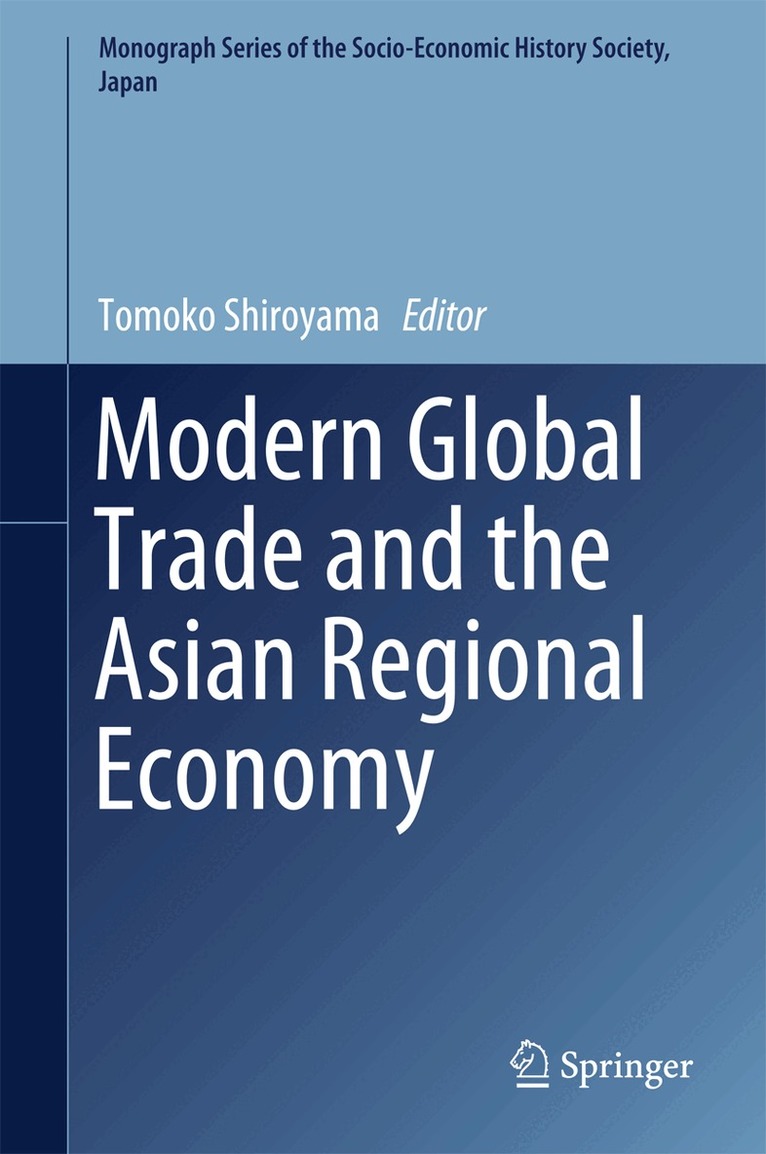
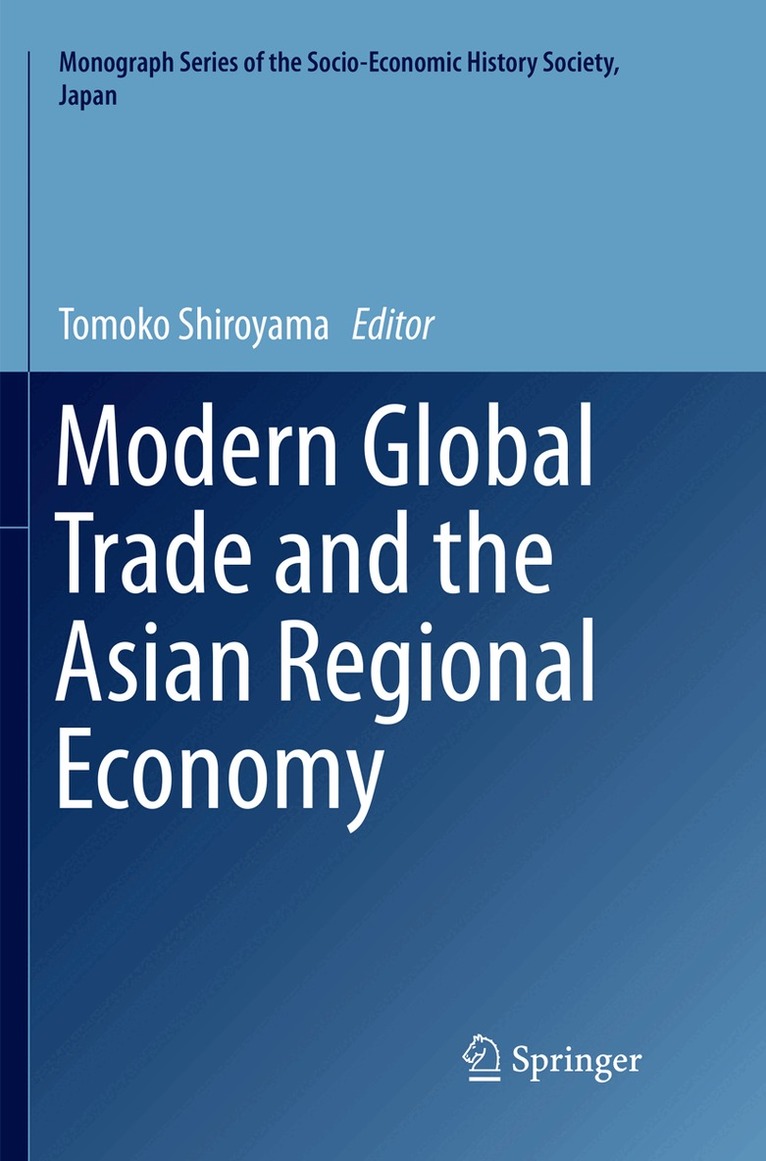
This volume undertakes the important task of envisioning a regional history of Asia based on its unique internal characteristics, going beyond the usual West/non-West dichotomy. The “regional trade zone of modern Asia” was debated in the 1980s. Since then, Japanese historians of the socioeconomic history of Asia have explored how the traditional trade relations that had developed over the centuries in Asia responded to the so-called Western impacts in the mid-nineteenth century, including the opening of ports and tariff reduction under free trade regimes and the advance in transportation technology. Against this academic background, the four chapters in this volume examine how overseas Chinese, some of the key actors in regional and local trade, dealt with their Western counterparts, and how Asian commodities penetrated other parts of the world through the newly created web of global commerce. The book reviews discuss theoretical issues to explore various connections among and comparisons of the economies in the region. This volume provides readers with critical insights into the Asian region in the past and present by investigating the long-term trajectory of its linkages to the global economy.
Häftad, Engelska, 2018
1 113 kr
Skickas inom 10-15 vardagar
This volume undertakes the important task of envisioning a regional history of Asia based on its unique internal characteristics, going beyond the usual West/non-West dichotomy. The “regional trade zone of modern Asia” was debated in the 1980s. Since then, Japanese historians of the socioeconomic history of Asia have explored how the traditional trade relations that had developed over the centuries in Asia responded to the so-called Western impacts in the mid-nineteenth century, including the opening of ports and tariff reduction under free trade regimes and the advance in transportation technology. Against this academic background, the four chapters in this volume examine how overseas Chinese, some of the key actors in regional and local trade, dealt with their Western counterparts, and how Asian commodities penetrated other parts of the world through the newly created web of global commerce. The book reviews discuss theoretical issues to explore various connections among and comparisons of the economies in the region. This volume provides readers with critical insights into the Asian region in the past and present by investigating the long-term trajectory of its linkages to the global economy.
Häftad, Engelska, 2018
1 188 kr
Skickas inom 10-15 vardagar
This book focuses on urbanization as an attendant consequence of industrialization and sheds light on urban problems such as housing shortages and poverty of jobless people, and the housing and social policies implemented by central and local governments to deal with these problems. Through this book, the volume editor and authors convey the view that urbanization transformed economy and society spatially and in quality, and caused the change of central and local administration in the process of tackling various urban problems. The book features recent academic works on economic history of the city and housing, researched from an advanced perspective of comparative history in Japan. The aim of this book is to make works by Japanese scholars accessible to a wider readership throughout the world.This edited volume includes four articles (chapters) and four book reviews originally published in Japanese and subsequently translated into English. The first chapter analyzes the characteristics of the urbanization that occurred under the land readjustment projects implemented from the Sino-Japanese War to the reforms following World War II, by focusing on the conflict between landowners and peasants in Japan. The second chapter examines the construction of urban housing following Japan’s defeat in World War II, focusing on the reconstruction of war-damaged housing from the perspective of the creation and distribution of private residential space under Japan’s postwar regulatory regime. The third chapter examines the adoption of communal unemployment insurance systems in Wilhelmine Germany, focusing on the Genter system, in which the municipalities paid subsidies to the trade unions that provided their out-of-work members with unemployment benefits. The last chapter investigates the accumulation of the mechanical engineering industry in Paris region during the period 1939–1958, focusing on the role of the subcontracting system.
Inbunden, Engelska, 2019
1 224 kr
Skickas inom 10-15 vardagar
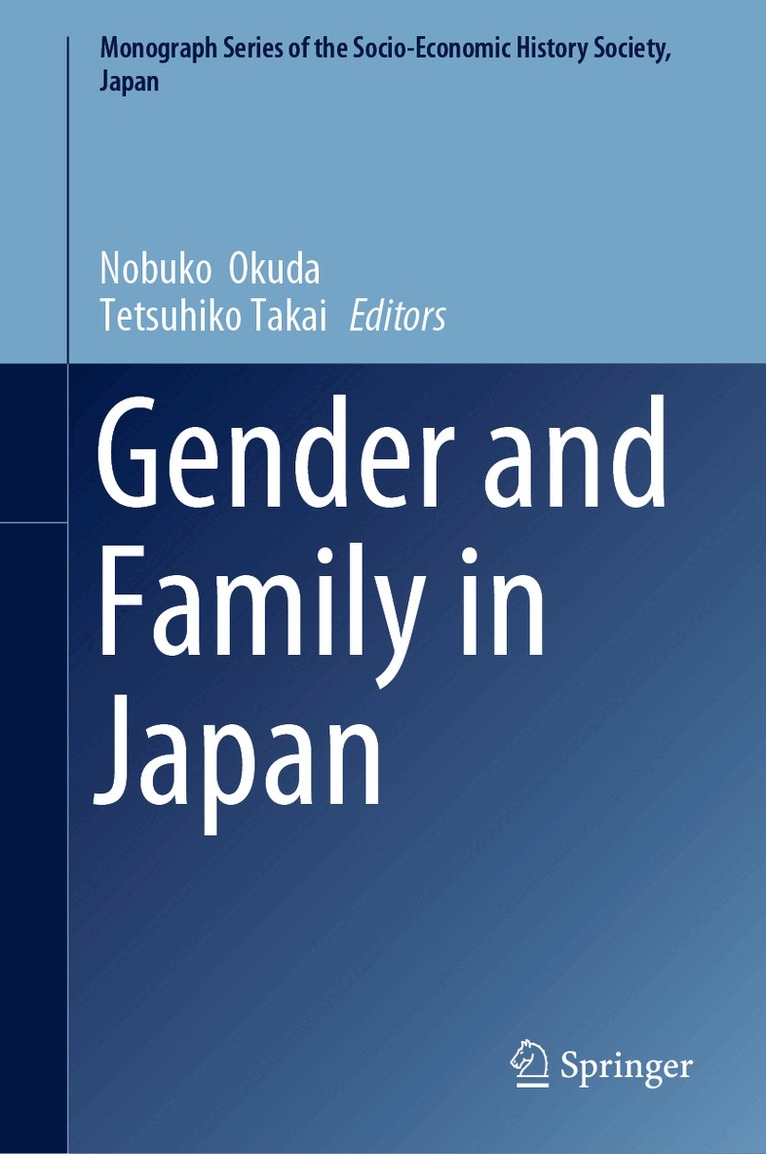
This book is the 6th volume of the Monograph Series of the Socio-Economic History Society, Japan. The book focuses on how economic developments changed the everyday lives of ordinary women in early-modern and modern Japan. Different from precedent gender studies, the spotlight here is on the daily activities and structural positions of women rather than feminist movements or activities of elite women. Using demography, anthropometrics, and labour economics, this book explicates childcare, physical development of girls, and women’s labour migration. The dynamics of ordinary women in prewar Japan may change deep-rooted images of women as oppressed beings. Using quantitative data multi-dimensionally with the latest statistical analysis methods, this book shows how Japanese economic historians can contribute to historians of gender and family who are interested in early-modern and modern Japan. The first part consists of four chapters that discuss women migrant workers in the Tokugawa period, women’s work, and family strategies in the underdeveloped regions of the country, conflicts between child-rearing and women’s work on family farms, and living standards of teenaged girls in early twentieth-century Japan. Those chapters provide a bridge between economic historians and feminist historians and articulate new research fields for both. The second part, comprising four book reviews, illustrates how the gender concept has been adopted in family and gender historiography in Japan.
Häftad, Engelska, 2021
1 224 kr
Skickas inom 10-15 vardagar
This book is the 6th volume of the Monograph Series of the Socio-Economic History Society, Japan. The book focuses on how economic developments changed the everyday lives of ordinary women in early-modern and modern Japan. Different from precedent gender studies, the spotlight here is on the daily activities and structural positions of women rather than feminist movements or activities of elite women. Using demography, anthropometrics, and labour economics, this book explicates childcare, physical development of girls, and women’s labour migration. The dynamics of ordinary women in prewar Japan may change deep-rooted images of women as oppressed beings. Using quantitative data multi-dimensionally with the latest statistical analysis methods, this book shows how Japanese economic historians can contribute to historians of gender and family who are interested in early-modern and modern Japan. The first part consists of four chapters that discuss women migrant workers in the Tokugawa period, women’s work, and family strategies in the underdeveloped regions of the country, conflicts between child-rearing and women’s work on family farms, and living standards of teenaged girls in early twentieth-century Japan. Those chapters provide a bridge between economic historians and feminist historians and articulate new research fields for both. The second part, comprising four book reviews, illustrates how the gender concept has been adopted in family and gender historiography in Japan.