John and Robin Dickson Series in Texas Music - Böcker
Visar alla böcker i serien John and Robin Dickson Series in Texas Music. Handla med fri frakt och snabb leverans.
3 produkter
3 produkter
251 kr
Skickas inom 7-10 vardagar
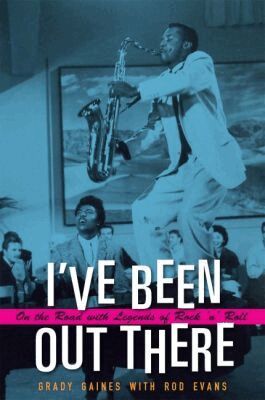
In the 1950s, as the leader of the Upsetters, the original backing band for rock pioneer Little Richard, Grady Gaines first exposed the music world to his unique brand of “honkin',” bombastic, attitude-drenched saxophone playing.In the years that followed, the Upsetters became the backing band for Sam Cooke and crisscrossed the country as the go-to-band for revue-style tours featuring James Brown, Gladys Knight and the Pips, the Supremes, Jackie Wilson, Little Willie John, and Etta James.In I've Been Out There, the Houston blues and R&B legend Grady Gaines speaks candidly about his sixty-year music career and life on the road supporting some of the biggest names in blues, soul, and R&B. This annotated autobiographical account details Gaines's professional triumphs and personal sacrifices.The book contains anecdotes about life on the road and in the studio during a period when the entertainment industry was vastly different, affording readers a glimpse into the creative makeup of a man whose distinctive sax playing powered some of the most popular songs of the era, helped define the genre, and mesmerized countless audiences.
306 kr
Skickas inom 7-10 vardagar
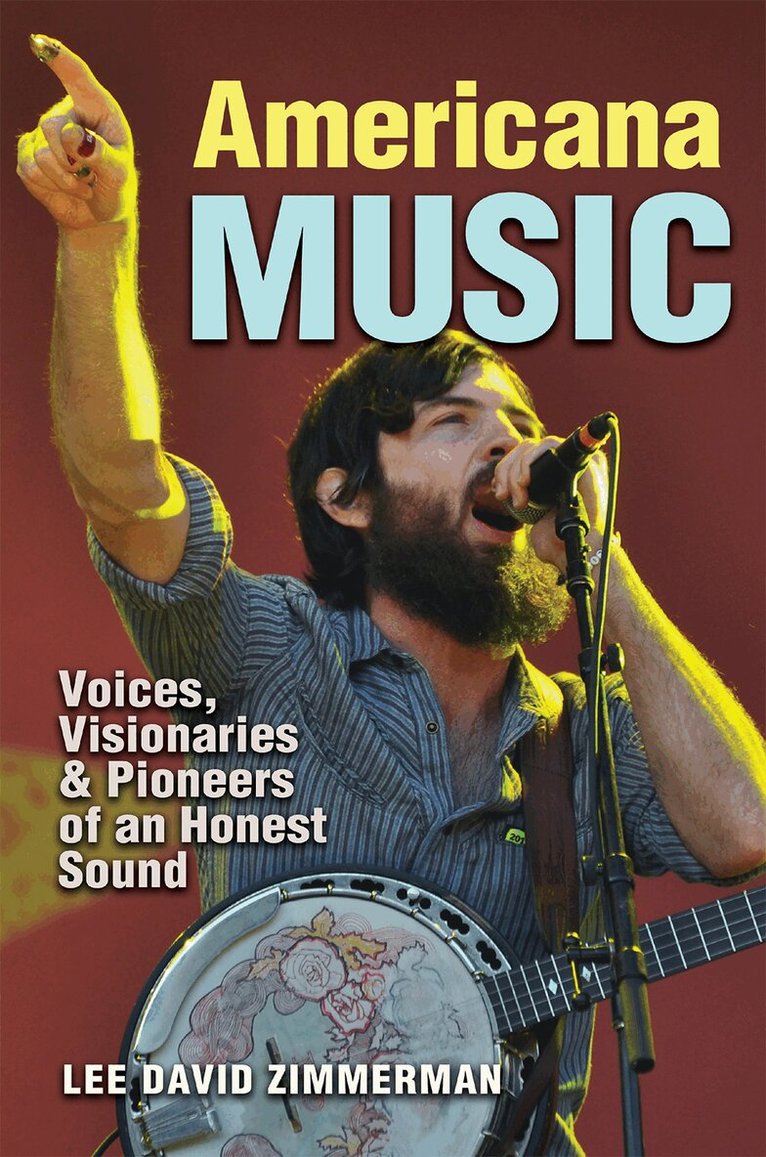
With roots in Appalachia, the Mississippi Delta, New Orleans, the Piedmont, Memphis, and the prairies of Texas and the American West, the musical genre called Americana can prove difficult to define. Nevertheless, this burgeoning trend in American popular music continues to expand and develop, winning new audiences and engendering fresh, innovative artists at an exponential rate.As Lee Zimmerman illustrates in Americana Music: Voices, Visionaries, and Pioneers of an Honest Sound, “Americana” covers a gamut of sounds and styles. In its strictest sense, it is a blanket term for bluegrass, country, mountain music, rockabilly, and the blues. By a broader definition, it can encompass roots rock, country rock, singer/songwriters, R&B, and their various combinations. Bob Dylan, Hank Williams, Carl Perkins, and Tom Petty can all lay valid claims as purveyors of Americana, but so can Elvis Costello, Solomon Burke, and Jason Isbell. Americana is new and old, classic and contemporary, trendy and traditional.Mining the firsthand insights of those whose stories help shape the sound—people such as Ralph Stanley, John McEuen (Nitty Gritty Dirt Band), Chris Hillman (Byrds, Flying Burrito Brothers), Paul Cotton and Rusty Young (Poco), Shawn Colvin, Kinky Friedman, David Bromberg, the Avett Brothers, Amanda Shires, Ruthie Foster, and many more—Americana Music provides a history of how Americana originated, how it reached a broader audience in the '60s and '70s with the merging of rock and country, and how it evolved its overwhelmingly populist appeal as it entered the new millennium.
306 kr
Skickas inom 7-10 vardagar
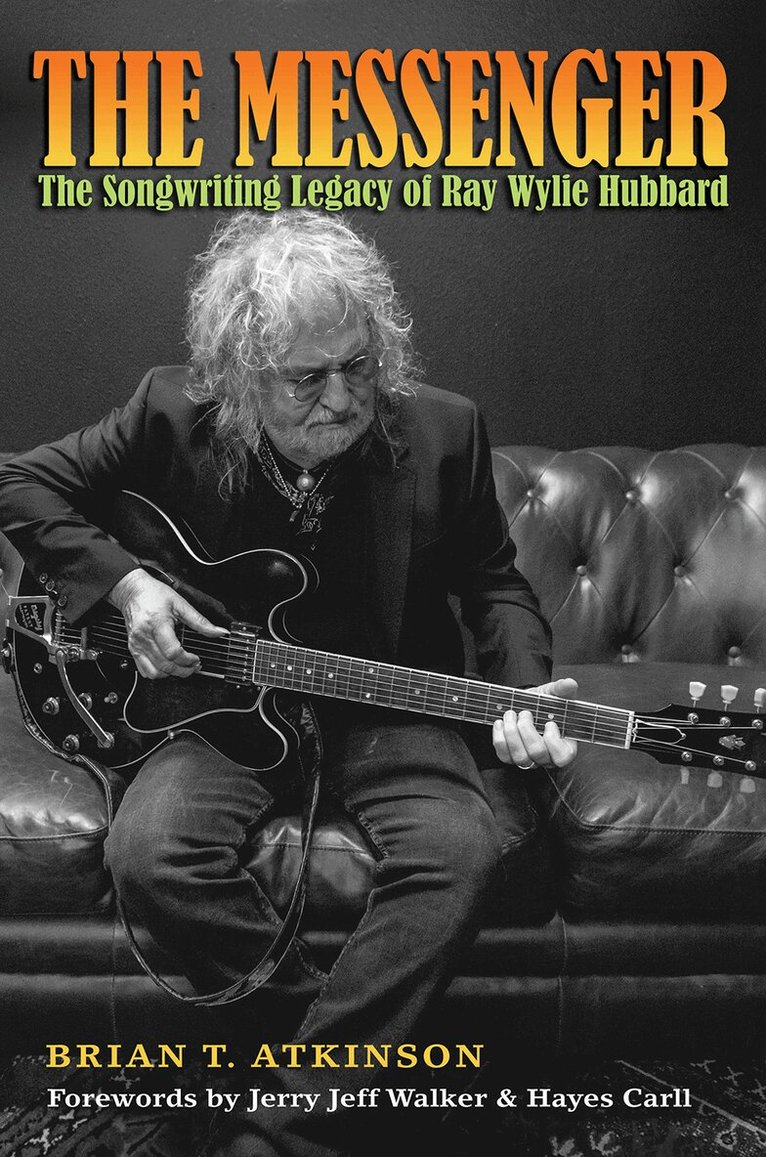
Texas singer-songwriter Hayes Carll declared, "Ray would be at the top of the list if I were gonna read about somebody's life." In The Messenger: The Songwriting Legacy of Ray Wylie Hubbard, author, journalist, and music producer Brian T. Atkinson demonstrates why Carll and so many others hold Ray Wylie Hubbard in such high regard. Atkinson takes readers into and beyond the seedy bar in Red River, New Mexico, where the incident occurred that inspired Hubbard's most famous song, "Redneck Mother." Hubbard tells the stories, and Atkinson enlists other musicians to expound on the nature of his abiding influence as songwriter, musician, and unflinching teller of uncomfortable truths.Featuring interviews with well-known artists such as Eric Church, Steve Earle, Kinky Friedman, Chris Robinson, and Jerry Jeff Walker, and also mining the insights of up-and-comers such as Elizabeth Cook, Jaren Johnston, Ben Kweller, Aaron Lee Tasjan, and Paul Thorn, The Messenger makes clear why so many musicians across a wide spectrum admire Ray Wylie Hubbard. Readers will also learn why "Redneck Mother," the song that put Hubbard on the map for most listeners, is also a curse, of sorts, in its diminution of both his spiritual depth as a lyricist and his multidimensional musical reach. As Hubbard himself says, "The song probably should have never been written, let alone recorded, let alone recorded again.. . . the most important part of songwriting is right after you write a song, ask yourself, "Can I sing this for twenty-five years?'" Atkinson's work makes a convincing case that Ray Wylie Hubbard's truest and most lasting contributions will long outlive him. And, with a couple of good breaks, they may even outlive "Redneck Mother.