Latinx Histories - Böcker
Visar alla böcker i serien Latinx Histories. Handla med fri frakt och snabb leverans.
10 produkter
10 produkter
1 095 kr
Skickas inom 10-15 vardagar
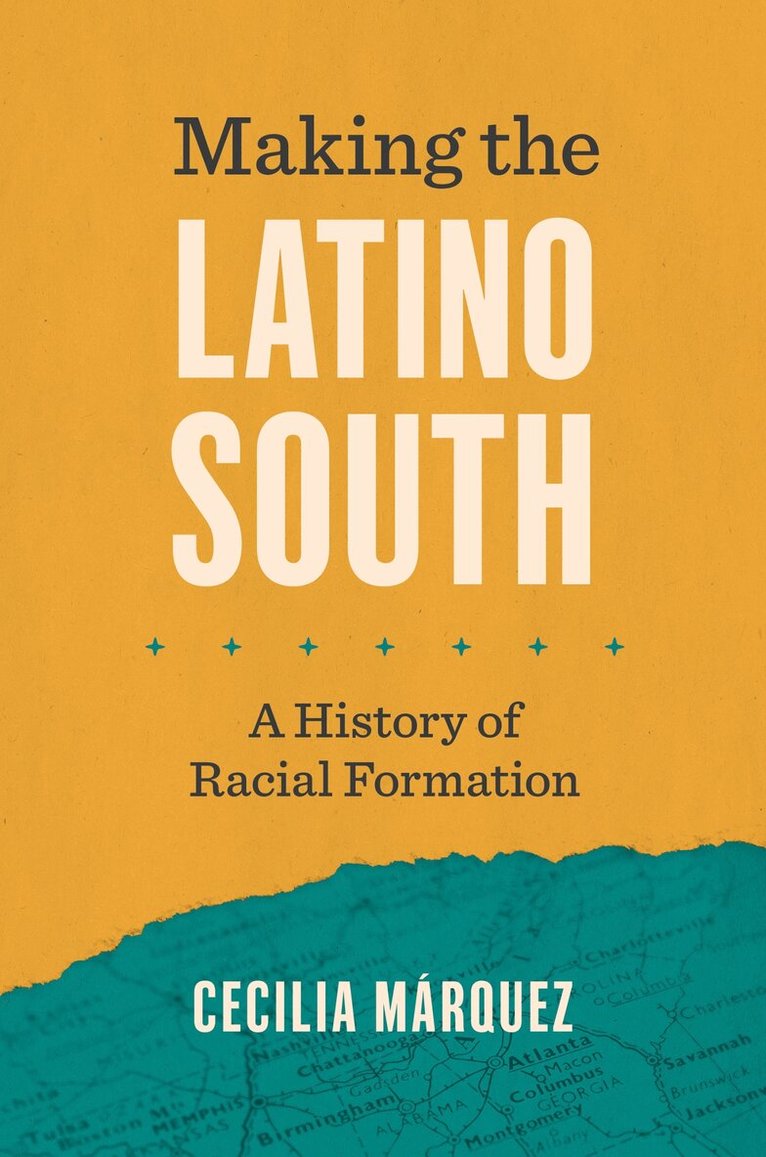
In the 1940s South, it seemed that non-Black Latino people were on the road to whiteness. In fact, in many places throughout the region governed by Jim Crow, they were able to attend white schools, live in white neighborhoods, and marry white southerners. However, by the early 2000s, Latino people in the South were routinely cast as "illegal aliens" and targeted by some of the harshest anti-immigrant legislation in the country. This book helps explain how race evolved so dramatically for this population over the course of the second half of the twentieth century. Cecilia Marquez guides readers through time and place from Washington, DC, to the deep South, tracing how non-Black Latino people moved through the region's evolving racial landscape. In considering Latino presence in the South's schools, its workplaces, its tourist destinations, and more, Marquez tells a challenging story of race-making that defies easy narratives of progressive change and promises to reshape the broader American histories of Jim Crow, the civil rights movement, immigration, work, and culture.
296 kr
Skickas inom 10-15 vardagar
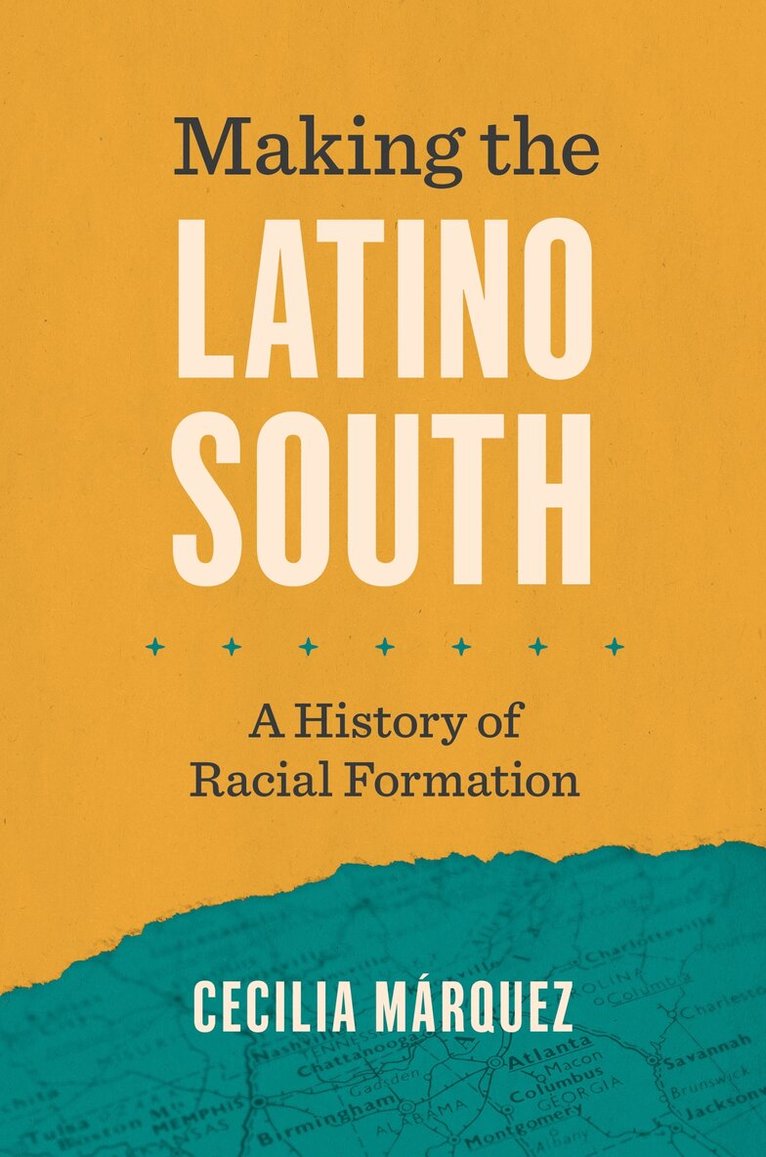
In the 1940s South, it seemed that non-Black Latino people were on the road to whiteness. In fact, in many places throughout the region governed by Jim Crow, they were able to attend white schools, live in white neighborhoods, and marry white southerners. However, by the early 2000s, Latino people in the South were routinely cast as "illegal aliens" and targeted by some of the harshest anti-immigrant legislation in the country. This book helps explain how race evolved so dramatically for this population over the course of the second half of the twentieth century. Cecilia Marquez guides readers through time and place from Washington, DC, to the deep South, tracing how non-Black Latino people moved through the region's evolving racial landscape. In considering Latino presence in the South's schools, its workplaces, its tourist destinations, and more, Marquez tells a challenging story of race-making that defies easy narratives of progressive change and promises to reshape the broader American histories of Jim Crow, the civil rights movement, immigration, work, and culture.
1 095 kr
Skickas inom 10-15 vardagar
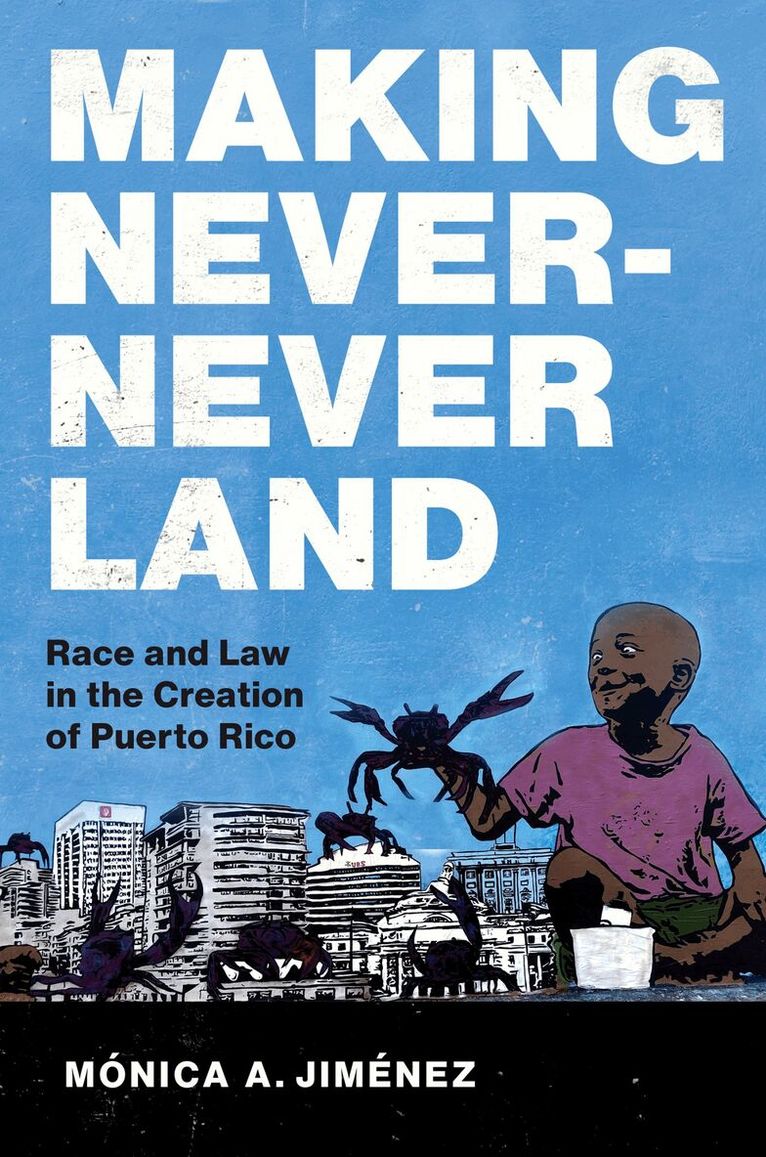
Puerto Rico has been an "unincorporated territory" of the United States for over a century. For much of that time, the archipelago has been mostly invisible to US residents and neglected by the government. Recently, a series of crises, from outsized debt to climate fueled disasters, have led to massive protests and brought Puerto Rico greater visibility. Monica A. Jimenez argues that to fully understand how and why Puerto Rico finds itself in this current moment of precarity, we must look to a larger history of US settler colonialism and racial exclusion in law. The federal policies and jurisprudence that created Puerto Rico exist within a larger pantheon of exclusionary, race-based laws and policies that have carved out "states of exception" for racial undesirables: Native Americans, African Americans, and the inhabitants of the insular territories. This legal regime has allowed the federal government plenary or complete power over these groups. Jimenez brings these histories together to demonstrate that despite Puerto Rico's unique position as a twenty-first-century colony, its path to that place was not exceptional.
269 kr
Skickas inom 10-15 vardagar
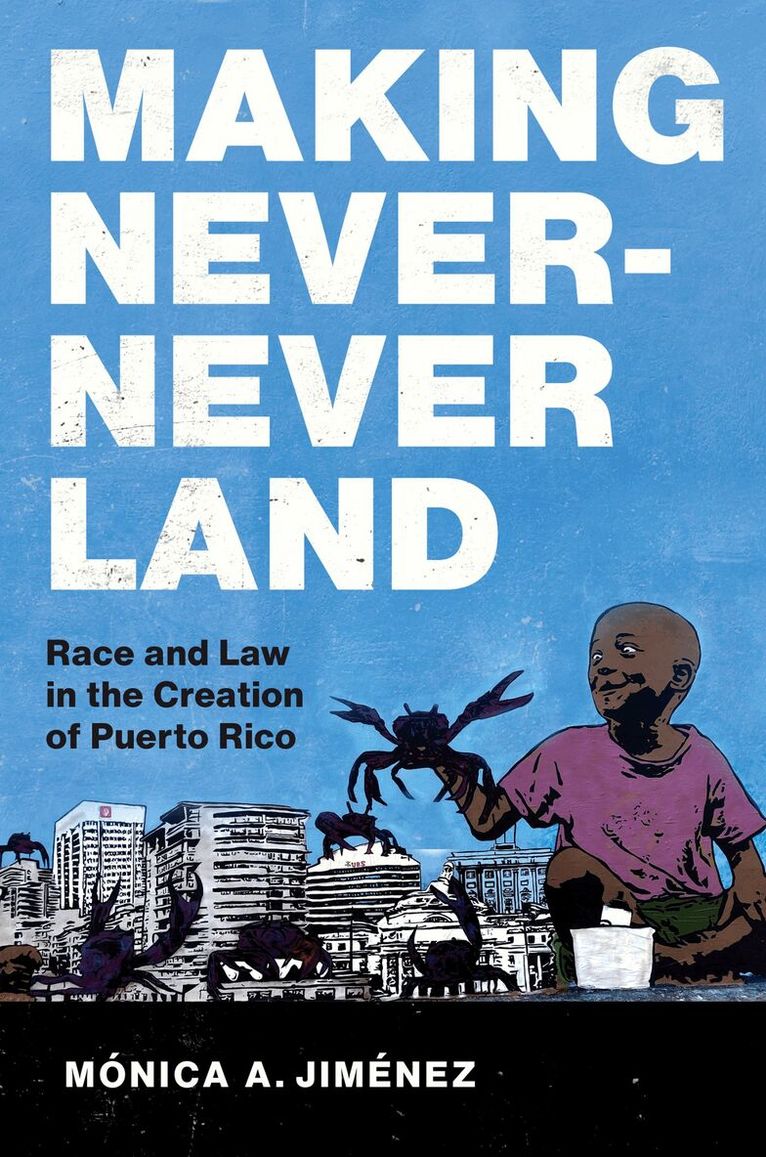
Puerto Rico has been an "unincorporated territory" of the United States for over a century. For much of that time, the archipelago has been mostly invisible to US residents and neglected by the government. Recently, a series of crises, from outsized debt to climate fueled disasters, have led to massive protests and brought Puerto Rico greater visibility. Monica A. Jimenez argues that to fully understand how and why Puerto Rico finds itself in this current moment of precarity, we must look to a larger history of US settler colonialism and racial exclusion in law. The federal policies and jurisprudence that created Puerto Rico exist within a larger pantheon of exclusionary, race-based laws and policies that have carved out "states of exception" for racial undesirables: Native Americans, African Americans, and the inhabitants of the insular territories. This legal regime has allowed the federal government plenary or complete power over these groups. Jimenez brings these histories together to demonstrate that despite Puerto Rico's unique position as a twenty-first-century colony, its path to that place was not exceptional.
Awaiting Their Feast
Latinx Food Workers and Activism from World War II to COVID-19
Inbunden, Engelska, 2025
1 095 kr
Skickas inom 10-15 vardagar
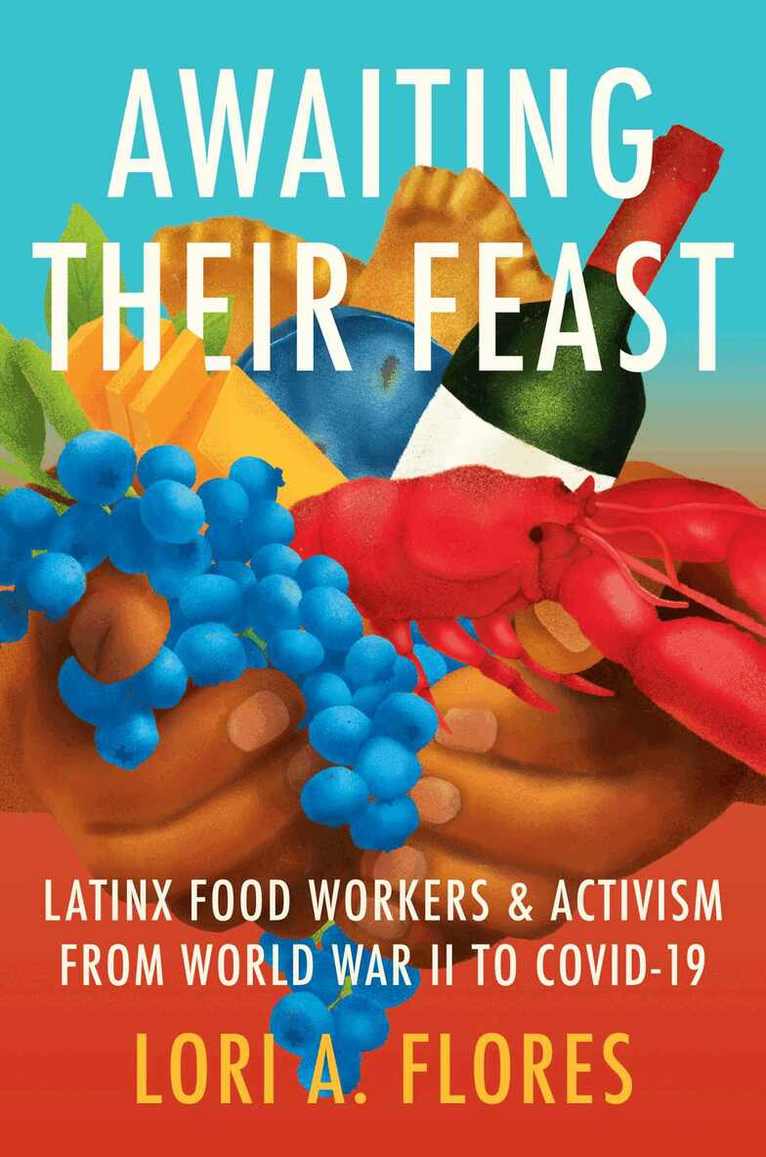
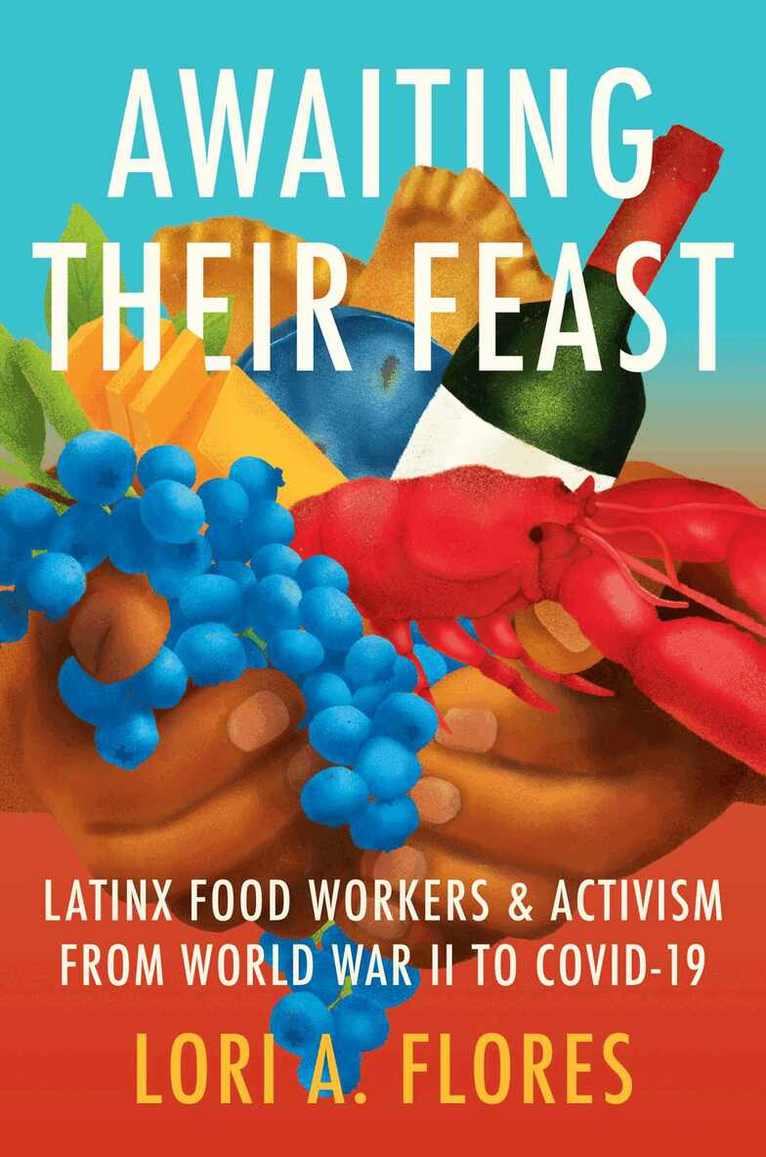
Though Latinx foodways are eagerly embraced and consumed by people across the United States, the nation exhibits a much more fraught relationship with Latinx people, including the largely underpaid and immigrant workers who harvest, process, cook, and sell this desirable food. Lori A. Flores traces how our dual appetite for Latinx food and Latinx food labor has evolved from the World War II era to the COVID-19 pandemic, using the US Northeast as an unexpected microcosm of this national history. Spanning the experiences of food workers with roots in Mexico, Puerto Rico, Cuba, the Dominican Republic, Haiti, and Central America, Flores's narrative travels from New Jersey to Maine and examines different links in the food chain, from farming to restaurants to seafood processing to the deliverista rights movement. What unites this eclectic material is Flores's contention that as our appetite for Latinx food has grown exponentially, the visibility of Latinx food workers has demonstrably decreased. This precariat is anything but passive, however, and has historically fought—and is still fighting—against low wages and exploitation, medical neglect, criminalization, and deeply ironic food insecurity.
Awaiting Their Feast
Latinx Food Workers and Activism from World War II to COVID-19
Häftad, Engelska, 2025
319 kr
Skickas inom 7-10 vardagar
Though Latinx foodways are eagerly embraced and consumed by people across the United States, the nation exhibits a much more fraught relationship with Latinx people, including the largely underpaid and immigrant workers who harvest, process, cook, and sell this desirable food. Lori A. Flores traces how our dual appetite for Latinx food and Latinx food labor has evolved from the World War II era to the COVID-19 pandemic, using the US Northeast as an unexpected microcosm of this national history. Spanning the experiences of food workers with roots in Mexico, Puerto Rico, Cuba, the Dominican Republic, Haiti, and Central America, Flores's narrative travels from New Jersey to Maine and examines different links in the food chain, from farming to restaurants to seafood processing to the deliverista rights movement. What unites this eclectic material is Flores's contention that as our appetite for Latinx food has grown exponentially, the visibility of Latinx food workers has demonstrably decreased. This precariat is anything but passive, however, and has historically fought—and is still fighting—against low wages and exploitation, medical neglect, criminalization, and deeply ironic food insecurity.
1 574 kr
Skickas inom 3-6 vardagar
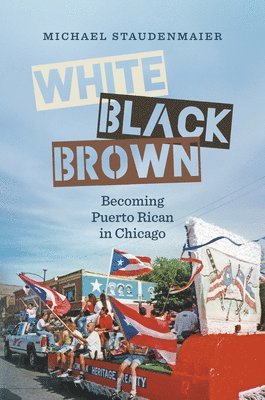
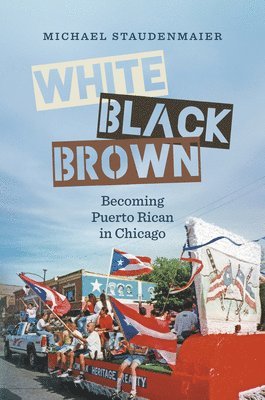
Facing persistent exploitation, discrimination, and marginalization in the second half of the twentieth century, generations of Puerto Rican organizers and activists drew on multiple competing versions of nationalism to challenge the racial order in Chicago, one of America’s most segregated cities. Initially, both supporters and opponents of Puerto Rican independence promoted the assimilation of fellow migrants as white citizens. The three-night-long Division Street Riots marked a fundamental pivot point in 1966, ending the pursuit of whiteness and opening the door to waves of nationalist militancy during the 1970s. By the 1980s and 1990s, Puerto Rican nationalists in Chicago had entered electoral politics, building a broader notion of Latinidad even as they softened its radical edges.Drawing on an extraordinary array of archival material, much of it previously inaccessible, Michael Staudenmaier highlights cultural and political projects profoundly informed by nationalist sentiments, from beauty pageants and parades to protests and bombings to elections and legal battles. Revealing how nationalism became a key site of racial formation for Puerto Ricans in Chicago, White, Black, Brown shows how they understood themselves and demanded to be seen by their neighbors and the world.
331 kr
Skickas
Facing persistent exploitation, discrimination, and marginalization in the second half of the twentieth century, generations of Puerto Rican organizers and activists drew on multiple competing versions of nationalism to challenge the racial order in Chicago, one of America’s most segregated cities. Initially, both supporters and opponents of Puerto Rican independence promoted the assimilation of fellow migrants as white citizens. The three-night-long Division Street Riots marked a fundamental pivot point in 1966, ending the pursuit of whiteness and opening the door to waves of nationalist militancy during the 1970s. By the 1980s and 1990s, Puerto Rican nationalists in Chicago had entered electoral politics, building a broader notion of Latinidad even as they softened its radical edges. Drawing on an extraordinary array of archival material, much of it previously inaccessible, Michael Staudenmaier highlights cultural and political projects profoundly informed by nationalist sentiments, from beauty pageants and parades to protests and bombings to elections and legal battles. Revealing how nationalism became a key site of racial formation for Puerto Ricans in Chicago, White, Black, Brown shows how they understood themselves and demanded to be seen by their neighbors and the world.
Latinx Encounters
How Mexicans, Mexican Americans, and Puerto Ricans Made the Modern Midwest
Inbunden, Engelska, 2026
1 078 kr
Kommande
The fields and orchards of the Midwest have offered seasonal agricultural work for countless Latinx migrant laborers. For more than a century, Mexican, Mexican American, and Puerto Rican migrants converged in the heartland’s agricultural industry to perform some of the most grueling labor needed to sustain the vital agribusiness of the region. In return, they were rewarded with dismal working conditions, poor government protections, and fierce hostility to their organizing efforts. Juan Ignacio Mora uncovers the everyday strategies these migratory laborers employed to fight for better economic conditions, offering a new history of the farmworker justice movement that transforms our understanding of the US heartland. Mexican, Mexican American, and Puerto Rican migrants arrived in the Midwest with vastly different circumstances of class, ethnicity, and immigration status, which fueled complex collaborations and conflicts. Contested notions of race tested their relationships, but migrant workers and their families made inroads in workers' rights and nurtured a shared culture, negotiating collective bargaining agreements and forming the first punk rock band. Capturing the relationship between the Midwest, the Texas-Mexico borderlands, Mexico’s interior, and the colonial archipelago of Puerto Rico, Latinx Encounters unravels a transnational history of migratory labor, farmworker’s rights, and the rapidly changing food industry.
Latinx Encounters
How Mexicans, Mexican Americans, and Puerto Ricans Made the Modern Midwest
Häftad, Engelska, 2026
271 kr
Kommande
The fields and orchards of the Midwest have offered seasonal agricultural work for countless Latinx migrant laborers. For more than a century, Mexican, Mexican American, and Puerto Rican migrants converged in the heartland’s agricultural industry to perform some of the most grueling labor needed to sustain the vital agribusiness of the region. In return, they were rewarded with dismal working conditions, poor government protections, and fierce hostility to their organizing efforts. Juan Ignacio Mora uncovers the everyday strategies these migratory laborers employed to fight for better economic conditions, offering a new history of the farmworker justice movement that transforms our understanding of the US heartland. Mexican, Mexican American, and Puerto Rican migrants arrived in the Midwest with vastly different circumstances of class, ethnicity, and immigration status, which fueled complex collaborations and conflicts. Contested notions of race tested their relationships, but migrant workers and their families made inroads in workers' rights and nurtured a shared culture, negotiating collective bargaining agreements and forming the first punk rock band. Capturing the relationship between the Midwest, the Texas-Mexico borderlands, Mexico’s interior, and the colonial archipelago of Puerto Rico, Latinx Encounters unravels a transnational history of migratory labor, farmworker’s rights, and the rapidly changing food industry.