Law and Social Theory – serie
Visar alla böcker i serien Law and Social Theory. Handla med fri frakt och snabb leverans.
3 produkter
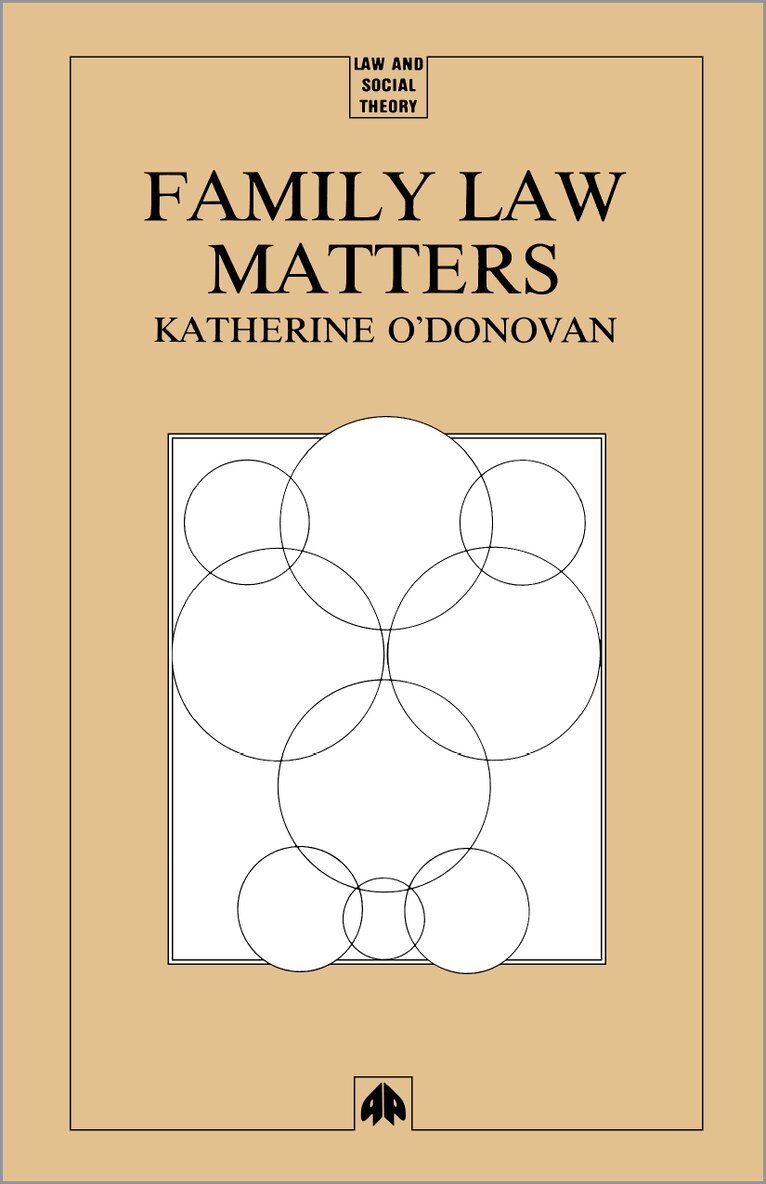
Family Law Matters
Häftad, 1993
493 kr
Lägg i varukorg
In this radical critique, Professor O'Donovan challenges conventional textbooks which assume that marriage is the essential feature of family life and that the patriarchal unit remains dominant. She shows how the key players in family law discourse - women and children - are largely excluded and …
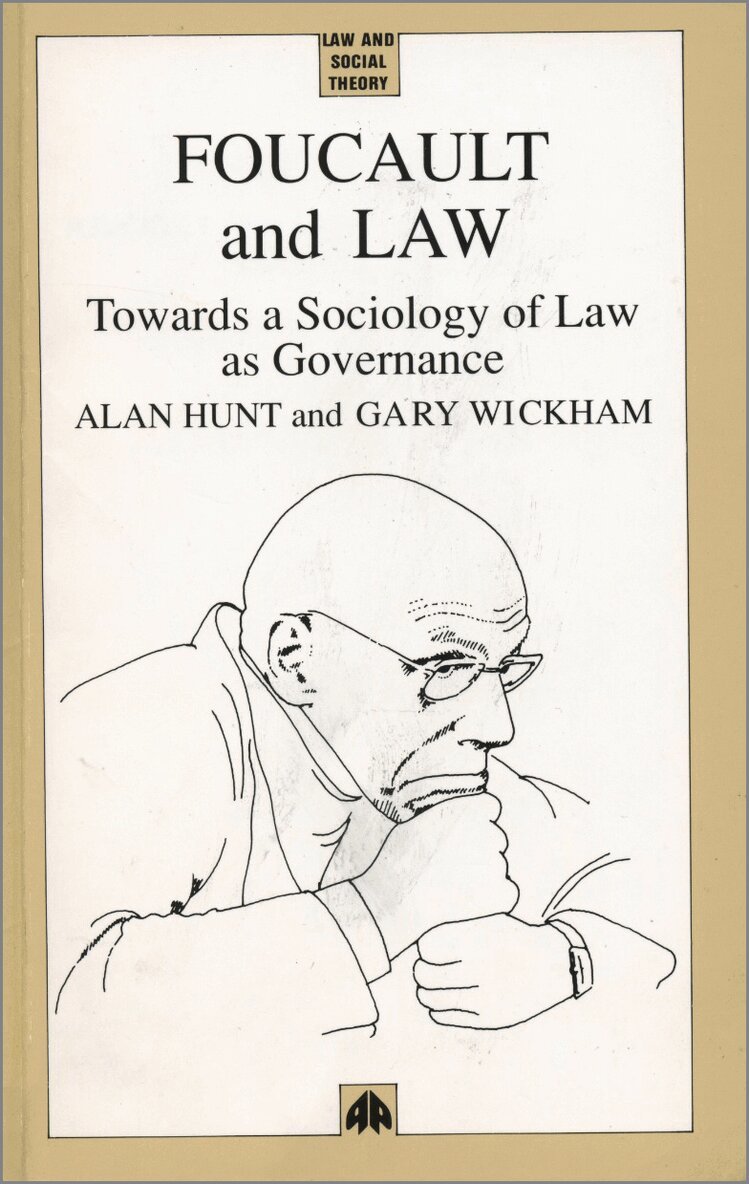
Foucault and Law
Towards a Sociology of Law As Governance
Häftad, 1994
359 kr
Lägg i varukorg
When he died in 1984, Michel Foucault was regarded as one of the most profoundly influential philosophers of his day. Although the law itself never formed a central focus for Foucault, many of the principal themes in his writings are concerned with issues of governance and power that are of direct …
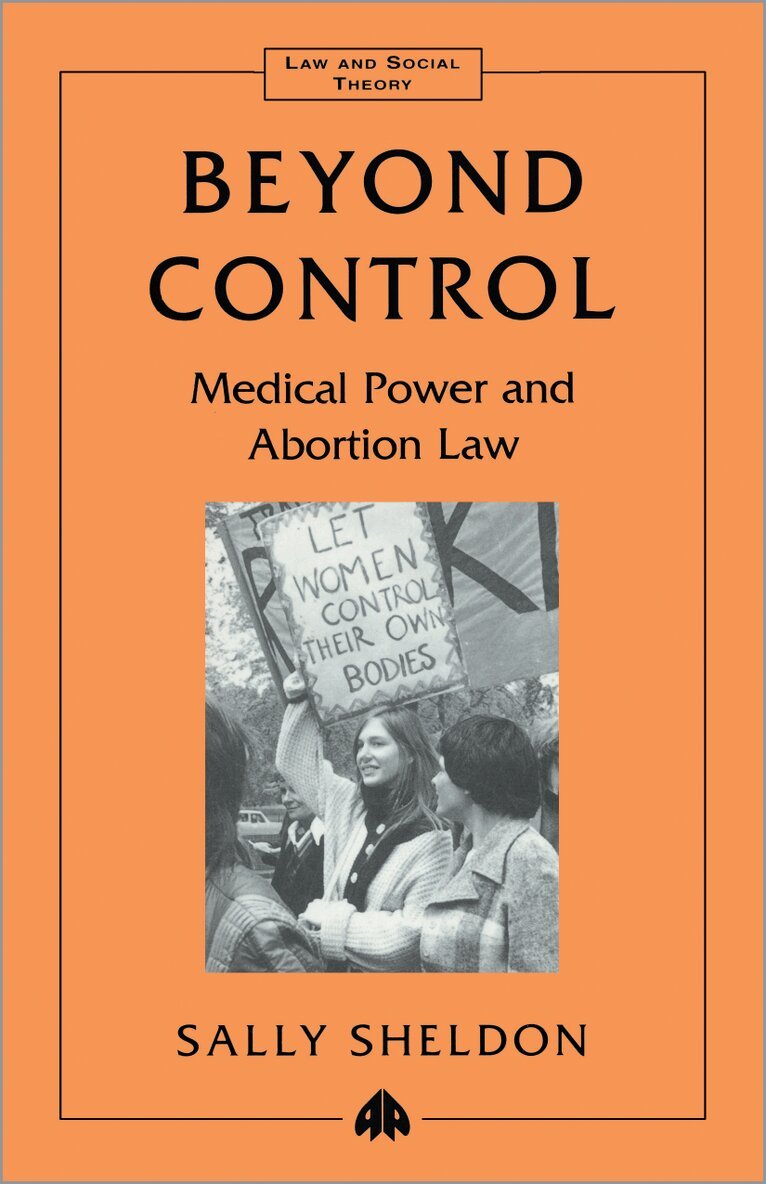
Beyond Control
Medical Power and Abortion Law
Häftad, 1997
300 kr
Lägg i varukorg
Abortion is now recognised as primarily a medical issue, rather than one of political and social importance; its regulation determined by the authority of doctors and other medical professionals. In the first comprehensive historical study of the regulation of abortion, Sally Sheldon examines the …