Leatherneck Classics – serie
Visar alla böcker i serien Leatherneck Classics. Handla med fri frakt och snabb leverans.
5 produkter
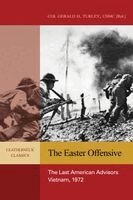
Easter Offensive
The Last American Advisors, Vietnam, 1972
Häftad, 2010
233 kr
Lägg i varukorg
The Easter Offensive was a military campaign conducted by the People's Army of Vietnam against the Army of the Republic of Vietnam and the United States military between 30 March and 22 October 1972, during the Vietnam War. This conventional invasion was a radical departure from previous North …
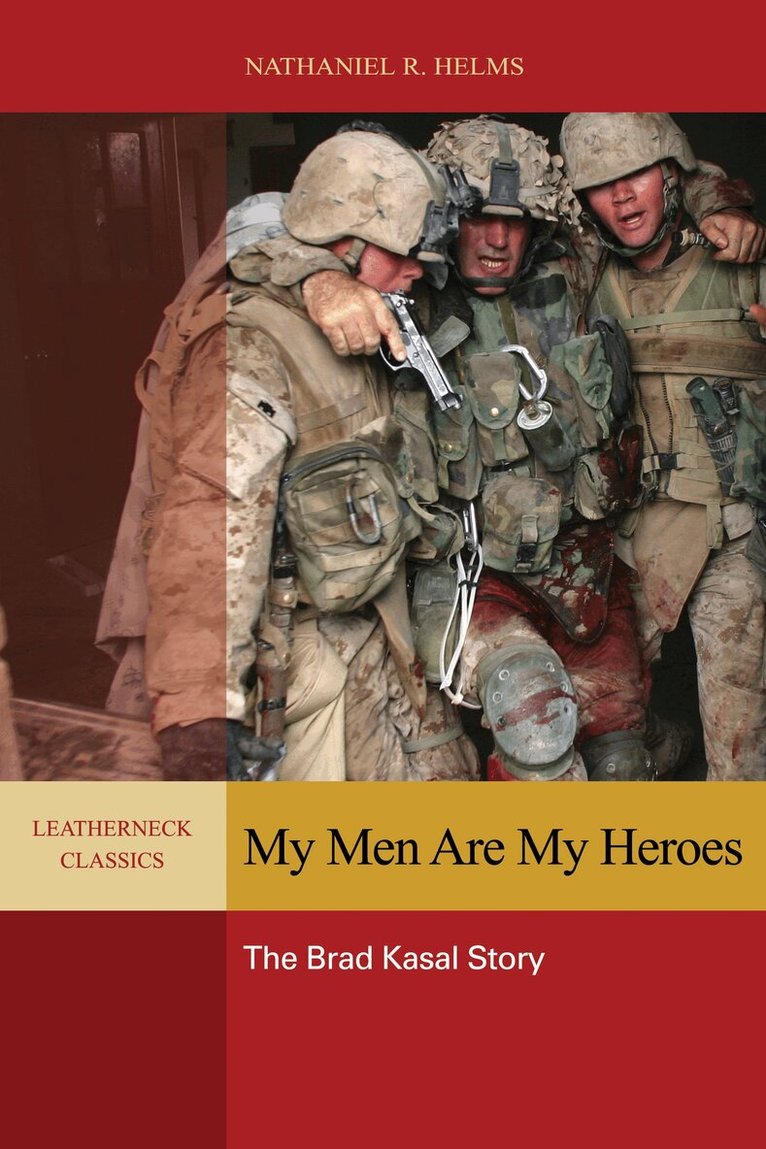
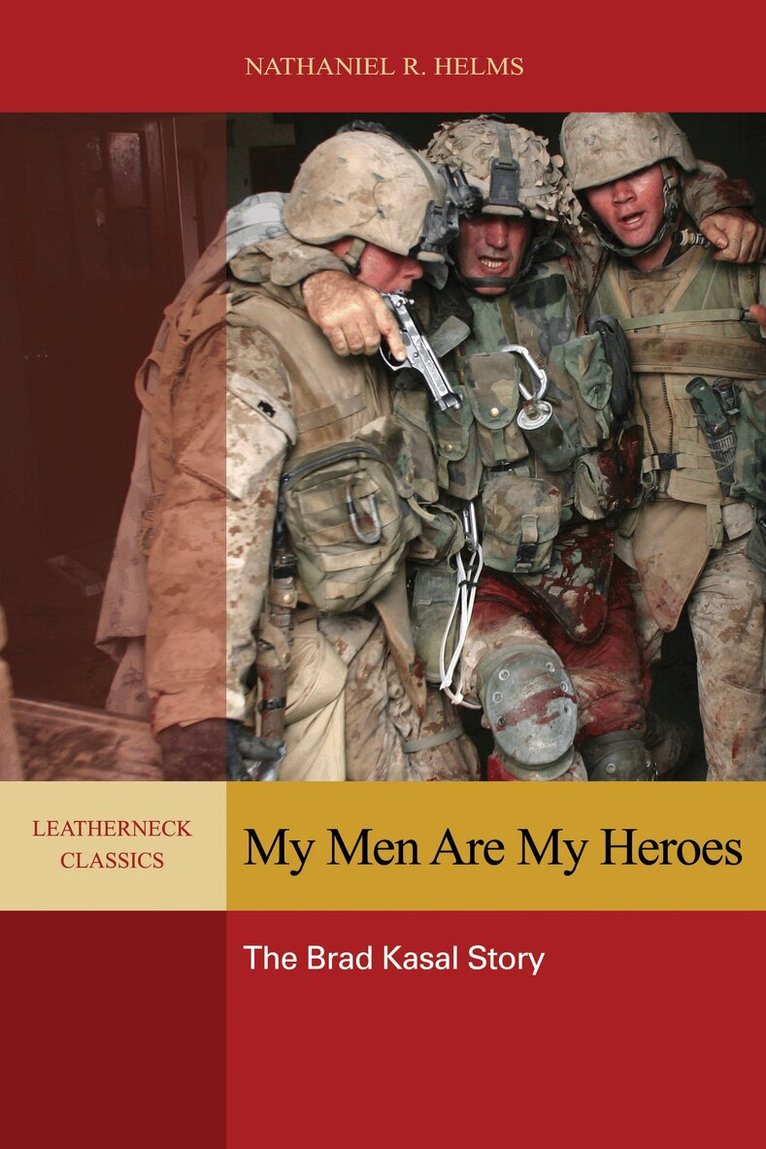
My Men are My Heroes
The Brad Kasal Story
Häftad, 2012
219 kr
Lägg i varukorg
My Men Are My Heroes introduces its readers to a living standard of Marine Corps esprit de corps and military decorum. Sergeant Major Bradley Kasal, the pride of Iowa, is a small town boy who wanted to be a United States Marine even before a poster perfect Marine recruiter marched into his high …
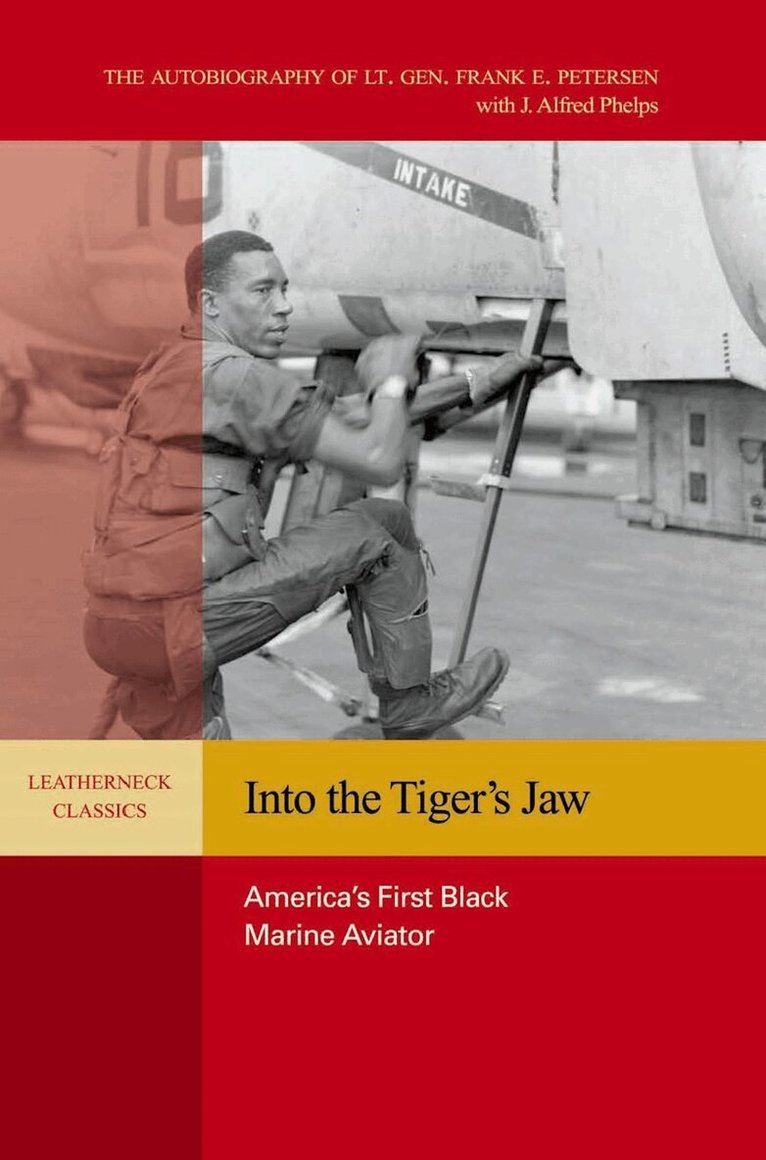
Into the Tiger's Jaw
America's First Black Marine Aviator
Av Estate of Frank E. Petersen, Alfred J Phelps
Häftad, 2012
262 kr
Lägg i varukorg
Lt. Gen. Frank E. Petersen’s autobiography provides a critical examination of this remarkable Marine’s career, from his accomplishments as the first black pilot in the U.S. Marine Corps to his promotion to Lieutenant General and final service as Commander U.S. Marine Corp Base Quantico, Virginia. …
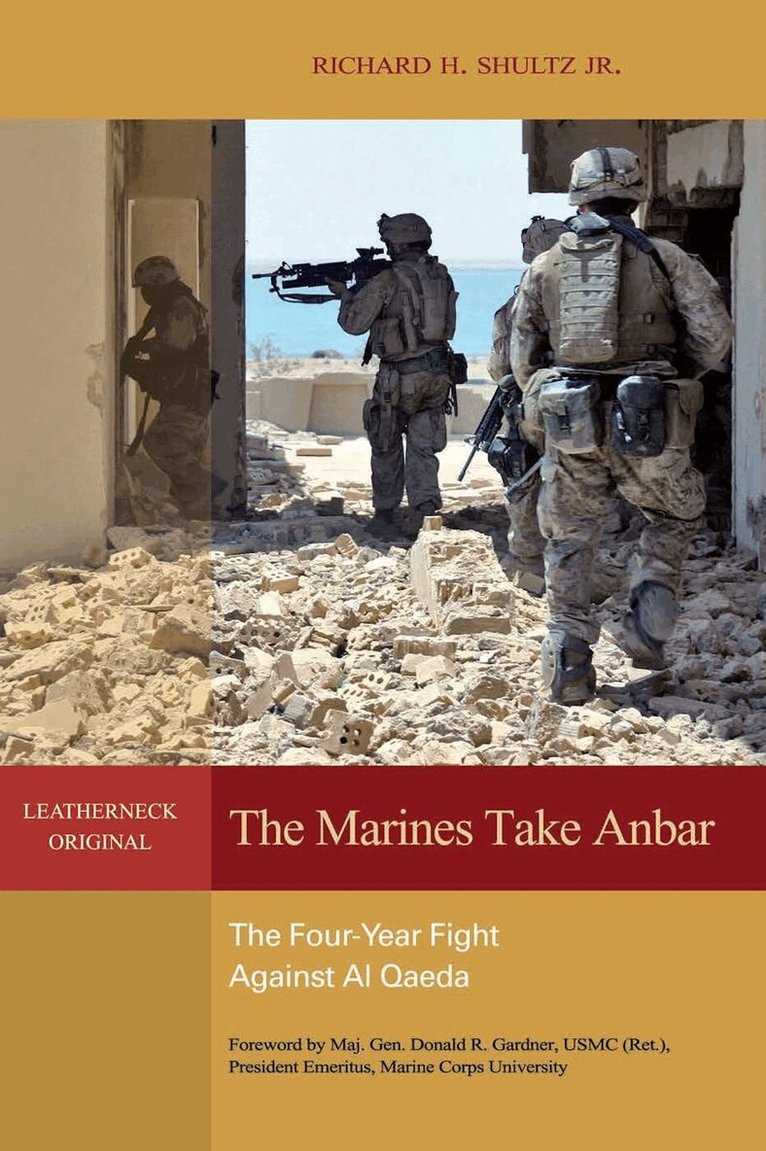
Marines Take Anbar
The Four-Year Fight Against al Qaeda
Av Richard H. Shultz, Peter Hore
Häftad, 2024
308 kr
Lägg i varukorg
The U.S. Marine Corps' four-year campaign against al Qaeda in Anbar is a fight certain to take its place next to such legendary clashes as Belleau Wood, Guadalcanal, Peleliu, Iwo Jima, Okinawa, Chosin, and Khe Sanh. Its success, the author contends, constituted a major turning point in the Iraq War …
My Men are My Heroes
The Brad Kasal Story
Inbunden, 2023
257 kr
Lägg i varukorg
My Men Are My Heroes introduces its readers to a living standard of Marine Corps esprit de corps and military decorum. Sergeant Major Bradley Kasal, the pride of Iowa, is a small town boy who wanted to be a United States Marine even before a poster perfect Marine recruiter marched into his high …