LGBTQ Histories - Böcker
Visar alla böcker i serien LGBTQ Histories. Handla med fri frakt och snabb leverans.
4 produkter
4 produkter
771 kr
Skickas inom 10-15 vardagar
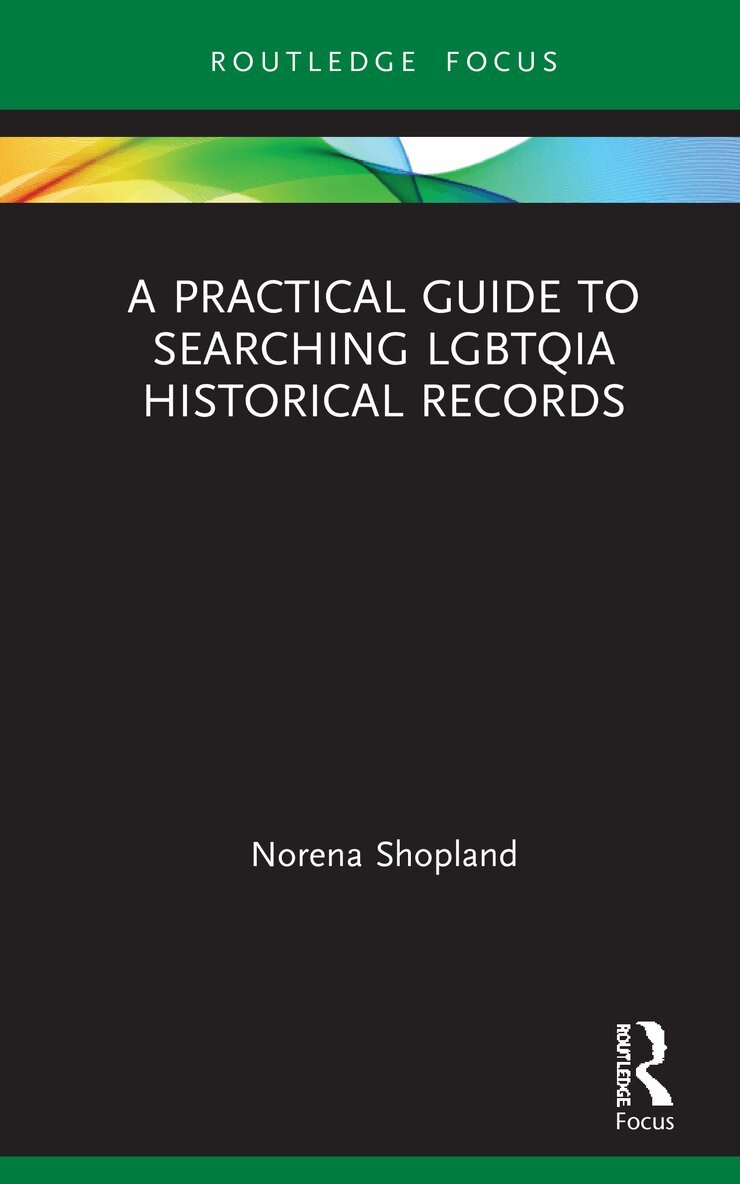
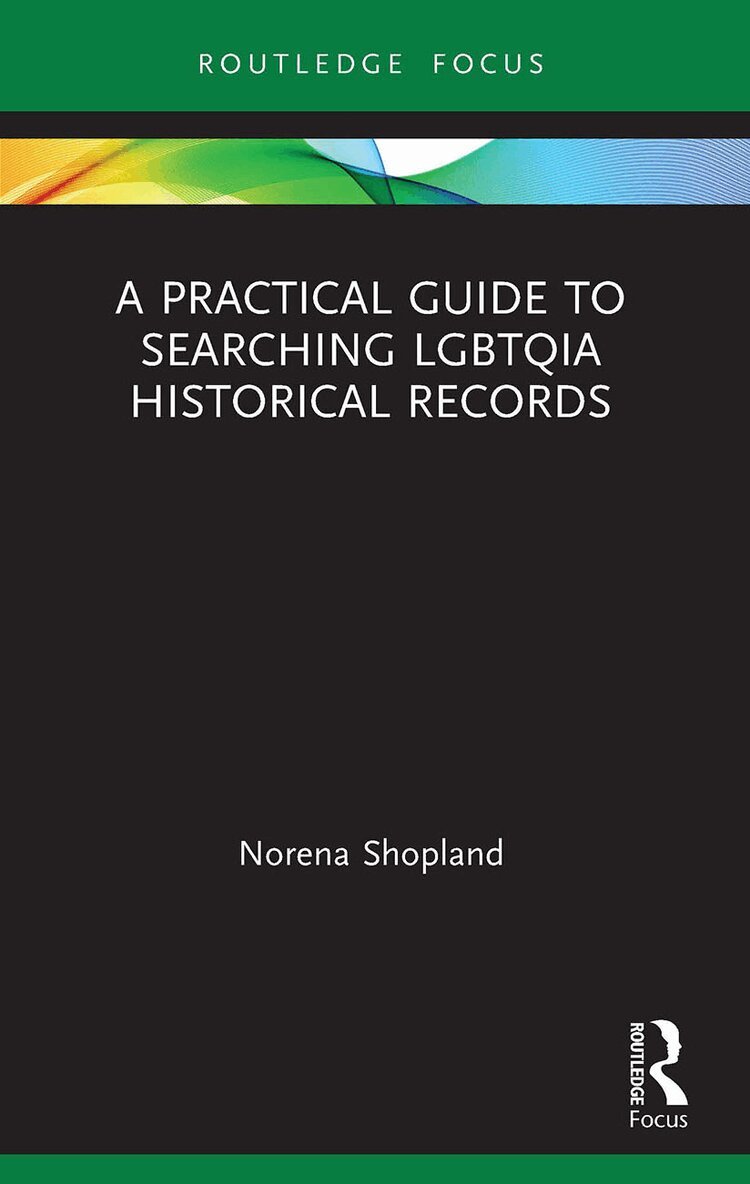
This book provides a number of effective tools to aid in the recovery of LGBTQIA historic material by providing extensive glossary and non-glossary written descriptions, and how to use those terms and phrases in searching effectively online and offline. Researching hidden and forbidden people from the past can be extremely difficult. Terminology used to write about LGBT+ people shifts over time, legal terminology enforces certain set terms which some writers use but others reject to avoid informing or disgusting a reading public. Often written descriptions contain no set terminology at all. How then can LGBT+ people be found in historic records? This book provides practical tools for a researcher wanting to uncover material from online or hard copy sources, including: keyword/s covering various sexual orientations and gender diversity, along with how and when to use them; tips for effective searching in online newspaper archives; how to use genealogy, auction and social media sites to uncover information; searching in online and physical libraries; advice on researching in physical archives and the types of collections which can yield results; and researching in museums collecting and displaying LGBT+ content. Making use of a straightforward and jargon free style, this is a short and accessible guide to doing historical research on Gay, Lesbian, Trans, Queer and non-normative research subjects. This is a useful resource for students and scholars alike in Archive Studies History, Gender and Sexuality Studies.
249 kr
Skickas
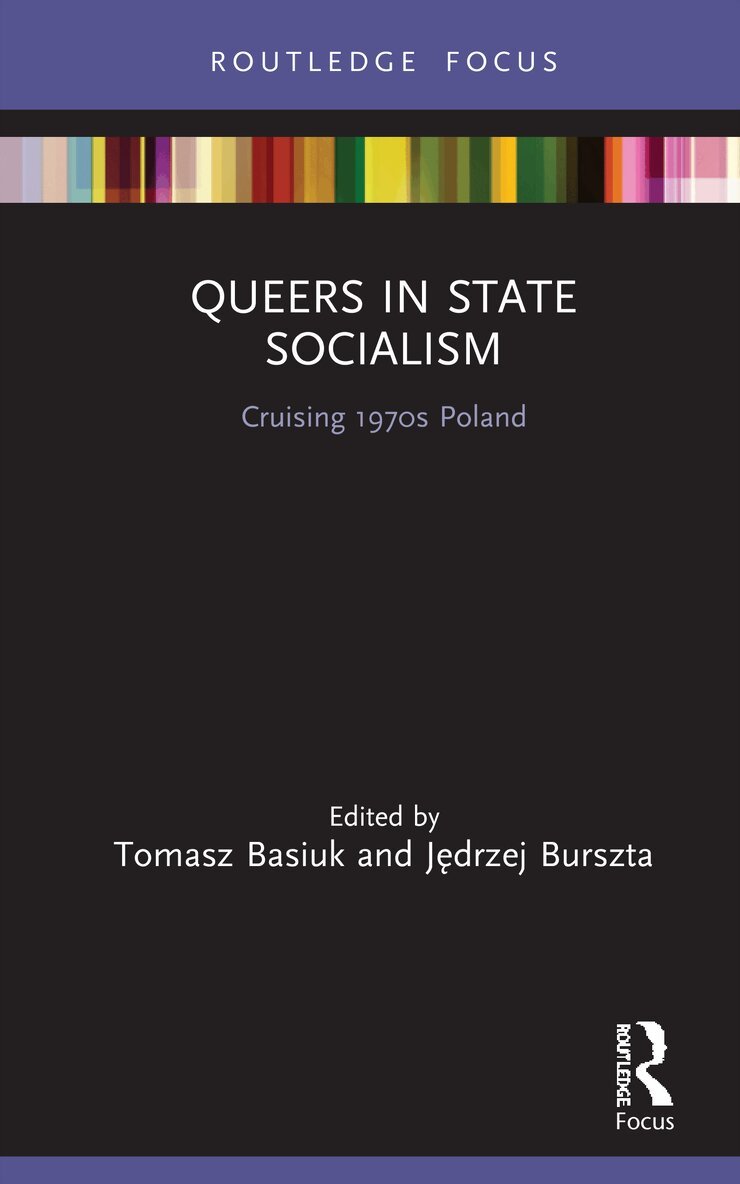
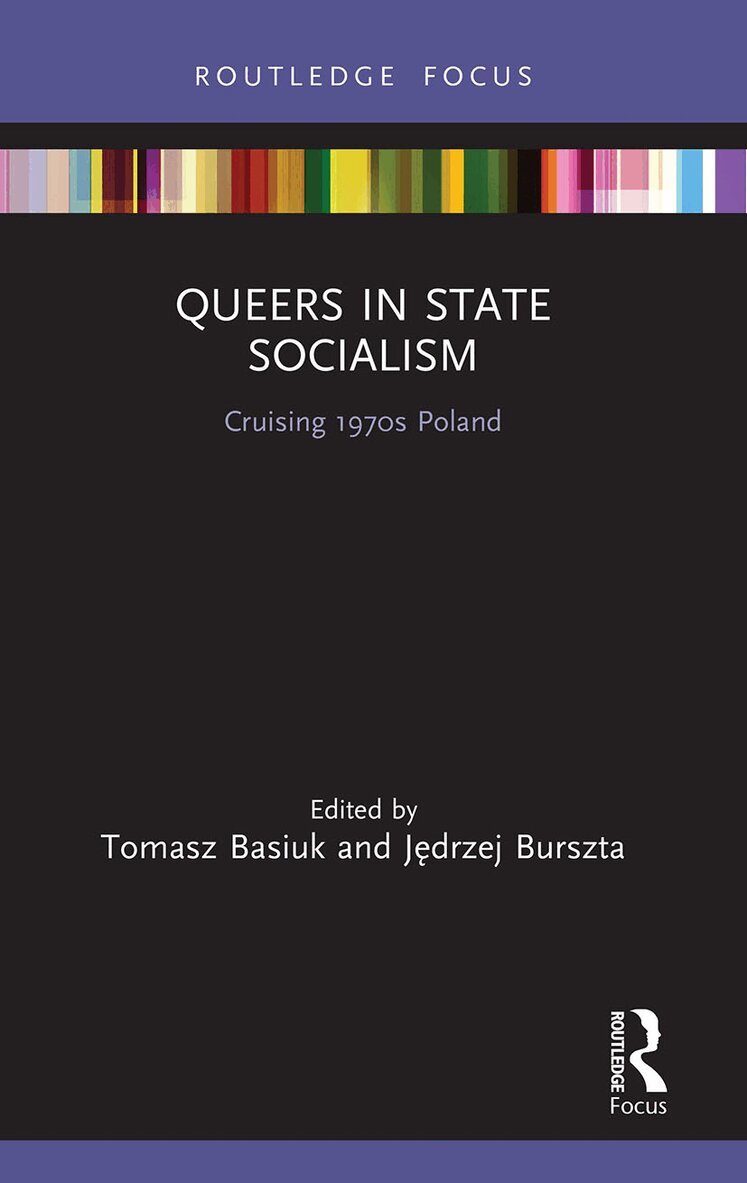
This short collection of essays engages with queer lives and activism in 1970s Poland, illustrating discourses about queerness and a trajectory of the struggle for rights which clearly sets itself apart, and differs from a Western-based narrative of liberation.Contributors to this volume paint an uneven landscape of queer life in state-socialist Poland in the 1970s and early 1980s. They turn to oral history interviews and archival sources which include police files, personal letters, literature and criticism, writings by sexuality experts, and documentation of artistic practice. Unlike most of Europe, Poland did not penalize same-sex acts, although queer people were commonly treated with suspicion and vilified. But while many homosexual men and most lesbian women felt invisible and alone, some had the sense of belonging to a fledgling community. As they looked to the West, hoping for a sexual revolution that never quite arrived, they also preserved informal queer institutions dating back to the prewar years and used them to their advantage. Medical experts conversed with peers across the Iron Curtain but developed their own "socialist" methods and successfully prompted the state to recognize transgender rights, even as that state remained determined to watch and intimidate homosexual men. Literary critics, translators, and art historians began debating—and they debate still—how to read gestures defying gender and sexual norms: as an aspect of some global "gay" formation or as stemming from locally grounded queer traditions.Emphasizing the differences of Poland’s LGBT history from that of the "global" West while underscoring the existing lines of communication between queer subjects on either side of the Iron Curtain, this book will be of key interest to scholars and students in gender and sexuality studies, social history, and politics.
330 kr
Skickas inom 10-15 vardagar
This short collection of essays engages with queer lives and activism in 1970s Poland, illustrating discourses about queerness and a trajectory of the struggle for rights which clearly sets itself apart, and differs from a Western-based narrative of liberation.Contributors to this volume paint an uneven landscape of queer life in state-socialist Poland in the 1970s and early 1980s. They turn to oral history interviews and archival sources which include police files, personal letters, literature and criticism, writings by sexuality experts, and documentation of artistic practice. Unlike most of Europe, Poland did not penalize same-sex acts, although queer people were commonly treated with suspicion and vilified. But while many homosexual men and most lesbian women felt invisible and alone, some had the sense of belonging to a fledgling community. As they looked to the West, hoping for a sexual revolution that never quite arrived, they also preserved informal queer institutions dating back to the prewar years and used them to their advantage. Medical experts conversed with peers across the Iron Curtain but developed their own "socialist" methods and successfully prompted the state to recognize transgender rights, even as that state remained determined to watch and intimidate homosexual men. Literary critics, translators, and art historians began debating—and they debate still—how to read gestures defying gender and sexual norms: as an aspect of some global "gay" formation or as stemming from locally grounded queer traditions.Emphasizing the differences of Poland’s LGBT history from that of the "global" West while underscoring the existing lines of communication between queer subjects on either side of the Iron Curtain, this book will be of key interest to scholars and students in gender and sexuality studies, social history, and politics.
330 kr
Skickas inom 10-15 vardagar
This book provides a number of effective tools to aid in the recovery of LGBTQIA historic material by providing extensive glossary and non-glossary written descriptions, and how to use those terms and phrases in searching effectively online and offline. Researching hidden and forbidden people from the past can be extremely difficult. Terminology used to write about LGBT+ people shifts over time, legal terminology enforces certain set terms which some writers use but others reject to avoid informing or disgusting a reading public. Often written descriptions contain no set terminology at all. How then can LGBT+ people be found in historic records? This book provides practical tools for a researcher wanting to uncover material from online or hard copy sources, including: keyword/s covering various sexual orientations and gender diversity, along with how and when to use them; tips for effective searching in online newspaper archives; how to use genealogy, auction and social media sites to uncover information; searching in online and physical libraries; advice on researching in physical archives and the types of collections which can yield results; and researching in museums collecting and displaying LGBT+ content. Making use of a straightforward and jargon free style, this is a short and accessible guide to doing historical research on Gay, Lesbian, Trans, Queer and non-normative research subjects. This is a useful resource for students and scholars alike in Archive Studies History, Gender and Sexuality Studies.