M. K. Brown Range Life Series - Böcker
Visar alla böcker i serien M. K. Brown Range Life Series. Handla med fri frakt och snabb leverans.
15 produkter
15 produkter
410 kr
Skickas inom 11-20 vardagar
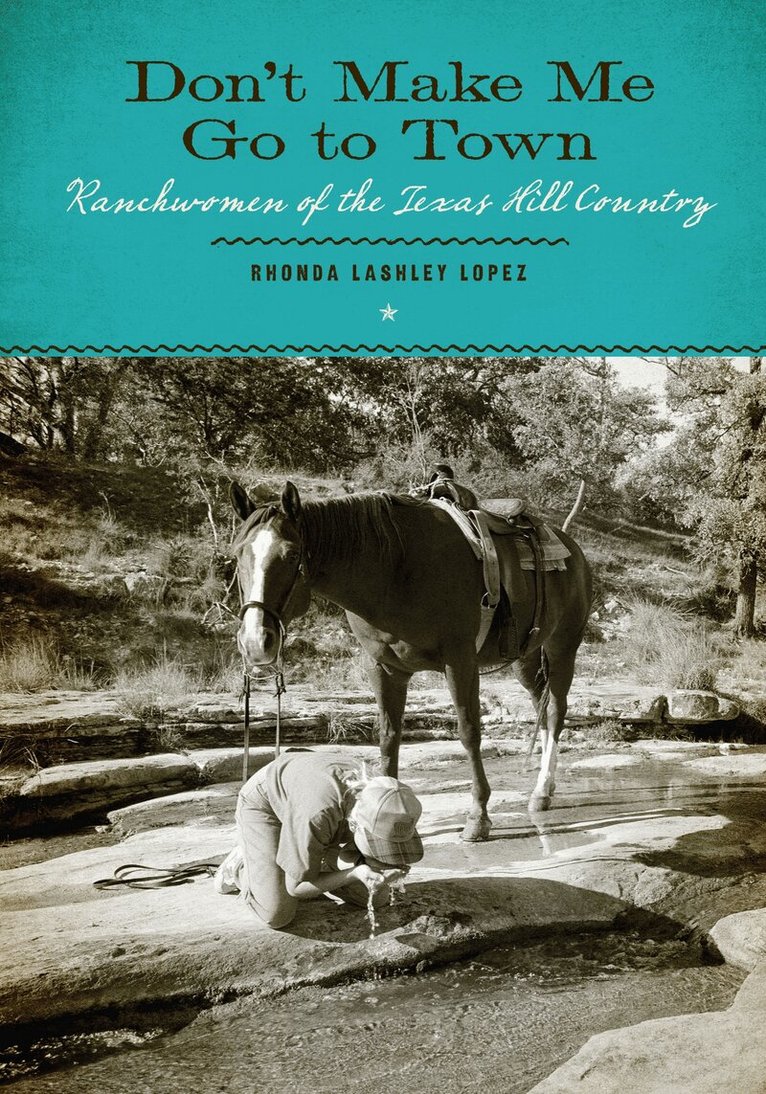
Many people dream of "someday buying a small quaint place in the country, to own two cows and watch the birds," in the words of Texas ranchwoman Amanda Spenrath Geistweidt. But only a few are cut out for the unrelenting work that makes a family ranching operation successful. Don't Make Me Go to Town presents an eloquent photo-documentary of eight women who have chosen to make ranching in the Texas Hill Country their way of life. Ranging from young mothers to elderly grandmothers, these women offer vivid accounts of raising livestock in a rugged land, cut off from amenities and amusements that most people take for granted, and loving the hard lives they've chosen.Rhonda Lashley Lopez began making photographic portraits of Texas Hill Country ranchwomen in 1993 and has followed their lives through the intervening years. She presents their stories through her images and the women's own words, listening in as the ranchwomen describe the pleasures and difficulties of raising sheep, Angora goats, and cattle on the Edwards Plateau west of Austin and north of San Antonio. Their stories record the struggles that all ranchers face-vagaries of weather and livestock markets, among them-as well as the extra challenges of being women raising families and keeping things going on the home front while also riding the range. Yet, to a woman, they all passionately embrace family ranching as a way of life and describe their efforts to pass it on to future generations.
310 kr
Skickas inom 10-15 vardagar
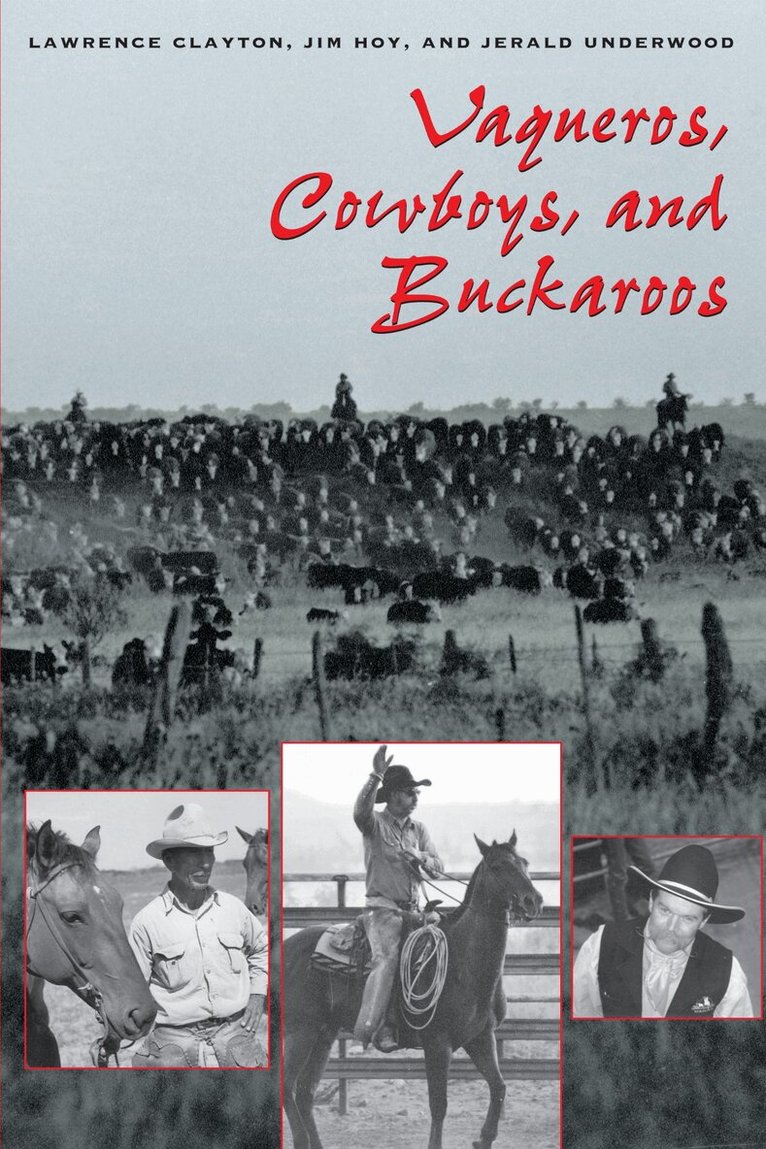
Herding cattle from horseback has been a tradition in northern Mexico and the American West since the Spanish colonial era. The first mounted herders were the Mexican vaqueros, expert horsemen who developed the skills to work cattle in the brush country and deserts of the Southwestern borderlands. From them, Texas cowboys learned the trade, evolving their own unique culture that spread across the Southwest and Great Plains. The buckaroos of the Great Basin west of the Rockies trace their origin to the vaqueros, with influence along the way from the cowboys, though they, too, have ways and customs distinctly their own.In this book, three long-time students of the American West describe the history, working practices, and folk culture of vaqueros, cowboys, and buckaroos. They draw on historical records, contemporary interviews, and numerous photographs to show what makes each group of mounted herders distinctive in terms of working methods, gear, dress, customs, and speech. They also highlight the many common traits of all three groups.This comparative look at vaqueros, cowboys, and buckaroos brings the mythical image of the American cowboy into focus and detail and honors the regional and national variations. It will be an essential resource for anyone who would know or portray the cowboy-readers, writers, songwriters, and actors among them.
550 kr
Skickas inom 7-10 vardagar
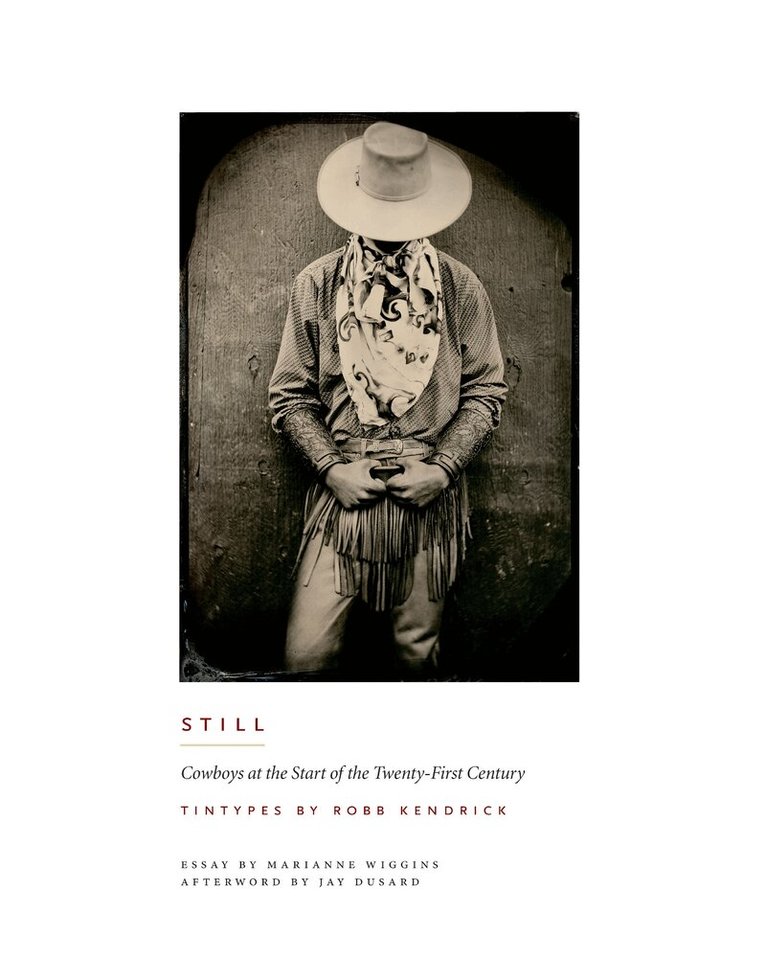
The cowboy may well be the quintessential American icon. Robb Kendrick has been photographing cowboys for twenty-five years, creating a magnificent artistic record that recalls the work of earlier photographers such as Edward S. Curtis, whose portraits of Native Americans have become classics. Kendrick even uses an early photographic process-tintype-to create one-of-a-kind photographs whose nineteenth-century appearance underscores how little twenty-first-century cowboys' ways of working and types of gear and dress have changed since the first cowboy photographs were made more than a century ago. In Still, Robb Kendrick presents an eloquent collection of tintype cowboy photographs taken on ranches across fourteen states of the American West, as well as in British Columbia, Canada, and Coahuila, Mexico. The photographs reveal the rich variety of people who are drawn to the cowboying life-women as well as men; Native Americans, Mexican Americans, and African Americans as well as Anglos. The images also show regional variations in dress and gear, from the "taco" rolled-brim hats of Texas cowpunchers to the braided rawhide reatas of Oregon buckaroos. Marianne Wiggins, author of a recent novel about Edward S. Curtis, introduces the volume, and Jay Dusard, a photographer renowned for his cowboy images, provides the afterword. Robb Kendrick tells the backstory of the project in his photographer's notes, while also interweaving stories from the cowboys themselves among the images. Both an evocative work of art and a masterful documentary record, Still honors the resilience of modern cowboys as they bring traditional ways of living on the land into the twenty-first century.
504 kr
Skickas inom 10-15 vardagar
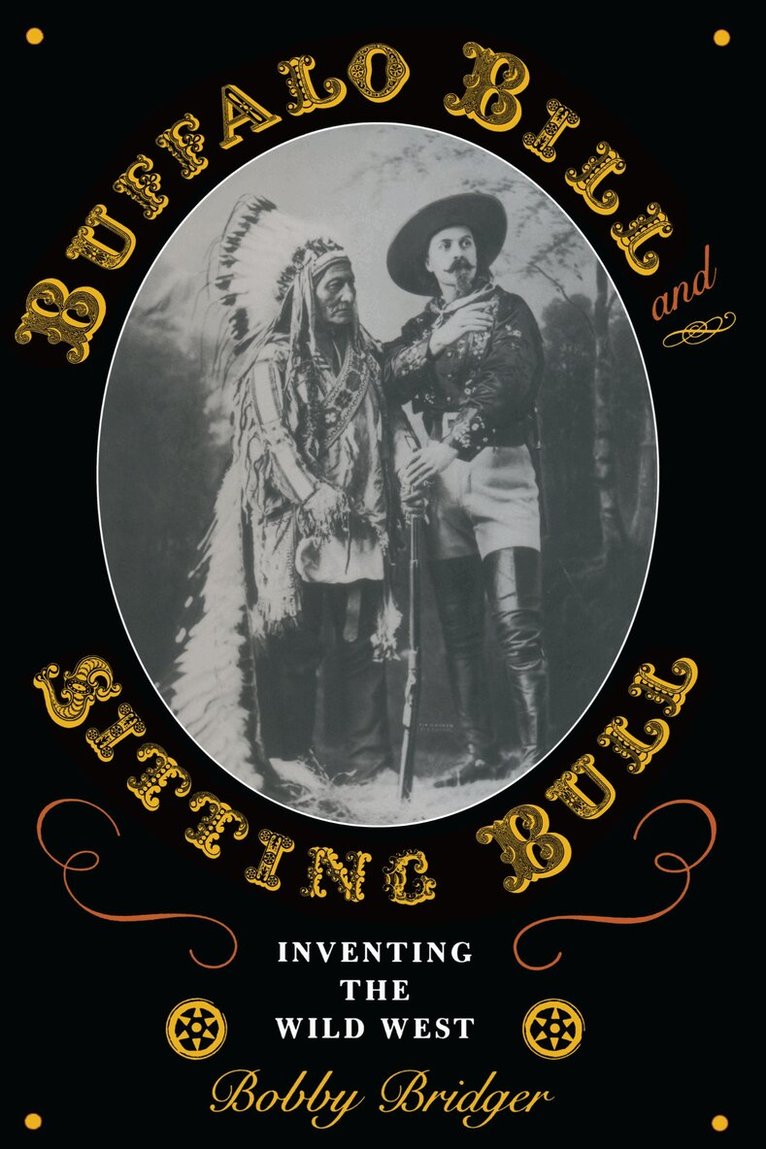
Army scout, buffalo hunter, Indian fighter, and impresario of the world-renowned "Wild West Show," William F. "Buffalo Bill" Cody lived the real American West and also helped create the "West of the imagination." Born in 1846, he took part in the great westward migration, hunted the buffalo, and made friends among the Plains Indians, who gave him the name Pahaska (long hair). But as the frontier closed and his role in "winning the West" passed into legend, Buffalo Bill found himself becoming the symbol of the destruction of the buffalo and the American Indian. Deeply dismayed, he spent the rest of his life working to save the remaining buffalo and to preserve Plains Indian culture through his Wild West shows. This biography of William Cody focuses on his lifelong relationship with Plains Indians, a vital part of his life story that, surprisingly, has been seldom told. Bobby Bridger draws on many historical accounts and Cody's own memoirs to show how deeply intertwined Cody's life was with the Plains Indians. In particular, he demonstrates that the Lakota and Cheyenne were active cocreators of the Wild West shows, which helped them preserve the spiritual essence of their culture in the reservation era while also imparting something of it to white society in America and Europe. This dual story of Buffalo Bill and the Plains Indians clearly reveals how one West was lost, and another born, within the lifetime of one remarkable man.
220 kr
Skickas inom 10-15 vardagar
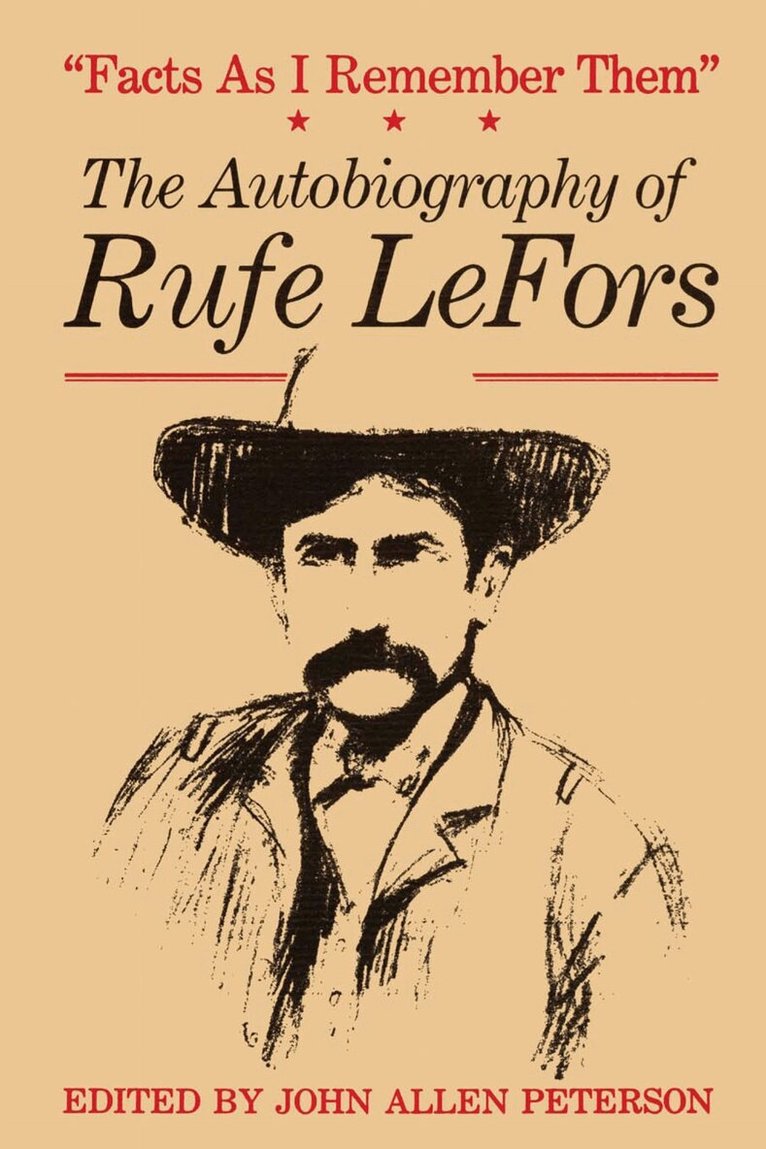
The rivers of the Texas Panhandle, the Canadian, and the forks of the Red break through the Cap Rock at the eastern edge of the Staked Plains. It’s rough, bleak country, with few trees and a great expanse of sky. Storms that form on the Great Plains and in the Rocky Mountains sweep through with nothing much to slow them down. And the small dusty towns that serve this vast ranchland cling to the waterways as they have for over a hundred years, since their early settlement. Their names aren’t well known now, but they were once focal points in a rugged country where buffalo hunters, trail drivers, outlaws, and ordinary folks alike passed through. Rufe LeFors was one such "ordinary" man. With his father and older brothers, he was among the first to settle this country, drawn to West Texas by tales of open land and good grass. His life story, set down near the end of his long and adventurous life, is the best sort of insider's history, the chronicle of a life lived fully amid the exciting events and rough landscape of the frontier's final years. Rufe LeFors recorded his story over the course of a decade, finishing up in 1941 in his eighty-first year. His memoirs span the period from the War between the States to the early twentieth century, when the Panhandle was still scarcely settled, a true frontier. In his time LeFors was trail driver, pony express rider, and rancher. He traveled for a year with Arrington's Texas Rangers, and he wore the badge of deputy sheriff in the wild west town of Old Mobeetie. He rode a fast horse after claims in the Cherokee Strip, spent time as a horse trader, and finally settled in Lawton, Oklahoma, where, after some twenty years as a deputy, he was elected to the office of sheriff. LeFors knew how to tell a story. Whether it is an account of an outlaw's capture or the rescue of a white girl from prairie fire by a Comanche brave, he weaves into his narrative all the color, drama, and character of the event. His version of the death of Billy the Kid adds another perspective to that much celebrated episode in western history. His encounters with Temple Houston, the governor's flamboyant son, rancher Charles Goodnight, and Ranger Captain Arrington add to our fund of knowledge about those legendary frontier figures. LeFors wanted to get the facts-as he remembered them-straight. With his sharp eye for texture and detail and keen ear for language and timing, he created a narrative that wonderfully captures the flavor of his life and exciting times.
324 kr
Skickas inom 10-15 vardagar
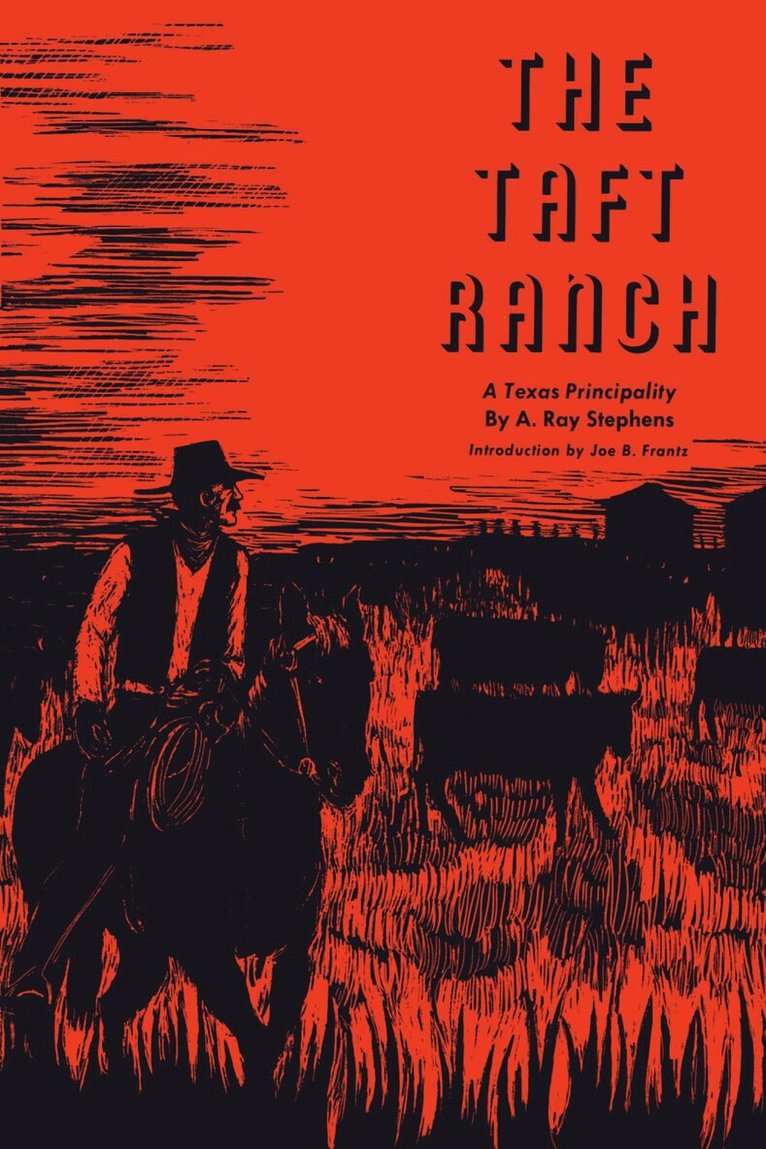
For fifty years the progressive Coleman-Fulton Pasture Company, popularly known as the Taft Ranch, led in the development of South Texas, and in the early twentieth century achieved national and international repute for its contributions to agriculture. The story of the ranch reaches its climax as the firm is absorbed into the community growing up around it-the same community the ranch had nurtured to an unprecedented prosperity. In 1961 A. Ray Stephens visited Taft, Texas, and received permission to use the dust-covered records, which for thirty years had been closed to historians. These records, plus the valuable supplementary material in the Fulton Collection at the University of Texas, have enabled the author to tell the complete story of the ranch from its inception in 1880 to its dissolution in 1930. In 1880, with a fifty-year charter, the Coleman-Fulton Pasture Company was legally born as a private corporation. For the duration of its history this company aided the advancement of South Texas through effective utilization of the fertile land, through development of agriculture and related industries, and through encouragement of settlers and curious visitors to the Coastal Bend region. Its history is a long, determined fight against severe drought, cattle disease, and financial insolvency. Guided by farsighted men who believed in experimentation in agriculture-and who also promoted the establishment of stores, schools, colleges, churches, and industrial plants-the company not only survived but prospered, and by 1920 its owners could survey their vast properties with well-earned satisfaction. The struggling cattle firm of 1880 had expanded into a multi-interest, profitable corporation that had established and supervised most of the industries in Taft, Texas. Stephens' well-documented 1964 study had been long needed. During the three decades preceding it, the ranch had been well-nigh forgotten; only the handful of people, then still living, who had worked on the ranch had kept its memory fresh, while the voluminous company records remained inaccessible. The author supplemented his study of company records and newspapers with archival material, government records, and information obtained during hours of interviewing. His book will insure for the Taft Ranch its deservedly prominent position in Texas history. The lively introduction was written by Joe B. Frantz (1917–1993) who, in his role of Professor of History at the University of Texas, encouraged the study and watched its development.
393 kr
Skickas inom 10-15 vardagar
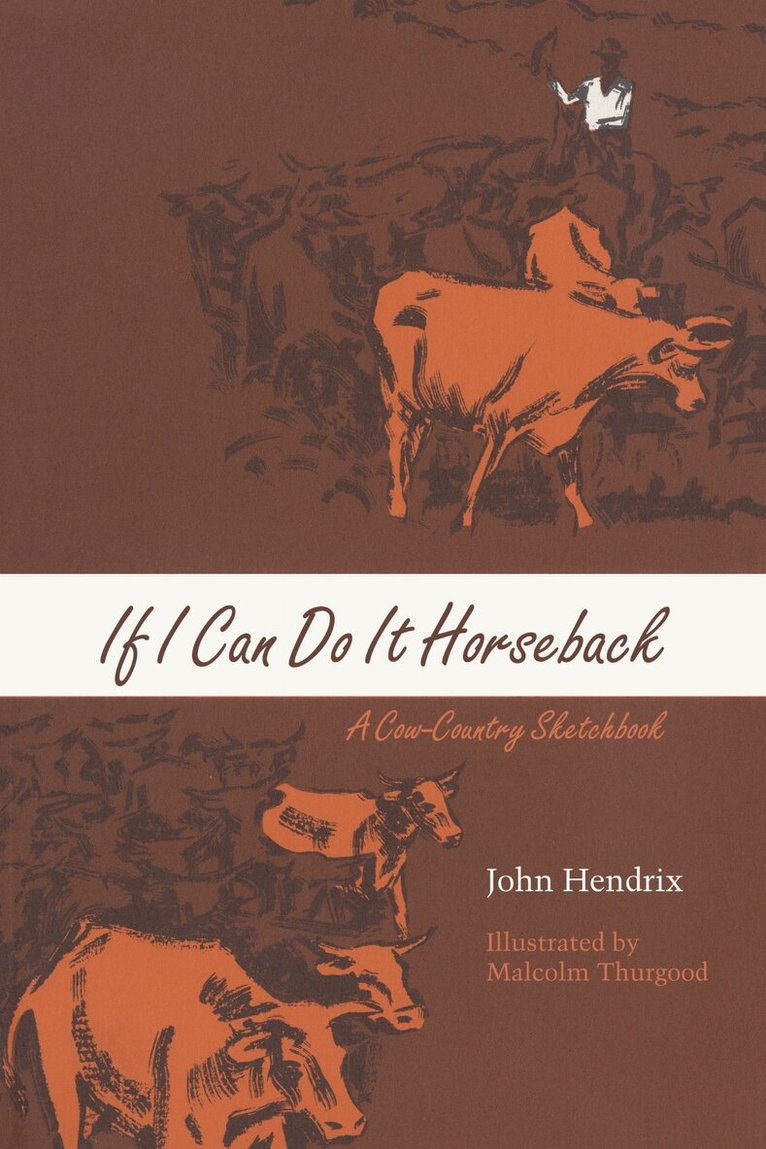
John Hendrix drew upon his own varied experiences for this panoramic view of West Texas ranch life, presented here in an integral compilation of flavorful articles written originally for The Cattleman. Touching upon virtually every facet of the cattle industry, they examine economic influences and technological changes as well as the personal and emotional aspects of range life. Here are accurate, detailed, fascinating descriptions of the day-to-day life of the cowboy, the chuck-wagon cook, the range boss: narratives rich in human interest, in pathos, comedy, drama. Some tell of the organization and operation of the cow camp: the activities of the men, their duties and their entertainments, the clothes they wore, the food they ate, the horses they rode, the language they spoke. Some compare West Texas cattle-handling techniques with those of other sectors, or contrast early techniques with later practices. Others give biographies of cattlemen and cowboys. Still others study the operation, development, problems, and achievements of typical ranches of various types: the early open-range ranches, the large ranches which successfully made the transition to modem operation, the unsuccessful company-owned ranches of the 1880s, the pioneer cattle-feeding projects. Several articles describe the geography of the West Texas cattle country: the vast, arid expanses; the brown-green hills and Cap Rock; the life-giving springs; and the fickle weather. These are all considered in terms of their physical appearance and emotional impact, their importance as economic factors, and their effect on the duties of the cowboys. Written in direct language and savoring of the life they describe, these articles capture the beauty of the cattle country-as well as its violence, hardships, drudgery. John Hendrix’s affection for the land, the people, and the life gives his writing a special warmth that his readers are sure to recognize and admire. Texas artist Malcolm Thurgood has provided delightful illustrations for the text, and Wayne Gard, author of The Chisholm Trail and The Great Buffalo Hunt, has written a valuable introduction.
269 kr
Skickas inom 10-15 vardagar
Agricultural and urban development came late to the Texas South Plains, and frontier life lingered well into the twentieth century. In the decade preceding World War I numerous land companies flourished in the area and acted as catalysts for settlement and economic expansion. Prominent among these companies was the Plainview-based Texas Land and Development Company, founded in 1912 as an operating agent for a syndicate of eastern financiers. Like most land companies, the Texas Land and Development Company operated a large-scale enterprise that broke up ranch holdings into tracts for sale to farmers. Company agents advertised broadly in newspapers and magazines and organized special train trips to bring prospective customers to the area. And, like most entrepreneurs associated with frontier land companies, backers of the Texas Land and Development Company hoped to realize a quick profit from land sales. The Plainview enterprise was, however, unique in many ways. It promoted relatively high-priced lands and tried to sell fully developed, irrigated farms. The company was an important social and economic force in Plainview and the surrounding counties because its backers put capital into the region instead of taking money out. Especially during the early years, the company realized little profit from sales because of war and depression. The complex and sophisticated fiscal structure of the company is of particular historical significance. B. R. Brunson traces the history of the influential Texas Land and Development Company from its inception in 1912 to its final dissolution in January 1956. He combines an analysis of the company's role in Panhandle economic growth with lively biographies of the men who organized the operation and descriptions of their achievements in the fields of irrigation, farm planning, company organization, and finance.
277 kr
Skickas inom 10-15 vardagar
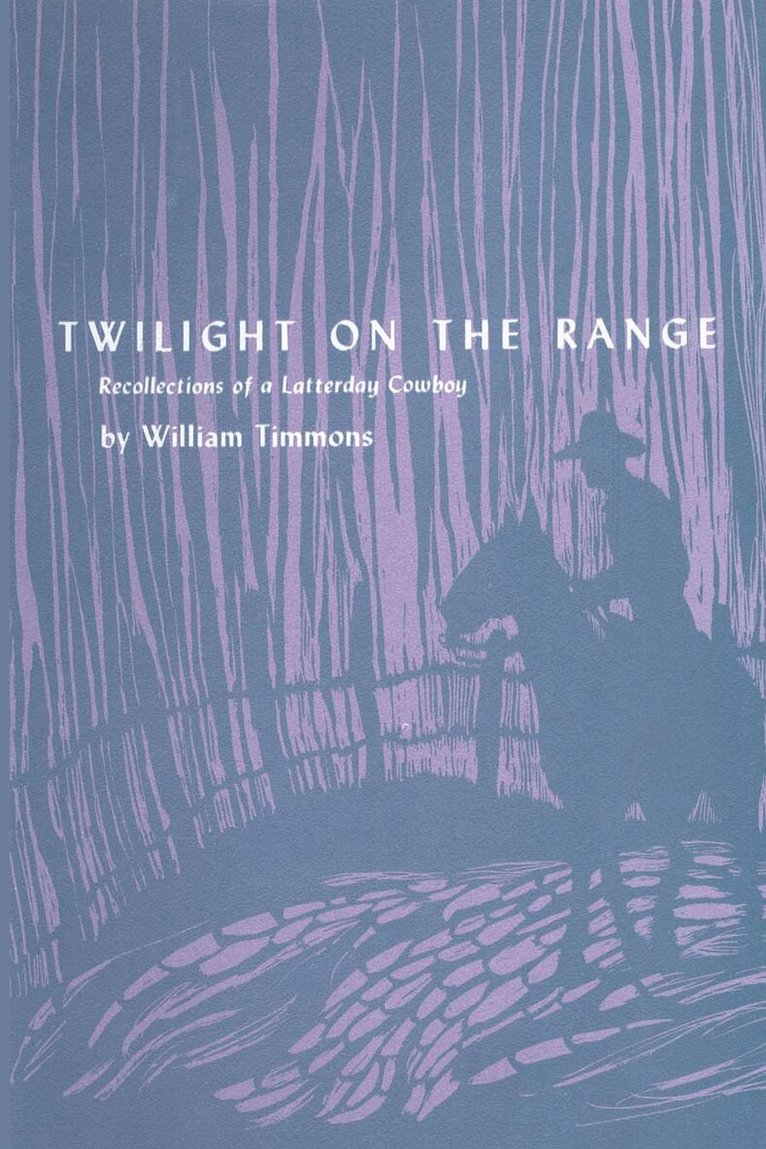
Billie Timmons was fourteen when he met Charles Goodnight-over a wagonload of manure that had been jammed on a gatepost-and he went to work on the Goodnight Cross J Ranch shortly thereafter. The spirit of helpfulness that led Mr. Goodnight to strip off his coat and lift the wagon free for a lad in need sets the tone of this book, in which the author unwinds a spool of recollections of range-riding in Texas and North Dakota over an eighteen-year period. When Billie Timmons went to work for Mr. Goodnight in 1892, Texas was undergoing a rapid transition from open range to fences. But around Texas campfires he heard tales about the northern range, told by cowboys who had ridden there and who had seen the northern lights, the tall free grass, swollen streams, and stampeding cattle. A longing to see that exciting country took hold of young Timmons. His chance came when four buffaloes from the Goodnight ranch needed a nursemaid for their freight car trip to Yellowstone Park. Once in the northern country, Timmons stayed, casting his lot with the cowmen of North Dakota. He became the protÉgÉ of an extraordinary man, William Ray; he was foreman, friend, and confidant of banker-rancher Wilse Richards, a member of the Cowboy Hall of Fame. But even during his days in North Dakota he never lost touch with Charles Goodnight, a lifelong friend, and his portrayal of Goodnight provides much insight into the character of the man whose name belongs to the West. In this book you experience the terror of being lost in the dead-white expanse of a North Dakota snowstorm; the gaiety of cowboy dances, for which there were never enough women available; the excitement of a near-riot in a Hebron, North Dakota, saloon, where cowboys from the 75 Ranch drank up or poured out all the liquor, then smashed all the glasses and bottles-one day before the state became bone-dry; and the loneliness of work on the range, where a flickering lantern on the side of a chuck wagon on a stormy night meant home for many a cowboy. Running like a bright thread through the narrative is Billie Timmons’s love of horses, from whom he learned the wisdom that some horses and some men are to be handled with great care and others are not to be handled at all. His chapter on Buck, his best-loved horse, is memorable. In North Dakota, as in Texas, fences brought the end of the big herds and the end of cowboying for a man who enjoyed it to the hilt.
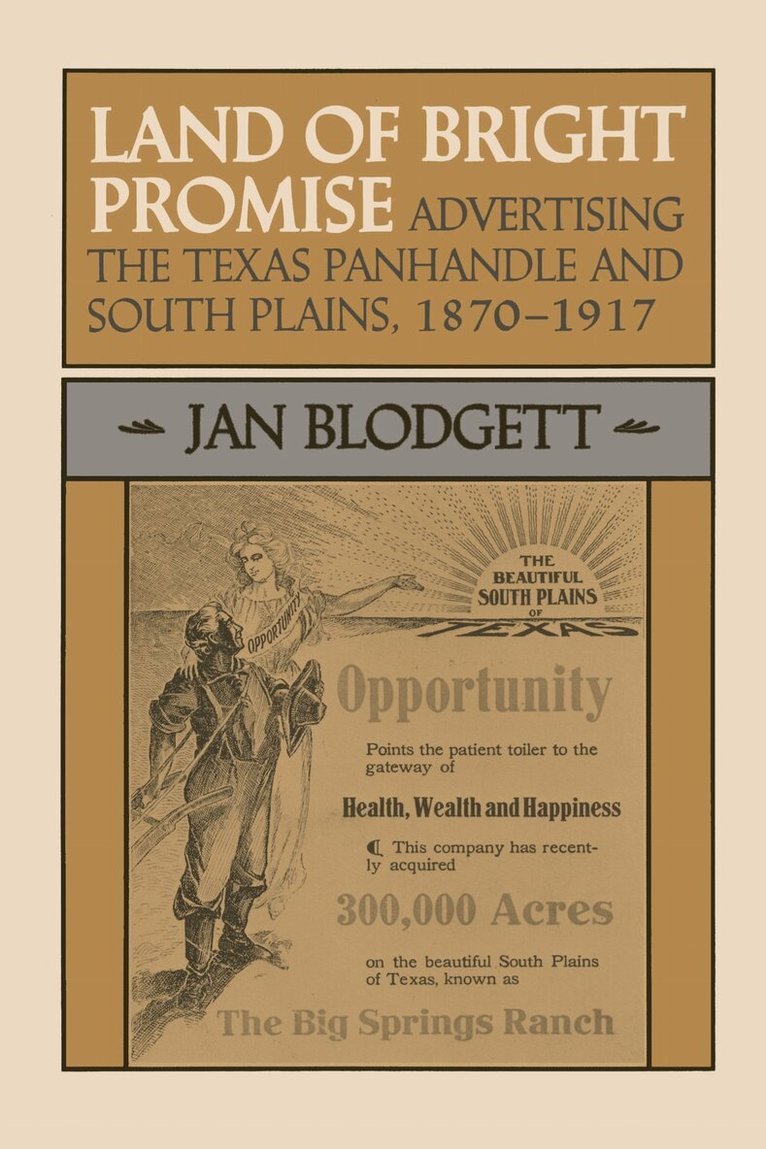
Land of Bright Promise
Advertising the Texas Panhandle and South Plains, 1870-1917
Häftad, Engelska, 1988
214 kr
Skickas inom 10-15 vardagar
“It shall be the chosen land, perpetual sunshine shall kiss its trees and vines, and, being storied in luscious fruits and compressed into ruddy wine, will be sent to the four points of the compass to gladden the hearts of all mankind . . . They will breathe the pure and bracing air, bask in the healing sunshine, drink the invigorating wine, and eat the life prolonging fruit.” -from a brochure advertising the Staked Plains from the Missouri Pacific Railway Company, 1889 Land of Bright Promise is a fascinating exploration of the multitude of land promotions and types of advertising that attracted more than 175,000 settlers to the Panhandle–South Plains area of Texas from the late years of the nineteenth century to the early years of the twentieth. Shunned by settlers for decades because of its popular but forbidding image as a desert filled with desperados, savage Indians, and solitary ranchers, the region was seen as an agricultural and cultural wasteland. The territory, consequently, was among the last to be settled in the United States. But from 1890 to 1917, land companies and agents competed to attract new settlers to the plains. To this end, the combined efforts of local residents, ranchers and landowners, railroads, and professional real estate agents were utilized. Through brochures, lectures, articles, letters, fairs, and excursion trips, midwestern farmers were encouraged to find new homes on what was once feared as the “Great American Desert.” And successful indeed were these efforts: from 13,787 in 1890, the population grew to 193,371 in 1920, with a corresponding increase in the amount of farms and farm acreage. The book looks at the imagination, enthusiasm, and determination of land promoters as they approached their task, including their special advertisements and displays to show the potential of the area. Treating the important roles of the cattlemen, the railroads, the professional land companies, and local boosters, Land of Bright Promise also focuses on the intentions and expectations of the settlers themselves. Of special interest are the fifteen historical photographs and reproductions of promotional pieces from the era used to spur the land boom. What emerges is an engaging look at a critical period in the development of the Texas Panhandle and an overview of the shift from cattle to agriculture as the primary industry in the area.
214 kr
Skickas inom 10-15 vardagar
In the spring of 1881, W. M. D. Lee and Lucien B. Scott, wealthy businessmen of Leavenworth, Kansas, purchased land in the upper Texas Panhandle to establish the Lee-Scott Cattle Company. Their range sprawled across four Texas counties and extended into eastern New Mexico. About six months later, fifty thousand head of mixed cattle, branded LS, grazed those thousands of acres of free grass.This book is the story of Lee and Scott’s LS Ranch from the tempestuous years of the open range to the era of “bob wire.” It is also the story of the pioneer men and women whose efforts developed the LS into a cattle empire: W. M. D. and Lena Lee, Lucien and Julia Scott, “Mister Mac” and “Miss Annie” McAllister, and Charles and Pauline Whitman.Here are accounts of chuck wagons and wagon bosses; prairie fires, blizzards, and bog holes; ranch management problems and cowboys on strike; lobo wolves and romance; wild sprees in Tascosa and its “Hogtown” sector; LS cowboys fighting against a gang of organized rustlers in a feud that ended in tragedy; and those same cowboys on the long trails to Dodge City and Montana.Drawing upon stories told to her by men and women who were with the LS during the 1880’s and later years, Dulcie Sullivan presents her narrative in a clear, straightforward, but sympathetic manner that gives the reader a vivid sense of how life was really lived there in those times. Especially telling is her occasional use of an almost poetic incident: the steers bedding down around a campfire to listen to the chuck-wagon cook play his fiddle, or the suit of Spanish armor found in a spring, or the hail-battered trees attempting to renew themselves, despite their grotesque shapes.
296 kr
Skickas inom 10-15 vardagar
The fabulous XIT Ranch has been celebrated in song, story, and serious history. This book of reminiscences of old XIT cowmen puts on record the everyday life of the individuals who made the ranch run. Their forthright, yet picturesque, discussion of ranching hardships and dangers dissipates Hollywood and TV glamorizing. They relate in honest cowboy language what actually happened inside the XIT's 6,000 miles of fence. Cordia Sloan Duke, wife of an XIT division manager, Robert L. Duke, many years ago realized that only those who had experienced ranch life could depict it with deep understanding. As the young wife of a rising young ranch hand, she kept in her apron pocket a notebook and pencil, recording all manner of interesting details as they caught her attention. This diary was the nucleus for the present book. Conceiving of an account of life on the XIT as presented by XIT cowboys, Mrs. Duke set about drawing from reticent, sometimes reluctant, ranch hands the impressions of the XIT (occasionally written down by their more literate wives or daughters) which they had retained through the years. Cordia Sloan Duke and Joe B. Frantz have organized the reminiscences around key aspects of ranch life, retaining the language of the cow hands.
434 kr
Skickas inom 10-15 vardagar
An intensive study of a large Texas ranch, particularly of its business and financial aspects, in which the author has utilized many company records and firsthand accounts by the men who were engaged in the difficult task of establishing and maintaining a major cattle and land operation in wild, relatively isolated, semidesert country.
351 kr
Skickas inom 10-15 vardagar
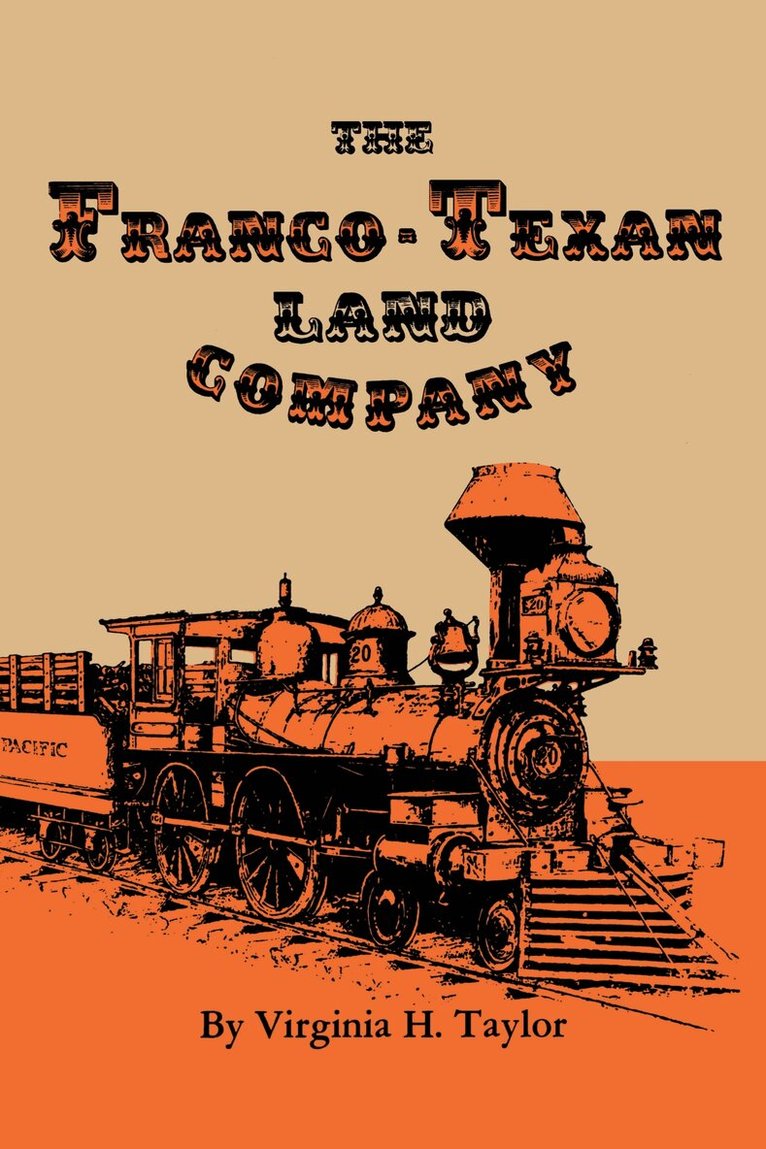
The Franco-Texan Land Company was formed, ostensibly, by the French bondholders of the Memphis, El Paso, and Pacific Railroad in an attempt to salvage their investments through sale of lands in the railroad's Texas land grant. Most of the land company's wealth, however, went into the pockets of unscrupulous local managers and directors, and another railroad eventually built a road across Texas along the Memphis, El Paso, and Pacific right of way. Despite their unsavory histories, the land company and its railroad parent played an important part in the development of Northwest Texas. Virginia Taylor's account of their activities furthers the study of the role of land companies in the settlement of the United States and adds interesting sidelights on one of the immigrant groups that left the imprint of Europe on frontier Texas.
214 kr
Skickas inom 10-15 vardagar
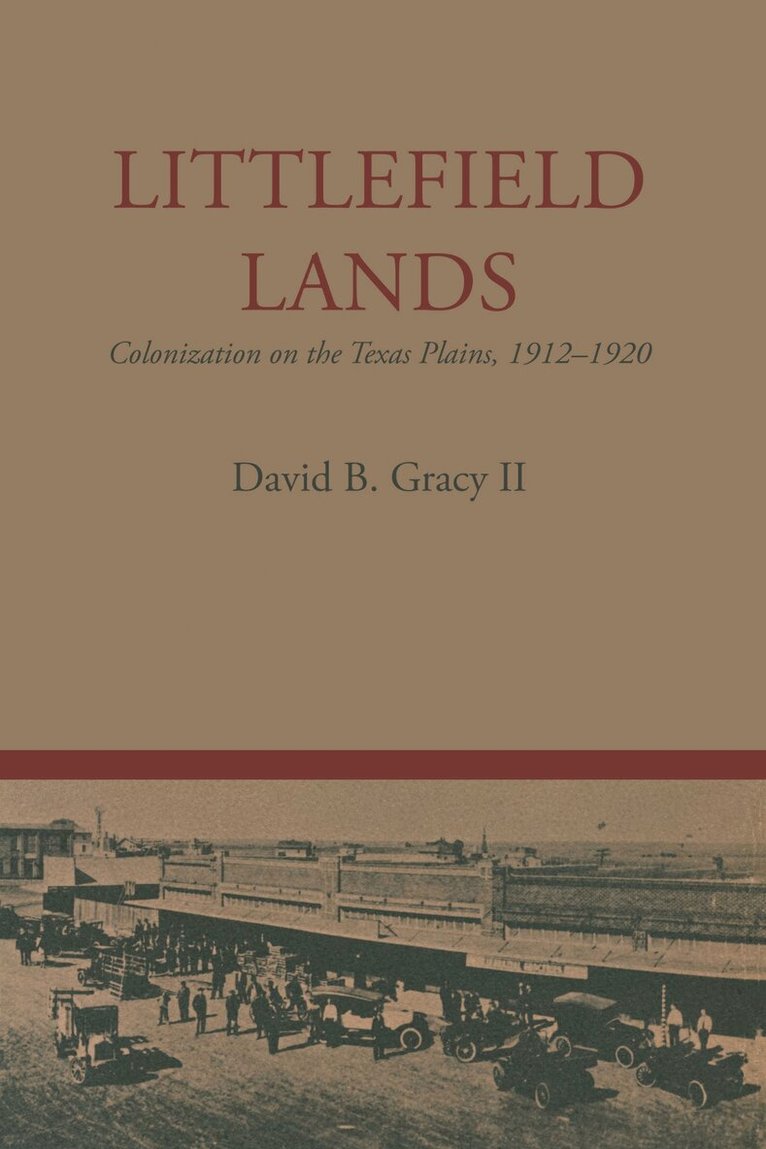
The phenomenon of colonization by big land companies, common throughout the history of the United States, came late to the Panhandle-Plains of West Texas. Ranchers held sway there up into the 20th century. Then, realizing that the future followed the plow, they, joined by business owners and speculators, founded towns on their land, competed for railroad connections, provided irrigation wells and other improvements, and engaged in a variety of advertising activities to interest prospective settlers and to sell the land to farmers at a profit. Trainloads of such "prospectors" were brought in to tour the land; and salesmen of all kinds roamed all the more settled states painting enticing pictures of the fertile lands which their employers offered for sale. Major George W. Littlefield created the Littlefield Lands Company and founded the town of Littlefield, Texas, in 1912, in order to sell as farmland a part of his Yellow House Ranch. His sales manager, Arthur P. Duggan (his nephew by marriage, and grandfather of the author of this study), used many of the techniques then current to attract buyers for the Lamb County land in and around Littlefield. He dug wells and operated a demonstration farm; he planted trees, planned a park, and otherwise beautified the town; he helped to create and maintain a school, a bank, and a number of businesses; and he negotiated contracts and coordinated the activities of innumerable independent land agents. Because the role of the big land company in the settlement of the United States has not, on the whole, received the attention which it deserves, this detailed examination of the operations of one such company is of particular significance. Most of the book is devoted to the creation of the company, the steps taken to make the area attractive to potential settlers, and the problems which beset the building of the community. One chapter discusses the techniques and the difficulties of selling land through independent agents. The final chapter considers the people who moved onto the Littlefield tracts-where they came from, why they came, what their reactions were to the plains country, and how they learned to cope with their new environment. An appendix gives pertinent information about all land transactions conducted by the company between 1912 and 1920, and about each buyer. For this study the author made use of previously unknown records discovered while he was gathering information for a biography of Major Littlefield.