Major Figures in Spanish and Latin American Literature and the Arts – serie
Visar alla böcker i serien Major Figures in Spanish and Latin American Literature and the Arts. Handla med fri frakt och snabb leverans.
2 produkter
2 produkter
939 kr
Skickas inom 5-8 vardagar
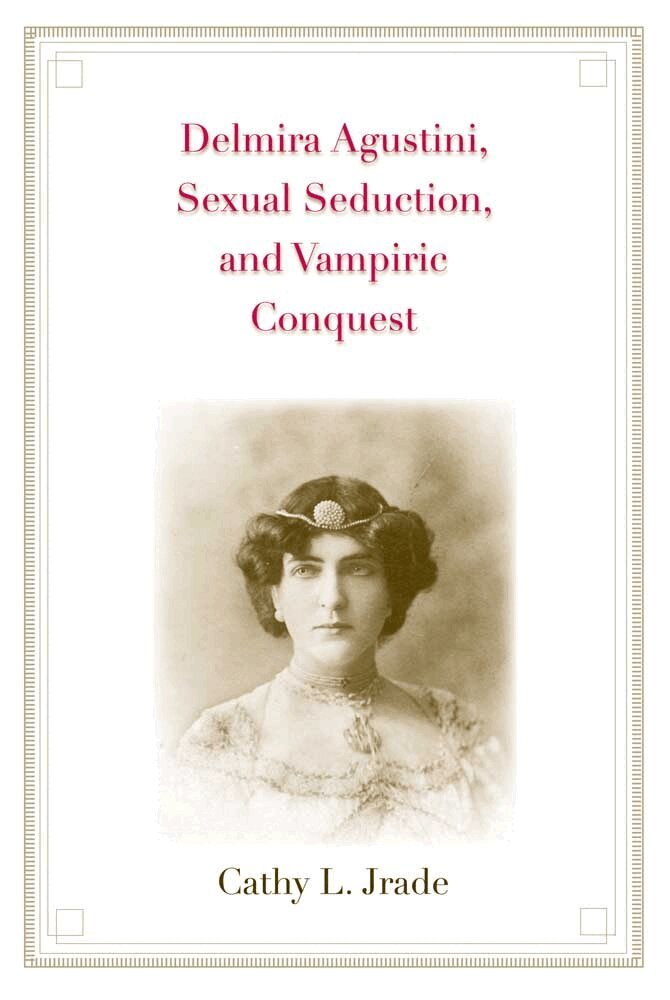
Delmira Agustini (1886–1914) has been acclaimed as one of the foremost modernistas and the first major woman poet of twentieth-century Spanish America. Critics and the reading public alike were immediately taken by the originality and power of her verse, especially her daring eroticism, her inventive appropriation of vampirism, and her morbid embrace of death and pain. No work until now, however, has shown how her poetry reflects a search for an alternative, feminized discourse, a discourse that engages in an imaginative dialogue with Rubén Darío’s recourse to literary paternity and undertakes an audacious rewriting of social, sexual, and poetic conventions.In the first major exploration of Agustini’s life and work, Cathy L. Jrade examines her energizing appropriation and reinvention of modernista verse and the dynamics of her breakthrough poetics, a poetics that became a model for later women writers.
637 kr
Skickas inom 7-10 vardagar
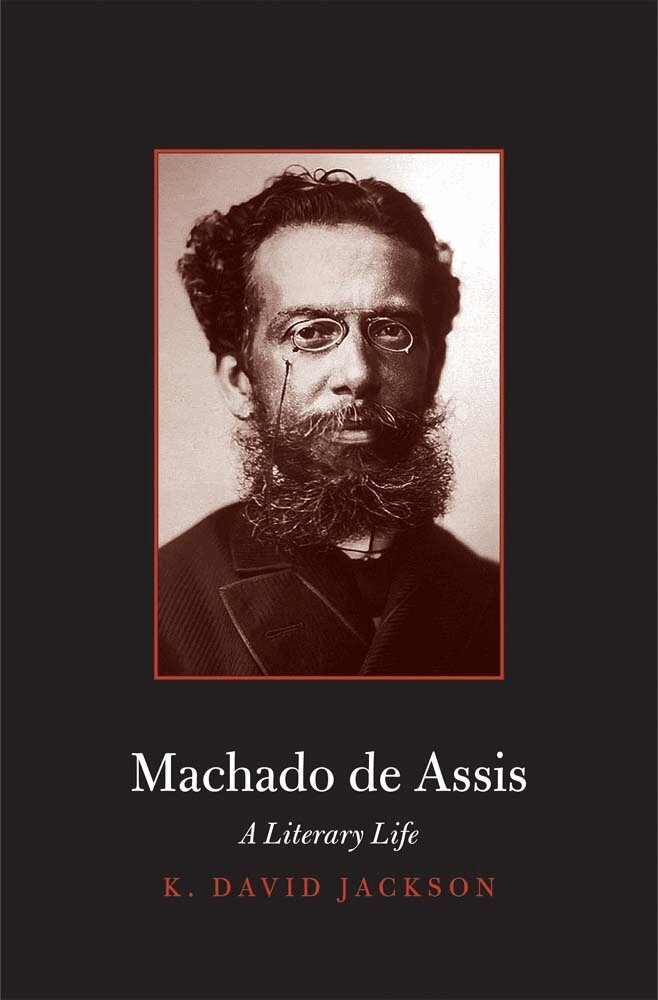
Novelist, poet, playwright, and short story writer Joaquim Maria Machado de Assis (1839–1908) is widely regarded as Brazil’s greatest writer, although his work is still too little read outside his native country. In this first comprehensive English-language examination of Machado since Helen Caldwell’s seminal 1970 study, K. David Jackson reveals Machado de Assis as an important world author, one of the inventors of literary modernism whose writings profoundly influenced some of the most celebrated authors of the twentieth century, including José Saramago, Carlos Fuentes, and Donald Barthelme. Jackson introduces a hitherto unknown Machado de Assis to readers, illuminating the remarkable life, work, and legacy of the genius whom Susan Sontag called “the greatest writer ever produced in Latin America” and whom Allen Ginsberg hailed as “another Kafka.” Philip Roth has said of him that “like Beckett, he is ironic about suffering.” And Harold Bloom has remarked of Machado that “he’s funny as hell.”