Business, Management and Safety Effects of Neoliberalism – serie
Visar alla böcker i serien Business, Management and Safety Effects of Neoliberalism. Handla med fri frakt och snabb leverans.
6 produkter
6 produkter
Compliance Capitalism
How Free Markets Have Led to Unfree, Overregulated Workers
Häftad, Engelska, 2021
511 kr
Skickas inom 10-15 vardagar
In this book, Sidney Dekker sets out to identify the market mechanisms that explain how less government paradoxically leads to greater compliance burdens. This book gives shape and substance to a suspicion that has become widespread among workers in almost every industry: we have to follow more rules than ever—and still, things can go spectacularly wrong.Much has been privatized and deregulated, giving us what is sometimes known as ‘new public management,’ driven by neoliberal, market-favoring policies. But, paradoxically, we typically have more rules today, not fewer. It’s not the government: it’s us. This book is the first of a three-part series on the effects of ‘neoliberalism,’ which promotes the role of the private sector in the economy. Compliance Capitalism examines what aspects of the compliance economy, what mechanisms of bureaucratization, are directly linked to us having given free markets a greater reign over our political economy. The book steps through them, picking up the evidence and levers for change along the way.Dekker’s work has always challenged readers to embrace more humane, empowering ways to think about work and its quality and safety. In Compliance Capitalism, Dekker extends his reach once again, writing for all managers, board members, organization leaders, consultants, practitioners, researchers, lecturers, students, and investigators curious to understand the genuine nature of organizational and safety performance.
Compliance Capitalism
How Free Markets Have Led to Unfree, Overregulated Workers
Inbunden, Engelska, 2021
2 176 kr
Skickas inom 10-15 vardagar
In this book, Sidney Dekker sets out to identify the market mechanisms that explain how less government paradoxically leads to greater compliance burdens. This book gives shape and substance to a suspicion that has become widespread among workers in almost every industry: we have to follow more rules than ever—and still, things can go spectacularly wrong.Much has been privatized and deregulated, giving us what is sometimes known as ‘new public management,’ driven by neoliberal, market-favoring policies. But, paradoxically, we typically have more rules today, not fewer. It’s not the government: it’s us. This book is the first of a three-part series on the effects of ‘neoliberalism,’ which promotes the role of the private sector in the economy. Compliance Capitalism examines what aspects of the compliance economy, what mechanisms of bureaucratization, are directly linked to us having given free markets a greater reign over our political economy. The book steps through them, picking up the evidence and levers for change along the way.Dekker’s work has always challenged readers to embrace more humane, empowering ways to think about work and its quality and safety. In Compliance Capitalism, Dekker extends his reach once again, writing for all managers, board members, organization leaders, consultants, practitioners, researchers, lecturers, students, and investigators curious to understand the genuine nature of organizational and safety performance.
497 kr
Skickas inom 10-15 vardagar
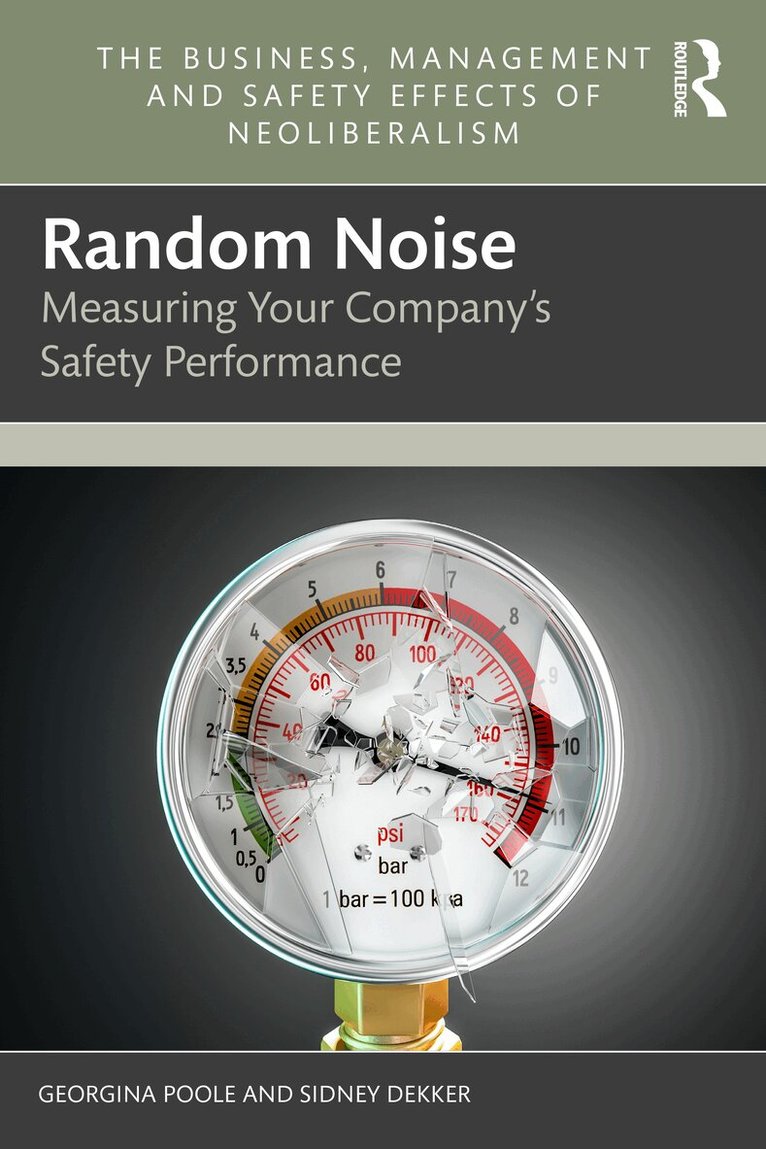
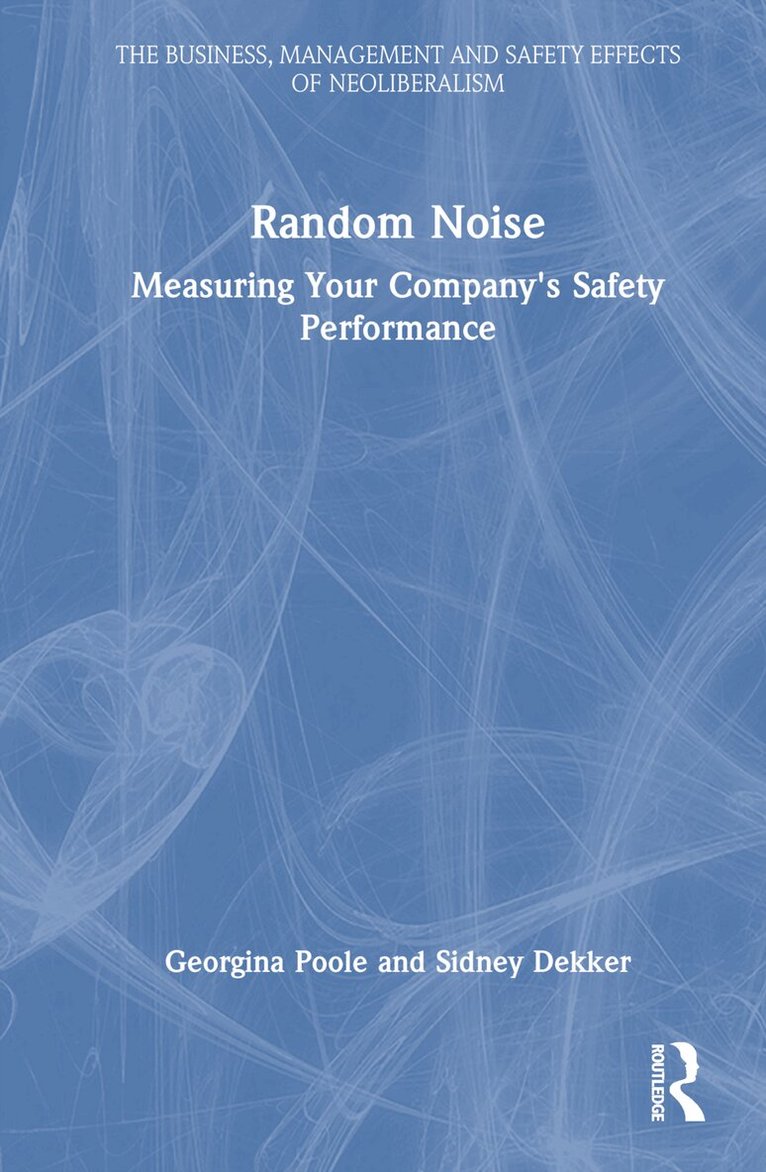
In the realm of safety management, this book embarks on a profound exploration of how the political economy was reshaped in the last two decades. Much like privatization, deregulation, and financialization altered the economic landscape, this narrative unveils how safety management has been affected by the intertwined dynamics of asset underinvestment, privatization, self-regulation, workplace flexibilization, and market-driven policies.This book, the second installment of a thought-provoking trilogy on the consequences of neoliberalism, mirrors the political economy's promotion of the private sector's role in the economy. Just as neoliberalism amplified and accelerated the mechanisms of human-made disasters in complex systems, this narrative lays bare the heightened potential for safety misfortunes when governed by market-driven principles.As the story unfolds, the book delves into the concept of 'synoptic legibility' in safety management, akin to how the political economy distilled its essence into privatization and deregulation. The authors scrutinize the consequences of translating safety measures into rigid targets, unveiling how this shift can distort the integrity of safety metrics and inadvertently harm individuals. Drawing parallels with historical blunders such as England's window tax, the book contemplates the precarious nature of equating simplified metrics with safety achievements. Much like the political economy's 'acceptable risk' renegotiations, it examines how the pursuit of safety through metrics and surveillance can lead to 'manufactured insecurity,' eroding trust, autonomy, and professionalism.In Random Noise, Poole and Dekker extend this reach once again, writing for all managers, board members, organization leaders, consultants, practitioners, researchers, lecturers, students, and investigators curious to understand the genuine nature of organizational and safety performance.
2 036 kr
Skickas inom 10-15 vardagar
In the realm of safety management, this book embarks on a profound exploration of how the political economy was reshaped in the last two decades. Much like privatization, deregulation, and financialization altered the economic landscape, this narrative unveils how safety management has been affected by the intertwined dynamics of asset underinvestment, privatization, self-regulation, workplace flexibilization, and market-driven policies.This book, the second installment of a thought-provoking trilogy on the consequences of neoliberalism, mirrors the political economy's promotion of the private sector's role in the economy. Just as neoliberalism amplified and accelerated the mechanisms of human-made disasters in complex systems, this narrative lays bare the heightened potential for safety misfortunes when governed by market-driven principles.As the story unfolds, the book delves into the concept of 'synoptic legibility' in safety management, akin to how the political economy distilled its essence into privatization and deregulation. The authors scrutinize the consequences of translating safety measures into rigid targets, unveiling how this shift can distort the integrity of safety metrics and inadvertently harm individuals. Drawing parallels with historical blunders such as England's window tax, the book contemplates the precarious nature of equating simplified metrics with safety achievements. Much like the political economy's 'acceptable risk' renegotiations, it examines how the pursuit of safety through metrics and surveillance can lead to 'manufactured insecurity,' eroding trust, autonomy, and professionalism.In Random Noise, Poole and Dekker extend this reach once again, writing for all managers, board members, organization leaders, consultants, practitioners, researchers, lecturers, students, and investigators curious to understand the genuine nature of organizational and safety performance.
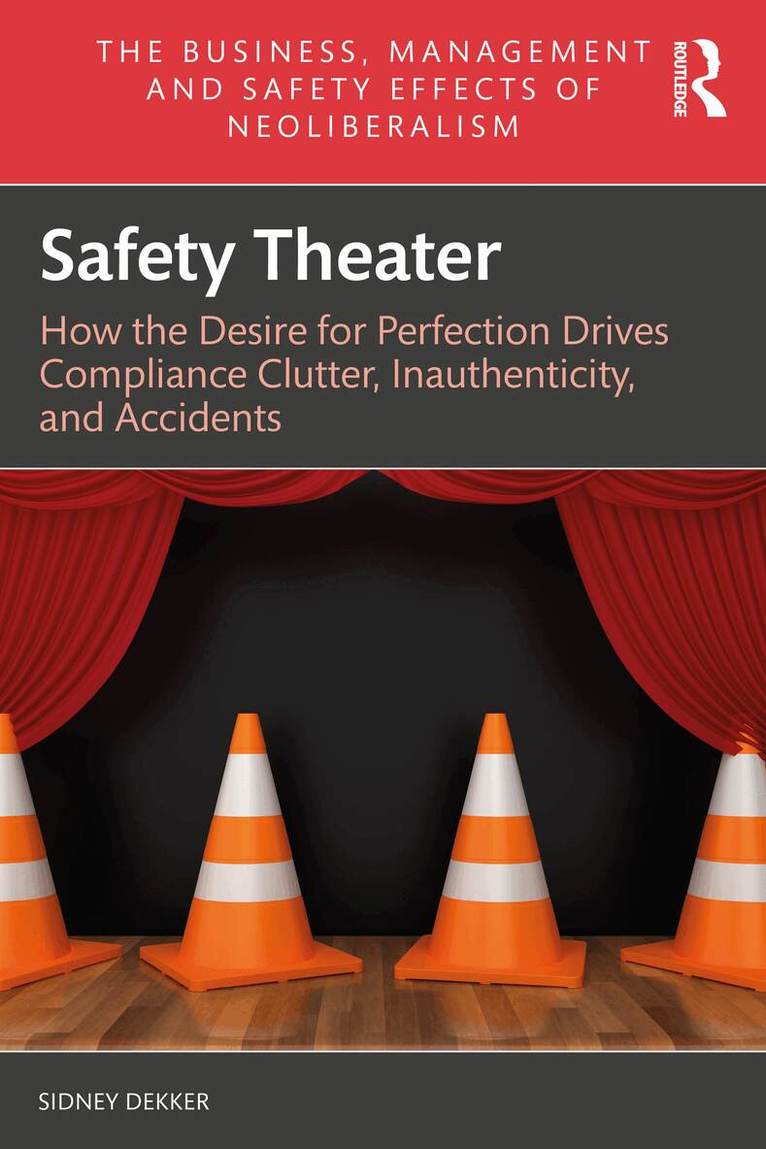
Safety Theater
How the Desire for Perfection Drives Compliance Clutter, Inauthenticity, and Accidents
Häftad, Engelska, 2025
523 kr
Skickas inom 10-15 vardagar
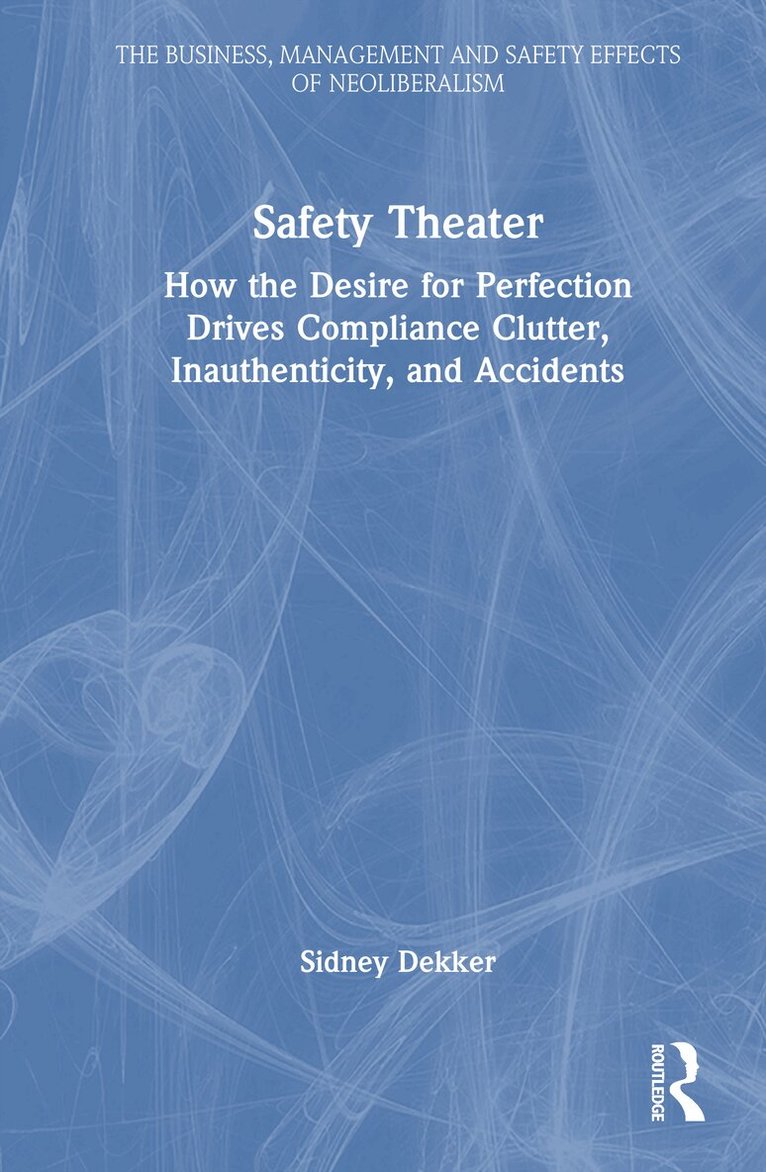
How is it possible that the desire for a perfectly safe world with perfectly safe workplaces helps generate the opposite? Safety Theater shows how our desire for perfection drives compliance clutter, inauthentic relationships with work-as-done, and new kinds of accidents. Written by the leading global voice on safety innovation today, Safety Theater takes us back to the Enlightenment and its aspiration toward a perfectible world through rationality and science, and explains how, by separating severity from injury rates two centuries later, we now hit our targets but miss the point. This hopeful, forward-looking book is the final volume in a three-part series on the effects of "neoliberalism," which promotes the role of the private sector in the economy.Showcasing a more caring kind of capitalism—where free markets are free in a frame; where horizontal coordination replaces hierarchical control; where shareholders are not the only stakeholders; and where value and prosperity are assessed in terms other than merely economic ones—the book platforms much of what is now known as "safety differently," and also allows us to think differently about our capacity to manage complexity (including its possible drift toward failure) and see our fellow human beings as resources for solutions, not as problems to control. Safety Theater introduces the socio-economic success and value system that distinguish Rhineland economies from Anglo ones. It explains how complexity can never be governed through hierarchy and compliance, but necessarily requires trust and horizontal coordination; offers a vision of humanity richer than Anglo-style capitalism can offer; and examines how Rhineland thinking values tripartite consultation (between workers, employers, and government) in ways that can help stem the worst effects of free market policymaking on the compliance clutter and drift into failure, as detailed in the previous two volumes in this trilogy.Sidney Dekker’s work—from his debut Field Guide to Understanding Human Error in 2001 to his recent Random Noise—always challenges readers to embrace more humane, empowering ways to think about work and its quality and safety. In Safety Theater, Dekker extends his reach once again, writing for all managers, board members, organization leaders, consultants, practitioners, researchers, lecturers, students, and investigators curious to understand the genuine nature of organizational and safety performance.
Safety Theater
How the Desire for Perfection Drives Compliance Clutter, Inauthenticity, and Accidents
Inbunden, Engelska, 2025
2 113 kr
Skickas inom 10-15 vardagar
How is it possible that the desire for a perfectly safe world with perfectly safe workplaces helps generate the opposite? Safety Theater shows how our desire for perfection drives compliance clutter, inauthentic relationships with work-as-done, and new kinds of accidents. Written by the leading global voice on safety innovation today, Safety Theater takes us back to the Enlightenment and its aspiration toward a perfectible world through rationality and science, and explains how, by separating severity from injury rates two centuries later, we now hit our targets but miss the point. This hopeful, forward-looking book is the final volume in a three-part series on the effects of "neoliberalism," which promotes the role of the private sector in the economy.Showcasing a more caring kind of capitalism—where free markets are free in a frame; where horizontal coordination replaces hierarchical control; where shareholders are not the only stakeholders; and where value and prosperity are assessed in terms other than merely economic ones—the book platforms much of what is now known as "safety differently," and also allows us to think differently about our capacity to manage complexity (including its possible drift toward failure) and see our fellow human beings as resources for solutions, not as problems to control. Safety Theater introduces the socio-economic success and value system that distinguish Rhineland economies from Anglo ones. It explains how complexity can never be governed through hierarchy and compliance, but necessarily requires trust and horizontal coordination; offers a vision of humanity richer than Anglo-style capitalism can offer; and examines how Rhineland thinking values tripartite consultation (between workers, employers, and government) in ways that can help stem the worst effects of free market policymaking on the compliance clutter and drift into failure, as detailed in the previous two volumes in this trilogy.Sidney Dekker’s work—from his debut Field Guide to Understanding Human Error in 2001 to his recent Random Noise—always challenges readers to embrace more humane, empowering ways to think about work and its quality and safety. In Safety Theater, Dekker extends his reach once again, writing for all managers, board members, organization leaders, consultants, practitioners, researchers, lecturers, students, and investigators curious to understand the genuine nature of organizational and safety performance.