Meals Series - Böcker
Visar alla böcker i serien Meals Series. Handla med fri frakt och snabb leverans.
6 produkter
6 produkter
695 kr
Skickas inom 10-15 vardagar
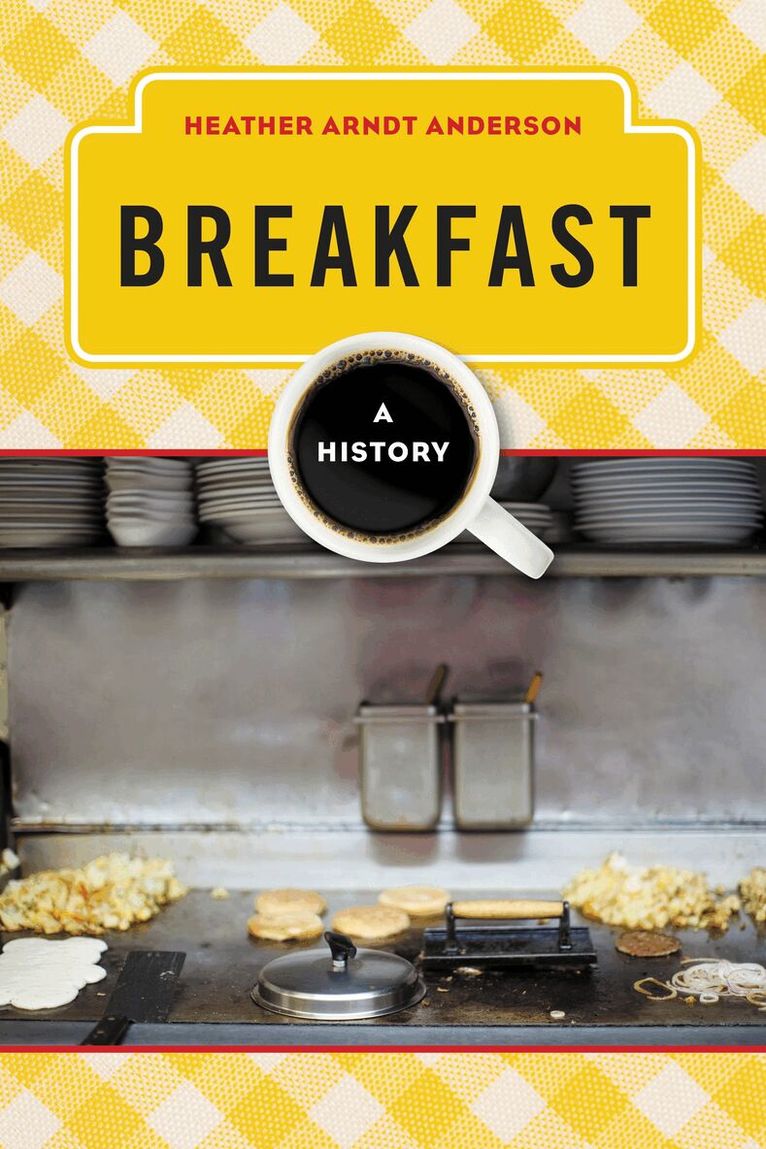
From corn flakes to pancakes, Breakfast: A History explores this “most important meal of the day” as a social and gastronomic phenomenon. It explains how and why the meal emerged, what is eaten commonly in this meal across the globe, why certain foods are considered indispensable, and how it has been depicted in art and media. Heather Arndt Anderson’s detail-rich, culturally revealing, and entertaining narrative thoroughly satisfies.
695 kr
Skickas inom 10-15 vardagar
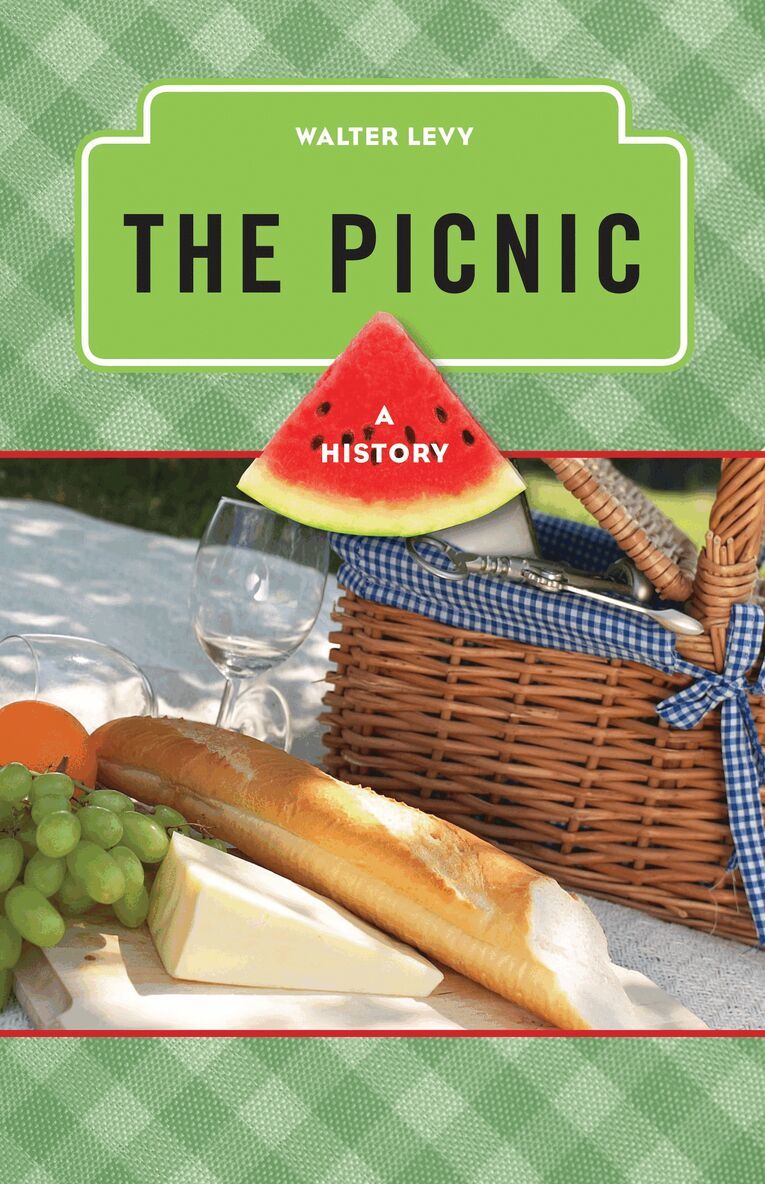
Picnics are happy occasions and have always been a diversion from every day cares. We think of the picnic as an outdoor meal, set on a blanket, usually in the middle of the day, featuring a hamper filled with tasty morsels and perhaps a bottle of wine, but historically picnics came in many forms, served any time of the day. This first culinary history reveals rustic outdoor dining in its more familiar and unusual forms, the history of the word itself, the cultural context of picnics and who arranged them, and, most important, the gastronomic appeal. Drawing on various media and literature, painting, music, and even sculpture, Walter Levy provides an engaging and enlightening history of the picnic.
675 kr
Skickas inom 10-15 vardagar
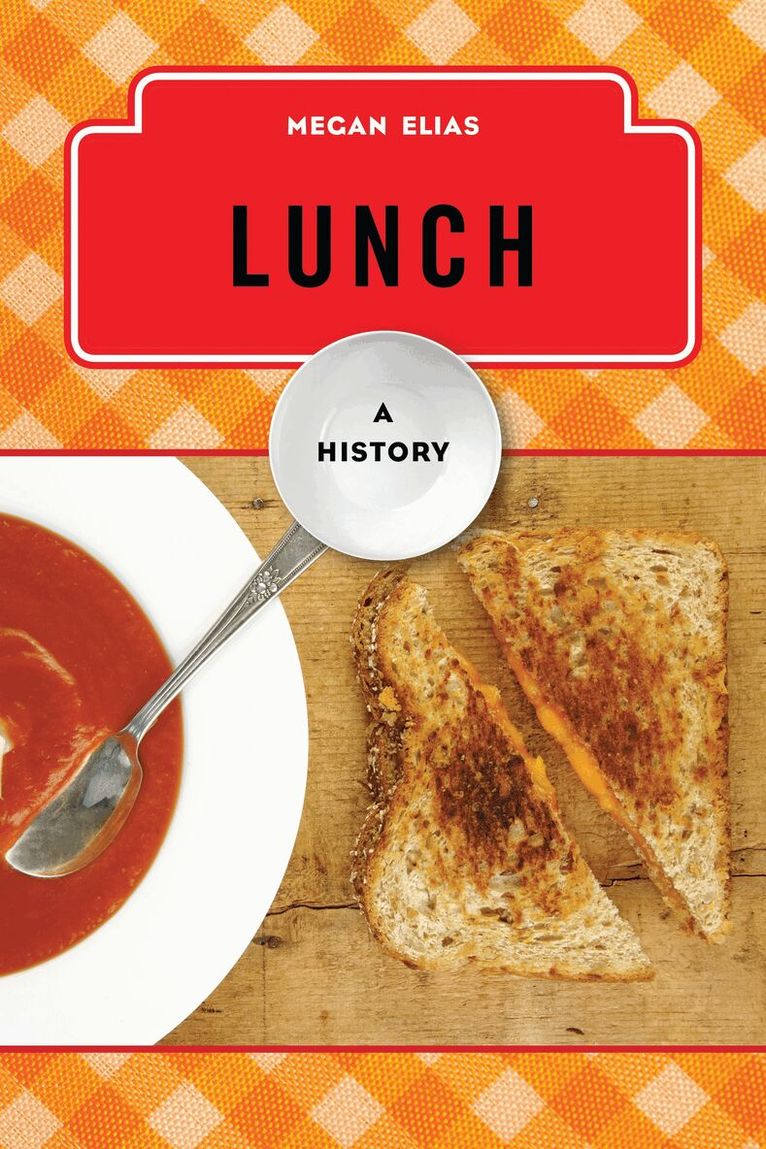
Lunch has never been just a meal; the meal most often eaten in public, lunch has a long tradition of establishing social status and cementing alliances. From the ploughman’s lunch in the field to the power lunch at the Four Seasons, the particulars of lunch decisions—where, with whom, and what we eat—often mark our place in the world. Lunch itself has galvanized political movements and been at the center of efforts to address poverty and malnutrition; the American School Lunch Act of 1946 enforced the notion that lunch could represent the very health of the nation, and sit-ins and protests at lunch counters in the 1960s thrust this space into moral territory. Issues of who cooks lunch, who eats what, and how and when we eat in public institutions continue to spur activists. Exploring the rich history and culture of this most-observed and versatile meal, Lunch draws on a wide range of sources:Letters and memoirsFiction CookbooksInstitutional recordsArt and popular mediaTea room menus Lunch truck Twitter feeds, and more Elias considers the history of lunch not only in America, but around the world to reveal the rich traditions and considerable changes this meal has influenced over the years.
555 kr
Skickas inom 10-15 vardagar
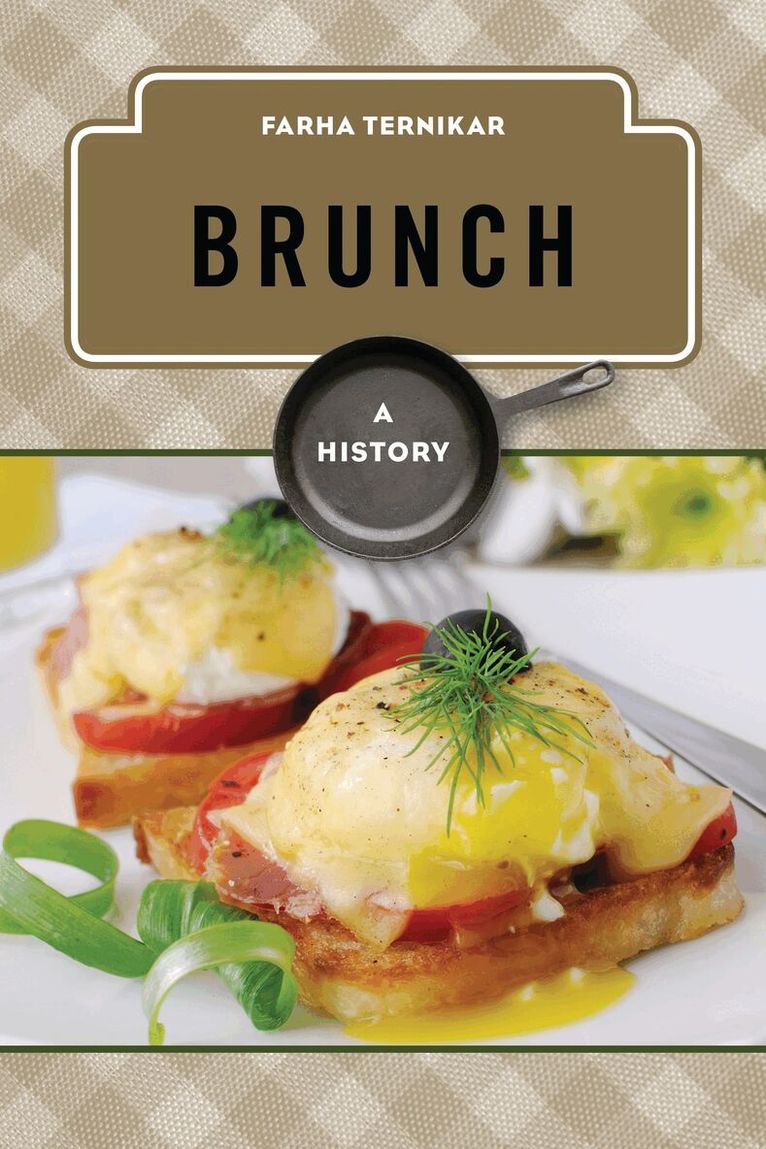
When Americans think of brunch, they typically think of Sunday mornings swelling into early afternoons; mimosas and bloody Marys; eggs Benedict and coffee cake; bacon and bagels; family and friends. This book presents a modern history of brunch not only as a meal, but also as a cultural experience. Relying on diverse sources, from historic cookbooks to Twitter and television, Brunch: A History is a global and social history of the meal including brunch in the United States, Western Europe, South Asia and the Middle-East. Brunch takes us on a tour of a modern meal around the world.While brunch has become a modern meal of leisure, its history is far from restful; this meal’s past is both lively and fraught with tension. Here, Farha Ternikar explores the gendered and class-based conflicts around this meal, and provides readers with an enlightening glimpse into the dining rooms, verandas, and kitchens where brunches were prepared, served, and enjoyed.
515 kr
Skickas inom 10-15 vardagar
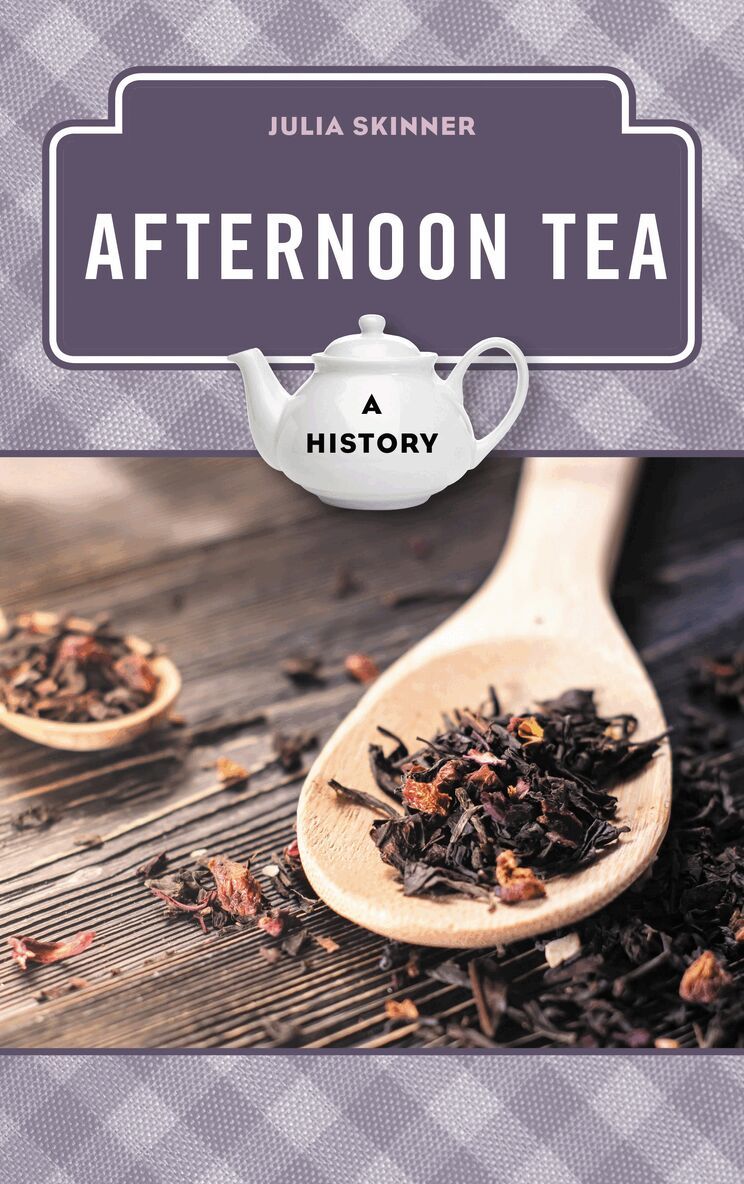
Afternoon Tea: A History explores the development of the afternoon tea meal, diving deeper than the popular tale of the Duchess of Bedford’s afternoon gatherings to find the meals that inspired those early afternoon teas. Julia Skinner carefully separates the fact and lore around the meal and sets the story of afternoon tea within its historic contexts. Recognizing that a meal’s birth and life never happen in a vacuum, the book sets aside the already well-documented conversations surrounding tea etiquette, instead exploring the social contexts that made the meal possible and popular, moving it from one small subset of the population to a widespread and beloved phenomenon, one that nearly died out at the end of the 20th century before experiencing a resurgence in the 21st. Afternoon tea is a meal that came of age during the British Empire’s most aggressive expansion, and as such became a meal that was transported to new continents with colonial forces. The book explores how this movement took place and uncovers the different ways tea and colonialism intersect in both the colonial and postcolonial worlds. It also looks at afternoon tea in America, a country that broke from the Empire before the meal was established as a set ritual, but which still has its own complex relationship with the beverage and a continuing fascination with the meal. The book concludes by looking at afternoon tea today, including a handful of interviews that show the range of perspectives about the meal and its place in society, as well as its resurging popularity in the last decade.
515 kr
Skickas inom 10-15 vardagar
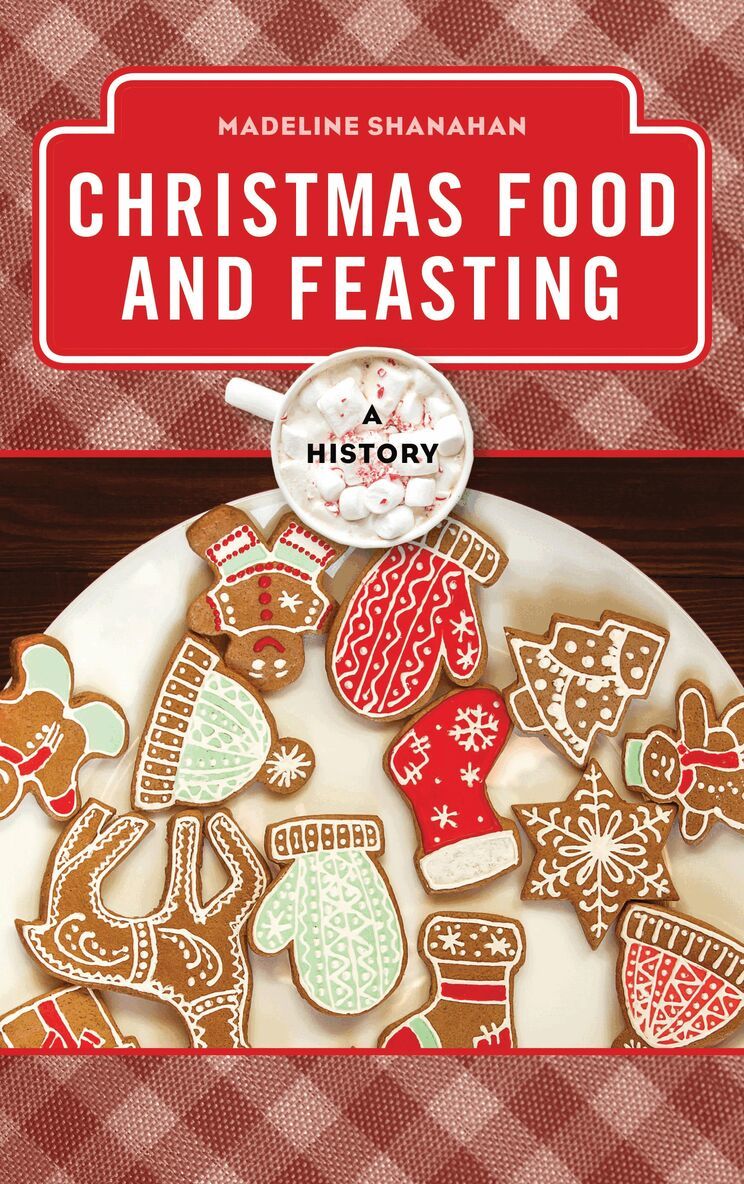
From its pre-Christian origins to the present, food has always been central to Christmas; a feast at which tradition, nostalgia, innovation, symbolism, and indulgence all come together at the table. This book explores the rich story of Christmas food and feasting, tracing the history of how our festive menu evolved and inherited elements of pagan ritual, medieval traditions, early modern innovations, Victorian romanticism, and contemporary commercialism. Although it makes reference to global traditions, it focuses specifically on the story of how the British Christmas meal evolved, both on its native shores and beyond. It considers the origins, form, and structure of the modern British Christmas dinner, with its codified menu and iconic festive dishes and drinks. It also tells the story of what happened to that meal as it was taken throughout the Empire, becoming entrenched in places most strongly associated with the British Diaspora. In these places, spread across the Globe, keeping a very precise model of Christmas became a key marker of cultural identity. This British Christmas was not unchanging, though; rather, it adapted to new environments, and merged with the Christmases of other cultures encountered to create new traditions. Looking beyond Britain, to places strongly associated with its Diaspora, such as the United States of America, Canada, Australia, and New Zealand, helps us to understand the cultural significance and meaning of this feast with more complexity. With recipes and menus, this work will help modern readers understand the feasts of Christmas past, and perhaps incorporate some of those old dishes into Christmas-present festivities.