
Military History of the Netherlands – serie
Visar alla böcker i serien Military History of the Netherlands. Handla med fri frakt och snabb leverans.
2 produkter
2 produkter
971 kr
Skickas inom 7-10 vardagar
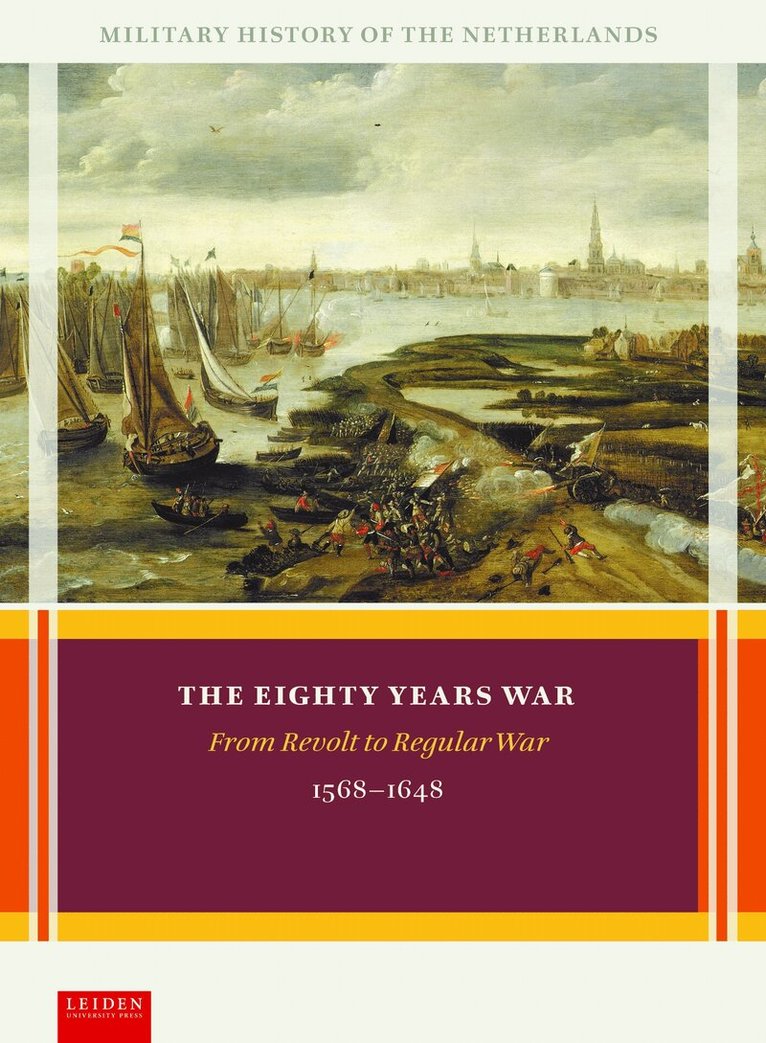
The Eighty Years War offers an insight into the military factors at play in the creation of the Dutch Republic. In 1648 the Spanish empire agreed to a peace treaty that ended decades of fighting and resulted in the division of the Low Countries and the birth of the Republic. From the outset, the conflict between the Dutch insurgents and their Spanish sovereign lord captured the imagination. As a result of eighty years of warfare, the provincial States and the Calvinists gained the upper hand in the north and the Spanish rulers and the Catholic church in the south. Against all expectations, Philip II and his successors failed to win a conclusive victory over their rebellious Dutch subjects; in the end Spain was compelled to admit military defeat at the negotiating table in Münster and recognise the breakaway Dutch provinces as a sovereign state. The birth of the new state was to no small degree determined by the balance of military power on land and at sea, and this book, illustrated in colour throughout, brings together all aspects of our country's military history for the first time. Filling a gap in current scholarship, The Eighty Years War investigates the relationship between maritime and land-based developments in the fields of weapons technology, tactics and organisation in the period from 1568 to 1648.
Wars Overseas
Military Operations by Company and State Outside Europe 1595-1814
Inbunden, Engelska, 2024
1 202 kr
Skickas inom 7-10 vardagar
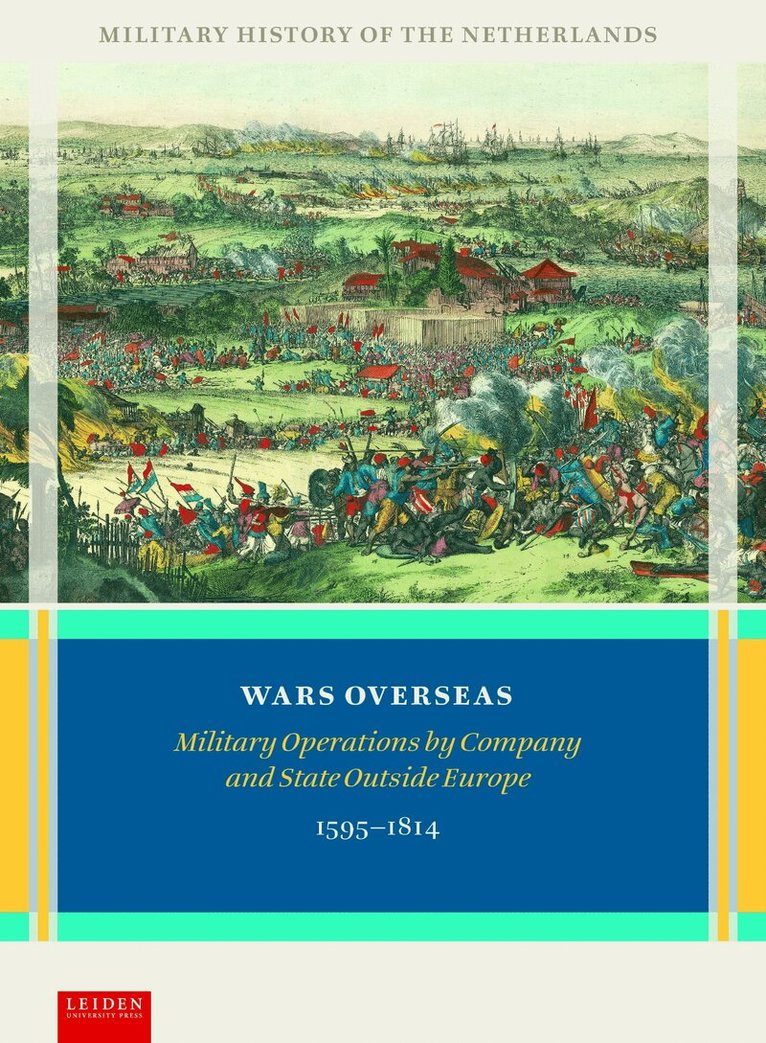
Wars Overseas focuses on Dutch military actions outside Europe in the early-modern period. Those actions were rooted in the Eighty Years' War, the conflict between Spain and the northern Netherlands that led to the creation of the independent Dutch Republic. The Republic was determined to trade in tropical products from Asia, Africa and the Americas, commodities on which the Iberians had had a monopoly for a century or more. To do so, however, it would have to fight. The fledgling State did not itself have the resources for such an undertaking and effectively left it to two monopolistic trading companies, the Dutch East India Company or VOC and the Dutch West India Company or WIC. In Asia, through an adroit policy of war and diplomacy, the VOC built a powerful trade-based empire that lasted for almost two centuries. The WIC began with a large-scale offensive in the Atlantic area, operating in both Africa and the Americas, albeit with less success than its sister company in Asia. In those conflicts overseas, empire builders like Jan Pietersz Coen and Johan Maurits of Nassau played crucial roles. How did they act? What resources did they have? And how did the military revolution in Europe impact the process of Dutch expansion overseas? Wars Overseas, the first comprehensive overview of Dutch military action in Asia, Africa, and the Americas, examines these and many other questions in detail, while thematic chapters focus on the deployment of sailors, soldiers and ships, on weapons and fortification-building, and on the confrontation with non-European allies and adversaries.