
Monographs in Mediterranean Archaeology S. – serie
Visar alla böcker i serien Monographs in Mediterranean Archaeology S.. Handla med fri frakt och snabb leverans.
3 produkter
3 produkter
Inbunden, Engelska, 2006
1 194 kr
Skickas inom 5-8 vardagar
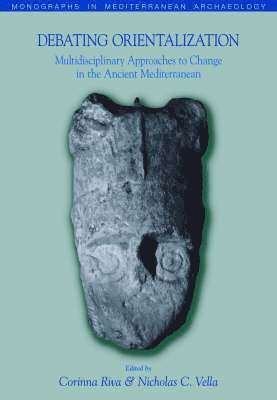
Initially coined by art historians in the second half of the nineteenth century to denote an ambivalent artistic style and period, 'Orientalizing' has been invariably used to describe a phenomenon, a revolution, or a movement. Regional developments and innovations in the ancient Mediterranean have been explained by reference to an Orient, the metaphorical bazaar containing the artistic opulence and social sophistication that spread to the West and changed it. "Debating Ancient Orietalization" brings together papers presented at a symposium held in Oxford in 2002 to debate the theme of ancient Orientalization. The volume reassesses the concept of Orientalizing, questioning whether it is valid to interpret Mediterranean-wide processes of change in the Late Bronze and Early Iron Ages by the term Orientalization. Like the ancient Mediterranean itself, the list of contributors is multicultural, and their contributions multidisciplinary, combining various strands of archaeological and textual evidence with different methodological approaches.
Häftad, Engelska, 2004
487 kr
Skickas inom 5-8 vardagar
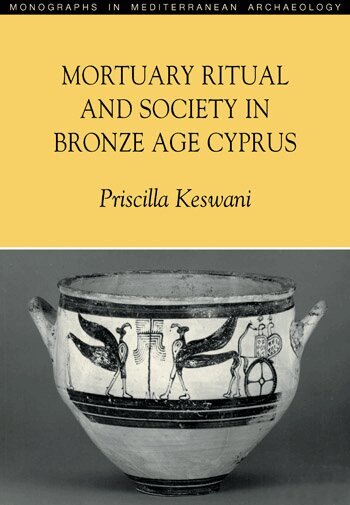
"Mortuary Ritual and Society in Bronze Age Cyprus" is a ground-breaking investigation of burial practices and social transformations in the era when Cypriot agricultural communities moved from village to urban life and became major players in the eastern Mediterranean copper trade. Confronting the many interpretive challenges posed by tombs used for multiple interments, the author develops an innovative theoretical and methodological approach that enables her to define and elucidate the shifting spatial relationships between tombs and habitation areas, the elaboration of rituals involving secondary treatment and collective burial, and changing patterns of mortuary expenditure and symbolism throughout the Bronze Age. Keswani proposes that during the Early-Middle Bronze periods, the growing elaboration of mortuary festivities and their crucial importance in negotiating status hierarchies contributed to the intensification of Cypriot copper production and the expansion of interregional exchange relations.This helped set the stage for the rise of urban polities early in the Late Bronze Age, when the presence of hereditary elites first becomes apparent in the Cypriot archaeological record. Subsequent changes in mortuary practice suggest that the importance of collective burial rites and traditional modes of ritual display diminished over the course of the Late Bronze Age, as urban institutions multiplied and the bases of social prestige were transformed.
Inbunden, Engelska, 2004
1 352 kr
Skickas inom 5-8 vardagar
Mortuary Ritual and Society in Bronze Age Cyprus is a ground-breaking investigation of burial practices and social transformations in the era when Cypriot agricultural communities moved from village to urban life and became major players in the eastern Mediterranean copper trade. Confronting the many interpretive challenges posed by tombs used for multiple interments, the author develops an innovative theoretical and methodological approach that enables her to define and elucidate the shifting spatial relationships between tombs and habitation areas, the elaboration of rituals involving secondary treatment and collective burial, and changing patterns of mortuary expenditure and symbolism throughout the Bronze Age. Keswani proposes that during the Early-Middle Bronze periods, the growing elaboration of mortuary festivities and their crucial importance in negotiating status hierarchies contributed to the intensification of Cypriot copper production and the expansion of interregional exchange relations.This helped set the stage for the rise of urban polities early in the Late Bronze Age, when the presence of hereditary elites first becomes apparent in the Cypriot archaeological record. Subsequent changes in mortuary practice suggest that the importance of collective burial rites and traditional modes of ritual display diminished over the course of the Late Bronze Age, as urban institutions multiplied and the bases of social prestige were transformed.