Nancy and Ted Paup Ranching Heritage Series – Serie
Visar alla böcker i serien Nancy and Ted Paup Ranching Heritage Series. Handla med fri frakt och snabb leverans.
6 produkter
6 produkter
442 kr
Skickas inom 7-10 vardagar
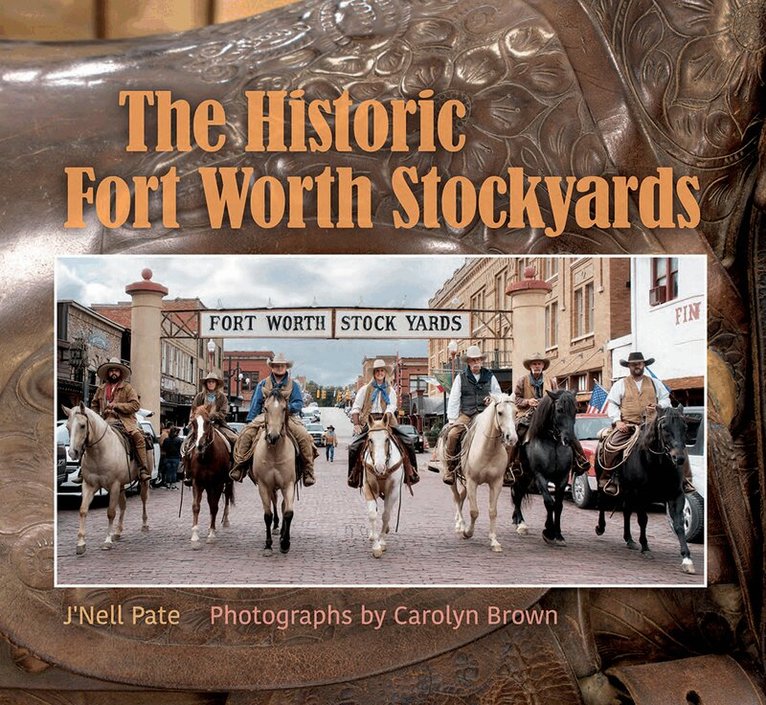
With breathtaking color photography and absorbing historical detail, Carolyn Brown and J'Nell Pate tell the story of the Fort Worth Stockyards, the place that earned the city the nickname 'Cowtown.' From the rise of the stockyards as a vital railhead for the ranching industry through the postwar decline and rebirth as a National Historic District, first-time visitors and long-time acquaintances will find this chronicle engaging and enjoyable.Brown and Pate accompany readers through the early days of settlement, the cattle drives that saw thousands of head of livestock going up the trail through what was then little more than a frontier outpost, and the rising tide of industry that accompanied the arrival of the railroads. Continuing after World War II when the changes in the livestock industry led to decline of their importance, the stockyards, once a bustling, vital part of the regional culture and economy, fell into slow decay.In 1976, citizens banded together to create a National Historic District. Today, the Fort Worth Stockyards attract thousands of visitors from all over the world with restaurants, entertainment venues, and the world's only twice-daily longhorn cattle drive along East Exchange Avenue.Brown's lens captures the vibrancy of today's stockyards while Pate's research depicts the drama of the area's rise, fall, and rebirth. The Historic Fort Worth Stockyards provides a visual and factual tour of an unforgettable place where heritage is celebrated and preserved.
Henry C. "Hank" Smith and the Cross B Ranch
The First Stock Operation on the South Plains
Inbunden, Engelska, 2021
167 kr
Skickas
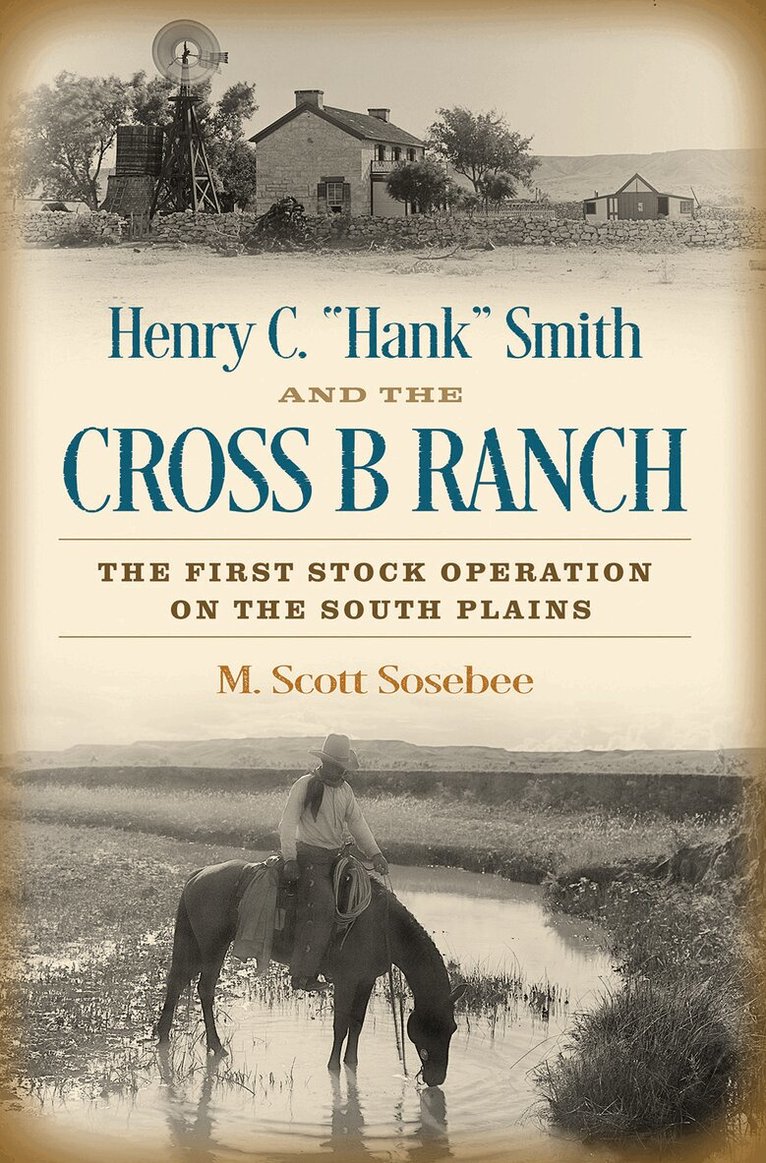
When people think of legendary Texas cattle ranches the images that first come to mind are iconic, open-range operations like King Ranch of South Texas. In Henry C. 'Hank' Smith and the Cross B Ranch, historian M. Scott Sosebee tells the story of one pioneer settler's small but significant ranch in West Texas. The Cross B Ranch of Blanco Canyon struggled but endured to become quite successful, even while surrounded by big ranching empires. Founder Hank Smith went on to become one of the region's most prominent, civic-minded citizens.Born in Bavaria, Smith left Germany in 1851 at the age of fourteen and traveled to Ohio to live with a sister. Less than two years later, he left Ohio to seek better opportunities in the American West. In the course of his westering life he worked as a teamster on the Santa Fe Trail, searched for gold in Arizona and New Mexico, served in both the Confederate and Union armies during the Civil War, operated a freighting business, owned a hotel, and eventually moved to Blanco Canyon and became a stock raiser. Although he did raise cattle, for most of his life as a stockman he raised twice as many sheep as he did cows, yet was one of the first in West Texas to upgrade his cattle stock with purebred bloodlines.In Henry C. 'Hank' Smith and the Cross B Ranch, M. Scott Sosebee enriches our understanding of western heritage and ranching in America through a compelling and lively biography set on the small stage of an unassuming but important ranch.
550 kr
Skickas inom 7-10 vardagar
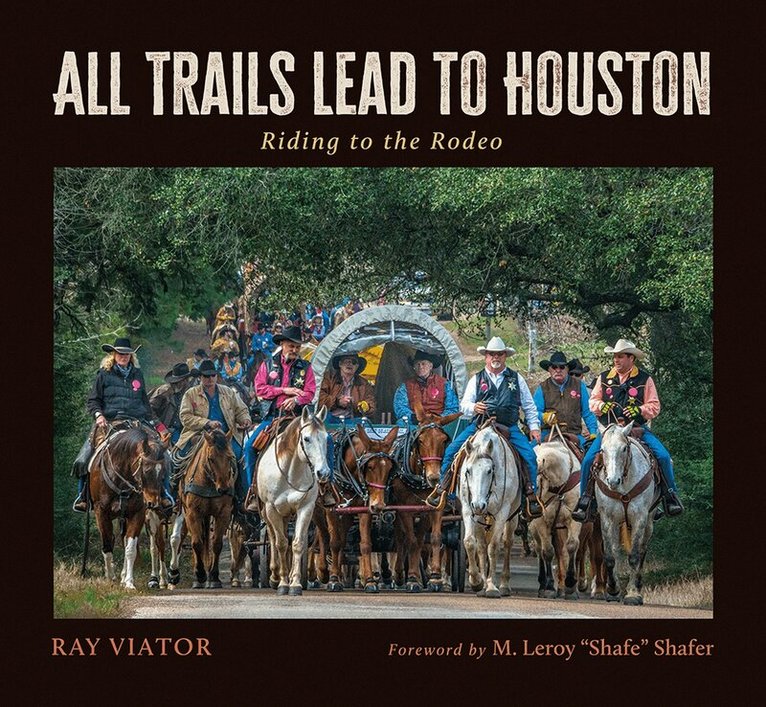
For years, veteran Houston photographer Ray Viator has followed the trail rides that lead up to the Houston Livestock Show and Rodeo and has captured the color, the camaraderie, and the flavor of this popular annual event. In All Trails Lead to Houston: Riding to the Rodeo, which opens with a foreword from Houston Livestock Show and Rodeo COO Emeritus M. Leroy “Shafe” Shafer, Viator’s stunning photographs are accompanied by brief narratives and informative sidebars that provide insight into life on a trail—from sunrise to sunset.The trail rides began in January 1952 when Brenham rancher Reese Lockett and five friends were having lunch in Houston. The conversation turned to the joys of riding horses and its place in the Texas ranching tradition. Ultimately, the discussion sparked a challenge and an idea: stage a trail ride from Brenham to Houston as a way of publicizing and promoting the annual Houston Livestock Show and Rodeo.That first Salt Grass Trail Ride—named after the predominant source of grazing for cattle ranchers on the Texas Coastal Plain—started with Lockett, his friend and fellow rancher Emil H. Marks, and two others. By 1959, participation had soared to more than 90 wagons and 2,000 riders. In the years since, more rides, each covering a different route to Houston, have been organized with thousands of riders from all over Texas. While the Salt Grass Trail Ride claims pride as “the grandaddy of ’em all,” the movement also spread to other Texas cities and even other countries.Viator provides readers with colorful descriptions of the riders, horses, wagons, and western traditions celebrated each day on each of the twelve rides. All Trails Lead to Houston is a celebration of Texas, western ranching heritage, and culture.
357 kr
Skickas inom 7-10 vardagar
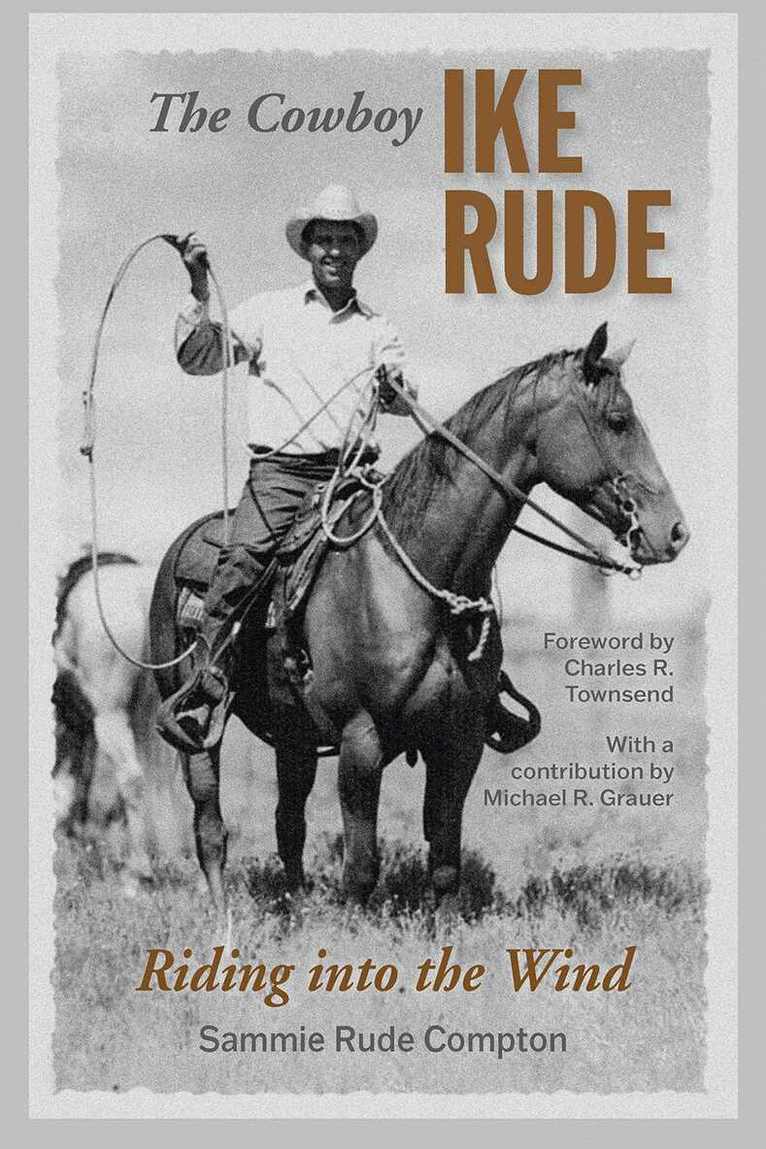
Born in 1894 in Mangum, a community in what was at the time Oklahoma Territory, Ike Rude would go on to have one of the most remarkable rodeo careers ever recorded. His storied life would include a performance for the Queen of England; acquaintances with the likes of Will Rogers, Gene Autrey, and Slim Pickens; multiple world titles; and the near-miss of a championship bid in roping—at age 77.Along the way, he worked for some of the most famous ranches in the west, such as Texas’ JA and Matador ranches and the Chiricahua and Double Circle ranches in Arizona. Rude’s story also includes the many outstanding horses he rode and trained, like the famed Baldy, considered perhaps the greatest roping horse of all time. The career of Ike Rude—and that of several of his horses—is commemorated in nine museums, including the National Cowboy and Western Heritage Museum in Oklahoma City and the Pro Rodeo Hall of Fame and Museum of the American Cowboy in Colorado Springs.Lovingly woven from archival and family records as well as interviews with Rude by his daughter, Sammie Rude Compton, and closing with an essay on Rude and his rodeo and ranching context by Michael R. Grauer, McCasland Curator of Cowboy Collections and Western Art at the National Cowboy and Western Heritage Museum, this biography of one of the formative figures in the sport offers valuable glimpses into the development of rodeo and cowboy culture. The Cowboy Ike Rude: Riding into the Wind is sure to be a favorite of anyone interested in the colorful lives of working cowboys and rodeo performers in the early twentieth century.
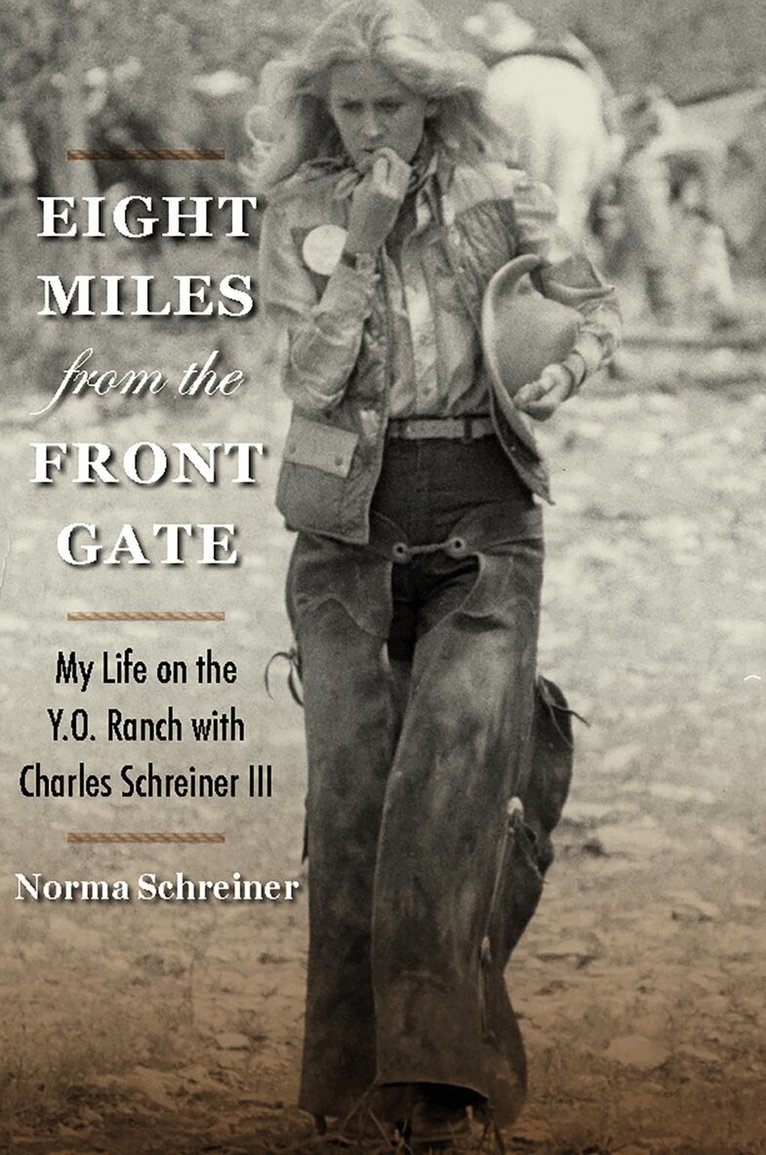
Eight Miles from the Front Gate
My Life on the Y.O. Ranch with Charles Schreiner III
Inbunden, Engelska, 2025
399 kr
Skickas inom 7-10 vardagar
“It was the summer of 1977, and I was at the Texas Capitol researching voting patterns for the political campaign I was working for,” writes author Norma Schreiner as she describes her meeting with rancher Charles Schreiner III. “I decided to drop by the office of one of my favorite house members, Jim Nugent. . . . Before his staff could announce me, he was bellowing, ‘Norma, come in here. There’s someone I want you to meet.’”So began the tempestuous, yet mostly good-natured relationship between the author and the man she often called “Charlie Three,” scion of the historic Schreiner ranching family of the Texas Hill Country. Their subsequent marriage would last only two years, but that time would place her on the legendary Y.O. Ranch during the centennial of its founding in 1880. Since the 1950s, the ranch began to stock exotic animals for hunting and breeding purposes year-round, a practice that has since become vital to many Texas ranches’ economic survival. Schreiner would see Y.O. as one of the first Texas ranches to add a pair of giraffes that have decedents still on the ranch to this day.Told with candor and good humor, Schreiner’s memoir of her time on the ranch and how those experiences have continued to shape her life to the present makes for entertaining and enlightening reading. A broad audience of general readers interested in Texas ranching culture and Texana will enjoy Eight Miles from the Front Gate: My Life on the Y.O. Ranch with Charles Schreiner III.
279 kr
Kommande
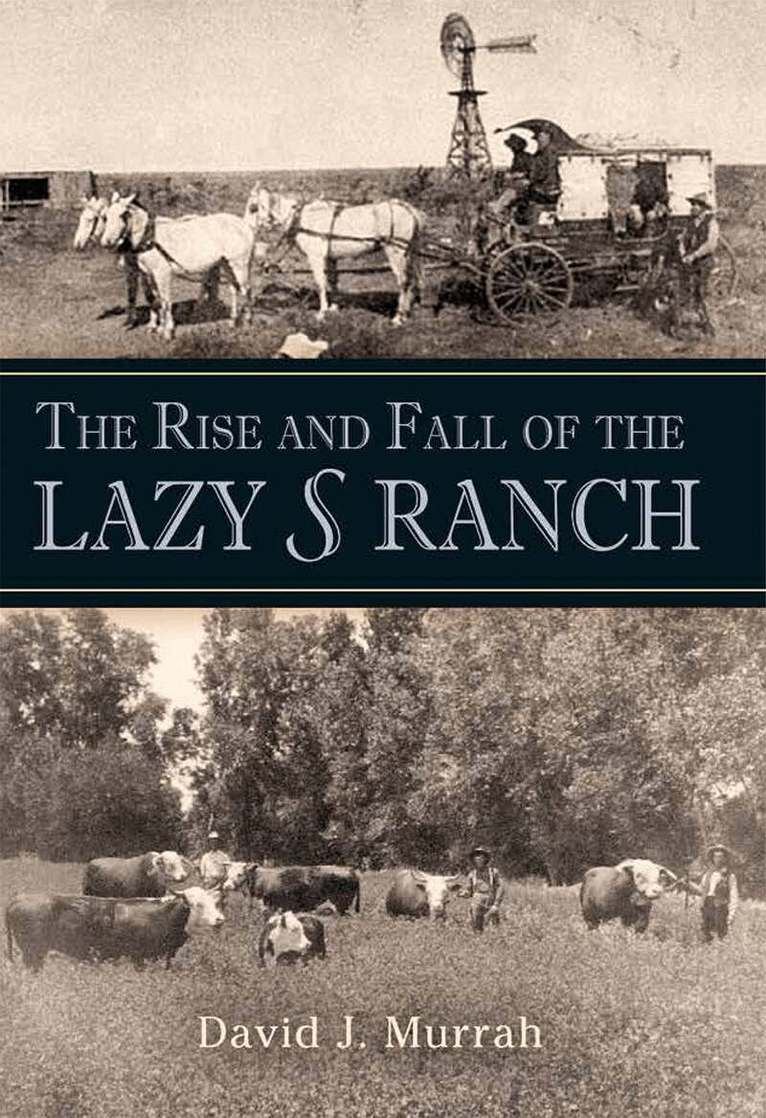
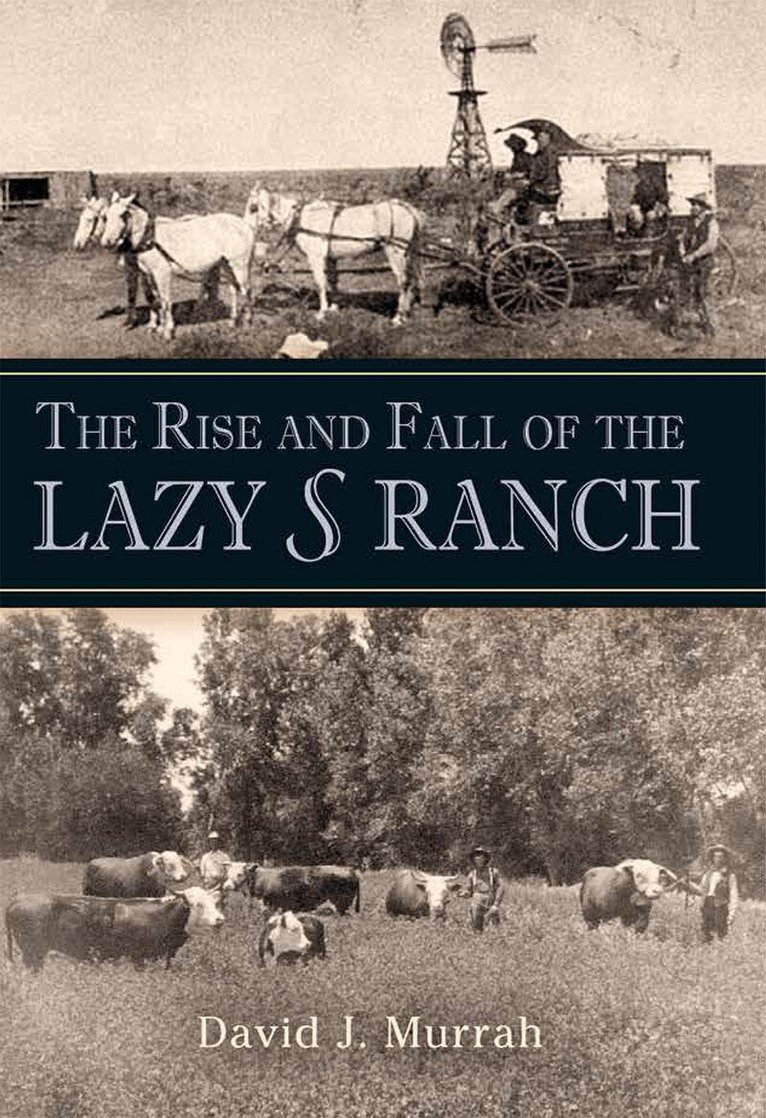
The Lazy S Ranch, one of the last major ranches to be established in Texas, came into being at a time when most of the other great ranches were disappearing. Founded in 1898 by Dallas banker and rancher Colonel Christopher Columbus Slaughter, the Lazy S grew to comprise nearly 250,000 acres of the western High Plains in Cochran and Hockley counties, much of which lay in a single contiguous pasture of more than 180,000 acres.Even with careful investment and management, C. C. Slaughter faced many challenges putting together an extensive ranch amid the development of the farmers’ frontier on the high plains. Within a decade, he crafted the Lazy S to become a showplace for well-bred cattle, effective range management, and efficient utilization of limited water resources. He created a working ranch that would serve as a long-lasting legacy for his wife and nine children, to remain “undivided and indivisible.” But shortly after his death in 1919, the family drained its resources, drove it into debt, then divided the land ten ways. In the 1930s, good fortune returned to some of the Slaughter heirs with the discovery of oil on the family lands.Though the Lazy S Ranch was soon forgotten, the breakup of the ranch spurred a new era for the western Llano Estacado and led to the establishment of a county, growth of four new towns, and a railroad across the heart of the ranch, fostered for the most part by the land development projects of Slaughter’s descendants. Here, David J. Murrah covers the entire, fascinating history in The Rise and Fall of the Lazy S Ranch.