Native Americans of the Northeast - Böcker
Visar alla böcker i serien Native Americans of the Northeast. Handla med fri frakt och snabb leverans.
8 produkter
8 produkter
432 kr
Skickas inom 7-10 vardagar
412 kr
Skickas
Through an Indian's Looking Glass
A Cultural Biography of William Apess, Pequot
Häftad, Engelska, 2017
385 kr
Skickas inom 7-10 vardagar
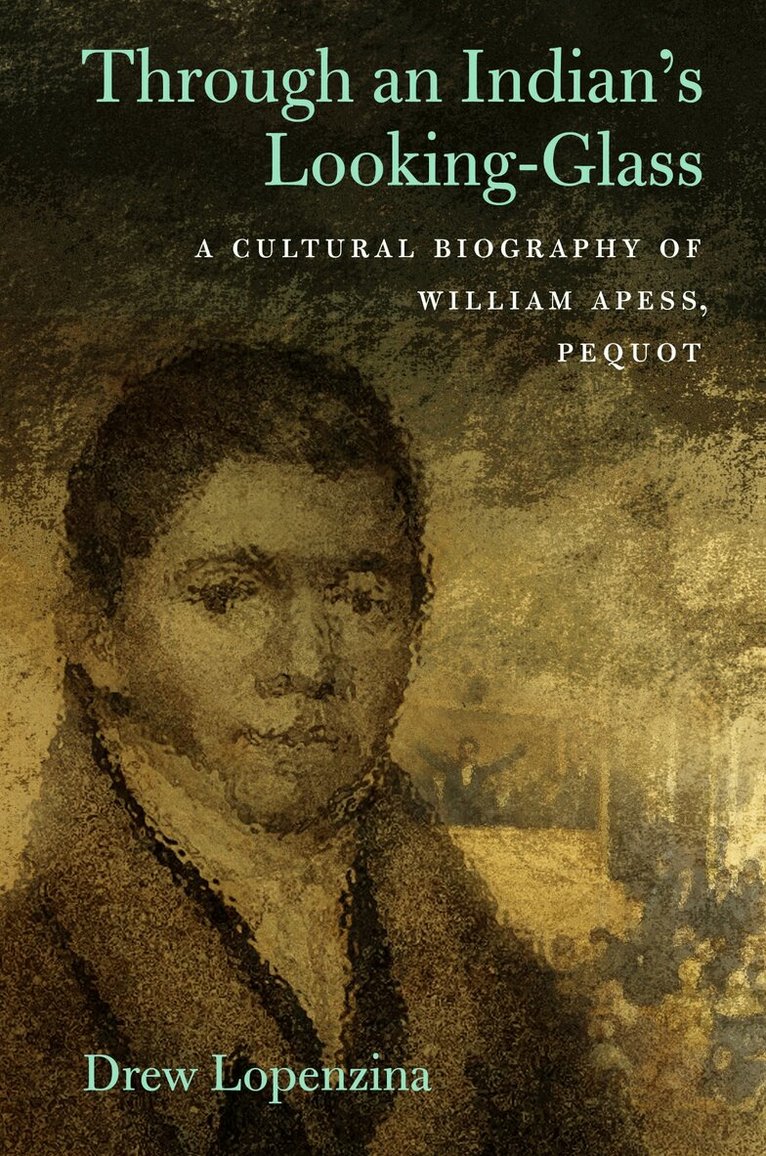
The life of William Apess (1789--1839), a Pequot Indian, Methodist preacher, and widely celebrated writer, provides a lens through which to comprehend the complex dynamics of indigenous survival and resistance in the era of America's early nationhood. Apess's life intersects with multiple aspects of indigenous identity and existence in this period, including indentured servitude, slavery, service in the armed forces, syncretic engagements with Christian spirituality, and Native struggles for political and cultural autonomy. Even more, Apess offers a powerful and provocative voice for the persistence of Native presence in a time and place that was long supposed to have settled its ""Indian question"" in favor of extinction.Through meticulous archival research, close readings of Apess's key works, and informed and imaginative speculation about his largely enigmatic life, Drew Lopenzina provides a vivid portrait of this singular Native American figure. This new biography will sit alongside Apess's own writing as vital reading for those interested in early America and indigeneity.
For the Good of Their Souls
Performing Christianity in Eighteenth-Century Mohawk Country
Häftad, Engelska, 2020
336 kr
Skickas inom 7-10 vardagar
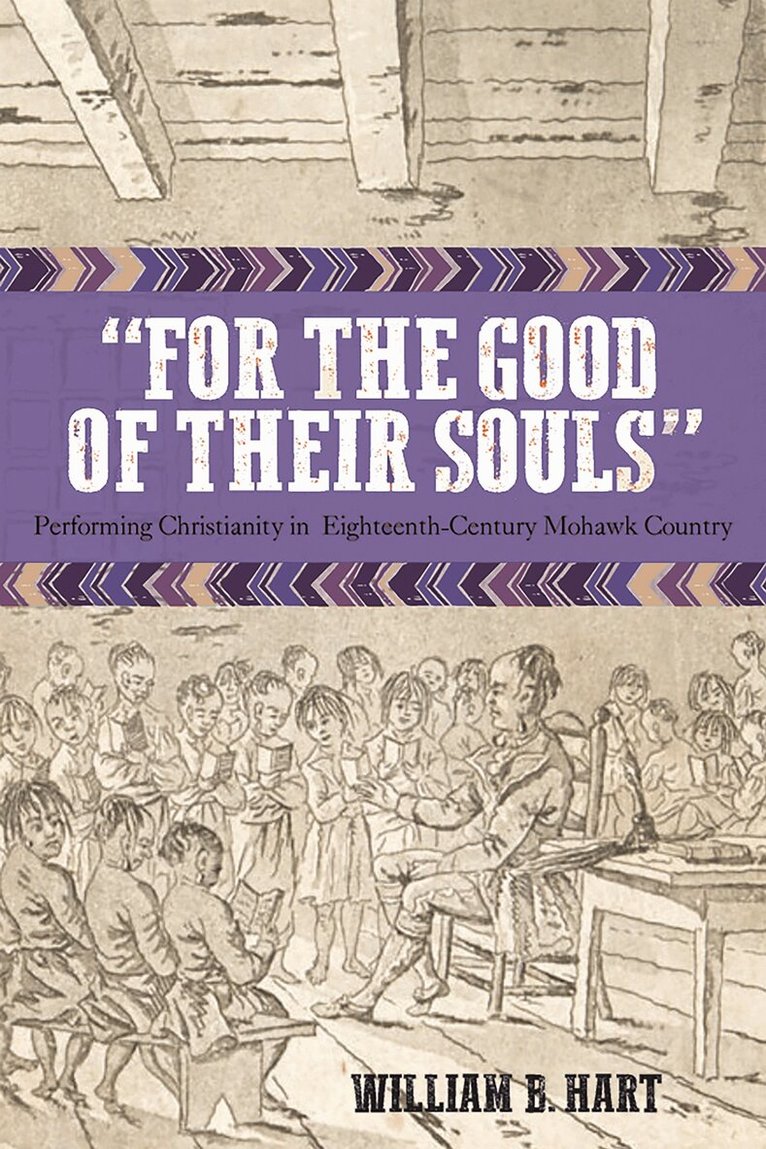
In 1712, the Society for the Propagation of the Gospel in Foreign Parts opened its mission near present-day Albany, New York, and began baptizing residents of the nearby Mohawk village Tiononderoge, the easternmost nation of the Haudenosaunee (Iroquois) Confederacy. Within three years, about one-fifth of the Mohawks in the area began attending services. They even adapted versions of the service for use in private spaces, which potentially opened a door to an imagined faith community with the Protestants.Using the lens of performance theory to explain the ways in which the Mohawks considered converting and participating in Christian rituals, historian William B. Hart contends that Mohawks who prayed, sang hymns, submitted to baptism, took communion, and acquired literacy did so to protect their nation's sovereignty, fulfill their responsibility of reciprocity, serve their communities, and reinvent themselves. Performing Christianity was a means of ""survivance,"" a strategy for sustaining Mohawk life and culture on their terms in a changing world.
Indigenous Kinship, Colonial Texts, and the Contested Space of Early New England
Häftad, Engelska, 2023
333 kr
Skickas inom 7-10 vardagar
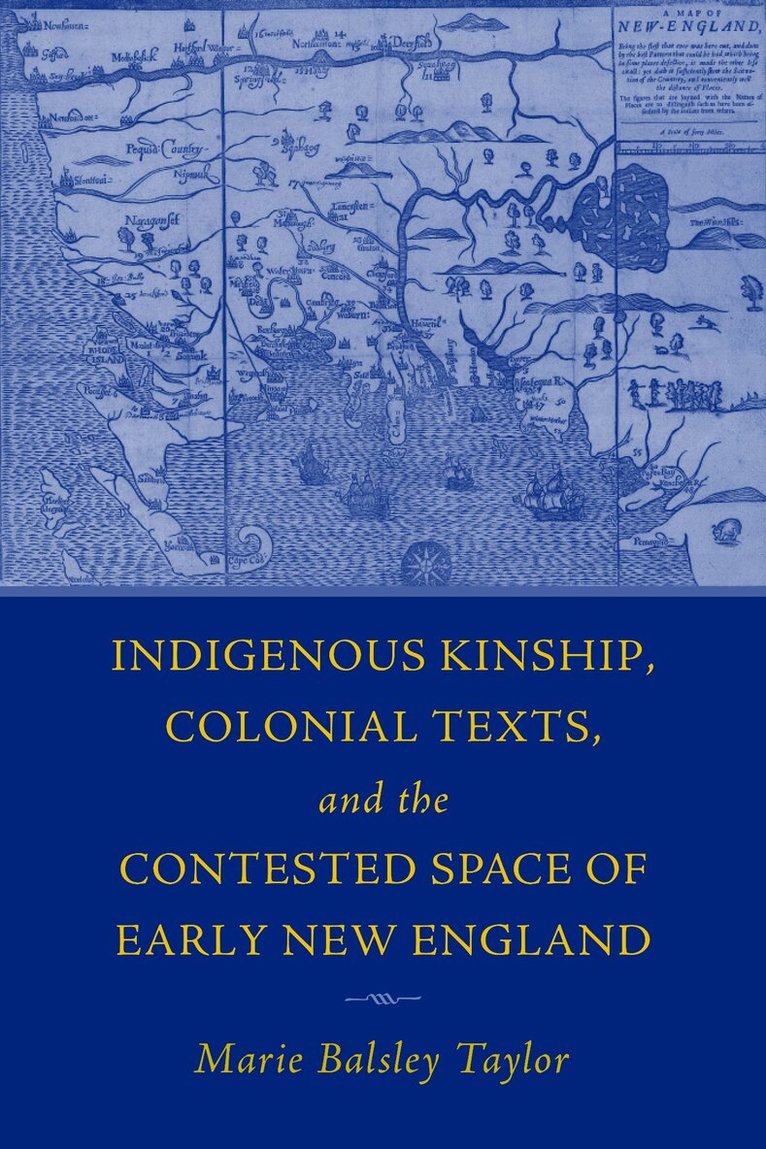
New England history often treats Indigenous people as minor or secondary actors within the larger colonial story. Focusing on those Native Americans who were sachems, or leaders, in local tribes when Europeans began arriving, Marie Balsley Taylor reframes stories of Indigenous and British interactions and illuminates the vital role that Indigenous kinship and diplomacy played in shaping the textual production of English colonial settlers in New England from the 1630s until King Philip’s War.Taylor argues that genres like the conversion narrative, the post-sermon question and answer session, and scientific treatise—despite being written in English for European audiences—were jointly created by Indigenous sachems and settlers to facilitate interaction within the contested space of colonial New England. Analyzing the writings of Thomas Shepard, John Eliot, John Winthrop Jr., and Daniel Gookin and the relationships these English Protestants formed with Indigenous leaders like Wequash, Cutshamekin, Cassacinamon, and Waban, this innovative study offers a new approach to early American literature—indicating that Native thought and culture played a profound role in shaping the words and deeds of colonial writers.
Indigenous Kinship, Colonial Texts, and the Contested Space of Early New England
Inbunden, Engelska, 2023
1 080 kr
Skickas inom 7-10 vardagar
New England history often treats Indigenous people as minor or secondary actors within the larger colonial story. Focusing on those Native Americans who were sachems, or leaders, in local tribes when Europeans began arriving, Marie Balsley Taylor reframes stories of Indigenous and British interactions and illuminates the vital role that Indigenous kinship and diplomacy played in shaping the textual production of English colonial settlers in New England from the 1630s until King Philip’s War.Taylor argues that genres like the conversion narrative, the post-sermon question and answer session, and scientific treatise—despite being written in English for European audiences—were jointly created by Indigenous sachems and settlers to facilitate interaction within the contested space of colonial New England. Analyzing the writings of Thomas Shepard, John Eliot, John Winthrop Jr., and Daniel Gookin and the relationships these English Protestants formed with Indigenous leaders like Wequash, Cutshamekin, Cassacinamon, and Waban, this innovative study offers a new approach to early American literature—indicating that Native thought and culture played a profound role in shaping the words and deeds of colonial writers.
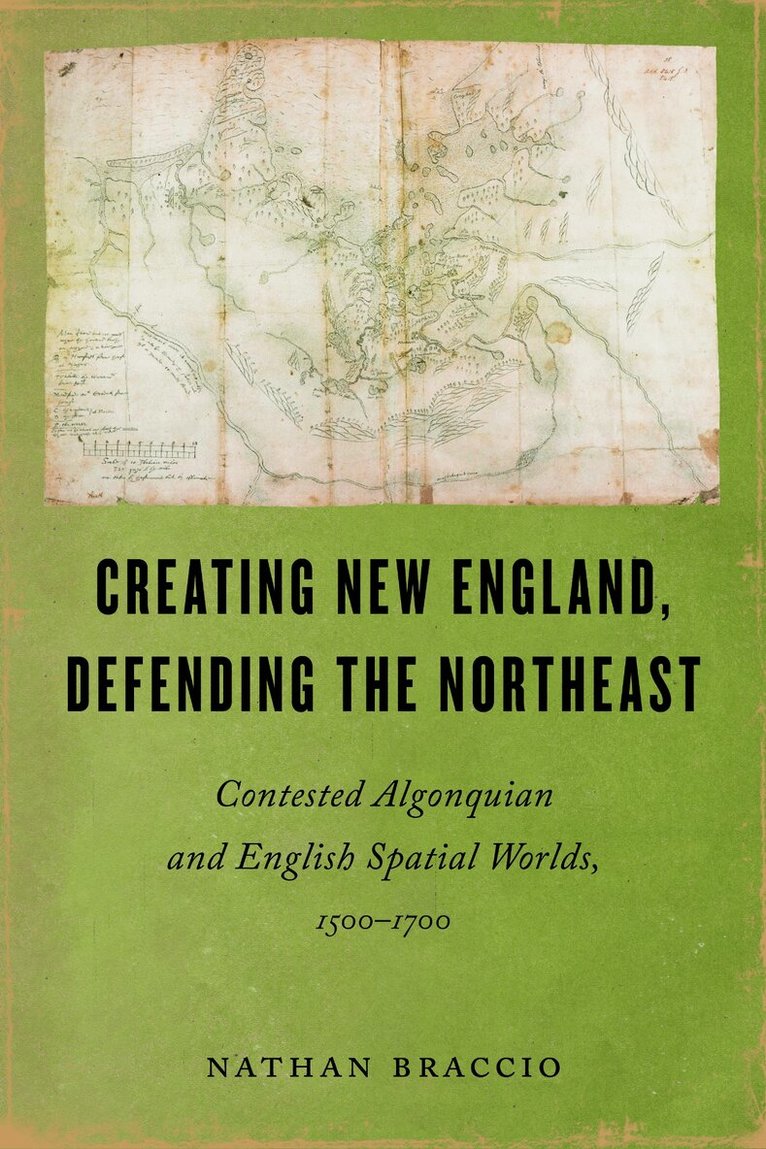
Creating New England, Defending the Northeast
Contested Algonquian and English Spatial Worlds, 1500-1700
Häftad, Engelska, 2026
347 kr
Skickas inom 7-10 vardagar
Examining maps and placemaking during negotiations between Indigenous people and colonial settlers Between 1500 and 1700, Indigenous and English mapmakers across the North Atlantic depicted present-day New England in markedly distinct ways, highlighting how differently their communities understood the landscape. While English cartographers relied on new mathematics and other developing scientific knowledge from Europe, as well as an overhead perspective of the world, Algonquian mapmakers drew on deep knowledge of the landscape, derived from their communities' long history upon it. Nathan Braccio refers to this phenomenon as 'parallel landscapes.' Creating New England, Defending the Northeast asserts that Algonquian knowledge of the landscape represented a powerful and persistent alternative to English surveying and mapmaking in the Northeast. When English colonists and explorers recognized the unsuitability of their techniques for understanding New England's unfamiliar landscape, they attempted to appropriate Indigenous knowledge and maps. Algonquian sachems used this as an opportunity to control and benefit from their new English neighbors. Later, as the English became insecure in their dependence on Indigenous people, they began to remake and mark the landscape. Algonquians adapted, maintaining control of important spatial knowledge, even in a place no longer entirely of their making. This story complicates narratives of conquest and highlights the Indigenous spatial knowledge too often overlooked.
Creating New England, Defending the Northeast
Contested Algonquian and English Spatial Worlds, 1500-1700
Inbunden, Engelska, 2026
1 080 kr
Skickas inom 7-10 vardagar
Examining maps and placemaking during negotiations between Indigenous people and colonial settlers Between 1500 and 1700, Indigenous and English mapmakers across the North Atlantic depicted present-day New England in markedly distinct ways, highlighting how differently their communities understood the landscape. While English cartographers relied on new mathematics and other developing scientific knowledge from Europe, as well as an overhead perspective of the world, Algonquian mapmakers drew on deep knowledge of the landscape, derived from their communities' long history upon it. Nathan Braccio refers to this phenomenon as 'parallel landscapes.' Creating New England, Defending the Northeast asserts that Algonquian knowledge of the landscape represented a powerful and persistent alternative to English surveying and mapmaking in the Northeast. When English colonists and explorers recognized the unsuitability of their techniques for understanding New England’ s unfamiliar landscape, they attempted to appropriate Indigenous knowledge and maps. Algonquian sachems used this as an opportunity to control and benefit from their new English neighbors. Later, as the English became insecure in their dependence on Indigenous people, they began to remake and mark the landscape. Algonquians adapted, maintaining control of important spatial knowledge, even in a place no longer entirely of their making. This story complicates narratives of conquest and highlights the Indigenous spatial knowledge too often overlooked.