Neglected Voices from the Past – serie
Visar alla böcker i serien Neglected Voices from the Past. Handla med fri frakt och snabb leverans.
4 produkter
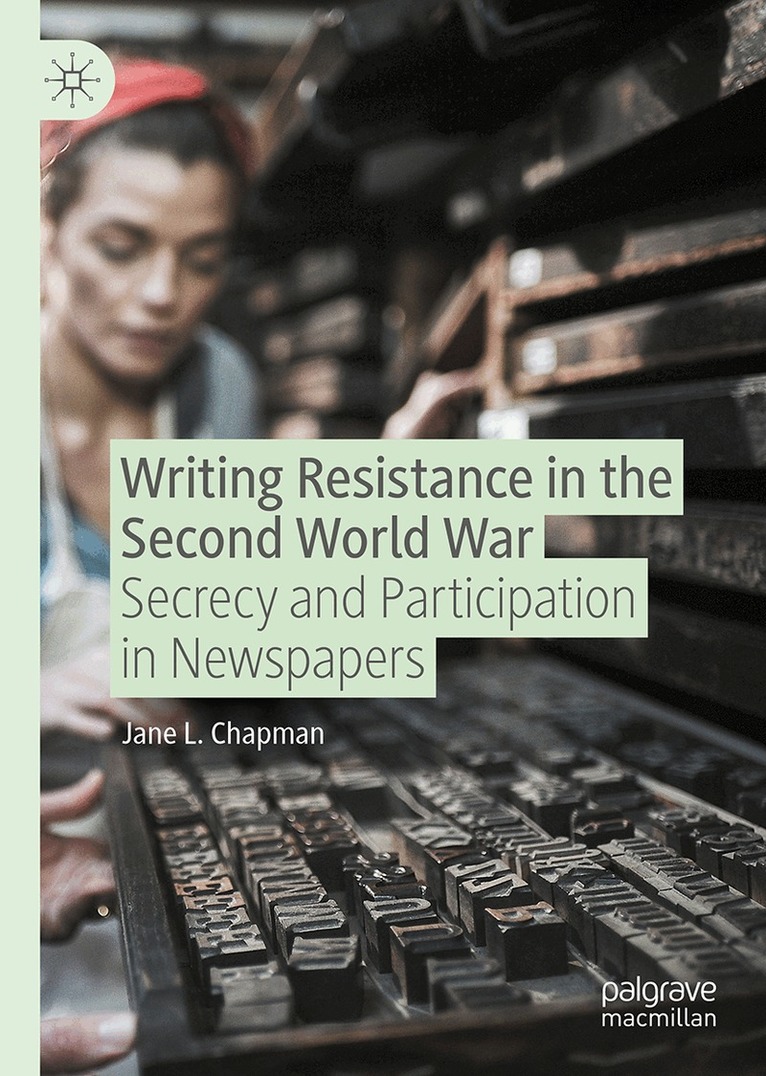
Writing Resistance in the Second World War
Secrecy and Participation in Newspapers
Inbunden, 2024
1467 kr
Kommande
This book aims to extend existing historical, literary and media knowledge of neglected written voices as a form of print participation in the Second World War. Uniquely, it is framed by an awareness of contemporary requirements for both secrecy and deception, which, it is argued, were nevertheless …
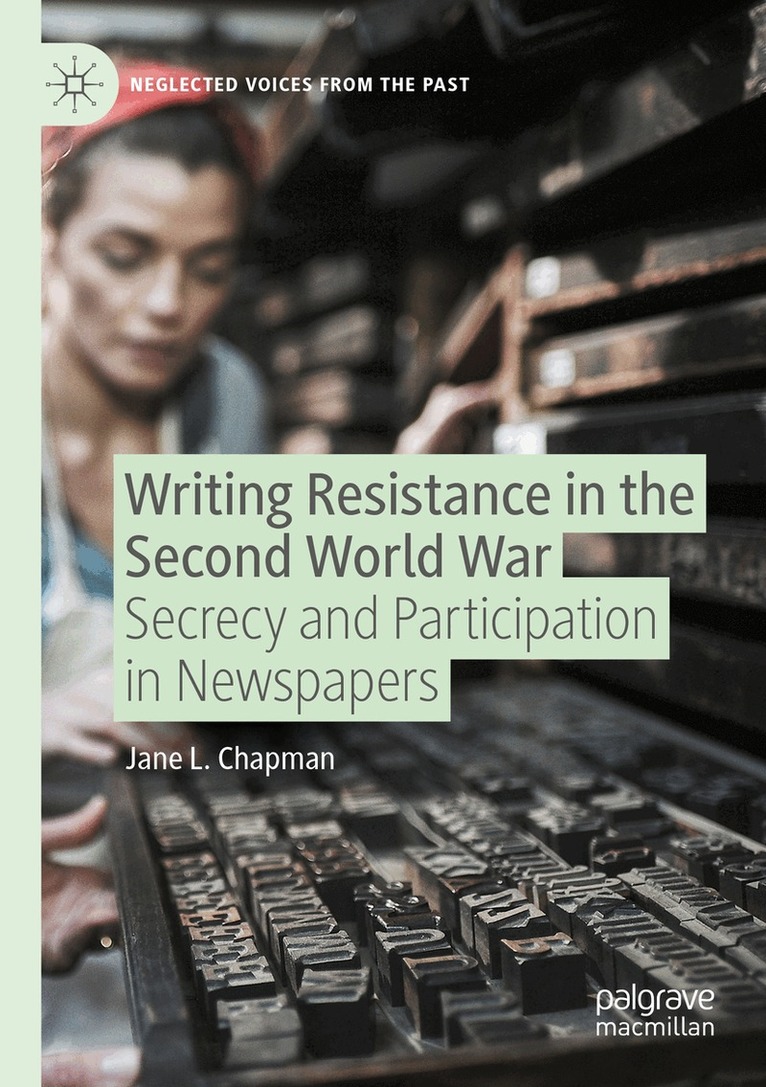
Writing Resistance in the Second World War
Secrecy and Participation in Newspapers
Häftad, 2025
1467 kr
Lägg i varukorg
This book aims to extend existing historical, literary and media knowledge of neglected written voices as a form of print participation in the Second World War. Uniquely, it is framed by an awareness of contemporary requirements for both secrecy and deception, which, it is argued, were nevertheless …
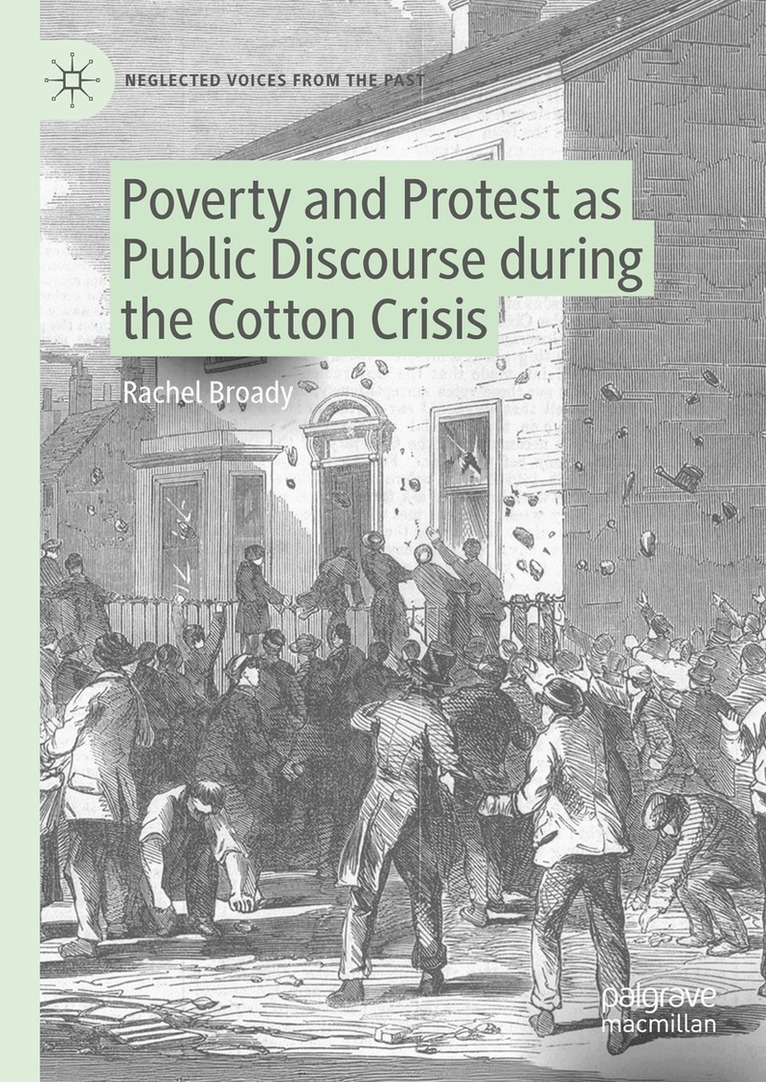
Poverty and Protest as Public Discourse during the Cotton Crisis
Inbunden, 2024
1580 kr
Lägg i varukorg
This book constitutes the first book-length study of journalistic responses to poverty and protest during the Lancashire cotton crisis. The cotton crisis of 1861-1865 is a popular subject in history, culture and education. Workers’ voices are comprehensively studied in terms of newspapers …
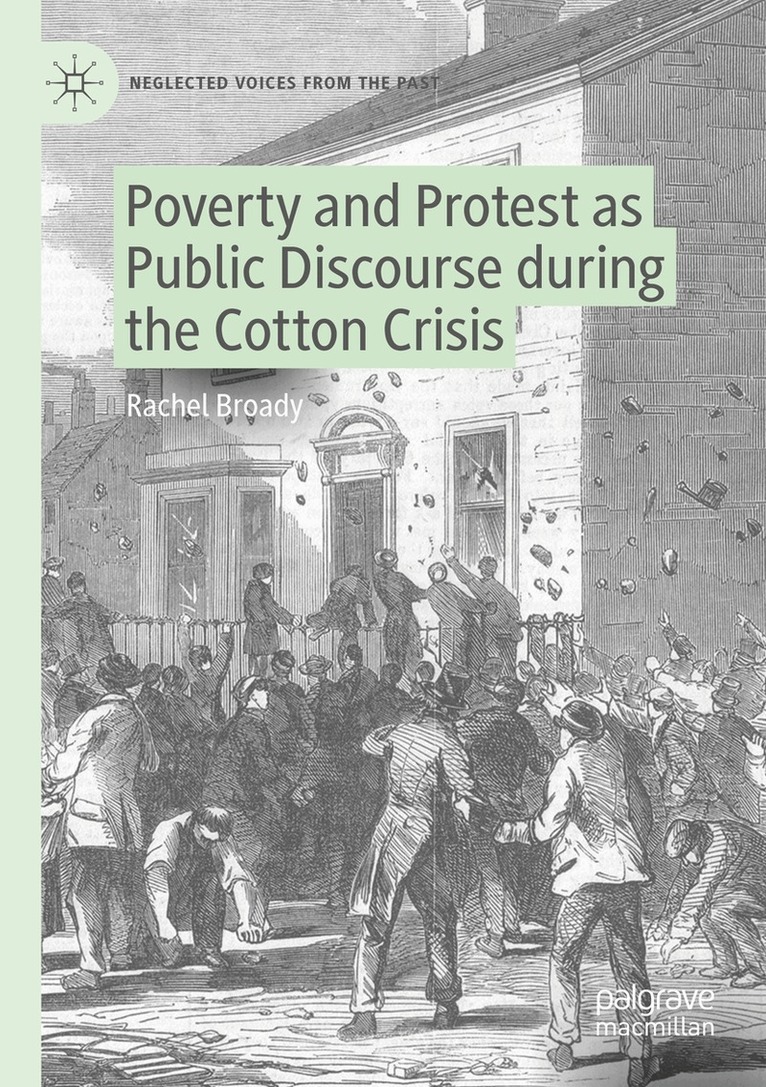
Poverty and Protest as Public Discourse during the Cotton Crisis
Häftad, 2025
1580 kr
Lägg i varukorg
This book constitutes the first book-length study of journalistic responses to poverty and protest during the Lancashire cotton crisis. The cotton crisis of 1861-1865 is a popular subject in history, culture and education. Workers’ voices are comprehensively studied in terms of newspapers …