New Directions in Welfare History – serie
Visar alla böcker i serien New Directions in Welfare History. Handla med fri frakt och snabb leverans.
8 produkter
8 produkter
Inbunden, Engelska, 2025
450 kr
Skickas inom 10-15 vardagar
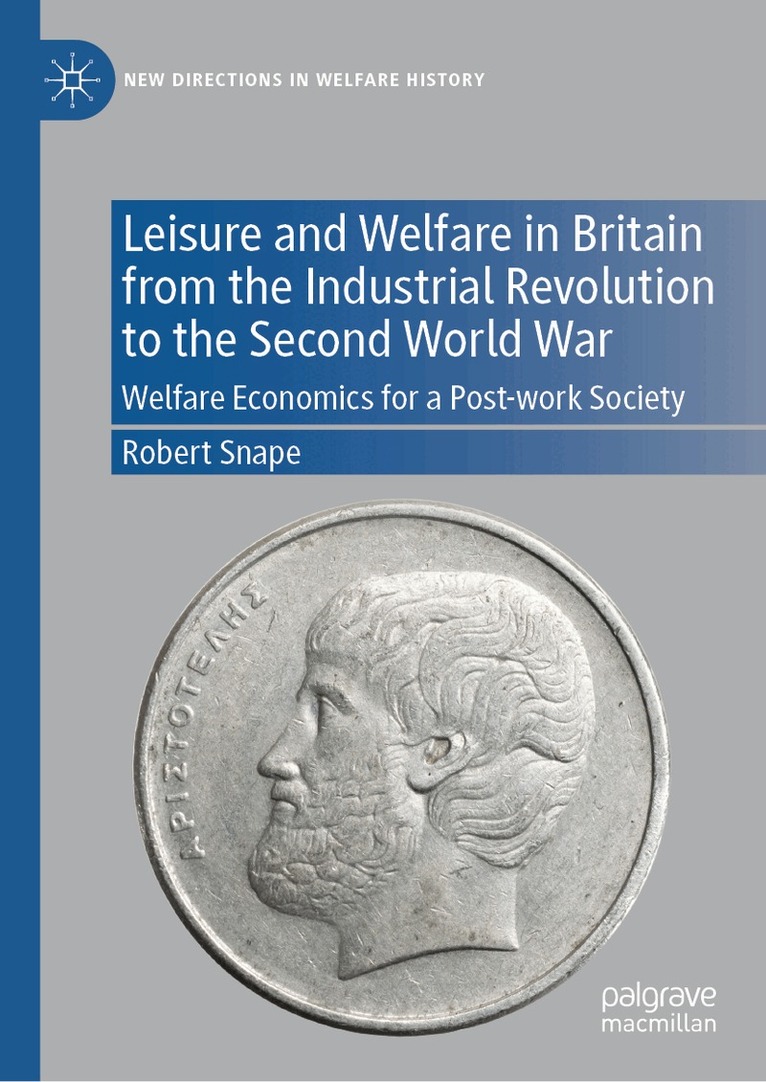
Tracing the evolution of social thought on leisure in Britain from the industrial revolution to the present day, this book documents an alternative and almost totally ignored discourse of leisure as a field of welfare. Investigating evolving understandings of leisure in social philosophy, the nascent social sciences and welfare economics, it explores the ways in which leisure became a field of individual and social welfare in terms of personal growth, cultural democracy and social citizenship. While the social philosophy of ancient Athens remained a reference point, new modern meanings of leisure were forged in the intellectual and political cross-currents of late Victorian and Edwardian political economy, the 'new' liberalism and social ethics. In terms of welfare economics, the book's pivotal figure is John Hobson, a self-declared economic heretic, who adopted Ruskin's idea of intrinsic value as the basis of a new political economy in which leisure would be crucial to individual and social well-being. Providing a unique contribution to the historiography of leisure and welfare and to current debate around wellbeing and work, this is a timely and interdisciplinary book.
Inbunden, Engelska, 2023
1 558 kr
Skickas inom 10-15 vardagar
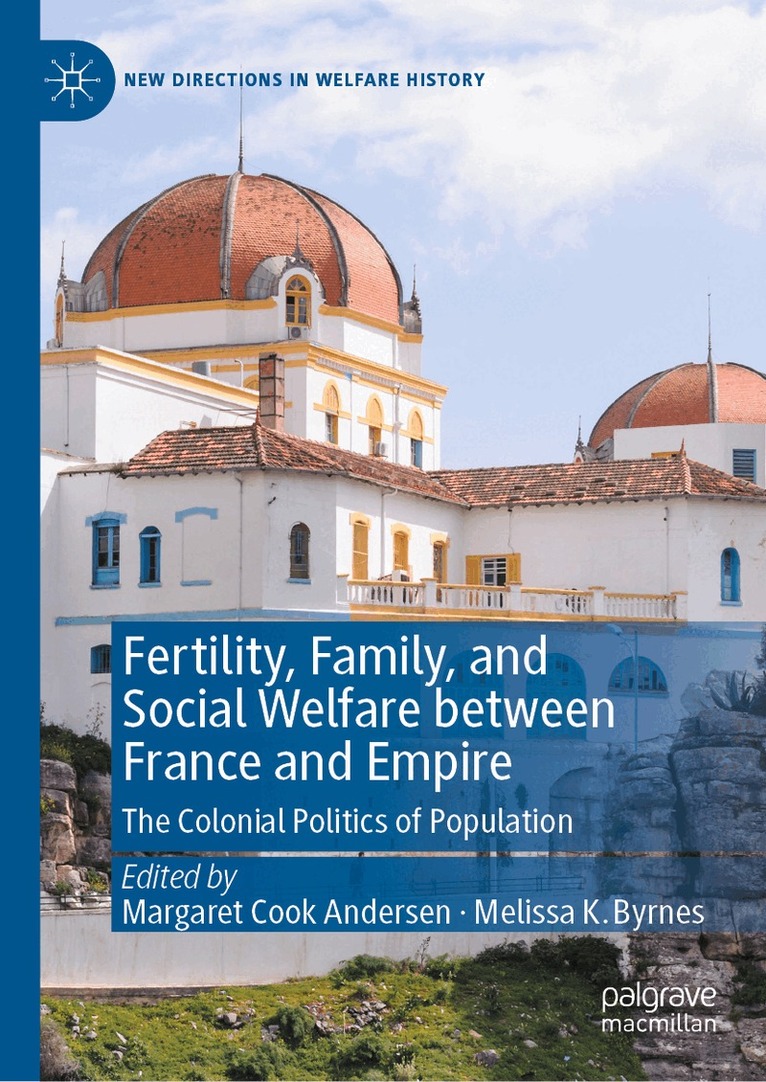
This edited volume focuses on social welfare and medicine within the French Empire and brings together important currents in both imperial history and the history of medicine. The book covers a broad period from the ‘first colonial empires’ that existed prior to 1830, the ‘new imperialism’ of the late nineteenth and early twentieth centuries, the process of decolonisation in the mid-twentieth century, and the ‘afterlives’ of colonial regimes in France and newly-independent states. Building on recent scholarship, this volume examines the extension of imperialism into the post-colonial period. The chapters examine a range of topics developing our understanding of the reasons why colonial states saw the family as a site for biopolitical intervention. The authors argue that experts built a racialised body of knowledge about colonial populations through census data and medical understandings of problems such as child mortality and infertility. They show that by analysing and compiling dataon fertility, population growth (or decline), and health, this fuelled interventions designed to ensure a stable workforce, and that protecting children and mothers, vaccinating vulnerable populations, and creating modern, sanitary housing were all initiatives also aimed at serving larger goals of preserving colonial rule. Finally, the book shows that social welfare projects during the French Empire reflected concerns about race, differential fertility, and migration that continued well after decolonisation.
Häftad, Engelska, 2024
1 558 kr
Skickas inom 10-15 vardagar
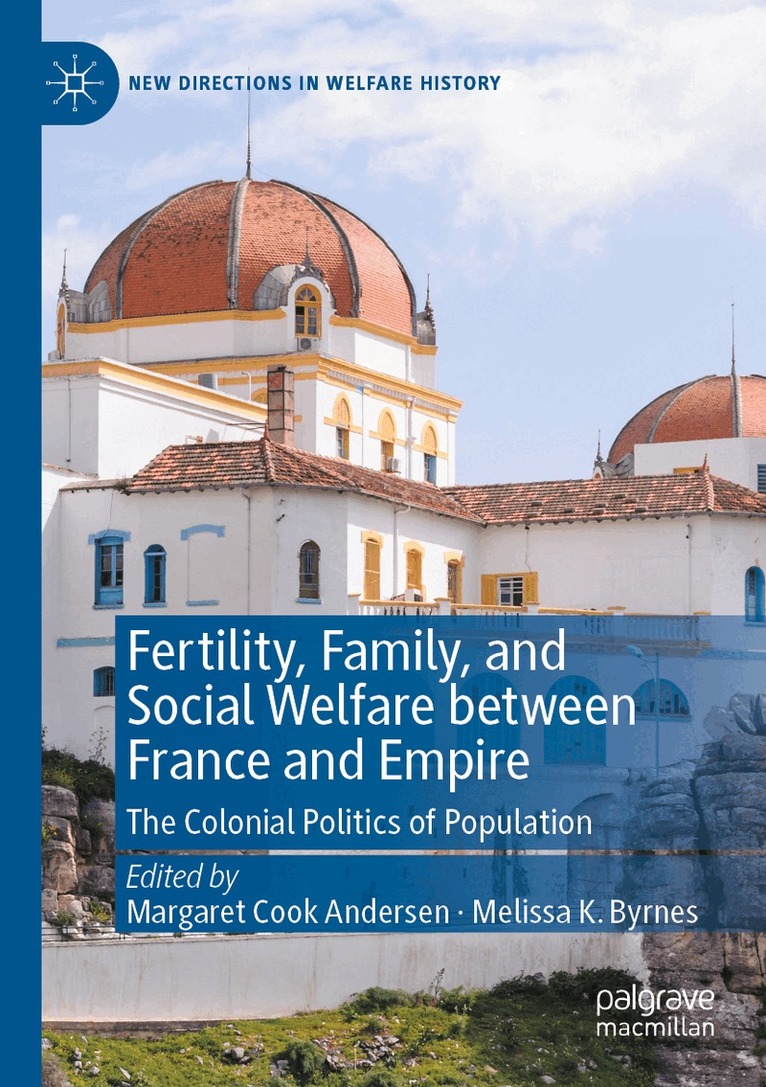
This edited volume focuses on social welfare and medicine within the French Empire and brings together important currents in both imperial history and the history of medicine. The book covers a broad period from the ‘first colonial empires’ that existed prior to 1830, the ‘new imperialism’ of the late nineteenth and early twentieth centuries, the process of decolonisation in the mid-twentieth century, and the ‘afterlives’ of colonial regimes in France and newly-independent states. Building on recent scholarship, this volume examines the extension of imperialism into the post-colonial period. The chapters examine a range of topics developing our understanding of the reasons why colonial states saw the family as a site for biopolitical intervention. The authors argue that experts built a racialised body of knowledge about colonial populations through census data and medical understandings of problems such as child mortality and infertility. They show that by analysing and compiling dataon fertility, population growth (or decline), and health, this fuelled interventions designed to ensure a stable workforce, and that protecting children and mothers, vaccinating vulnerable populations, and creating modern, sanitary housing were all initiatives also aimed at serving larger goals of preserving colonial rule. Finally, the book shows that social welfare projects during the French Empire reflected concerns about race, differential fertility, and migration that continued well after decolonisation.
Inbunden, Engelska, 2024
1 447 kr
Skickas inom 10-15 vardagar
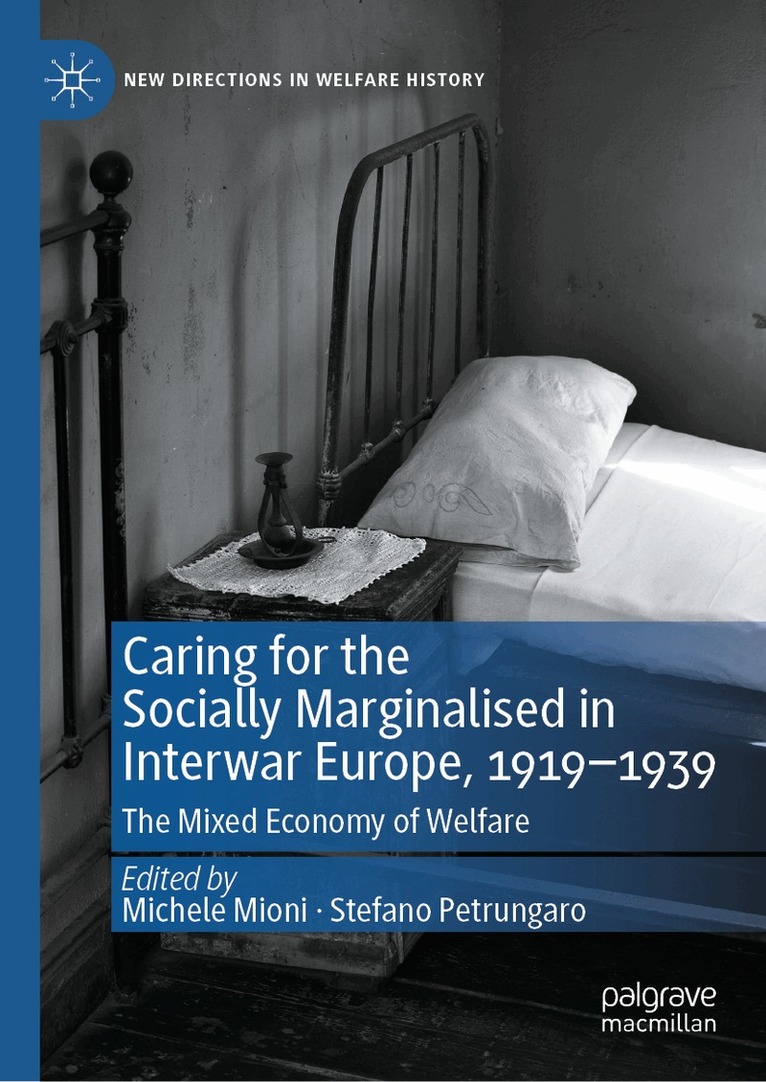
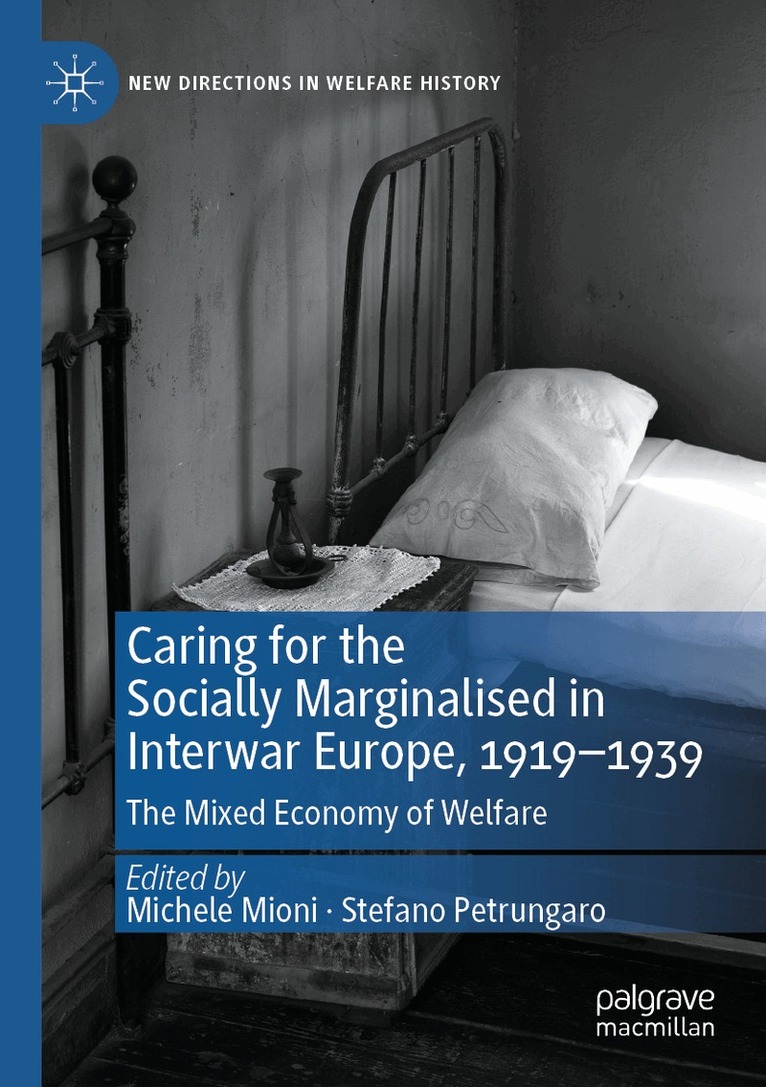
This book investigates the mixed economy of welfare that assisted socially marginalised people in interwar Europe, namely the state, local authorities, and a combination of voluntary and informal actors. While literature has traditionally emphasised the key role of the state, the cooperation between public authorities and private actors has always been a staple of social policy in Europe throughout history. The interwar years prominently featured these entanglements between the increased public sphere of action and the voluntary sector. Focusing on three thematic areas: warfare and its effects; boundaries of aid and institutional segregation; and gender and religion, the authors present case studies from various European countries between 1919 and 1939. All contributions explore the variegated world that composed the so-called mixed economy of welfare. By shifting the emphasis to the collaborations and frictions between social marginals, non-state actors, and public authorities on a local, national, and transnational level, the book challenges too simplistic distinctions between public and private initiatives and reveals the cultural, political, and practical common traits that featured in European care for marginals across a variety of geographical variations and socio-political contexts.Chapter(s) “Rescuing Endangered Girls: The Yugoslav Experience in a Comparative View.” is/are available open access under a Creative Commons Attribution 4.0 International License via Springerlink.
Häftad, Engelska, 2025
1 447 kr
Skickas inom 10-15 vardagar
This book investigates the mixed economy of welfare that assisted socially marginalised people in interwar Europe, namely the state, local authorities, and a combination of voluntary and informal actors. While literature has traditionally emphasised the key role of the state, the cooperation between public authorities and private actors has always been a staple of social policy in Europe throughout history. The interwar years prominently featured these entanglements between the increased public sphere of action and the voluntary sector. Focusing on three thematic areas: warfare and its effects; boundaries of aid and institutional segregation; and gender and religion, the authors present case studies from various European countries between 1919 and 1939. All contributions explore the variegated world that composed the so-called mixed economy of welfare. By shifting the emphasis to the collaborations and frictions between social marginals, non-state actors, and public authorities on a local, national, and transnational level, the book challenges too simplistic distinctions between public and private initiatives and reveals the cultural, political, and practical common traits that featured in European care for marginals across a variety of geographical variations and socio-political contexts.Chapter(s) “Rescuing Endangered Girls: The Yugoslav Experience in a Comparative View.” is/are available open access under a Creative Commons Attribution 4.0 International License via Springerlink.
Inbunden, Engelska, 2025
1 558 kr
Skickas inom 10-15 vardagar
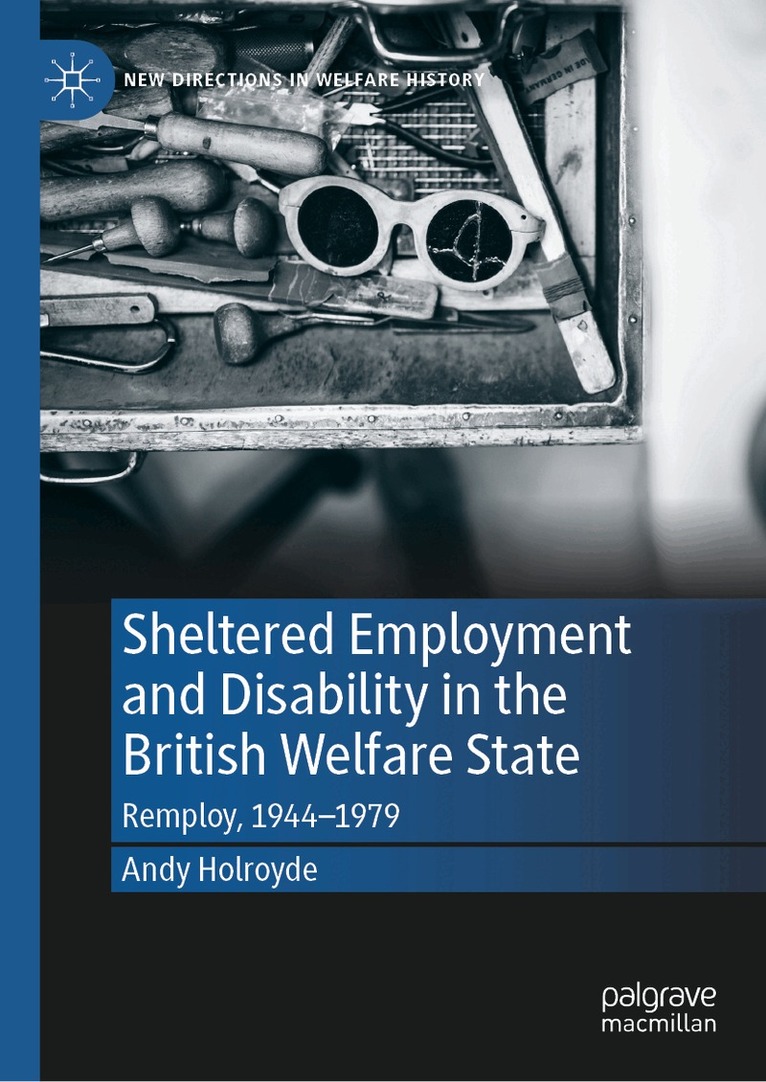
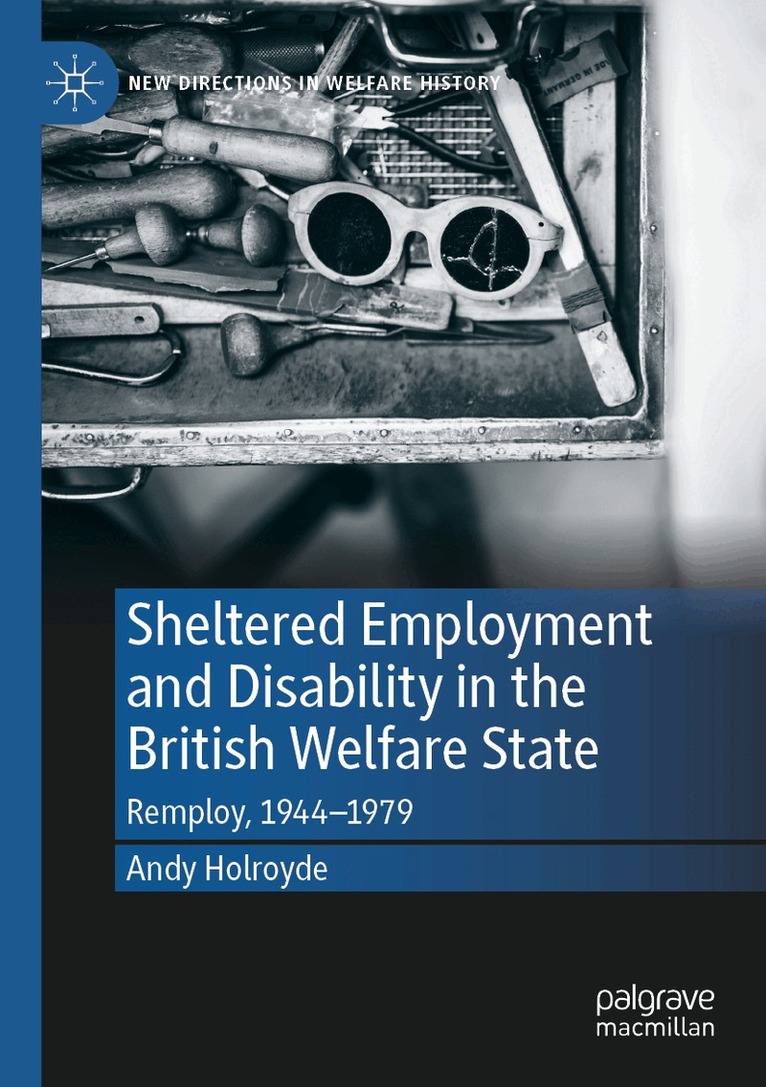
This book explores sheltered employment for disabled people in the British welfare state, focusing on Remploy as the flagship provider. It considers the fundamental areas of understanding Remploy, in terms of why it was created, how it functioned, who it employed, and how far it came to dominate the wider field of provision. The book further uses sheltered employment as a new lens through which to explore key aspects of the welfare state in the period. These include the creation of the post-war settlement; the extent of political consensus; the exclusion of disabled people from welfare and work; the role played by gendered thinking in the welfare state’s provisions; and the relationship between the state and voluntary sectors. In so doing, it sheds new light on the history of disability, employment, and welfare in Britain.
Inbunden, Engelska, 2026
2 439 kr
Kommande
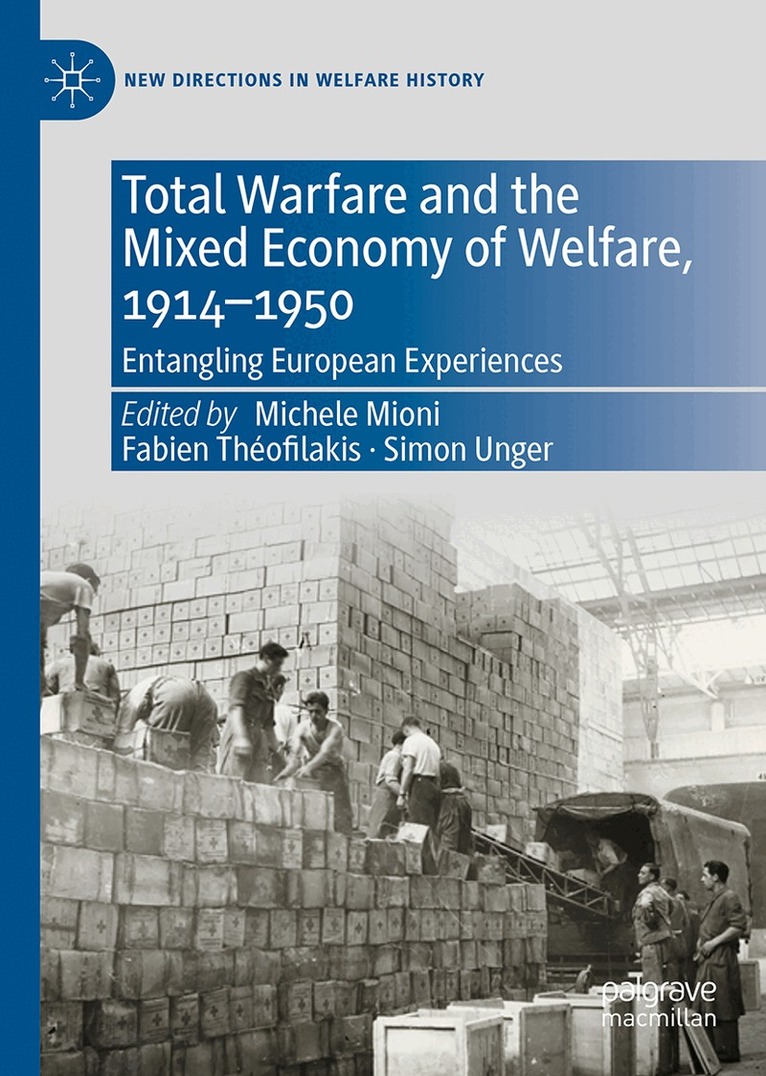
This edited volume examines the effects of the two world wars on the welfare systems of European societies. Chapters analyse the dynamics between states and transnational social actors, including international institutions, voluntary associations, charities, foundations, non-governmental organisations, and advocacy groups. A key focus is on the relations between local, national, European, and trans-Atlantic spheres of action. Thereby, this volume offers a novel examination of the temporal boundaries between wartime and peacetime social policies, investigating when the military mobilisations that drove social welfare came to an end. Offering an alternative history of how European societies experienced and emerged from the two world wars, this book reinterprets the connections between warfare and welfare as they contributed to a new postwar order—the legacies of which continue to influence contemporary welfare systems today.
Inbunden, Engelska, 2026
2 439 kr
Kommande
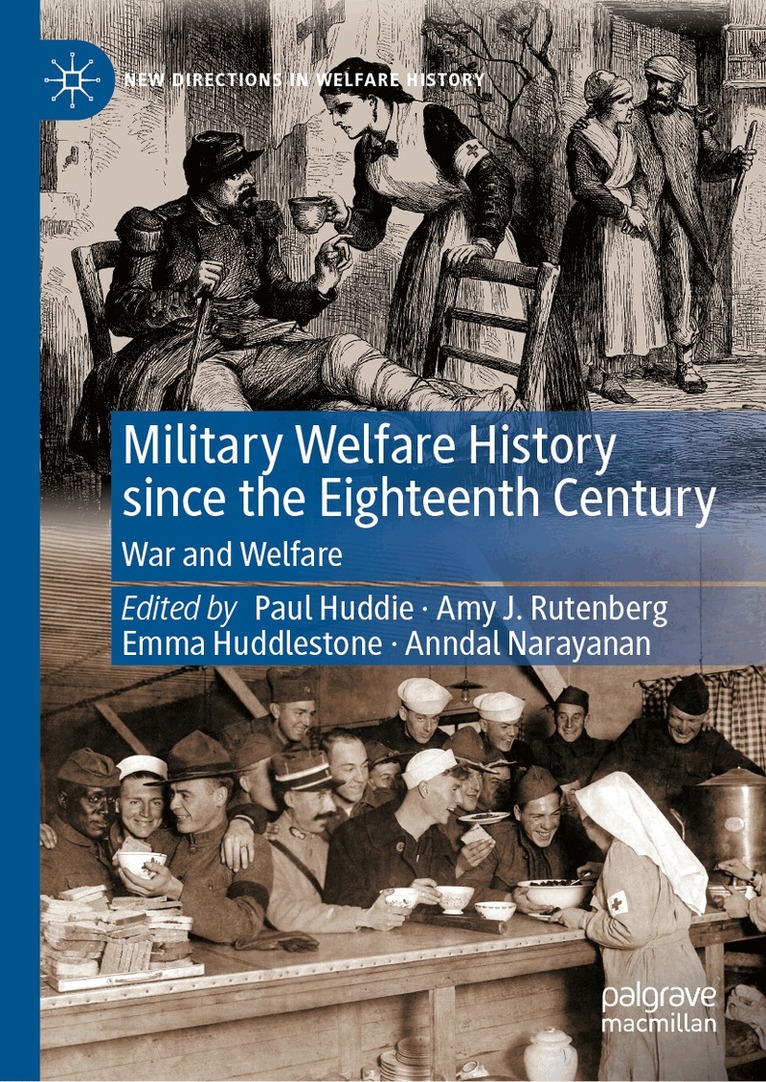
This book offers a groundbreaking exploration of the military welfare history ‘perspective,’ a vital yet often overlooked aspect of welfare studies. It centres and defines military welfare history as an important sub-discipline, and in doing so, makes a significant contribution to scholarly debates, publications and teaching. It also delves into the intricate web of welfare, care, and medical provisions designed exclusively for armed forces personnel and their families, across different eras and regions. Comprising fifteen unique essays, this volume illuminates the diverse and evolving landscape of military welfare from the mid-eighteenth to late-twentieth centuries, spanning geographical contexts from Britain and the USA, to Zimbabwe and Russia.Key concepts such as social justice, citizenship, and the intersection of military and civilian welfare are critically examined. The chapters explore how military welfare was connected to broader societal themes like disability, gender, and state policy, offering fresh insights into the historical and contemporary dynamics of welfare provision. This book is a must-read for scholars and practitioners alike, providing a comprehensive understanding of the military's unique welfare needs and contributions to social policy. Ideal for historians, social scientists, and policy-makers, this volume serves as an essential resource for anyone interested in the complex interplay between military service and welfare systems.