Robert Snape – författare
Visar alla böcker från författaren Robert Snape. Handla med fri frakt och snabb leverans.
6 produkter
6 produkter
Inbunden, Engelska, 2018
1 867 kr
Skickas inom 10-15 vardagar
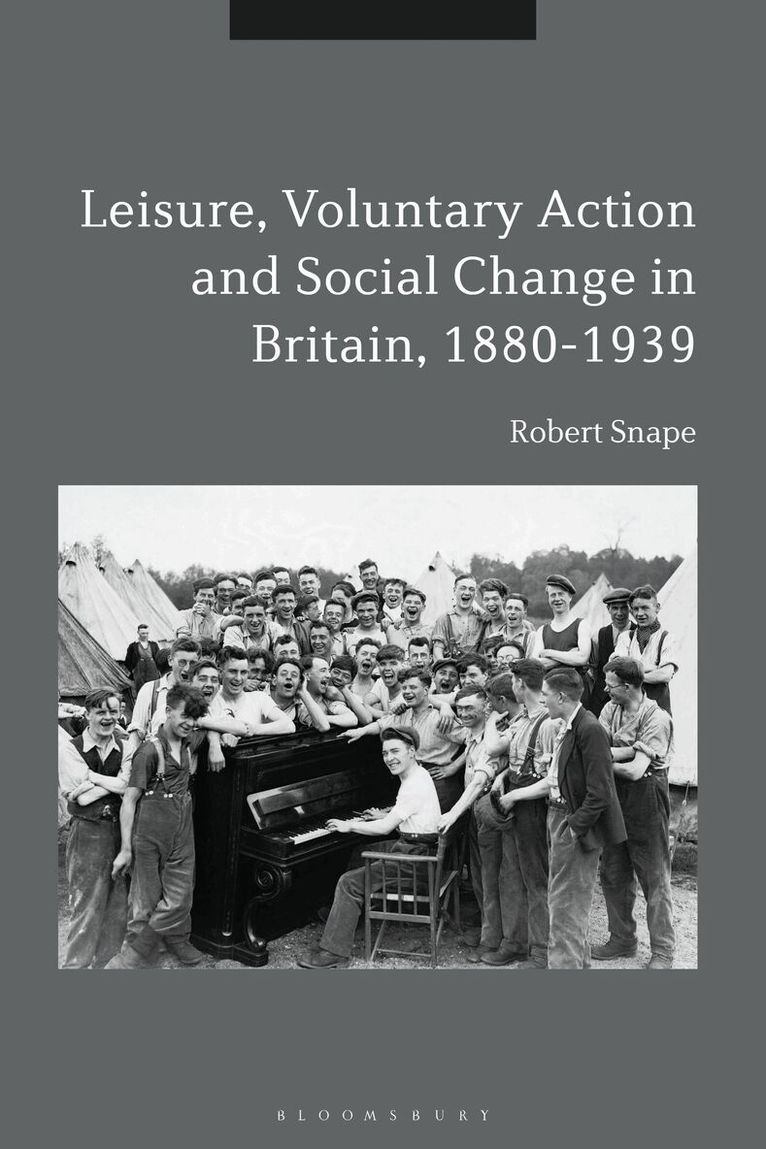
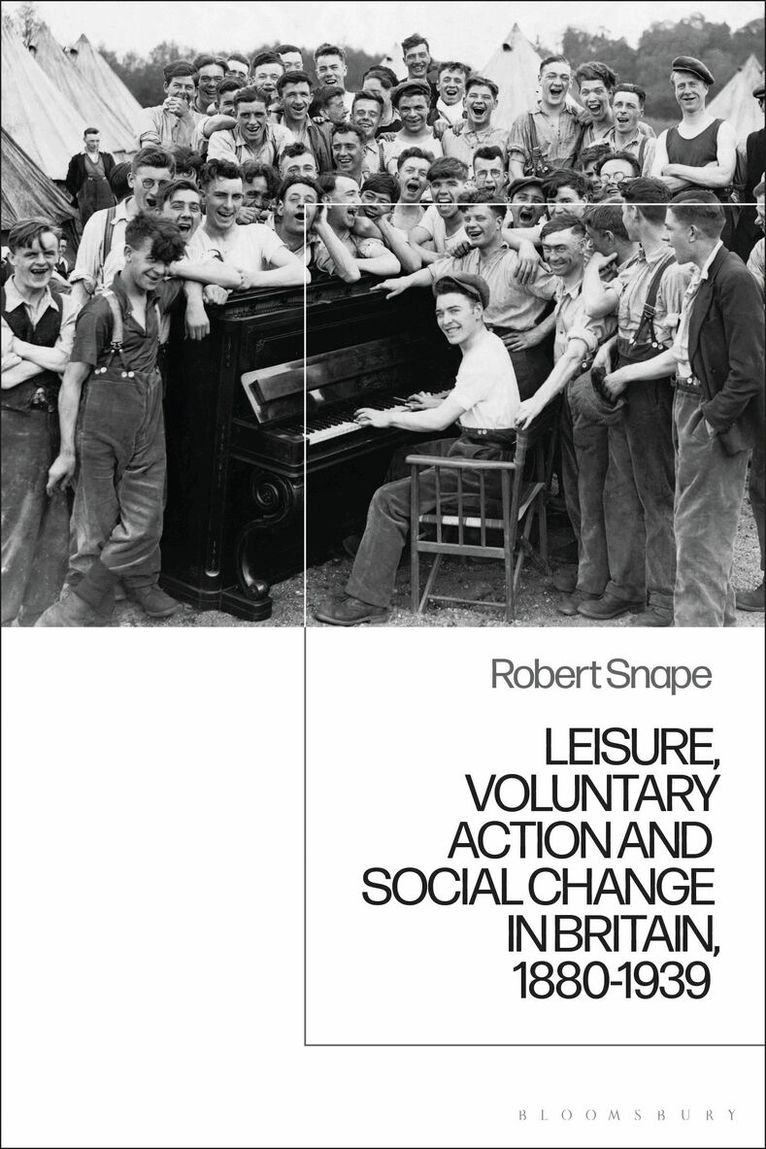
In the final decades of the nineteenth century modernizing interpretations of leisure became of interest to social policy makers and cultural critics, producing a discourse of leisure and voluntarism that flourished until the Second World War. The free time of British citizens was increasingly seen as a sphere of social citizenship and community-building. Through major social thinkers, including William Morris, Thomas Hill Green, Bernard Bosanquet and John Hobson, leisure and voluntarism were theorized in terms of the good society. In post-First World War social reconstruction these writers remained influential as leisure became a field of social service, directed towards a new society and working through voluntary association in civic societies, settlements, new estate community-centres, village halls and church-based communities.This volume documents the parallel cultural shift from charitable philanthropy to social service and from rational recreation to leisure, teasing out intellectual influences which included social idealism, liberalism and socialism. Leisure, Robert Snape claims, has been a central and under-recognized organizing force in British communities. Leisure, Voluntary Action and Social Change in Britain, 1880-1939 marks a much needed addition to the historiography of leisure and an antidote to the widely misunderstood implications of leisure to social policy today.
E-bok
Engelska, 2018526 kr
Läs direkt efter köp
In the final decades of the nineteenth century modernizing interpretations of leisure became of interest to social policy makers and cultural critics, producing a discourse of leisure and voluntarism that flourished until the Second World War. The free time of British citizens was increasingly seen as a sphere of social citizenship and community-building. Through major social thinkers, including William Morris, Thomas Hill Green, Bernard Bosanquet and John Hobson, leisure and voluntarism were theorized in terms of the good society. In post-First World War social reconstruction these writers remained influential as leisure became a field of social service, directed towards a new society and working through voluntary association in civic societies, settlements, new estate community-centres, village halls and church-based communities. This volume documents the parallel cultural shift from charitable philanthropy to social service and from rational recreation to leisure, teasing out intellectual influences which included social idealism, liberalism and socialism. Leisure, Robert Snape claims, has been a central and under-recognized organizing force in British communities. Leisure, Voluntary Action and Social Change in Britain, 1880-1939 marks a much needed addition to the historiography of leisure and an antidote to the widely misunderstood implications of leisure to social policy today.
E-bok
PDF, Engelska, 2018526 kr
Läs direkt efter köp
In the final decades of the nineteenth century modernizing interpretations of leisure became of interest to social policy makers and cultural critics, producing a discourse of leisure and voluntarism that flourished until the Second World War. The free time of British citizens was increasingly seen as a sphere of social citizenship and community-building. Through major social thinkers, including William Morris, Thomas Hill Green, Bernard Bosanquet and John Hobson, leisure and voluntarism were theorized in terms of the good society. In post-First World War social reconstruction these writers remained influential as leisure became a field of social service, directed towards a new society and working through voluntary association in civic societies, settlements, new estate community-centres, village halls and church-based communities. This volume documents the parallel cultural shift from charitable philanthropy to social service and from rational recreation to leisure, teasing out intellectual influences which included social idealism, liberalism and socialism. Leisure, Robert Snape claims, has been a central and under-recognized organizing force in British communities. Leisure, Voluntary Action and Social Change in Britain, 1880-1939 marks a much needed addition to the historiography of leisure and an antidote to the widely misunderstood implications of leisure to social policy today.
Häftad, Engelska, 2019
508 kr
Skickas inom 10-15 vardagar
In the final decades of the nineteenth century modernizing interpretations of leisure became of interest to social policy makers and cultural critics, producing a discourse of leisure and voluntarism that flourished until the Second World War. The free time of British citizens was increasingly seen as a sphere of social citizenship and community-building. Through major social thinkers, including William Morris, Thomas Hill Green, Bernard Bosanquet and John Hobson, leisure and voluntarism were theorized in terms of the good society. In post-First World War social reconstruction these writers remained influential as leisure became a field of social service, directed towards a new society and working through voluntary association in civic societies, settlements, new estate community-centres, village halls and church-based communities.This volume documents the parallel cultural shift from charitable philanthropy to social service and from rational recreation to leisure, teasing out intellectual influences which included social idealism, liberalism and socialism. Leisure, Robert Snape claims, has been a central and under-recognized organizing force in British communities. Leisure, Voluntary Action and Social Change in Britain, 1880-1939 marks a much needed addition to the historiography of leisure and an antidote to the widely misunderstood implications of leisure to social policy today.
Inbunden, Engelska, 2025
450 kr
Skickas inom 10-15 vardagar
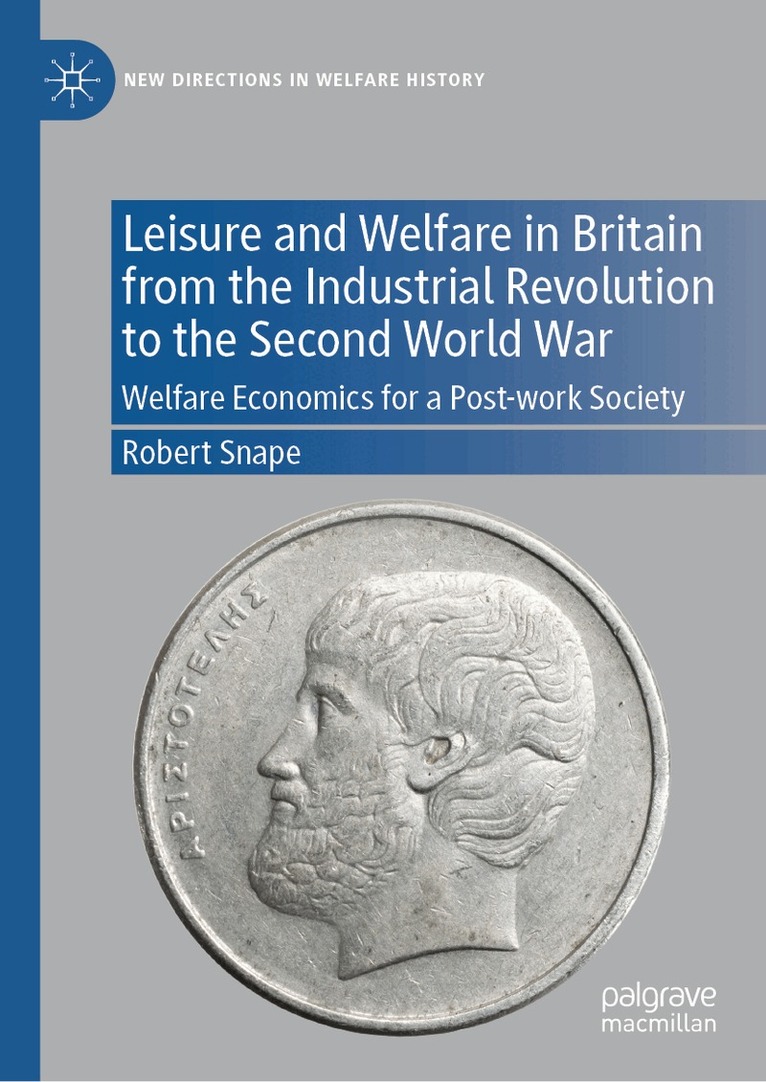
Tracing the evolution of social thought on leisure in Britain from the industrial revolution to the present day, this book documents an alternative and almost totally ignored discourse of leisure as a field of welfare. Investigating evolving understandings of leisure in social philosophy, the nascent social sciences and welfare economics, it explores the ways in which leisure became a field of individual and social welfare in terms of personal growth, cultural democracy and social citizenship. While the social philosophy of ancient Athens remained a reference point, new modern meanings of leisure were forged in the intellectual and political cross-currents of late Victorian and Edwardian political economy, the 'new' liberalism and social ethics. In terms of welfare economics, the book's pivotal figure is John Hobson, a self-declared economic heretic, who adopted Ruskin's idea of intrinsic value as the basis of a new political economy in which leisure would be crucial to individual and social well-being. Providing a unique contribution to the historiography of leisure and welfare and to current debate around wellbeing and work, this is a timely and interdisciplinary book.
E-bok
Engelska, 2025571 kr
Läs direkt efter köp
Tracing the evolution of social thought on leisure in Britain from the industrial revolution to the present day, this book documents an alternative and almost totally ignored discourse of leisure as a field of welfare. Investigating evolving understandings of leisure in social philosophy, the nascent social sciences and welfare economics, it explores the ways in which leisure became a field of individual and social welfare in terms of personal growth, cultural democracy and social citizenship. While the social philosophy of ancient Athens remained a reference point, new modern meanings of leisure were forged in the intellectual and political cross-currents of late Victorian and Edwardian political economy, the 'new' liberalism and social ethics. In terms of welfare economics, the book's pivotal figure is John Hobson, a self-declared economic heretic, who adopted Ruskin's idea of intrinsic value as the basis of a new political economy in which leisure would be crucial to individual and social well-being. Providing a unique contribution to the historiography of leisure and welfare and to current debate around wellbeing and work, this is a timely and interdisciplinary book.