New Edinburgh History of Scotland – serie
Visar alla böcker i serien New Edinburgh History of Scotland. Handla med fri frakt och snabb leverans.
13 produkter
13 produkter
331 kr
Skickas inom 7-10 vardagar
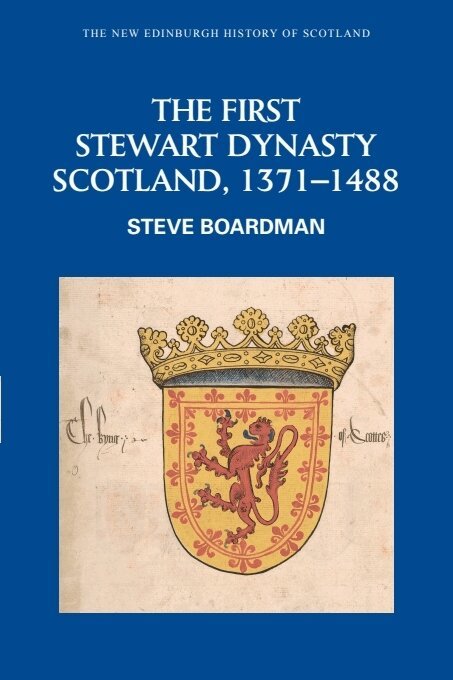
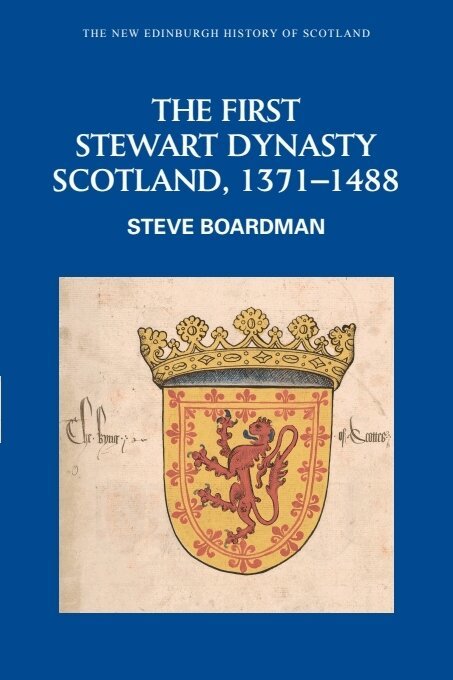
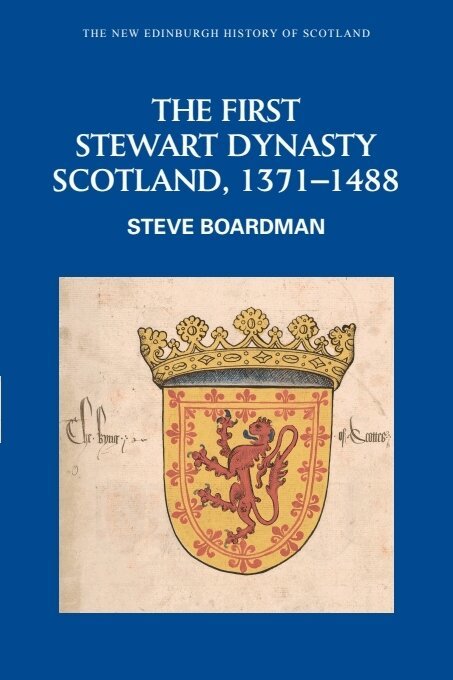
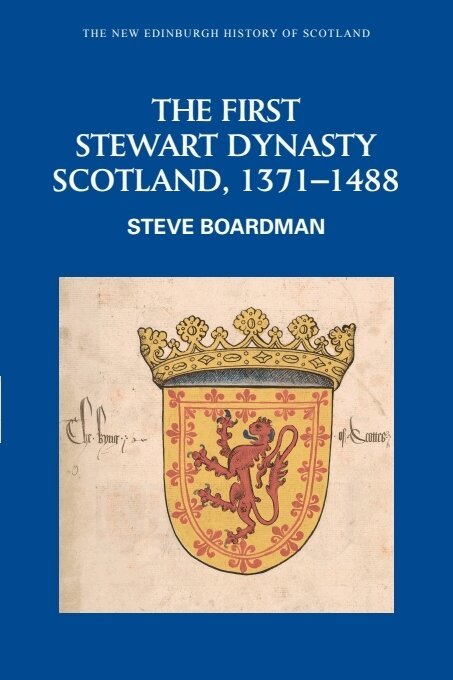
The volume begins with the shaky foundation of the Stewart dynasty during the reign of Robert II (1371-1390) and traces its development to the demise at the Battle of Sauchieburn of James III (1460-1488) together with his exalted vision of Stewart kingship. The author shows how and why the period is dominated by the growth of royal power and the concomitant eclipse of the regional aristocratic supremacies that had dominated fourteenth-century Scotland. His vivid accounts of the changing religious, economic, social and cultural life of the fifteenth century kingdom are woven into and around the central political narrative.
611 kr
Skickas inom 3-6 vardagar
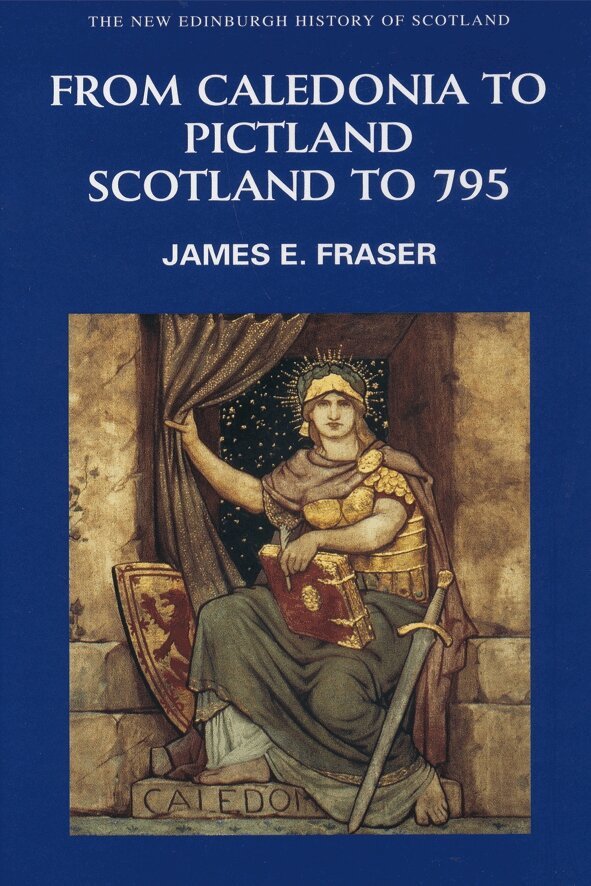
From Caledonia to Pictland examines the transformation of Iron Age northern Britain into a land of Christian kingdoms, long before 'Scotland' came into existence. Perched at the edge of the western Roman Empire, northern Britain was not unaffected by the experience, and became swept up in the great tide of processes which gave rise to the early medieval West. Like other places, the country experienced social and ethnic metamorphoses, Christianisation, and colonization by dislocated outsiders, but northern Britain also has its own unique story to tell in the first eight centuries AD.This book is the first detailed political history to treat these centuries as a single period, with due regard for Scotland's position in the bigger story of late Antique transition. From Caledonia to Pictland charts the complex and shadowy processes which saw the familiar Picts, Northumbrians, North Britons and Gaels of early Scottish history become established in the country, the achievements of their foremost political figures, and their ongoing links with the world around them. It is a story that has become much revised through changing trends in scholarly approaches to the challenging evidence, and that transformation too is explained for the benefit of students and general readers.Key Features:*The only detailed political history to treat the first eight centuries AD as a single period of Scottish history.*Redresses the imbalance created by an existing literature dominated by archaeologists. From Caledonia to Pictland provides a narrative history of the period.*Bridges a traditional disciplinary divide between the Roman and early medieval periods.*Locates this phase of Scotland's history within a European context, emphasising what is unique and what is not.
342 kr
Skickas
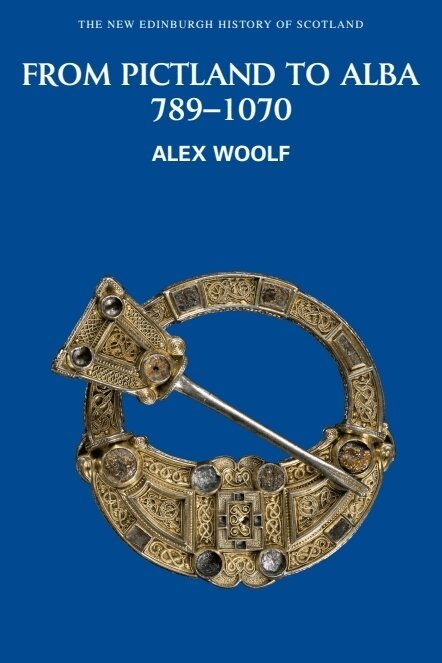
In the 780s northern Britain was dominated by two great kingdoms; Pictavia, centred in north-eastern Scotland and Northumbria which straddled the modern Anglo-Scottish border. Within a hundred years both of these kingdoms had been thrown into chaos by the onslaught of the Vikings and within two hundred years they had become distant memories. This book charts the transformation of the political landscape of northern Britain between the eighth and the eleventh centuries. Central to this narrative is the mysterious disappearance of the Picts and their language and the sudden rise to prominence of the Gaelic-speaking Scots who would replace them as the rulers of the North.From Pictland to Alba uses fragmentary sources which survive from this darkest period in Scottish history to guide the reader past the pitfalls which beset the unwary traveller in these dangerous times. Important sources are presented in full and their value as evidence is thoroughly explored and evaluated. Unlike most other volumes dealing with this period, this is a book which 'shows its workings' and encourages the readers to reach their own conclusions about the origins of Scotland.Key Features:• The first book in over twenty years to explain the destruction of the Picts and the rise of the Scottish kingdom from contemporary accounts alone• Recounts and evaluates modern scholarship developing readers’ awareness of recent debates and controversies • Subjects contemporary sources to rigorous examination allowing students to appreciate the strengths and pitfalls of different types of evidence• Locates early Scottish history firmly within a European context
1 871 kr
Kommande
The volume begins with the shaky foundation of the Stewart dynasty during the reign of Robert II (1371-1390) and traces its development to the demise at the Battle of Sauchieburn of James III (1460-1488) together with his exalted vision of Stewart kingship. The author shows how and why the period is dominated by the growth of royal power and the concomitant eclipse of the regional aristocratic supremacies that had dominated fourteenth-century Scotland. His vivid accounts of the changing religious, economic, social and cultural life of the fifteenth century kingdom are woven into and around the central political narrative.
342 kr
Skickas
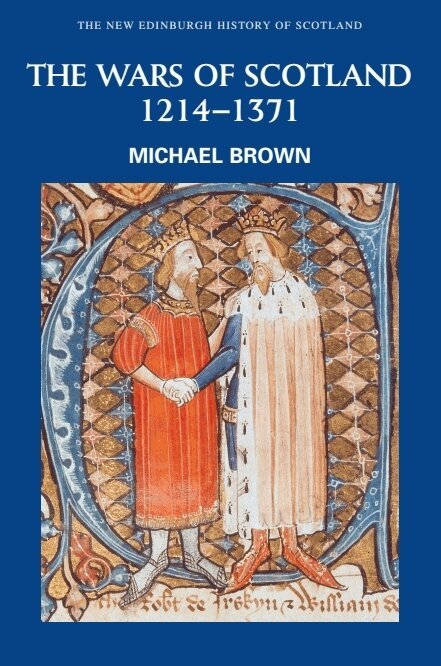
The Wars of Scotland is the story of the pivotal period in Scottish history between 1214 and 1371. The century and a half between the death of King William the Lion and the accession of the Stewarts witnessed major changes in the internal character of the kingdom and its place in the wider European world. The opening decades of this era seemed to be dominated by the continued development of a defined Scottish realm but the crisis which engulfed the kings and their people meant that issues of war and allegiance would make fourteenth-century Scotland a very different place. This book is the first detailed discussion of the thirteenth and fourteenth centuries as a single period of both developing and fragmenting political hierarchies and communities. The Wars of Scotland provides a political narrative which places events in their immediate context as well as highlighting special issues and groups in thematic chapters. It also introduces a new discussion of the stability and unity of Scotland as a realm and community and of the impact of war and dynastic crisis on a Medieval state.
342 kr
Skickas
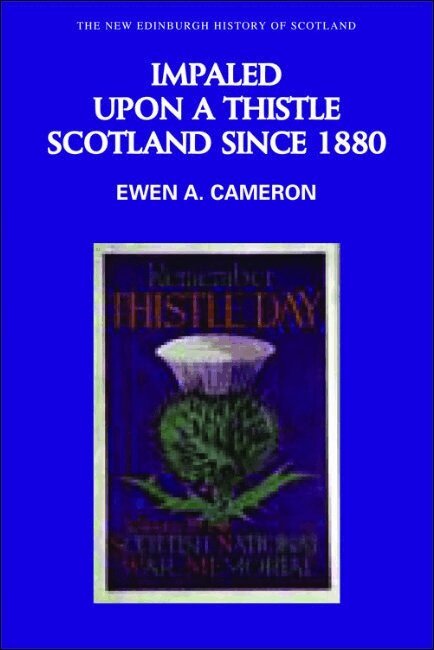
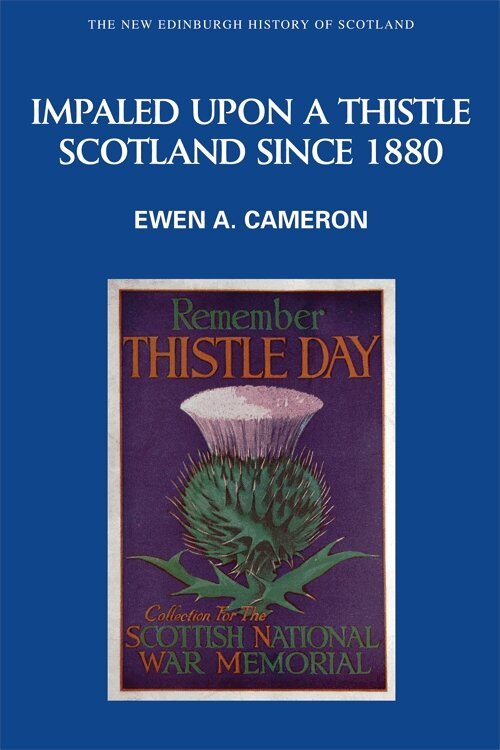
Ewen Cameron explores the political debate between unionism, liberalism, socialism and nationalism, and the changing political relationship between Scotland and the United Kingdom. He sets Scottish experience alongside the Irish, Welsh and European, and considers British dimensions of historical change - involvement in two world wars, imperial growth and decline, for example - from a Scottish perspective. He relates political events to trends and movements in the economy, culture and society of the nation’s regions - borders, lowlands, highlands, and islands. Underlying the history, and sometimes impelling its ambitions, are the evolution and growth of national self-confidence and identity which fundamentally affected Scotland’s destiny in the last century. Dr Cameron ends by considering how such forces may transform it in this one. Like the period it describes this book has politics at its heart. The recent upsurge of scholarship and publication, backed by the author’s extensive primary research, underpin its vivid and well-paced narrative.
845 kr
Kommande
This volume focuses on a century of seismic change in the political, religious and cultural life of Scotland. It's major theme is the politics of union and multiple monarchy following the creation of a British imperial system in 1603 and the problems of Scottish autonomy and identity to which this gave rise.
342 kr
Skickas
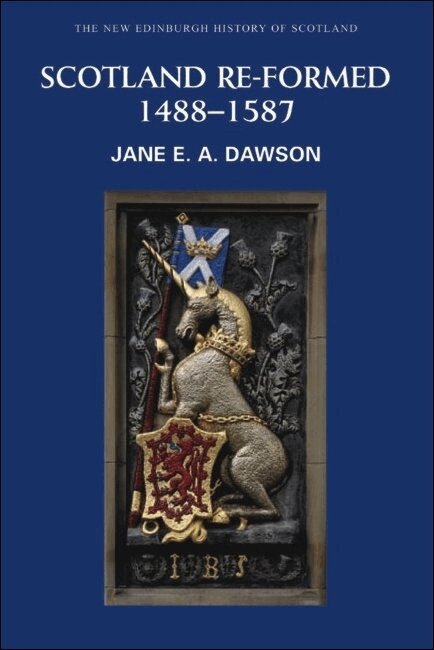
From the death of James III to the execution of Mary, Queen of Scots, Jane Dawson tells story of Scotland from the perspective of its regions and of individual Scots, as well as incorporating the view from the royal court. Scotland Re-formed shows how the country was re-formed as the relationship between church and crown changed, with these two institutions converging, merging and diverging, thereby permanently altering the nature of Scottish governance. Society was also transformed, especially by the feuars, new landholders who became the backbone of rural Scotland. The Reformation Crisis of 1559-60 brought the establishment of a Protestant Kirk, an institution influencing the lives of Scots for many centuries, and a diplomatic revolution that discarded the 'auld alliance' and locked Scotland's future into the British Isles.Although the disappearance of the pre-Reformation church left a patronage deficit with disastrous effects for Scottish music and art, new forms of cultural expression arose that reflected Protestant sensibilities or were transposed to secular settings. Alongside the dramatic events and slow transformations of cultural, social, economic, political and religious life, in 1587 much remained as it had been in 1488, with Scots deeply rooted in their country through their abiding sense of people and place. Key Features:• Distinctive regional approach brings a fresh perspective to the century's political and religious events• Compelling new interpretation based upon the complex inter-relationship of crown and church, helps students make sense of the upheavals brought to Scotland by the Renaissance and Reformation• Careful integration of visual, artistic and material culture enlivens and enriches students’ understanding of Scottish life
1 084 kr
Kommande
This book will provide a chronological narrative tracing the histories of Scotland and the Scottish people from 1690 to 1790.
306 kr
Kommande
This book will provide a chronological narrative tracing the histories of Scotland and the Scottish people from 1690 to 1790.
370 kr
Skickas inom 7-10 vardagar
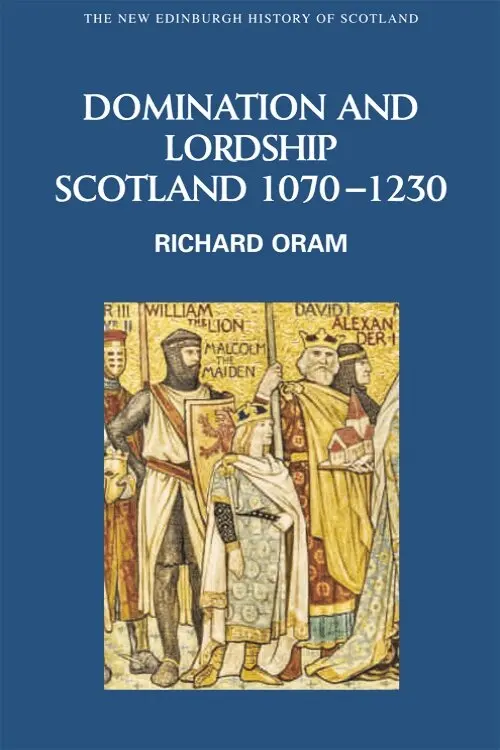
This volume centres upon the era conventionally labelled the 'Making of the kingdom', or the 'Anglo-Norman' era in Scottish history. It seeks a balance between traditional historiographical concentration on the 'feudalisation' of Scottish society as part of the wholesale importation of alien cultural traditions by a 'modernising' monarchy and more recent emphasis on the continuing vitality and centrality of Gaelic culture and traditions within the twelfth- and early thirteenth-century kingdom.Part I explores the transition from the Gaelic kingship of Alba into the hybridised medieval state and traces Scotland's role as both dominated and dominator. It examines the redefinition of relationships with England, Gaelic magnates within Scotland's traditional territorial heartland and with autonomous/independent mainland and insular powers. These interrelationships form the central theme of an exploration of the struggle for political domination of the northern mainland of Britain and the adjacent islands, the mechanisms through which that domination was projected and expressed, and the manner of its expression.Part II is a thematic exploration of central aspects of the society and culture of late eleventh- to early thirteenth-century Scotland which gave character and substance to the emerging kingdom. It considers the evolutionary growth of Scottish economic structures, changes in the management of land-based resources, and the manner in which secular power and authority were acquired and exercised. These themes are developed in discussions of the emergence of urban communities and in the creation of a new noble class in the twelfth century. Religion is examined both in terms of the development of the Church as an institution and through the religious experience of the lay population.
1 239 kr
Skickas inom 7-10 vardagar
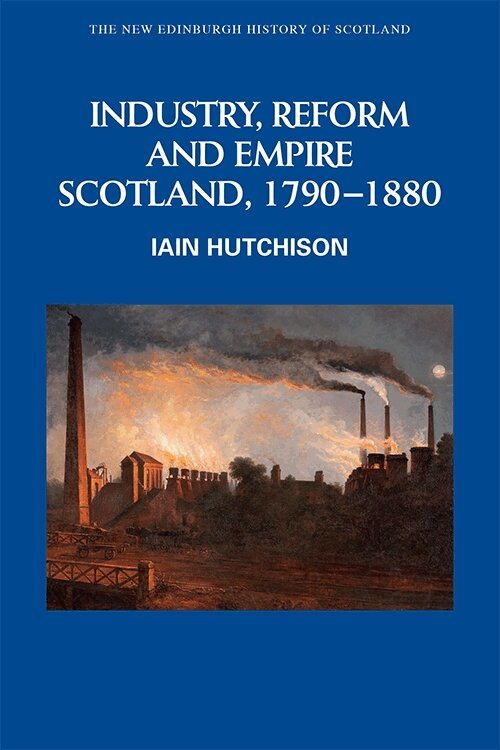
Industry, Reform and Empire traces the evolution of politics from a repressive, reactionary and electorally restricted regime before 1832 to an era of wider franchise and sweeping institutional reform. Focusing on the impact of rapid industrialisation, the author shows how it transformed the economic and social identity of urban and rural Scotland. Drawing on a wealth of primary sources, the book reveals the effects of these economic and political changes on the fabric of Scottish society, including the convulsions they caused in Presbyterianism that culminated in the Disruption of 1843.
342 kr
Skickas
Industry, Reform and Empire traces the evolution of politics from a repressive, reactionary and electorally restricted regime before 1832 to an era of wider franchise and sweeping institutional reform. Focusing on the impact of rapid industrialisation, the author shows how it transformed the economic and social identity of urban and rural Scotland. Drawing on a wealth of primary sources, the book reveals the effects of these economic and political changes on the fabric of Scottish society, including the convulsions they caused in Presbyterianism that culminated in the Disruption of 1843.