New Texts from Ancient Cultures - Böcker
Visar alla böcker i serien New Texts from Ancient Cultures. Handla med fri frakt och snabb leverans.
9 produkter
9 produkter
486 kr
Skickas inom 7-10 vardagar
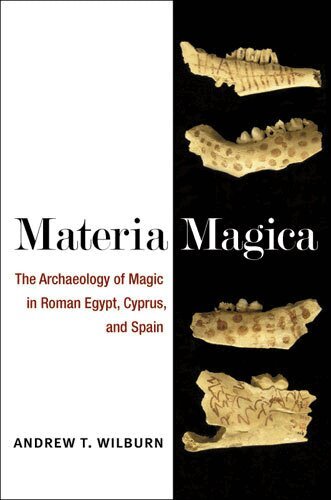
This exciting new study draws on objects excavated or discovered in the late nineteenth or early twentieth century at three Mediterranean sites. Through the three case studies, Materia Magica identifies specific forms of magic that may be otherwise unknown. It isolates the practitioners of magic and examines whether magic could be used as a form of countercultural resistance. Andrew T. Wilburn discovers magic in the objects of ancient daily life, suggesting that individuals frequently turned to magic, particularly in crises. Local forms of magic may have differed, and Wilburn proposes that the only way we can find small-town sorcerers is through careful examination of the archaeological evidence. Studying the remains of spells enacted by practitioners, Wilburn's work unites the analysis of the words written on artifacts and the physical form of these objects. He situates these items within their contexts, to study how and why they were used. Materia Magica approaches magic as a material endeavor, in which spoken spells, ritual actions, and physical objects all played vital roles in the performance of a rite. Materia Magica develops a new method for identifying and interpreting the material remains of magical practice by assessing artifacts within their archaeological contexts. Wilburn suggests that excavations undertaken in recent centuries can yield important lessons about the past, and he articulates the ways in which we can approach problematic data.
529 kr
Skickas inom 7-10 vardagar
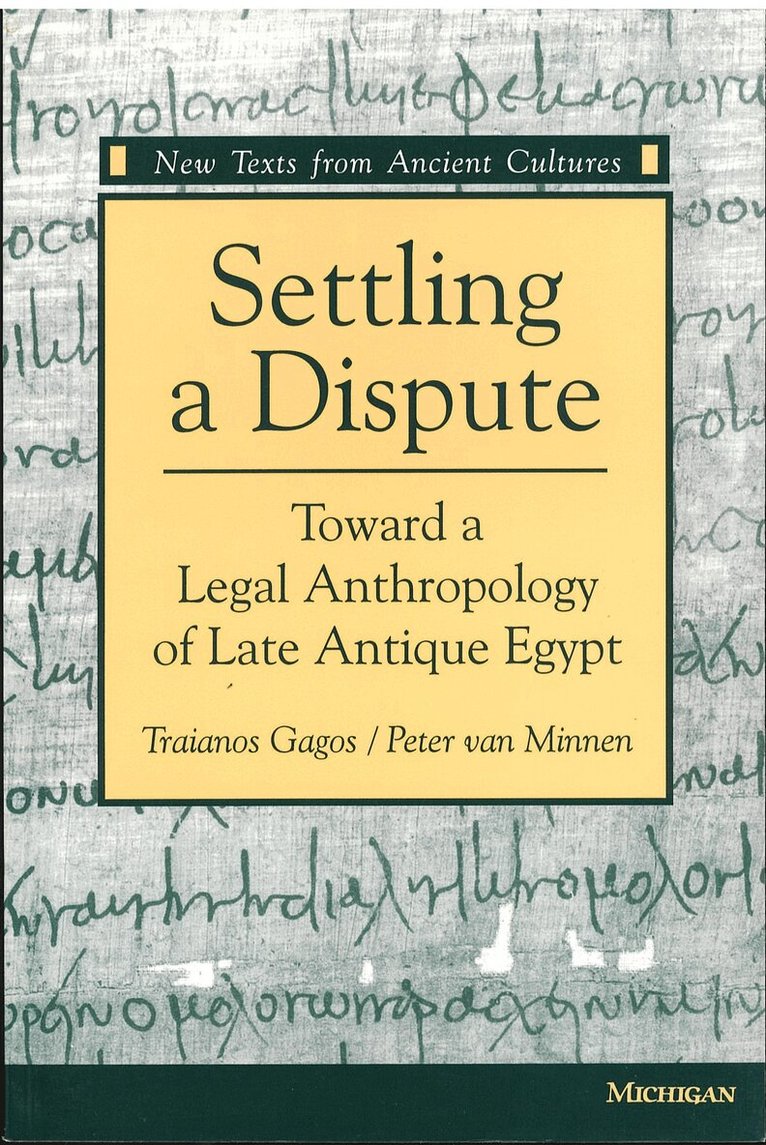
Family squabbles and fights over real estate were no less complex in sixth-century Egypt than they are in the modern world. In this unusual volume Peter van Minnen and Traianos Gagos investigate just such a struggle, as described in a two-part papyrus some five feet long. Composed by the ancient equivalent of a notary public, the papyrus describes the outcome (after mediation) of a family dispute about valuable real estate. Traianos Gagos and Peter van Minnen offer an English translation and a clear Greek text of the two papyrus fragments, as well as an important discussion of the nature of such mediation, its role in contemporary society, a consideration of the town of Aphrodito and its social and political elite, as well as many other topics that spring from this kind of document. The use of methodologies from modern jurisprudence and anthropology together with an accessible style of writing mean that Settling a Dispute will be of interest to persons in many fields, including history, Classics, and Near Eastern studies. All Greek is translated, and an extensive commentary offers much helpful information on the text. Traianos Gagos is Associate Archivist of the University of Michigan's papyri collection. Peter van Minnen is Senior Research Associate in the papyri collection at Duke University.
370 kr
Skickas inom 7-10 vardagar
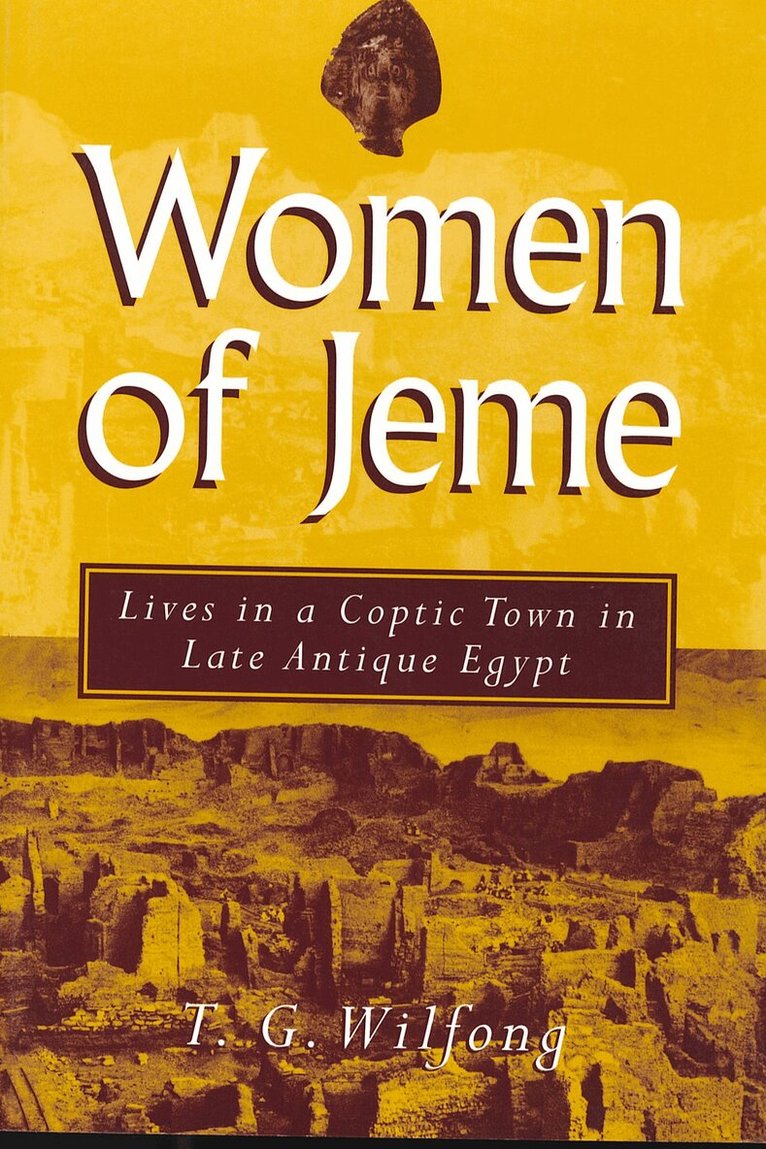
Get to know the women of Jeme, a Christian enclave in Egypt that existed from 600 to 800 C.E.Using texts documenting the women's activities, the physical remains of their possessions, and the writings of the local religious leaders, T. G. Wilfong traces the lives and careers of individual women and, through them, arrives at an understanding of the reality of women's lives in this place and time. Contrary to the submissive, demure ideals for women proposed by the religious writers of Christian Egypt, the evidence from Jeme points to a more complex, dynamic situation. Women were active in the home, but some also played important and visible parts in the religious and economic life of their community. A bishop's attempts to monitor the behavior of the women in his district, the intricate inheritance dispute between an aunt and her niece, one woman's pious donations of murals to a church, three women's agonized decisions to give up their children to the local monastery, and the transactions of a family of women moneylenders--all these episodes paint a vivid picture of life in a Coptic town. Although the remains of Jeme have long been known to scholars, little synthetic work has been done on this rich source for social history in Egypt before and after the Muslim conquests. The Women of Jeme is the first book-length study of the evidence. It will be of interest to Egyptologists and papyrologists, as well as to scholars of Coptic studies, early Christianity, social history and women's studies. The book assumes no prior knowledge of the subject, and the author has taken care to make it accessible to anyone with an interest in the ancient world. T. G. Wilfong is Assistant Professor of Egyptology and Assistant Curator for Greco-Roman Egypt, University of Michigan.
953 kr
Skickas inom 7-10 vardagar
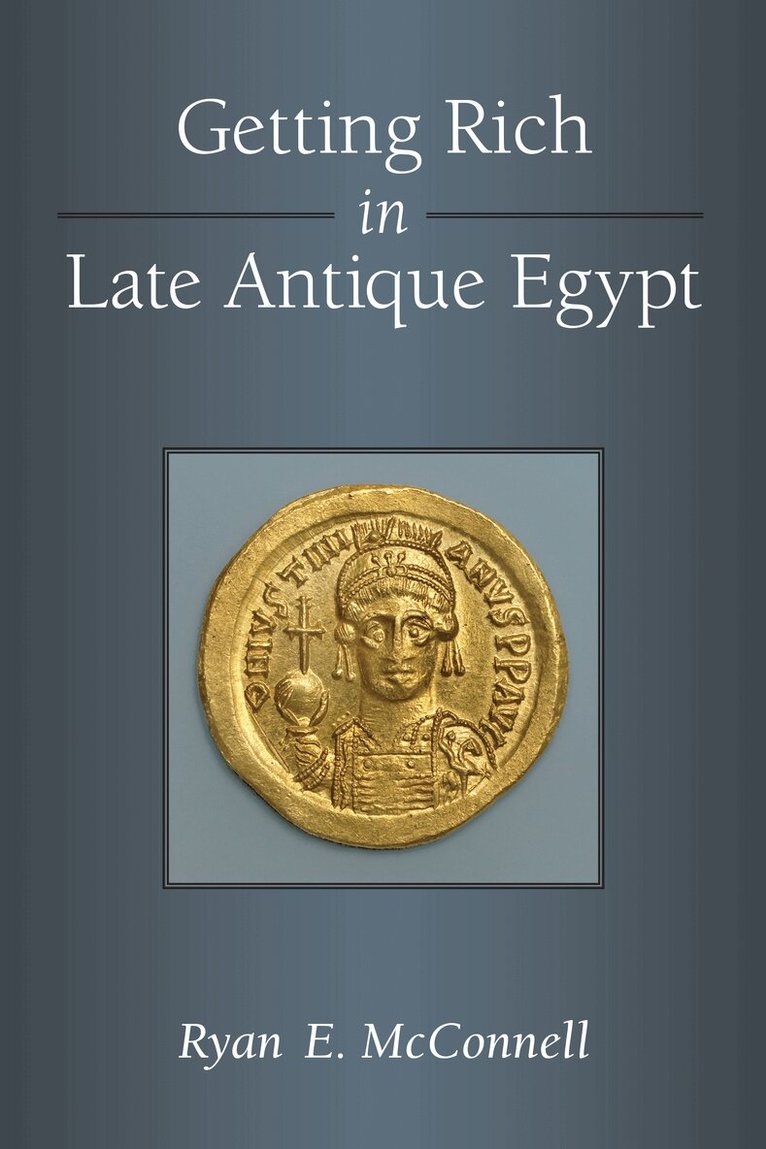
Papyrologists and historians have taken a lively interest in the Apion family (fifth through seventh centuries), who rose from local prominence in rural Middle Egypt to become one of the wealthiest and most powerful families in the Eastern Roman Empire. The focus of most scholarly debate has been whether the Apion estate—and estates like it—aimed for a marketable surplus or for self-sufficiency. Getting Rich in Late Antique Egypt shifts the discussion to precisely how the Apions’ wealth was generated and what role their Egyptian estate played in that growth by engaging directly with broader questions of the relationship between public and private economic actors in Late Antiquity, rational management in ancient economies, the size of estates in Byzantine Egypt, and the role of rural estates in the Byzantine economy.Ryan E. McConnell connects the family’s rise in wealth and status to its role in tax collection on behalf of the Byzantine state, rather than a reliance on productive surpluses. Close analysis of low- and high-level accounts from the Apion estate, as well as documentation from comparable Roman and Byzantine Egyptian estates, corroborate this conclusion. Additionally, McConnell offers a third way into the ongoing debate over whether the Apions’ relationship with the state was antagonistic or cooperative, concluding that the relationship was that of parties in a negotiation, with each side seeking to maximize its own benefit. The application of modern economic concepts—as well as comparisons to the economies of Athens, Rome, Ptolemaic Egypt, and Early Modern France—further illuminate the structure and function of the estate in Late Antique Egypt.Getting Rich in Late Antique Egypt will be a valuable resource for philologists, archaeologists, papyrologists, and scholars of Late Antiquity. It will also interest scholars of agricultural, social, and economic history.
1 285 kr
Skickas inom 7-10 vardagar
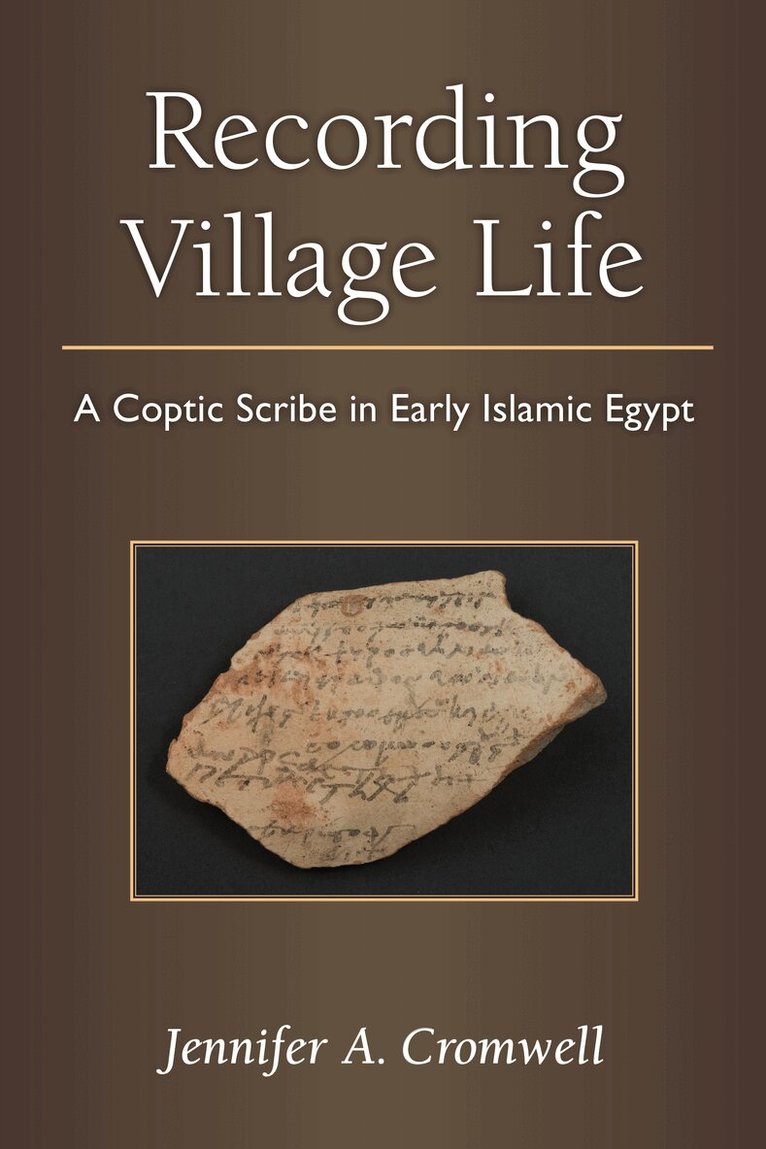
Recording Village Life presents a close study of over 140 Coptic texts written between 724–756 CE by a single scribe, Aristophanes son of Johannes, of the village Djeme in western Thebes. These texts, which focus primarily on taxation and property concerns, yield a wealth of knowledge about social and economic changes happening at both the community and country-wide levels during the early years of Islamic rule in Egypt. Additionally, they offer a fascinating picture of the scribe’s role within this world, illuminating both the practical aspects of his work and the social and professional connections with clients for whom he wrote legal documents.Papyrological analysis of Aristophanes’ documents, within the context of the textual record of the village, shows a new and divergent scribal practice that reflects broader trends among his contemporaries: Aristophanes was part of a larger, national system of administrative changes, enacted by the country’s Arab rulers in order to better control administrative practices and fiscal policies within the country. Yet Aristophanes’ dossier shows him not just as an administrator, revealing details about his life, his role in the community, and the elite networks within which he operated. This unique perspective provides new insights into both the micro-history of an individual’s experience of eighth-century Theban village life, and its reflection in the macro social, economic, and political trends in Egypt at this time.This book will prove valuable to scholars of late antique studies, papyrology, philology, early Islamic history, social and economic history, and Egyptology.
1 085 kr
Skickas inom 7-10 vardagar
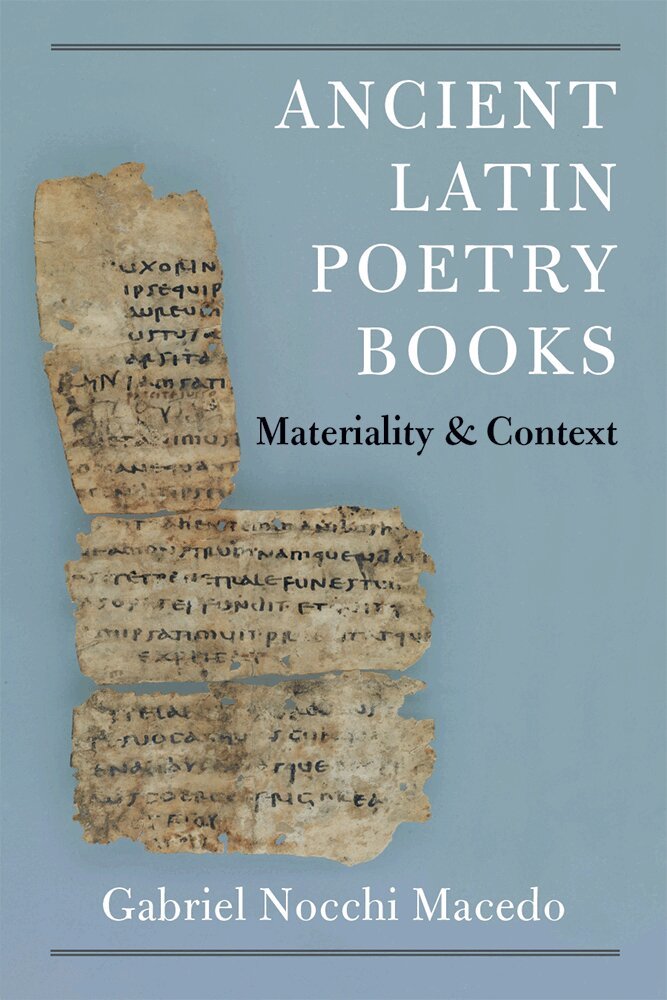
Before the invention of printing, all forms of writing were done by hand. For a literary text to circulate among readers, and to be transmitted from one period in time to another, it had to be copied by scribes. As a result, two copies of an ancient book were different from one another, and each individual book or manuscript has its own history. The oldest of these books, those that are the closest to the time in which the texts were composed, are few, usually damaged, and have been often neglected in the scholarship. Ancient Latin Poetry Books presents a detailed study of the oldest manuscripts still extant that contain texts by Latin poets, such as Virgil, Terence, and Ovid. Analyzing their physical characteristics, their script, and the historical contexts in which they were produced and used, this volume shows how manuscripts can help us gain a better understanding of the history of texts, as well as of reading habits over the centuries. Since the manuscripts originated in various places of the Latin-speaking world, Ancient Latin Poetry Books investigates the readership and reception of Latin poetry in many different contexts, such schools in the Egyptian desert, aristocratic circles in southern Italy, and the Christian élite in late antique Rome. The research also contributes to our knowledge about the use of writing and the importance of the written text in antiquity. This is an innovative approach to the study of ancient literature, one that takes the materiality of texts into consideration.
1 019 kr
Skickas inom 7-10 vardagar
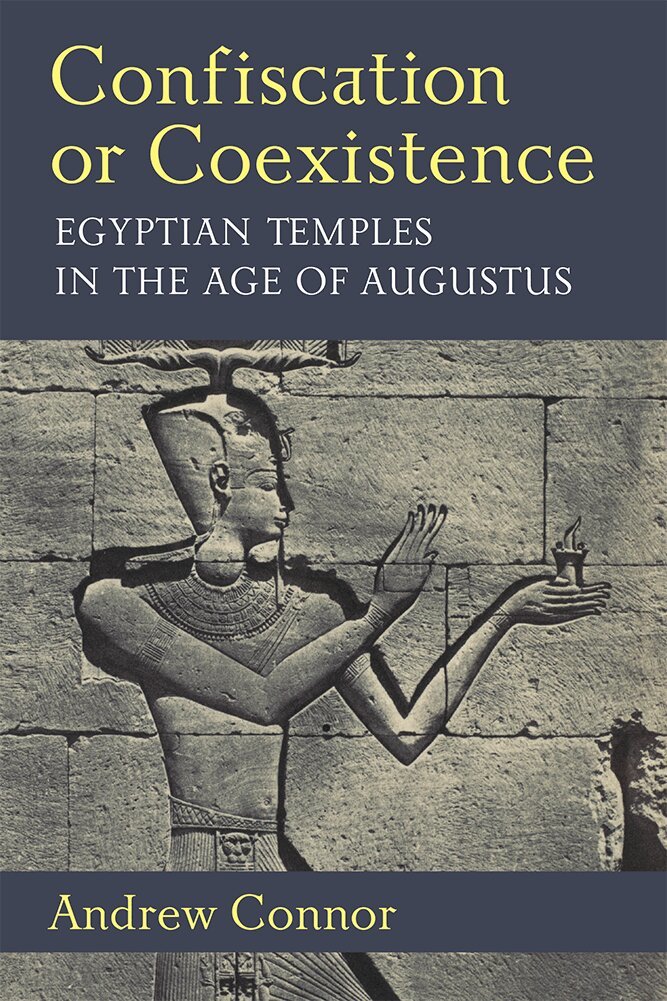
It is generally accepted that Roman administrators, arriving in Egypt in the aftermath of Augustus’ annexation of the province, confiscated en masse the land and other property belonging to the temples of Egypt—estimated at as much as one-third of the country. It is further accepted that this confiscation doomed the temples by removing their economic support and making them subservient to the Roman state, and that this in turn led to the collapse of Egyptian religion. In Confiscation or Coexistence: Egyptian Temples in the Age of Augustus, author Andrew Connor takes direct issue with both claims.The interpretative consensus developed after the publication of a handful of key documents—P.Tebt. 2.302 especially, alongside BGU 4.1198 and 1200, and P.Berl.Leihg. 1.5. Connor offers a fundamentally revised interpretation of these texts, building from a fresh examination of the papyri themselves. The book frames the interpretation in a wider discussion of Roman interactions with Egyptian religion, including material from inside and outside Egypt, and locates the development of an interpretative consensus in early 20th-century scholarship within the wider context of empire and colonization at the time. In doing so, Connor explores these papyri through their historical, intellectual, and linguistic contexts, alongside a number of other important texts bearing on the relationship between the temples and the Roman state.
1 285 kr
Skickas inom 7-10 vardagar
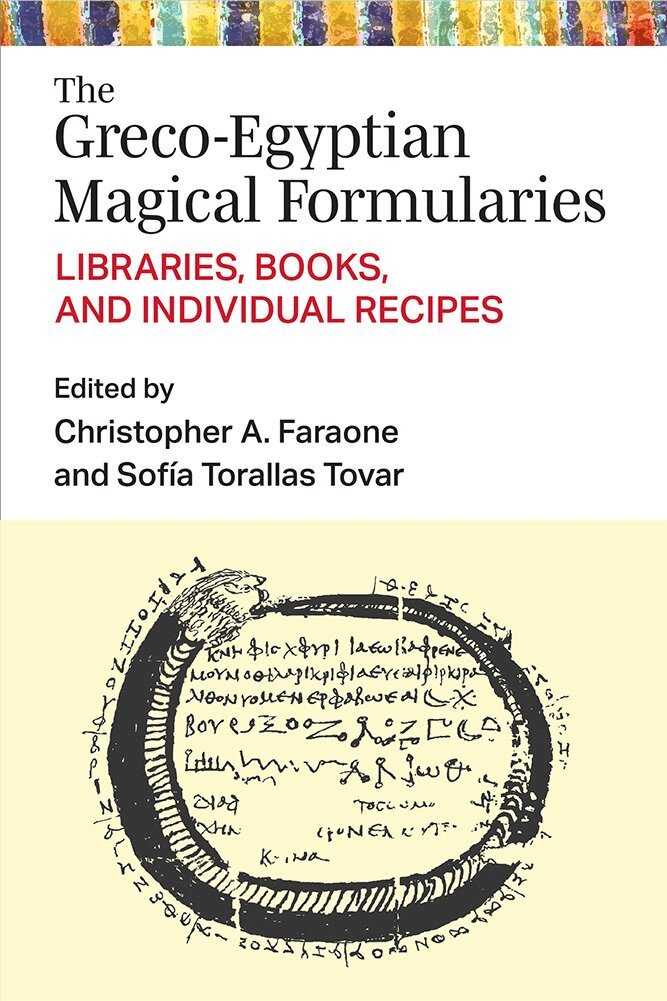
In Greco-Roman Egypt, recipes for magical undertaking, called magical formularies, commonly existed for love potions, curses, attempts to best business rivals—many of the same challenges that modern people might face. In The Greco-Egyptian Magical Formularies: Libraries, Books, and Individual Recipes, volume editors Christopher Faraone and Sofia Torallas Tovar present a series of essays by scholars involved in a multiyear project to reedit and translate the various magical handbooks that were inscribed in the Roman period in the Greek or Egyptian languages. For the first time, the material remains of these papyrus rolls and codices are closely examined, revealing important information about the production of books in Egypt, the scribal culture in which they were produced, and the traffic in single recipes copied from them. Especially important for historians of the book and the Christian Bible are new insights in the historical shift from roll to codex, complicated methods of inscribing the bilingual papyri (in which the Greek script is written left to right and the demotic script right to left), and the new realization that several of the longest extant handbooks are clearly compilations of two or more shorter handbooks, which may have come from different places. The essays also reexamine and rethink the idea that these handbooks came from the personal libraries of practicing magicians or temple scriptoria, in one case going so far as to suggest that two of the handbooks had literary pretensions of a sort and were designed to be read for pleasure rather than for quotidian use in making magical recipes.
1 019 kr
Skickas inom 7-10 vardagar
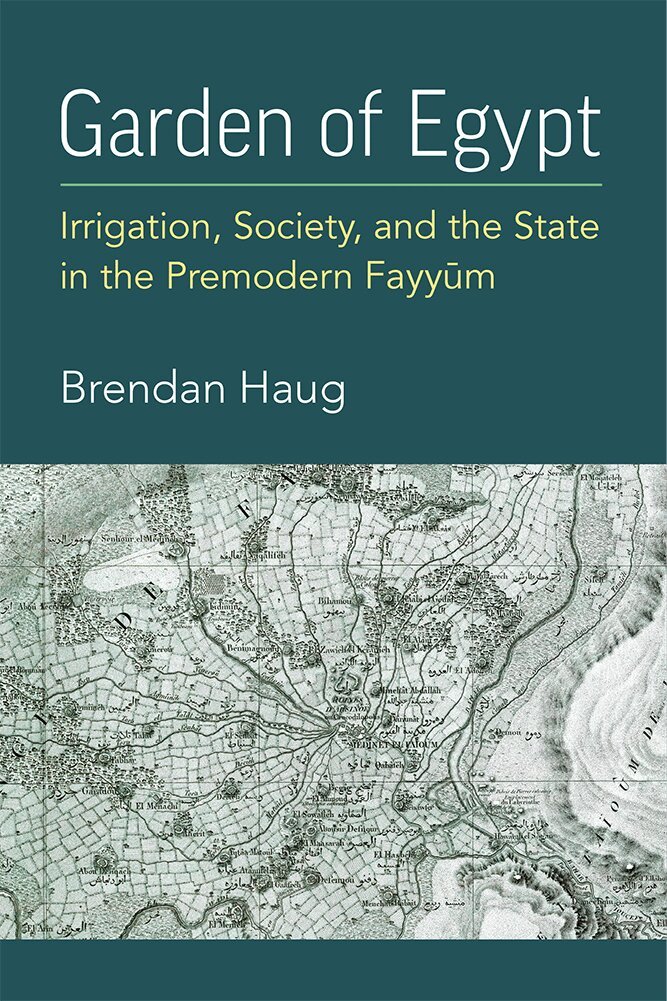
Garden of Egypt: Irrigation, Society, and the State in the Premodern Fayyūm is the first environmental history of Egypt’s Fayyūm depression. The volume studies human relationships with flowing water, from the third century BCE to the thirteenth century CE. Until the arrival of modern perennial irrigation in the nineteenth century, the Fayyūm was the only region of premodern Egypt to be irrigated by a network of artificial canals. By linking large numbers of rural communities together in shared dependence on this public irrigation infrastructure, canalization introduced to Egypt a radically new way of interacting both with the water of the Nile and with fellow farmers. Drawing upon ancient Greek papyri, medieval Arabic literature, and modern comparative evidence, this book explores the ways in which the Nile’s water, local farmers, and state power together continually reshaped this irrigated landscape over more than thirteen centuries. Following human/water relationships through both space and time further helps to erode disciplinary boundaries and bring multiple periods of Egyptian history into contact with one another.