Newcastle/Bloodaxe Poetry Series - Böcker
Visar alla böcker i serien Newcastle/Bloodaxe Poetry Series. Handla med fri frakt och snabb leverans.
7 produkter
7 produkter
Del 15 - Newcastle/Bloodaxe Poetry Series
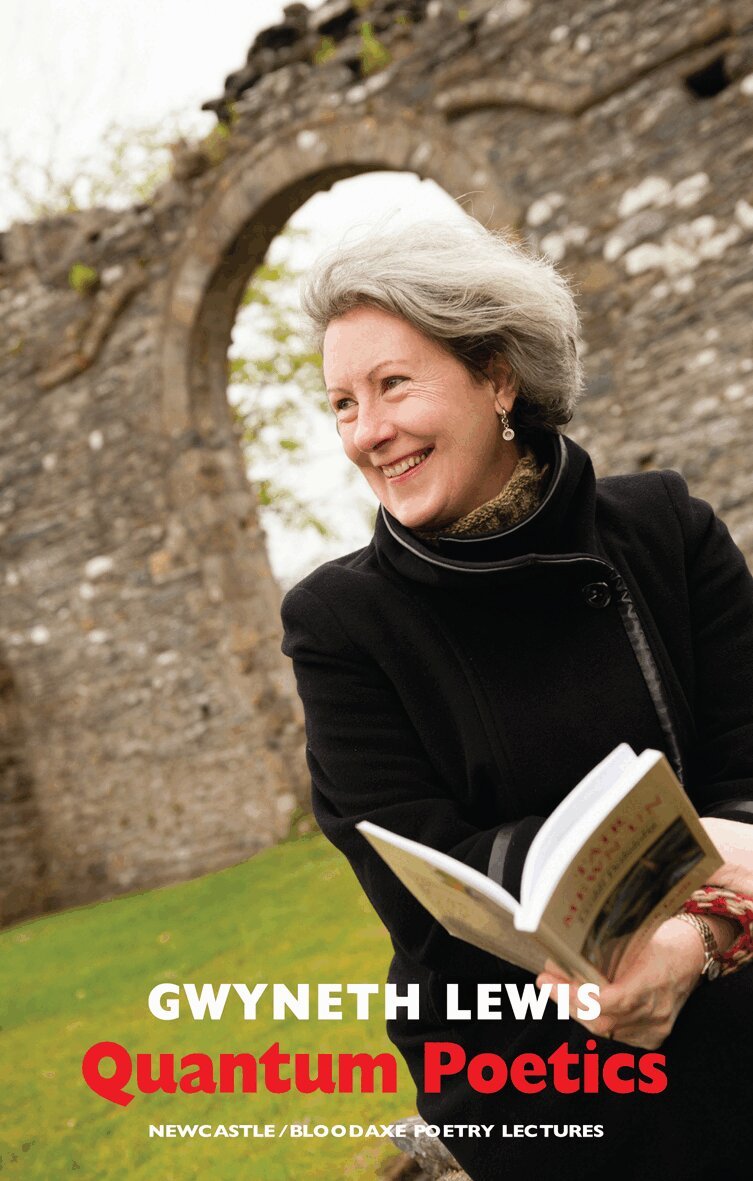
Quantum Poetics
Newcastle/Bloodaxe Poetry Lectures
Häftad, Engelska, 2015
137 kr
Skickas inom 7-10 vardagar
In this innovative series of public lectures at Newcastle University, leading contemporary poets speak about the craft and practice of poetry to audiences drawn from both the city and the university. The lectures are then published in book form by Bloodaxe, giving readers everywhere the opportunity to learn what the poets themselves think about their own subject. Gwyneth Lewis's three lectures explore the connection linking form and politics with the content of poetry while exploring how each of these changes our understanding of time. She argues that the poet steers a path between making music and making sense - not at the level of the line, but in the deep structures of meaning which are poetry's terrain. The accuracy of what they say is just as important as its expression, both for their own well-being and for its worth to the reader. Taken together, her lectures begin to posit not the science in poetry but a science of the art form. 'The Stronger Life': Much has been made of the volatility of poets, which is largely a myth. Because it can be "confessional", poetry is often assumed to be therapeutic, but it can, equally, be toxic. The lives and work of poets are distinct but not unrelated. Using examples from Laura Riding and George Herbert, Gwyneth Lewis argues in this lecture that poets are more, not less resilient than the rest of the population. Looking at her own modern epic, A Hospital Odyssey, she questions how form is essential to health. 'What Country, Friends, is This?': Using Illyria in Shakespeare's Twelfth Night as a starting point, this lecture explores language politics and writing, describing how far poets will go to negotiate safe passage between one and the other. Fluent in Welsh and English, Gwyneth Lewis reflects on writing in two opposed traditions at the same time and reflects on what light the work of poets such as Nuala Ni Dhomhnaill and Anne Carson, among others, throws on the nature of poetry as a whole. 'Quantum Poetics': Form is the science of poetry. Because of its peculiar relationship with time, poetry's history isn't linear. Language works with a quantum indeterminacy. With special reference to the early Welsh tradition's extreme formalism, Gwyneth Lewis discusses in this lecture how what seems like ornament conjures probability waves into being, adding an extra, unheard, dimension to the sound of metre.
Del 2 - Newcastle/Bloodaxe Poetry Series
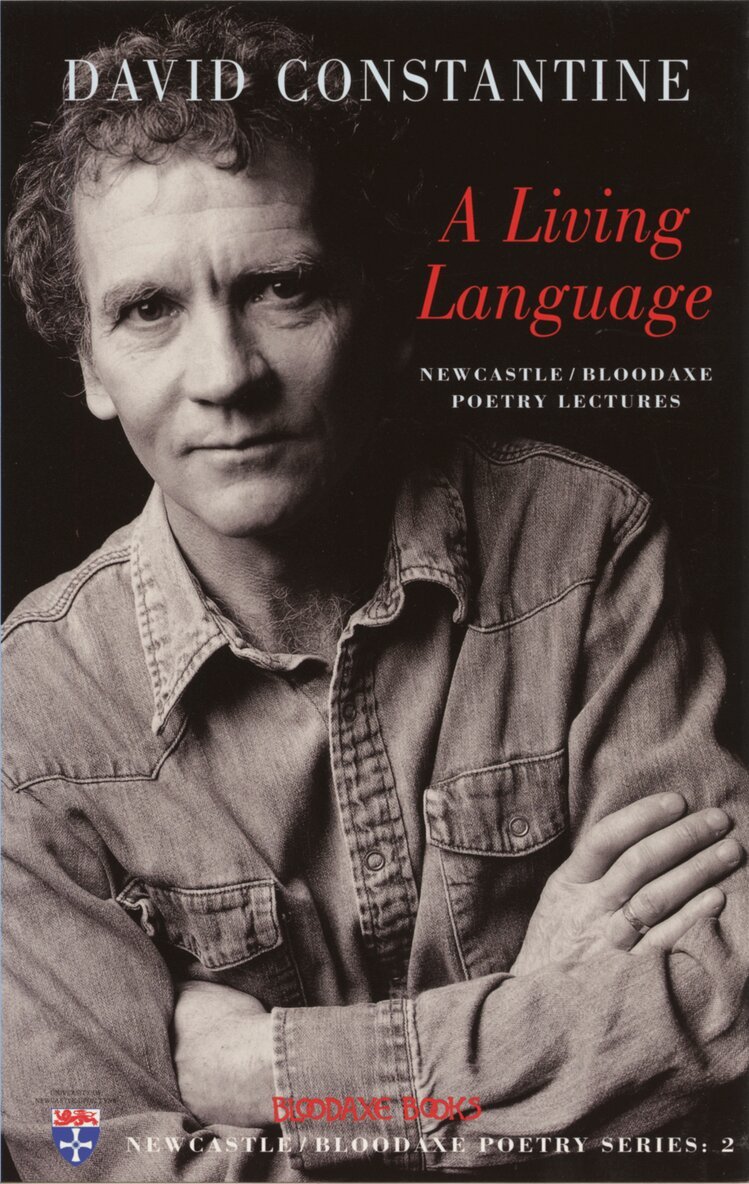
Living Language
Newcastle/Bloodaxe Poetry Lectures
Häftad, Engelska, 2004
169 kr
Skickas inom 5-8 vardagar
In this innovative series of public lectures at Newcastle University, leading contemporary poets speak about the craft and practice of poetry to audiences drawn from both the city and the university. The lectures are then published in book form by Bloodaxe, giving readers everywhere the opportunity to learn what the poets themselves think about their own subject.David Constantine's three lectures have to do with the chief end and means of poetry: a lively and effective language. In the first, Translation Is Good For You, drawing mainly on the life, letters and poems of Keats, he considers translation as a way to a poetic identity and a language of one's own. In the second, Use and Ornament, Constantine looks at the particular case of a poet, Brecht, who wanted his writing to be useful but who understood better than most what the peculiar resources and responsibilities of the lyric poem are Wilfred Owen and Keith Douglas are also considered in this context. The third lecture, Poetry of the Present, largely concerned with Walt Whitman and D.H. Lawrence, discusses the ambition of free verse to convey the abundance and quickness of life in the truest (liveliest) way. The sonnets and other fixed forms used by Rilke are offered as an alternative. In all three lectures there is a continual effort to define the good effects a poem may have when, by whatever means, it achieves its ends.
Del 5 - Newcastle/Bloodaxe Poetry Series
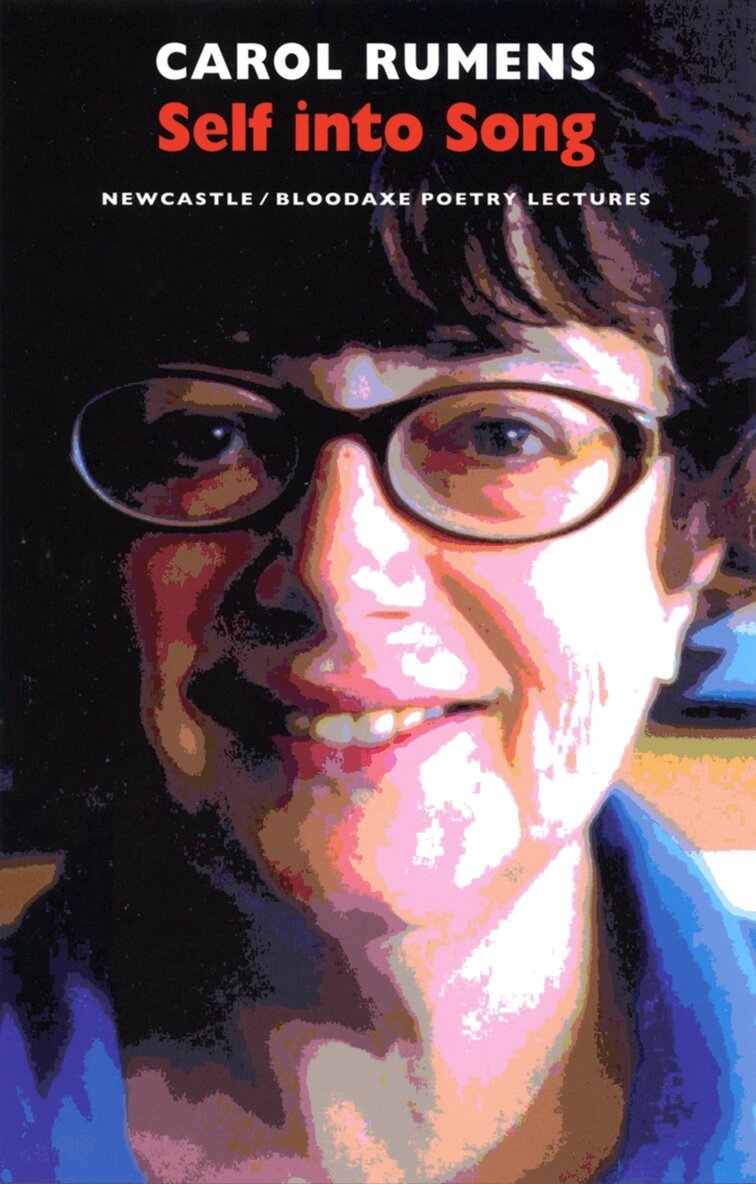
Self into Song
Newcastle/Bloodaxe Poetry Lectures
Häftad, Engelska, 2007
114 kr
Skickas inom 7-10 vardagar
In this innovative series of public lectures at the University of Newcastle upon Tyne, leading contemporary poets speak about the craft and practice of poetry to audiences drawn from both the city and the university. The lectures are then published in book form by Bloodaxe, giving readers everywhere the opportunity to learn what the poets themselves think about their own subject. Carol Rumens' three lectures cover the poetry of Philip Larkin and Derek Mahon as well as form and music in the work of a range of contemporary women poets. Forget What Did? Philip Larkin's "Poems of Lost Childhood": What made this strange, sometimes unattractive personality a powerful poet? Putting aside the politics, this lecture draws on autobiographical material as well as early poems to suggest a possible imaginative source in childhood trauma. It also traces the younger Larkin's interest in Jung, Lawrence, Auden and others, and examines the famous 'two voices' of his maturity, the demotic and the literary. "Solitude and Sociability: An Introduction to the Poetry of Derek Mahon": Bleak North Antrim coastlines and a sense of isolation contrast with the warm intellectual companionship of other writers and artists often conjured in Derek Mahon's work. This lecture takes an overview of his themes and forms, including a look at the conversation he conducts, via his many dedicatory and epistolary poems, across the time-zones. "Line, Women and Song": Have women poets brought distinctive approaches to the music and metre of contemporary poetry? Adrienne Rich, Marilyn Hacker and Ruth Padel provide some of the material examined. Can there be a politically radical verse in traditional form? Can the English language and ancient, imported forms and metres still fruitfully work together? This is the fifth book in the "Newcastle/Bloodaxe Poetry Series".
Del 8 - Newcastle/Bloodaxe Poetry Series
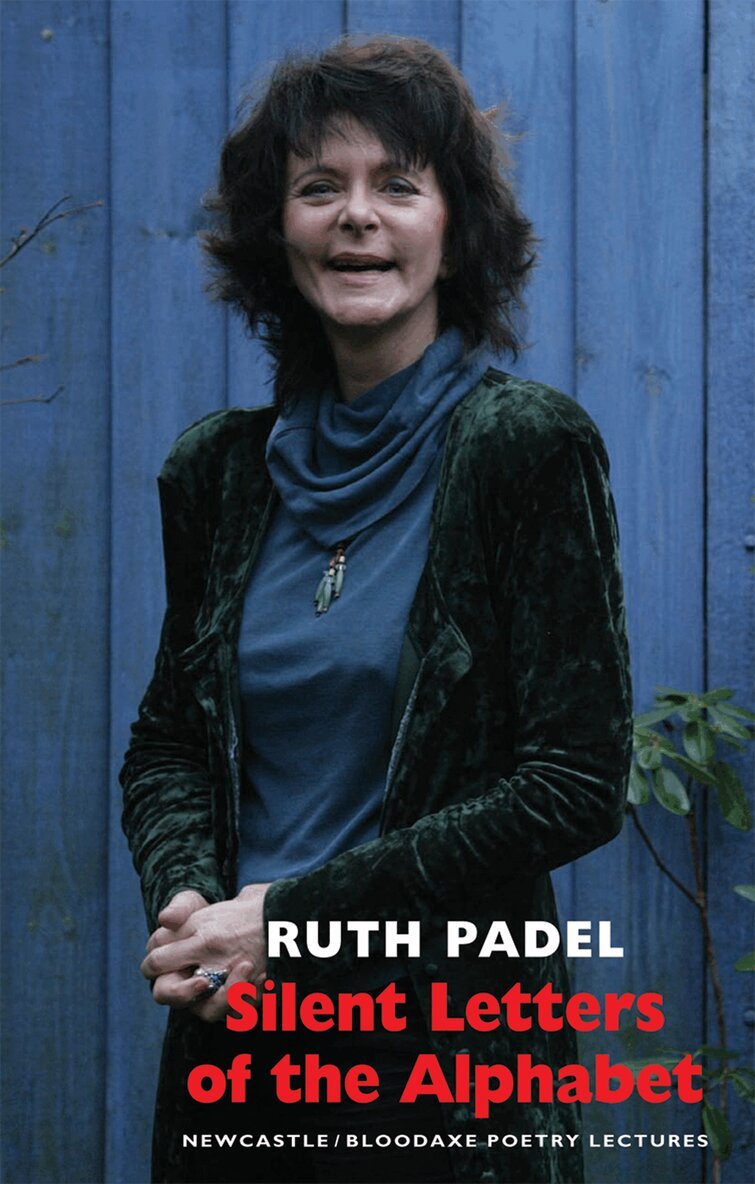
Silent Letters of the Alphabet
Newcastle/Bloodaxe Poetry Lectures
Häftad, Engelska, 2010
141 kr
Skickas inom 7-10 vardagar
In this innovative series of public lectures at Newcastle University, leading contemporary poets speak about the craft and practice of poetry to audiences drawn from both the city and the university. The lectures are then published in book form by Bloodaxe, giving readers everywhere the opportunity to learn what the poets themselves think about their own subject. Ruth Padel’s lectures link metaphor to silence and white space on a page. Equating a poem’s music with its politics, she explores tone, register and harmony, suggesting that how poems hold our “attention” is through “tension”. Finally, she investigates what it means for poems that they are “given to” other people. With her trademark blend of literary analysis, psychological and mythical learning, an intimate knowledge of Greek poetics plus a generous and joyful trust in the energy of today’s poetry, Ruth Padel plumbs unheard rhymes, Echo and Narcissus, the silent music of John Cage, and what happens when Paul Durcan plays Seamus Heaney at ping pong. She wears her erudition lightly, paying playful attention to the resonances of many different poems – and to their smaller atoms, words and syllables. A fascinating and groundbreaking book, Silent Letters of the Alphabet is a gift for anyone writing, reading or teaching poetry today.
Del 9 - Newcastle/Bloodaxe Poetry Series
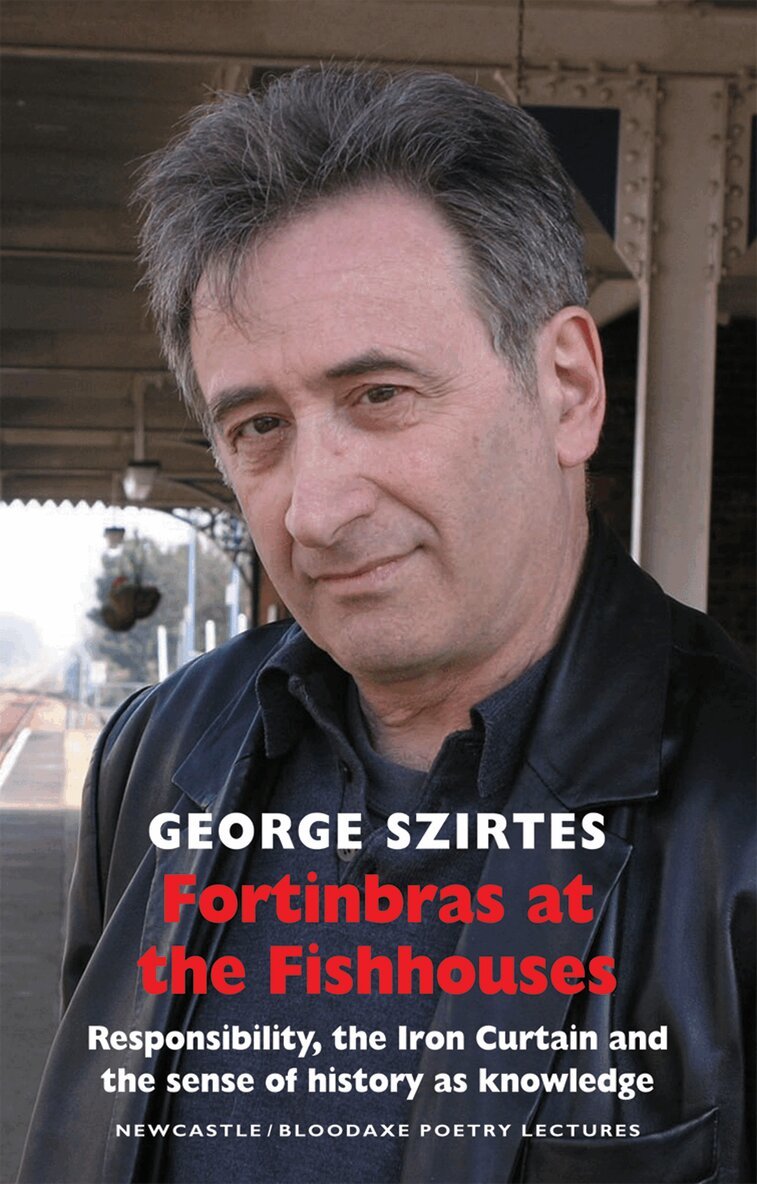
Fortinbras at the Fishhouses
Responsibility, the Iron Curtain and the sense of history as knowledge: Newcastle/Bloodaxe Poetry Lectures
Häftad, Engelska, 2010
114 kr
Skickas inom 7-10 vardagar
In this innovative series of public lectures at Newcastle University, leading contemporary poets speak about the craft and practice of poetry to audiences drawn from both the city and the university. The lectures are then published in book form by Bloodaxe, giving readers everywhere the opportunity to learn what the poets themselves think about their own subject. George Szirtes' three lectures form an arc on the nature of historical knowledge in the poem. 'Our knowledge' says Elizabeth Bishop in 'At the Fishhouses', 'is historical, flowing and flown.' The sea in her poem is so cold it burns hand and tongue, a parodox explored in his first lecture, 'Cold dark deep and absolutely clear: poetic knowledge as uncertainty'. Beginning with this understanding of knowledge, his second lecture, 'Life is Elsewhere: knowing in opposition', shifts to notions of historical responsibility, especially as perceived by poets in the West at the time of the Cold War. Szirtes considers questions of betrayal and fidelity and the role of irony and quietism. In his third lecture, 'Flowing and flown: in the world of superfluous knowledge', Szirtes seeks exemplars and connections in works by George Seferis, Derek Mahon and poets of Eastern Europe from the period immediately before 1989 as well as briefly afterwards, to enquire into the nature of repression, returning to Bishop's story 'In the Village' for its conclusion, where 'The hammer echoes with the icy black sea. Cold, dark deep and absolutely clear' ending with Bishop's affirming cry: 'Oh beautiful sound, strike again!'
Del 10 - Newcastle/Bloodaxe Poetry Series
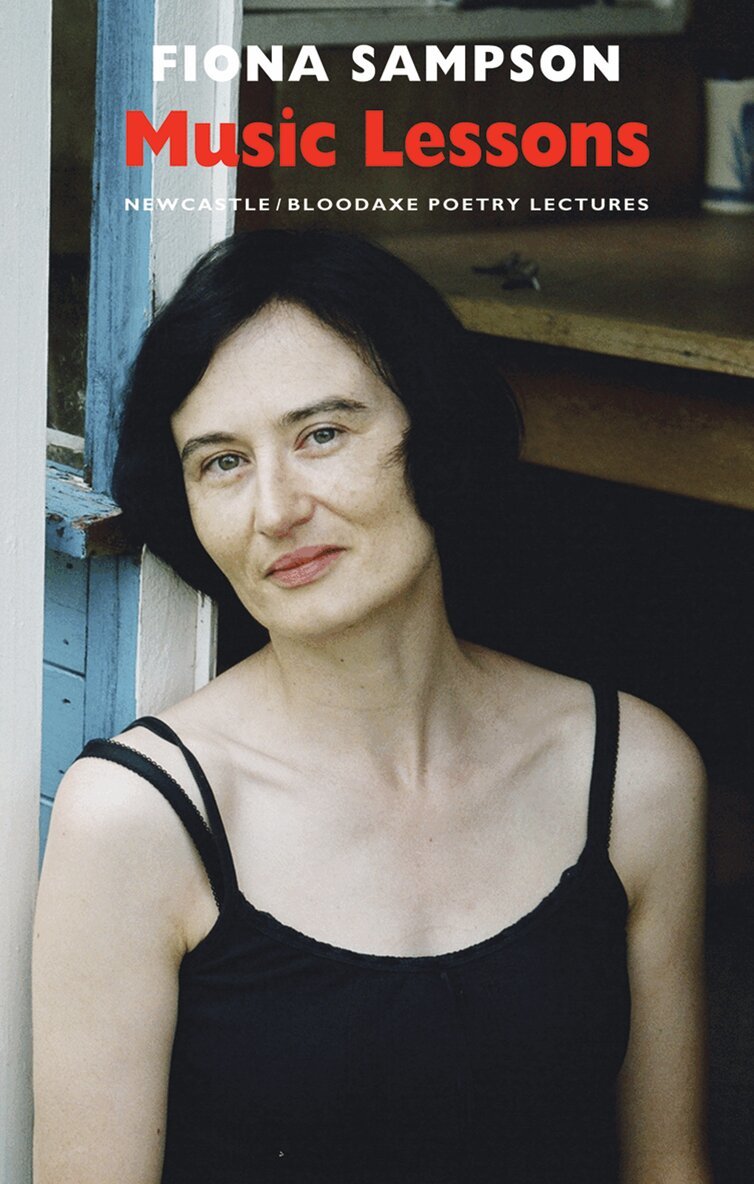
Music Lessons
Newcastle/Bloodaxe Poetry Lectures
Häftad, Engelska, 2011
120 kr
Skickas
In this innovative series of public lectures at Newcastle University, leading contemporary poets speak about the craft and practice of poetry to audiences drawn from both the city and the university. The lectures are then published in book form by Bloodaxe, giving readers everywhere the opportunity to learn what the poets themselves think about their own subject. It's almost a cliche that music and poetry are cousins, and that the term lyric names this cousinship. Yet the actual forms music takes within poetry are unclear, even contested. At the same time, our assumptions about these forms condition the ways we hear poetry. So it's useful to us as both readers and writers to discover where the analogies between music and poetry are. Fiona Sampson's Music Lessons outlines some of these, using ideas and examples from Martin Heidegger to J.S. Bach, Emily Dickinson to Leonard Cohen, and George Herbert to Julia Kristeva. Her first lecture, Point Counter-point, uses melody to suggest a link between poetic line, phrase and breath. Here is my space explores how pureA", abstract forms can be created in time in the same way that they are created in space. Finally, How strange the change looks at sensuous apprehension and the pleasure principle.
Del 12 - Newcastle/Bloodaxe Poetry Series
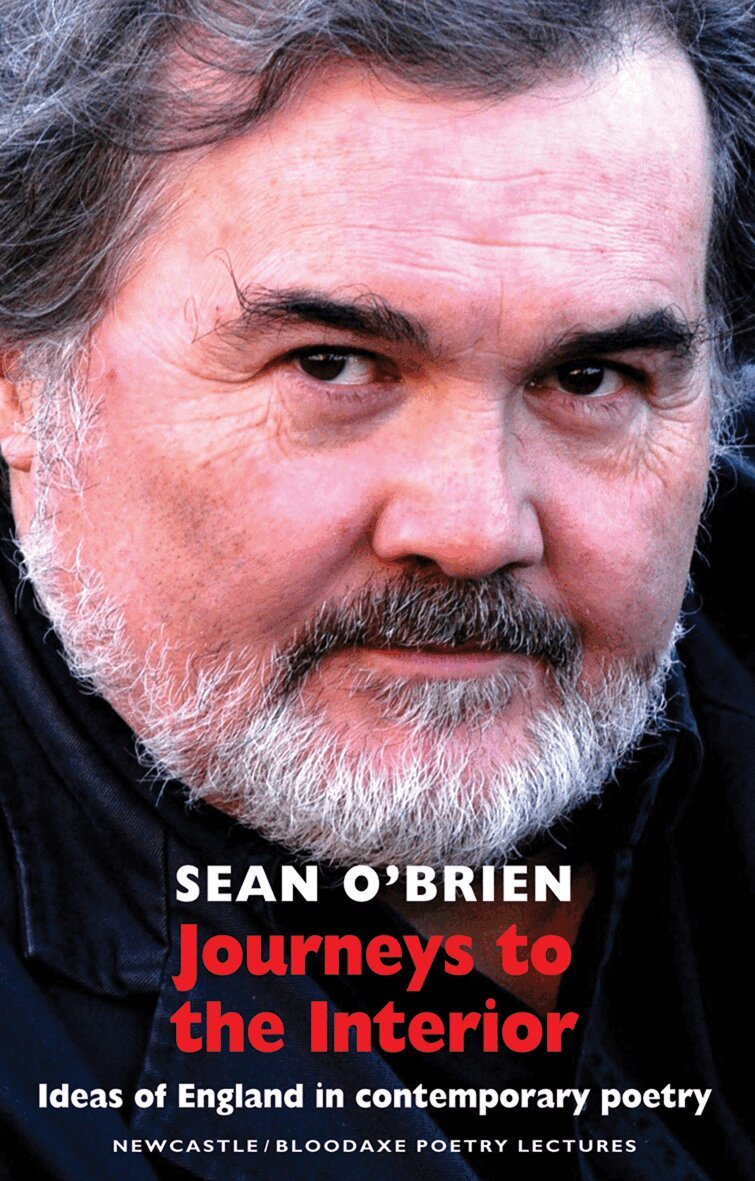
Journeys to the Interior
Ideas of England in contemporary poetry: Newcastle/Bloodaxe Poetry Lectures
Häftad, Engelska, 2012
120 kr
Skickas inom 11-20 vardagar
In this innovative series of public lectures at Newcastle University, leading contemporary poets speak about the craft and practice of poetry to audiences drawn from both the city and the university. The lectures are then published in book form by Bloodaxe, giving readers everywhere the opportunity to learn what the poets themselves think about their own subject. Where and what is the England in which we imagine we live? How do we authenticate this never-to-be-finished project? What are its imaginative origins, and how do contemporary poets stand in relation to those predecessors such as Eliot, Auden, Larkin and Hughes whose imaginary Englands have left such an imprint on the culture? Journeys to the Interior considers the work of a range of contemporary poets, including Peter Didsbury, Carol Ann Duffy, Paul Farley, Roy Fisher, Daljit Nagra, Jo Shapcott and George Szirtes, examining areas of dissent and signs of affirmation. Can England be seen as, in Langland's words, 'a fair field full of folk'? Is Englishness a matter of 'complicated shame', as Jo Shapcott put it? How do those born elsewhere who have made their homes here describe the experience of England? And if, as Auden said, 'all the poet can do is warn', what warning signs are poets receiving and transmitting in this period of doubt and anxiety?