Off-Centre: New Perspectives on Public Issues - Böcker
Visar alla böcker i serien Off-Centre: New Perspectives on Public Issues. Handla med fri frakt och snabb leverans.
2 produkter
2 produkter
183 kr
Skickas inom 11-20 vardagar
When it comes to water, we are fed a daily diet of doom and gloom, of a looming crisis: wars of the future will be over water; nearly one-billion people lack access to clean water; river basins are closed so there is no more water to be allocated despite ever-growing demand; aquifers are overdrawn to such an extent that a global food crisis is just around the corner and major cities, such as Bangkok and Mexico, are sinking. And let us not forget about pollution or vector-borne diseases. The challenges for sustainable water management are massive. Yet, as shown in this book, there are many positives to be drawn from the southern African experience. Despite abiding conditions of economic underdevelopment and social inequality, people rise to the challenge, oftentimes out of necessity and through self-help, but sometimes through creative coalitions operating at different scales – from the local to the global – and across issue areas – from transboundary governance to urban water supply. This first volume in the Off-Centre series argues that we must learn to see water and the region differently if we are to meet present challenges and better prepare for an uncertain, climate-changing future.
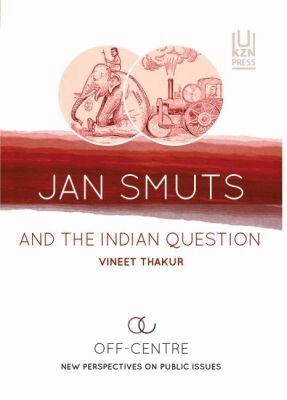
Jan Smuts and the Indian Question
Off centre: New perspectives on public issues
Häftad, Engelska, 2017
189 kr
Tillfälligt slut
As the only surviving statesman of the Paris Peace Conference of 1919, Jan Smuts arrived for the first session of the United Nations in New York in 1946 to celebratory chants. His departure, a month and a half later, was terrifyingly dissimilar. The ‘counsellor of nations’ left a dejected man, with his honour, power and glory severely dented. The tragedy that befell Smuts’ international swansong was an Indian delegation, which, as Smuts bemoaned, used his own words against himself and showed him to be a hypocrite. This was eerily similar to a diplomatic onslaught Smuts had faced between 1917 and 1923 at the hands of another set of little-known Indian diplomats. Through these episodic histories, this book chronicles the ambivalent cosmopolitanism of Jan Smuts.