Our Own Words - Böcker
Visar alla böcker i serien Our Own Words. Handla med fri frakt och snabb leverans.
4 produkter
4 produkter
380 kr
Skickas inom 3-6 vardagar
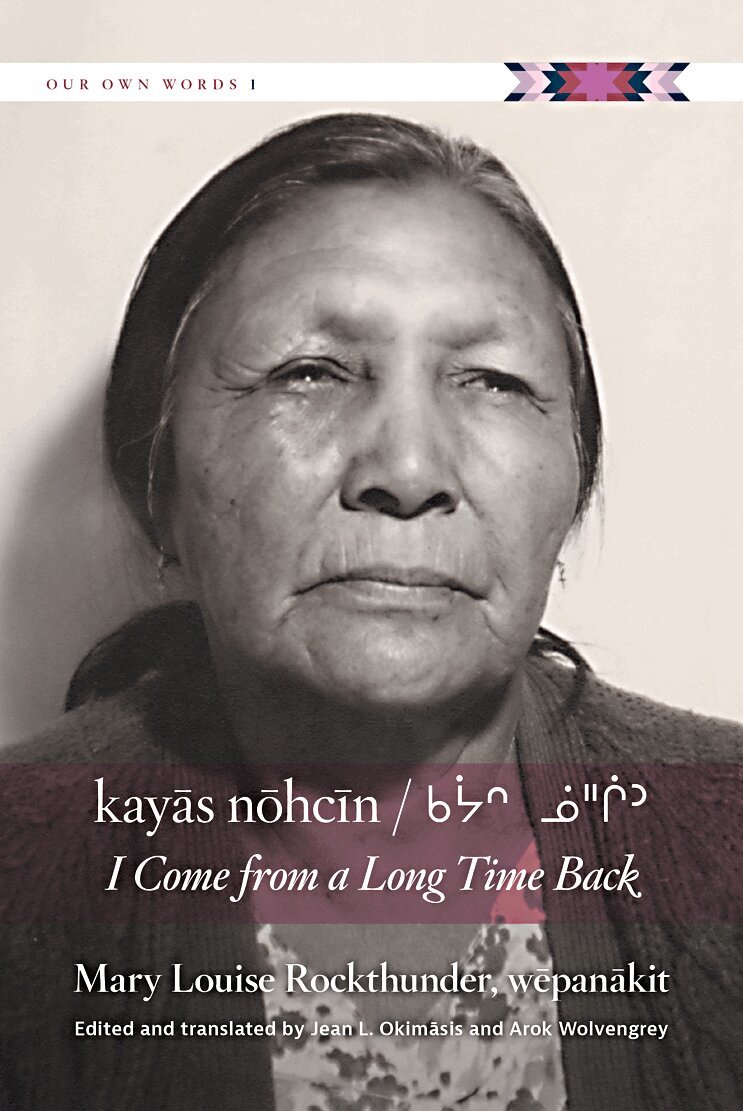
Mary Louise (née Bangs) Rockthunder, wêpanâkit , was an Elder of Cree, Saulteaux, and Nakoda descent. Born in 1913, raised and married at nēhiyawipwātināhk / Piapot First Nation, Mary Louise, a much-loved storyteller, speaks of her memories, stories, and knowledge, revealing her personal humility and her deep love and respect for her family and her nêhiyawêwin language and culture. The recordings that are transcribed, edited, and translated for this book are presented in three forms: Cree syllabics, standard roman orthography (SRO) for Cree, and English. A full Cree-English glossary concludes the book, providing an additional resource for those learning the nêhiyawêwin language.
1 397 kr
Skickas inom 3-6 vardagar
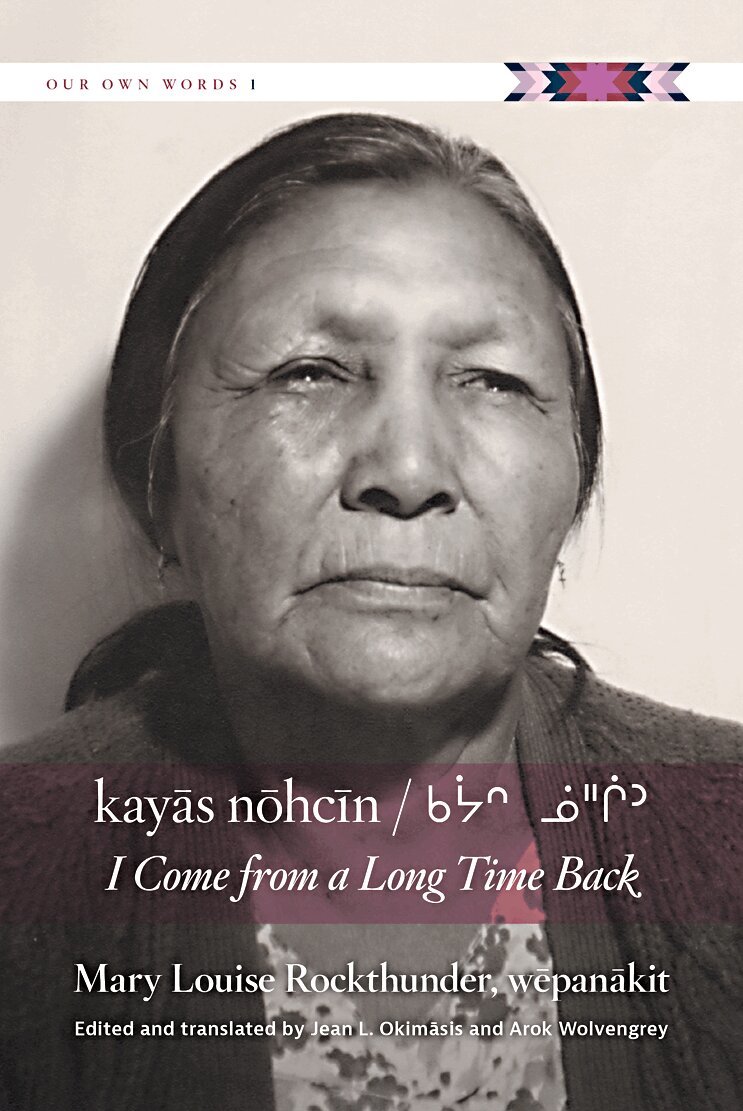
Mary Louise (née Bangs) Rockthunder, wêpanâkit , was an Elder of Cree, Saulteaux, and Nakoda descent. Born in 1913, raised and married at nēhiyawipwātināhk / Piapot First Nation, Mary Louise, a much-loved storyteller, speaks of her memories, stories, and knowledge, revealing her personal humility and her deep love and respect for her family and her nêhiyawêwin language and culture. The recordings that are transcribed, edited, and translated for this book are presented in three forms: Cree syllabics, standard roman orthography (SRO) for Cree, and English. A full Cree-English glossary concludes the book, providing an additional resource for those learning the nêhiyawêwin language.
424 kr
Skickas inom 3-6 vardagar
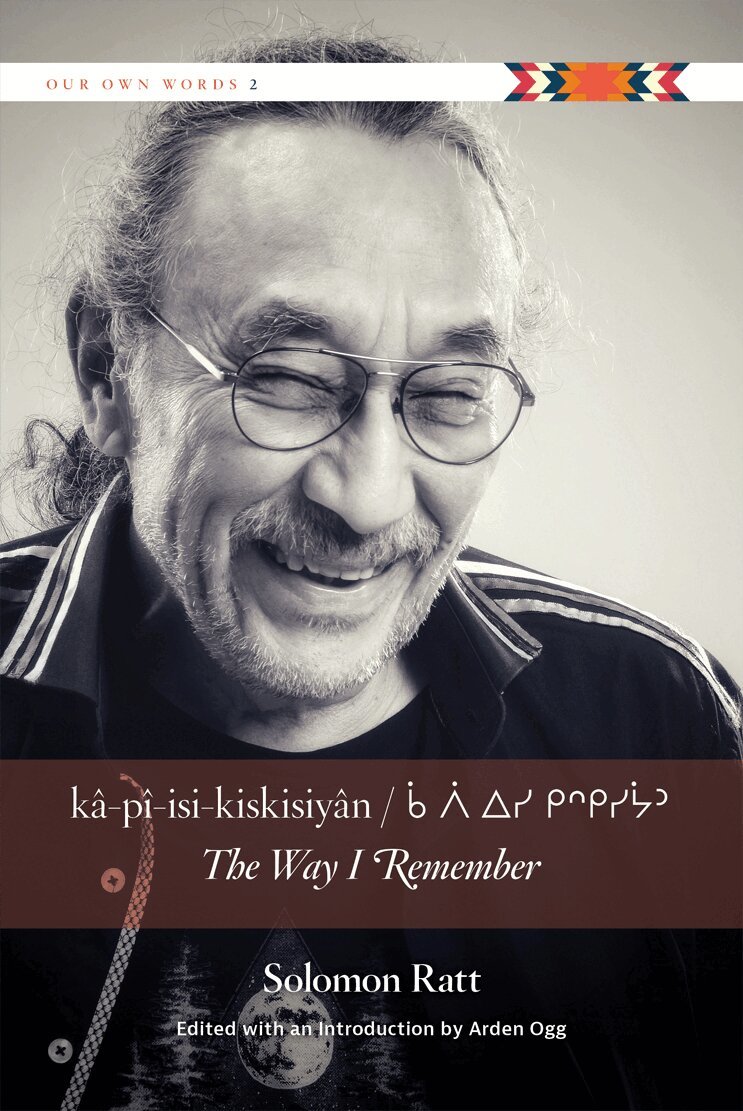
A residential school survivor finds his way back to his language and culture through his family's traditional stories. When reflecting on forces that have shaped his life, Solomon Ratt says his education was interrupted by his schooling. Torn from his family at the age of six, Ratt was placed into the residential school system—a harsh, institutional world, operated in a language he could not yet understand, far from the love and comfort of home and family. In kâ-pî-isi-kiskisiyân / ᑳ ᐲ ᐃᓯ ᑭᐢᑭᓯᔮᐣ / The Way I Remember It , Ratt reflects on these memories and the life-long challenges he endured through his telling of âcimisowin —autobiographical stories—and also traditional tales. Written over the course of several decades, Ratt describes his life before, during, and after residential school. In many ways, these stories reflect the experience of thousands of other Indigenous children across Canada, but Ratt's stories also stand apart in a significant way: he managed to retain his mother language of Cree by returning home to his parents each summer despite the destruction wrought by colonialism. Ratt then shifts from the âcimisowina (personal, autobiographical stories) to âcathôhkîwina , (sacred stories) the more formal and commonly recognized style of traditional Cree literature, to illustrate how, in a world uninterrupted by colonialism and its agenda of genocide, these traditional stories would have formed the winter curriculum of a Cree child's education. Presented in Cree Th-dialect Standard Roman Orthography, syllabics, and English, Ratt's reminiscences of residential school escapades almost always end with a close call and a smile. Even when his memories are dark, Ratt's particularly Cree sense of humour shines, making kâ-pî-isi-kiskisiyân / ᑳ ᐲ ᐃᓯ ᑭᐢᑭᓯᔮᐣ / The Way I Remember It an important and unique memoir that emphasizes and celebrates Solomon Ratt's perseverance and life after residential school.
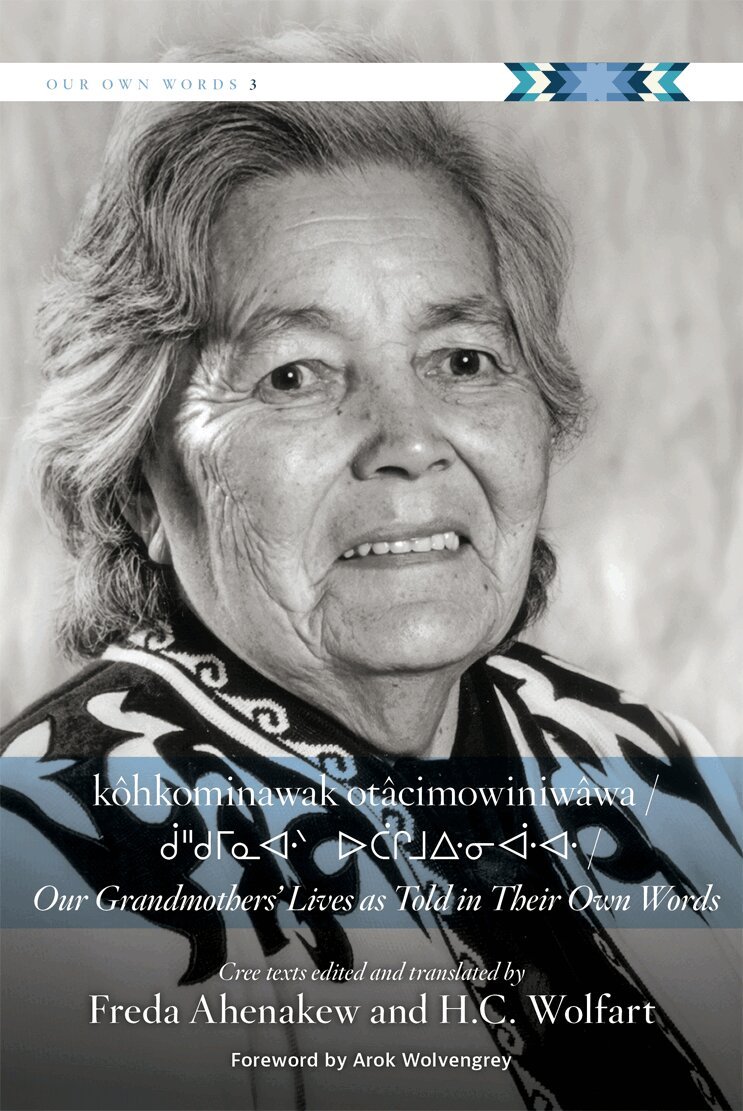
kôhkominawak otâcimowiniwâwa / Our Grandmothers' Lives As Told in Their Own Words
Häftad, Engelska, 2023
216 kr
Skickas inom 11-20 vardagar
The 25th anniversary of a historically significant collection, presented in Cree and English.kôhkominawak otâcimowiniwâwa / Our Grandmothers' Lives As Told in Their Own Words is a collection of reminiscences and personal stories from the daily lives of seven Cree women over the past century, presented here in Cree and English. Recorded in their own language, these women share their memories of their lives and the history of their peoples, describing activities such as household chores, snaring rabbits and picking berries, going to school, marriage, bearing and raising children, and providing insights into the traditional teachings of a society in which the practical and spiritual are never far apart.