Oxford American Respiratory Library - Böcker
Visar alla böcker i serien Oxford American Respiratory Library. Handla med fri frakt och snabb leverans.
2 produkter
2 produkter
390 kr
Skickas inom 5-8 vardagar
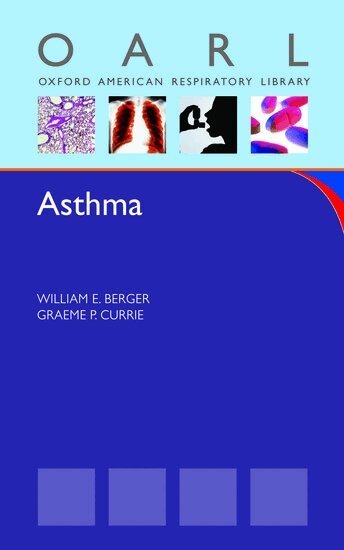
Asthma is a common chronic inflammatory condition affecting the airways and displays a varied phenotypic picture. It is becoming increasingly recognized by healthcare workers and epidemiological studies suggest that along with other atopic diseases, its prevalence is rising. The precise etiology of asthma remains uncertain, but genetic and environmental factors such as viruses, country of origin, allergen exposure, early use of antibiotics, and numbers of siblings have all been implicated in its inception and development. Pathologically it is characterized by inflammation, physiologically by airway hyper-responsiveness (or hyper-reactivity) resulting in reversible airflow obstruction, and clinically by wheeze, chest tightness, breathlessness and cough. It can present in early childhood as well as adulthood, and varies markedly in severity, clinical course, subsequent disability and response to treatment. Exacerbations and symptoms of asthma are the final manifestation of a complex interplay between an array of inflammatory cells and mediators, which cause airway smooth muscle to intermittently relax and contract. Despite greater knowledge surrounding the immunopathological origins of asthma and considerable advances in its management, it remains one of the most important chronic diseases in young adults and poses a significant degree of morbidity throughout all age groups. A minority of patients experience difficulty in controlling asthma and pose significant therapeutic difficulties in specialist clinics. Exacerbations of asthma contribute to significant costs for healthcare systems and are implicated in adversely affecting the quality of life of individuals and their families. Moreover, although asthma deaths have decreased over the past few decades, an appreciable number of deaths still occur each year. Regular anti-inflammatory therapy with inhaled corticosteroids is required in all but the mildest of disease and attenuates underlying airway inflammation and hyper-responsiveness, while bronchodilators are designed to relax airway smooth muscle and prevent bronchoconstriction on exposure to bronchoconstrictor stimuli. Other forms of treatment are required in individuals with persistent symptoms and exacerbations. In recent years several potentially exciting treatments have emerged and are in varying degrees of development.Part of the new Oxford American Respiratory Library, this concise, portable guide provides an essential reference on current, evidence-based medical approaches to diagnosing and managing asthma. This practical volume features chapters on the pathophysiology of the disease with information on the common symptoms and potential triggers. In addition, the text includes discussions of new and emerging pharmacotherapies and complementary treatment therapies, with guidelines for symptom prevention.
485 kr
Skickas inom 7-10 vardagar
Characterized by chronic widespread pain, fibromyalgia presents complex problems in both its diagnosis and treatment. Fibromyalgia is a fairly common condition, affecting 2-4% of the population. The condition's prevalence has increased dramatically since 1990. The condition is not new, but has been known by various names, such as fibrositis and myofascial pain syndrome until 1990, when the American College of Rheumatology (ACR) published new classification criteria and first used the name fibromyalgia. The absence of objective diagnostic testing and the overlap with other condition often leads to a significant delay in diagnosis. There is a general misconception that the condition is unresponsive to treatment. However, published research shows that diagnosing and managing fibromyalgia leads to meaningful improvement in the patient's symptons and quality of life.Patients with fibromyalgia often demonstrate symptons additional to pain and are consquently diagnosed with one or more co-occurring syndromes and conditions, complicating diagnosis and treatment. The comorbidities most commonly associated wtih fibromyalgia are sleep disturbance, depression, anxiety, and other psychiatric disorders. Another condition frequently demonstrated by fibromylgia patients is irritable bowel syndrome. Chronic fatigue syndrome also commonly co-occurs, and is often confused wtih fibromyalgia upon initial diagnosis. Numerous pharmacological therapy options exist to treat pain and related symptons of fibromyalgia. Achievement of desired treatment outcomes requires careful patient selection, drug administration and monitoring. Accurate diagnosis of chronic pain syndromes is critical, as some commonly used medications to treat many pain conditions are relatively ineffective wtih fibromyalgia.Despite increasing recognition as a relatively common cause of chronic pain, fibromyalgia continues to generate controversy among clinicians. Given the intricate and challenging nature of treating fibromyalgia and comorbid disorders, it is imperative to educate primary care providers on the initial symptons, complications, and treatment strategies for fibromyalgia, as most patients with the condition will see a primary care provider for initial diagnosis/referral, and follow-up-care. In the years since the release of the ACR criteria, increasing recognition and advances in research have provided key insights into the etiology of fibromyalgia, resulting in the use of several successful pharmacological, as well as non-pharmacological, treatment approaches. However, despite the efforts of professional medical organizations and patient care groups, awareness of the current state of clinical assessment and treatment of fibromyalgia by healthcare professionals continues to be lacking.This book is designed to provide a succint and practical guide to help primary care physicians, internists, specialists, and allied health professionals effectively diagnose and manage patients with fibromyalgia. This concise volume will provide an essential understanding of the pathophysiology of the pain, subtypes, and pitfalls in the diagnosis of this chronic condition.