Oxford Studies in Disability Ethics and Society - Böcker
Visar alla böcker i serien Oxford Studies in Disability Ethics and Society. Handla med fri frakt och snabb leverans.
4 produkter
4 produkter
2 025 kr
Skickas inom 3-6 vardagar
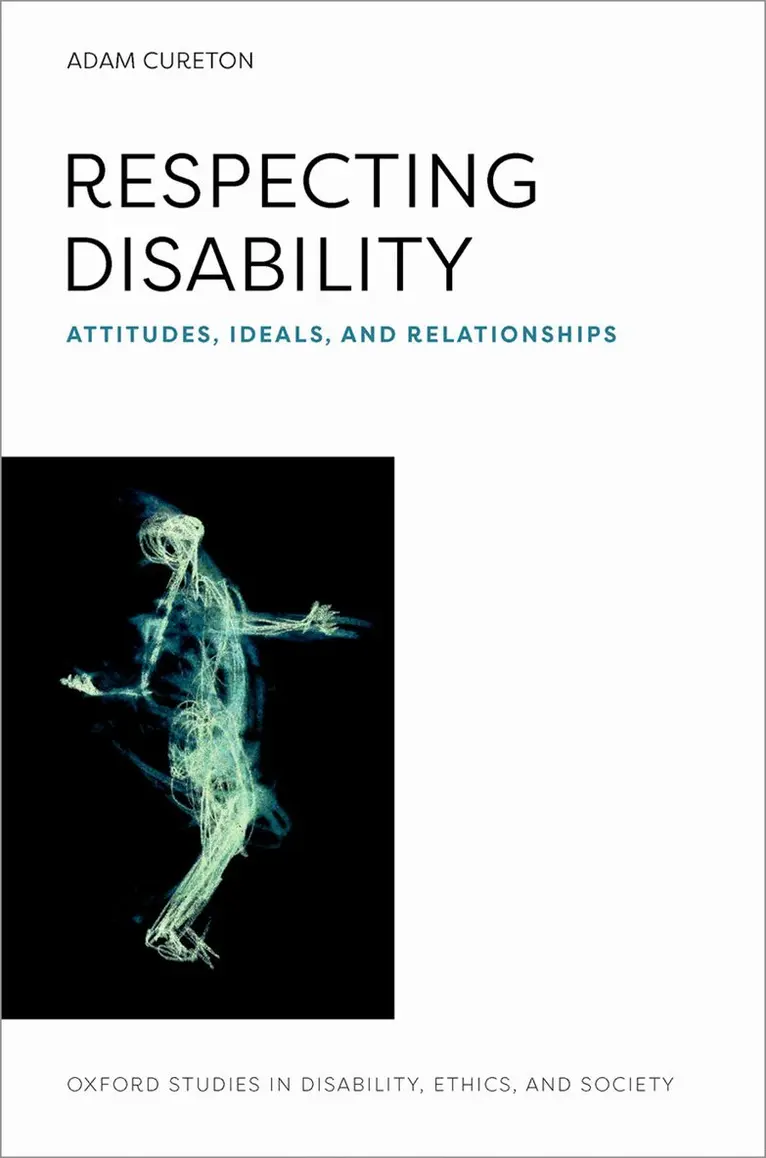
Proper treatment of people with disabilities should not incur any head scratching. Yet for many, it requires a multifaceted and thoroughly considered approach. Respecting people with disabilities can involve a plethora of considerations and approaches to social relations and care: how we interact with them in interpersonal contexts, what kinds of attitudes we have toward them, how we relate with them, and how people with disabilities regard and treat ourselves. Drawing on the author's own perspective and experiences as a disabled person, Adam Cureton emphasizes the importance of relationships, ideals, virtues, and attitudes in how we approach ethical issues that concern disability, and explores the nature and moral importance of respect for people with disabilities and of respect for ourselves. The book explores ways to understand and evaluate one's own disability and how to maintain one's self-respect in the face of disparaging social pressures. It also addresses unique moral challenges that disabled people face and characterizes some guiding moral ideals of self-respect for navigating these complex situations. Cureton emphasizes the importance of expressing respect for disabled people. By distinguishing several different kinds of respect for people with disabilities, he shows how many of the common attitudes that even well-meaning people have towards those with disabilities are complicated and morally problematic. Through these intricacies, he charts a nuanced path forward. This book speaks to disabled people and others with experience of disability to help people understand and evaluate the many ways we can properly respect disability.
319 kr
Skickas inom 5-8 vardagar
Proper treatment of people with disabilities should not incur any head scratching. Yet for many, it requires a multifaceted and thoroughly considered approach. Respecting people with disabilities can involve a plethora of considerations and approaches to social relations and care: how we interact with them in interpersonal contexts, what kinds of attitudes we have toward them, how we relate with them, and how people with disabilities regard and treat ourselves. Drawing on the author's own perspective and experiences as a disabled person, Adam Cureton emphasizes the importance of relationships, ideals, virtues, and attitudes in how we approach ethical issues that concern disability, and explores the nature and moral importance of respect for people with disabilities and of respect for ourselves. The book explores ways to understand and evaluate one's own disability and how to maintain one's self-respect in the face of disparaging social pressures. It also addresses unique moral challenges that disabled people face and characterizes some guiding moral ideals of self-respect for navigating these complex situations. Cureton emphasizes the importance of expressing respect for disabled people. By distinguishing several different kinds of respect for people with disabilities, he shows how many of the common attitudes that even well-meaning people have towards those with disabilities are complicated and morally problematic. Through these intricacies, he charts a nuanced path forward. This book speaks to disabled people and others with experience of disability to help people understand and evaluate the many ways we can properly respect disability.
1 006 kr
Kommande
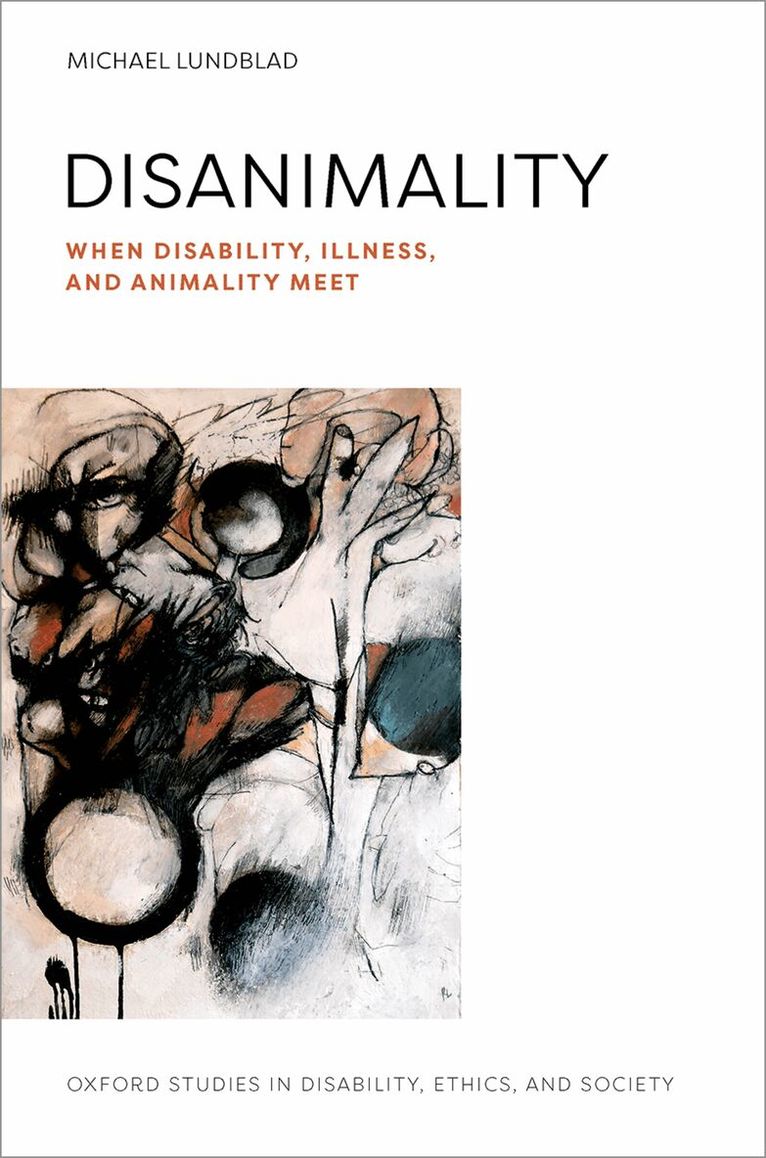
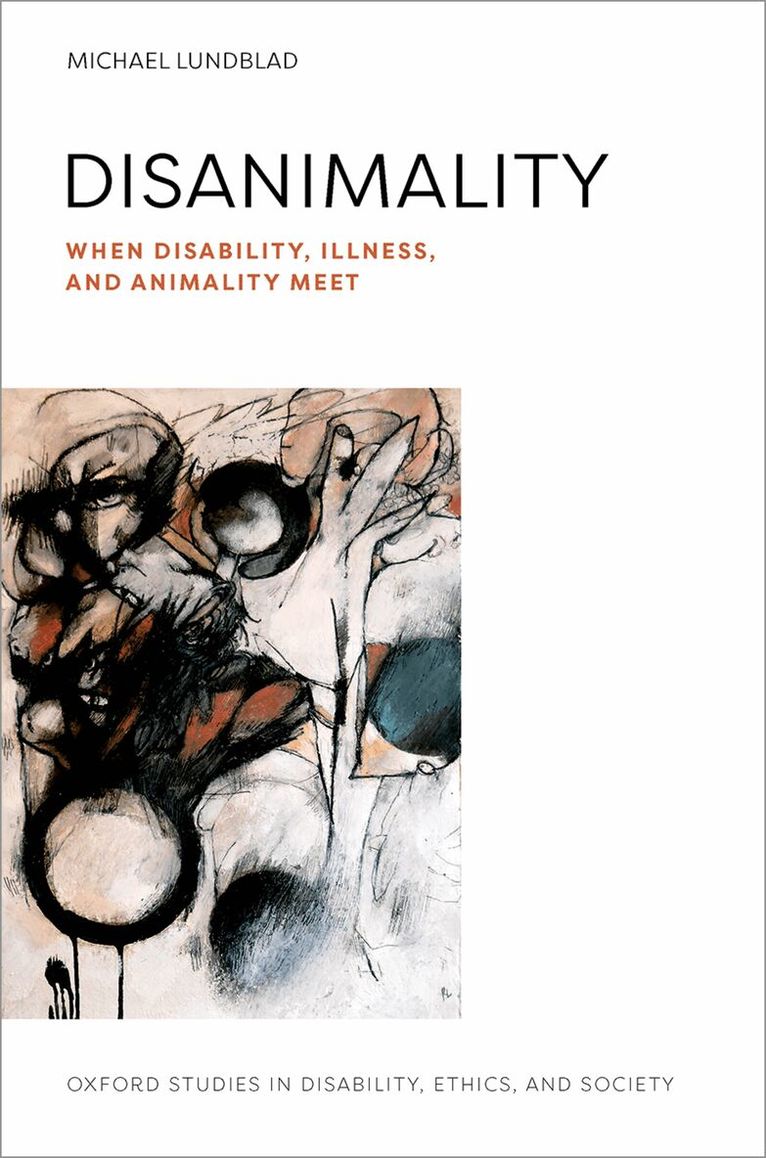
If you are an advocate for people with disabilities, should you also be vegan? How does your position on assisted suicide relate to how you think about euthanizing pets? Recent work in disability studies has called for greater engagement with animal studies, but disability activists and scholars have long been uncomfortable with comparisons between animals and people with disabilities or chronic and terminal illnesses. The long and problematic history of dehumanizing and animalizing disabled people has often led to the need to reclaim their humanity and basic human rights. What, then, should be the relationship between disability and animal rights? Disanimality reveals how certain forms of animal advocacy can lead to greater discomfort for disability activists, such as universalist calls for veganism and abolitionist animal rights. The result can be what Lundblad calls disanimality, a feeling of discomfort which can be produced when overly simplistic comparisons are made between animals and people with disabilities. Disanimality argues instead for staying with the trouble of historically and culturally situated analysis, foregrounding posthumanist approaches to both animal and disability studies in relation to contemporary novels, films, and memoirs. Closer attention to the ways that disability, illness, and animality meet can lead not only to new theoretical tools and concepts, but also better potential for coalitions between advocacy movements.
367 kr
Kommande
If you are an advocate for people with disabilities, should you also be vegan? How does your position on assisted suicide relate to how you think about euthanizing pets? Recent work in disability studies has called for greater engagement with animal studies, but disability activists and scholars have long been uncomfortable with comparisons between animals and people with disabilities or chronic and terminal illnesses. The long and problematic history of dehumanizing and animalizing disabled people has often led to the need to reclaim their humanity and basic human rights. What, then, should be the relationship between disability and animal rights? Disanimality reveals how certain forms of animal advocacy can lead to greater discomfort for disability activists, such as universalist calls for veganism and abolitionist animal rights. The result can be what Lundblad calls disanimality, a feeling of discomfort which can be produced when overly simplistic comparisons are made between animals and people with disabilities. Disanimality argues instead for staying with the trouble of historically and culturally situated analysis, foregrounding posthumanist approaches to both animal and disability studies in relation to contemporary novels, films, and memoirs. Closer attention to the ways that disability, illness, and animality meet can lead not only to new theoretical tools and concepts, but also better potential for coalitions between advocacy movements.