Palgrave Companions – serie
Visar alla böcker i serien Palgrave Companions. Handla med fri frakt och snabb leverans.
6 produkter
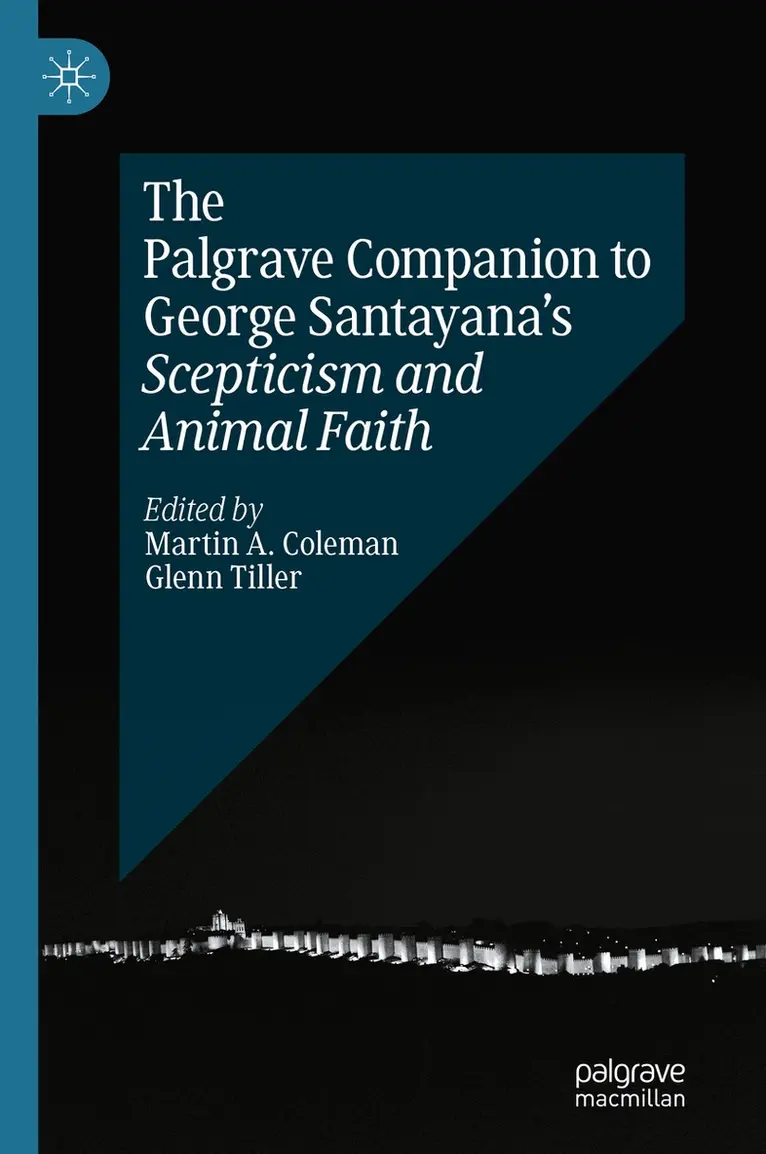
Palgrave Companion to George Santayana’s Scepticism and Animal Faith
Av Martin A. Coleman, Glenn Tiller
Inbunden, 2024
1532 kr
Lägg i varukorg
The first of its kind, this project is a collection of critical and interpretive essays on George Santayana’s seminal work in American philosophy, Scepticism and Animal Faith (1923), 100 years after its first edition. The reader will be guided through the intricacies of Scepticism and Animal Faith …
Palgrave Companion to George Santayana’s Scepticism and Animal Faith
Av Martin A. Coleman, Glenn Tiller
Häftad, 2025
1532 kr
Lägg i varukorg
The first of its kind, this project is a collection of critical and interpretive essays on George Santayana’s seminal work in American philosophy, Scepticism and Animal Faith (1923), 100 years after its first edition. The reader will be guided through the intricacies of Scepticism and Animal Faith …
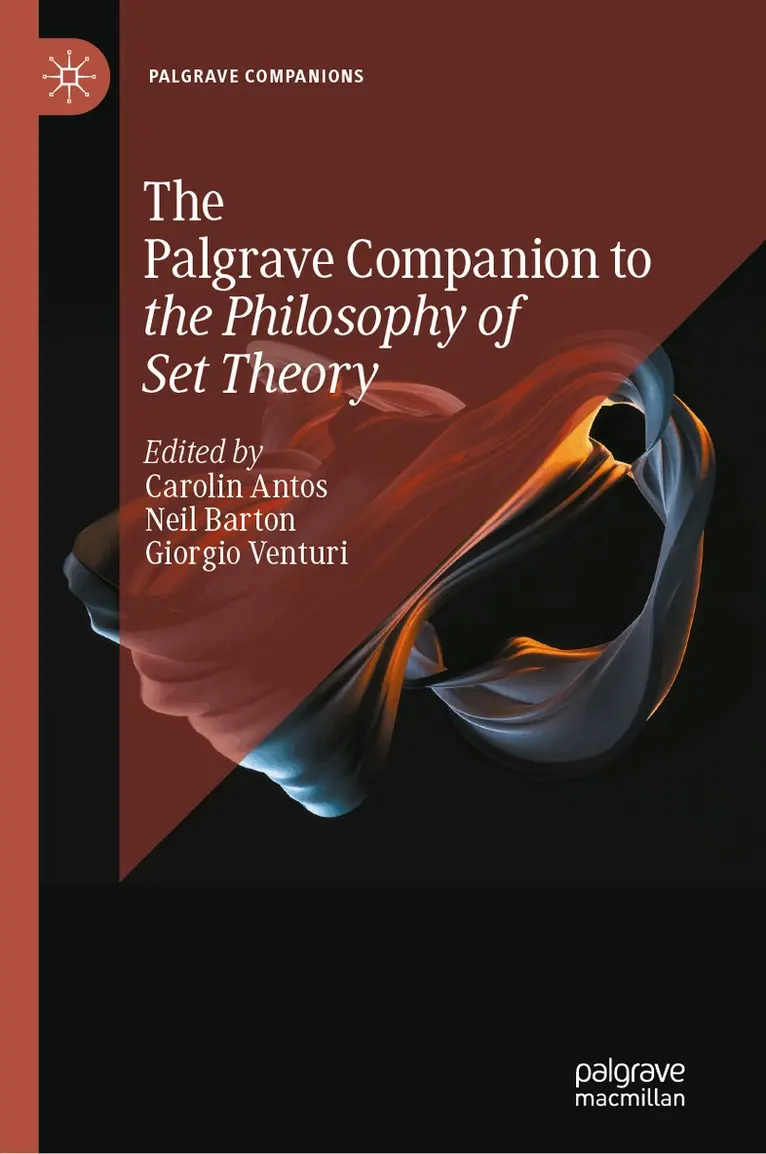
Palgrave Companion to the Philosophy of Set Theory
Av Carolin Antos, Neil Barton m. fl.
Inbunden, 2025
1641 kr
Lägg i varukorg
This volume showcases some of the up-and-coming voices of an emerging field - the philosophy of set theory - which in recent years has gained prominence in the philosophy of mathematics. The chapters in this volume both present new topics and propose solutions to old problems. It contains a broad …
Palgrave Companion to the Philosophy of Set Theory
Av Carolin Antos, Neil Barton m. fl.
Häftad, 2026
1641 kr
Lägg i varukorg
This volume showcases some of the up-and-coming voices of an emerging field - the philosophy of set theory - which in recent years has gained prominence in the philosophy of mathematics. The chapters in this volume both present new topics and propose solutions to old problems. It contains a broad …
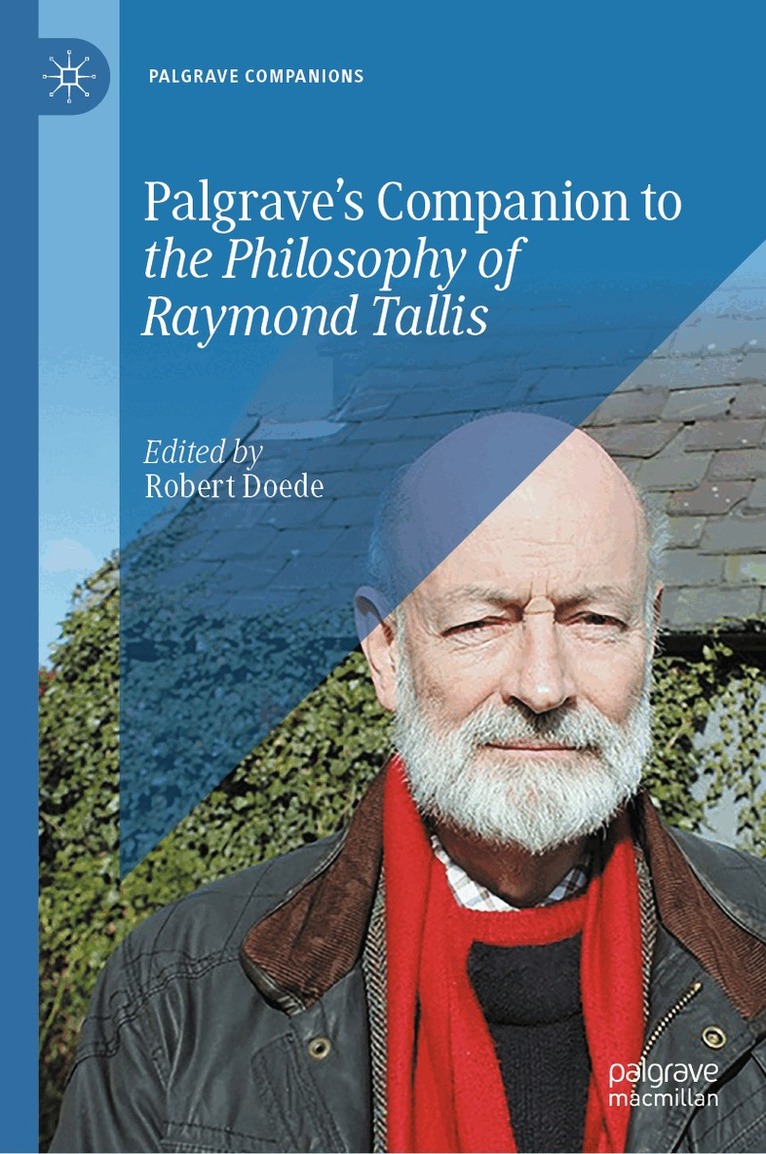
Palgrave’s Companion to the Philosophy of Raymond Tallis
Av Robert Doede
Inbunden, 2026
2035 kr
Lägg i varukorg
This Palgrave Companion brings together original essays by leading scholars to explore the multifaceted work of one of today’s most provocative thinkers. Spanning Raymond Tallis’s contributions to literary criticism, fiction, poetry, philosophy of mind, phenomenology, medical ethics, and secular …
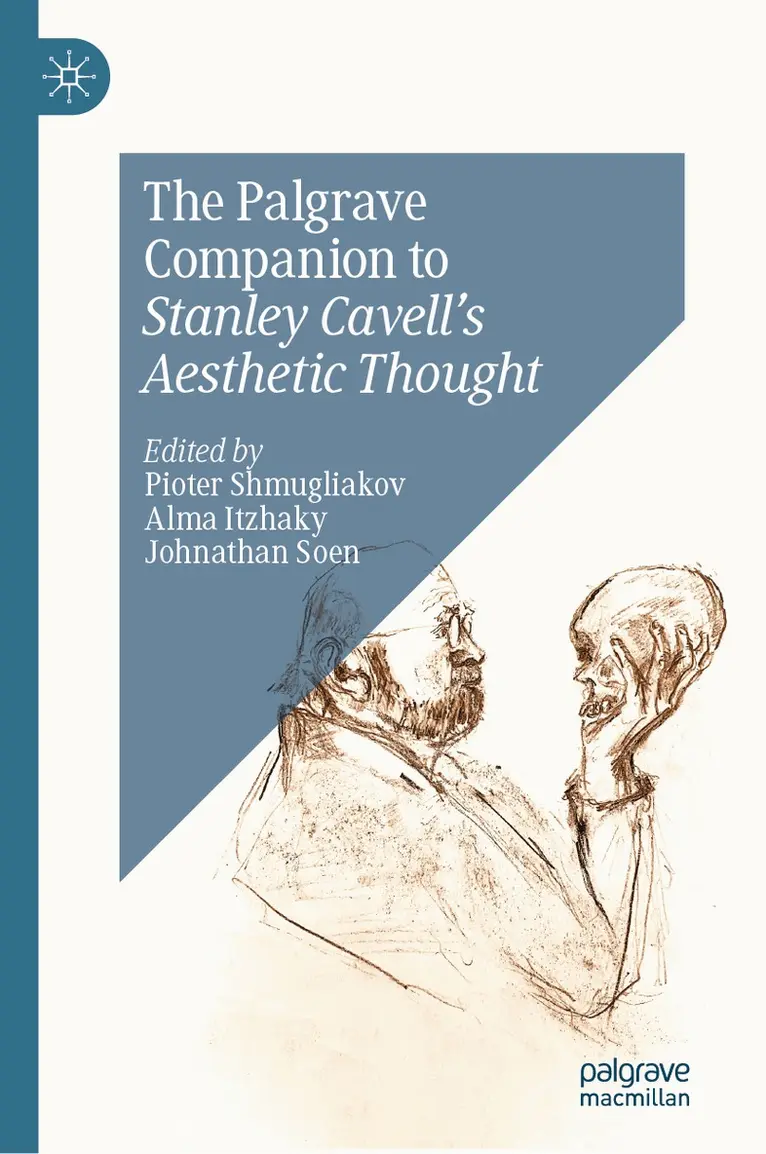
Palgrave Companion to Stanley Cavell’s Aesthetic Thought
Av Pioter Shmugliakov, Alma Itzhaky m. fl.
Inbunden, 2026
1858 kr
Lägg i varukorg
The Palgrave Companion to Stanley Cavell’s Aesthetic Thought is a collection dedicated to the intersections between Stanley Cavell’s aesthetic thought and an array of major philosophical figures: Kant, Nietzsche, Schelling, Wittgenstein, Austin, Heidegger, Benjamin, Arendt, Derrida, Diamond, …