Peace and Conflict Studies - Böcker
Visar alla böcker i serien Peace and Conflict Studies. Handla med fri frakt och snabb leverans.
8 produkter
8 produkter
1 964 kr
Skickas inom 10-15 vardagar
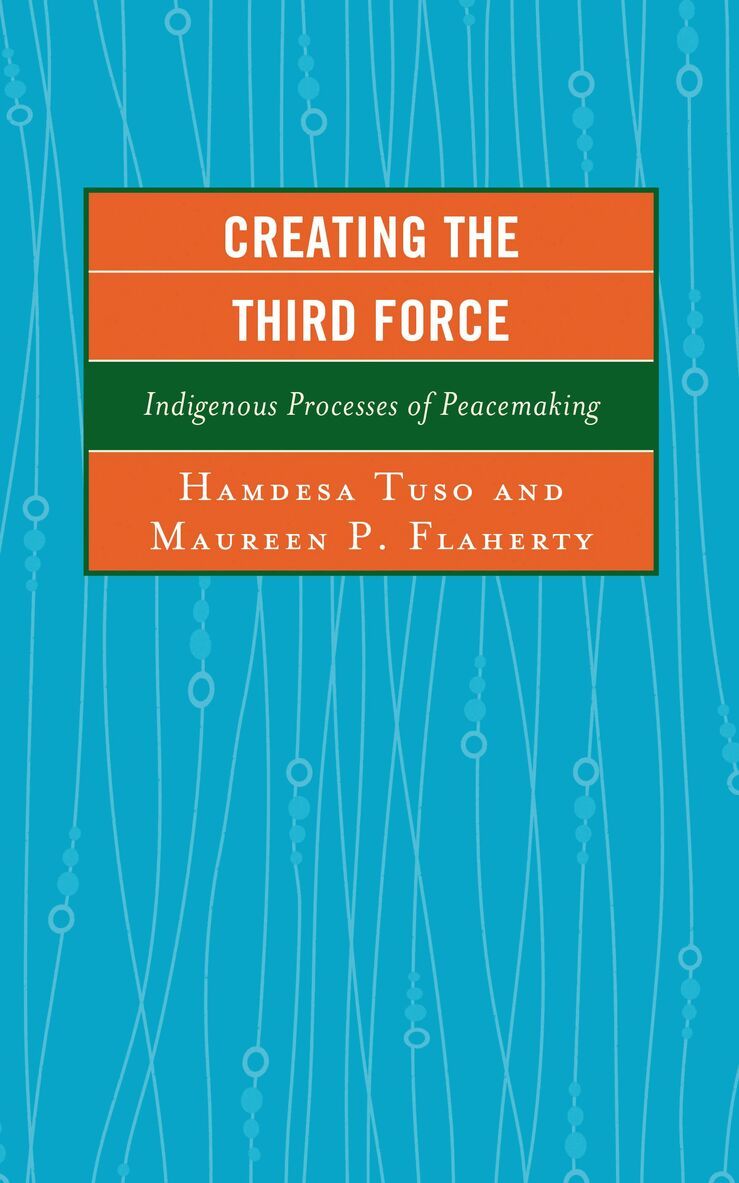
The profession of peacemaking has been practiced by indigenous communities around the world for many centuries; however, the ethnocentric world view of the West, which dominated the world of ideas for the last five centuries, dismissed indigenous forms of peacemaking as irrelevant and backward tribal rituals. Neither did indigenous forms of peacemaking fit the conception of modernization and development of the new ruling elites who inherited the postcolonial state. The new profession of Alternative Dispute Resolution (ADR), which emerged in the West as a new profession during the 1970s, neglected the tradition and practice of indigenous forms of peacemaking. The scant literature which has appeared on this critical subject tends to focus on the ritual aspect of the indigenous practices of peacemaking. The goal of this book is to fill this lacuna in scholarship. More specifically, this work focuses on the process of peacemaking, exploring the major steps of process of peacemaking which the peacemakers follow in dislodging antagonists from the stage of hostile confrontation to peaceful resolution of disputes and eventual reconciliation. The book commences with a critique of ADR for neglecting indigenous processes of peacemaking and then utilizes case studies from different communities around the world to focus on the following major themes: the basic structure of peacemaking process; change and continuity in the traditions of peacemaking; the role of indigenous women in peacemaking; the nature of the tools peacemakers deploy; common features found in indigenous processes of peacemaking; and the overarching goals of peacemaking activities in indigenous communities.
1 833 kr
Skickas inom 10-15 vardagar
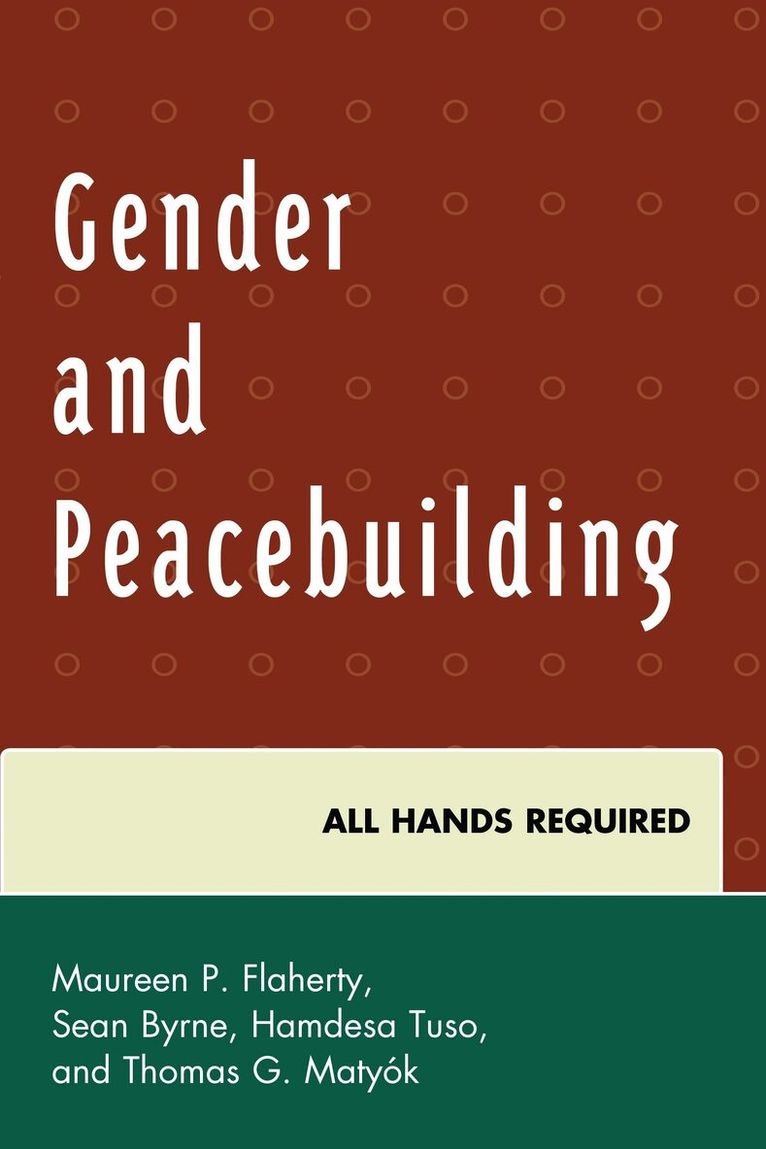
The twenty-first century has brought with it a shift from the notion of human security being located in secure national borders to the need to secure the safety, freedom, and dignity of all. Despite efforts to equalize women’s status in the world evidenced by changes in many international projects requiring a gender focus, women and men experience most of the world in very different ways according to gender. Further, the reality is that humans who do not all fall neatly into one of these categories – male or female – often find their lives further challenged.In the 1980s, Peace and Conflict Studies first began to acknowledge and study the different experiences males and females have during war and peace. Since then, there have been books about women and war, women working at grassroots levels to build peace, women and transitional justice, women and peace education, and women’s views of human security. All of these works have contributed to the discourse of our changing world.This book brings together some of those themes and voices and adds more with the final product being more than the sum of its parts. We add to the conversation a book that considers foundational/fundamental issues that span from the interpersonal to the global. Many of the chapters describe empirical research completed with author and community, shared here for the first time. Part One is a collection of case studies, documenting challenges and responses to peacebuilding by women from various parts of the world. Part Two focuses on Peace and Conflict Studies (PACS) as a discipline, examining not only what is, but also what should be taught. This section critiques today’s efforts at teaching Peace and Conflict Studies and provides suggestions of how this important work might be shared in more open and equitable ways. Part Three enters territory found even less in the PACS literature. In this section our authors confront patriarchy, engage in a discussion about the contribution queer theory makes to PACS, and tussle with the notion of inclusivity with considerations of both gender and disability. It then ends with a discussion about the contribution feminist methodologies make to PACS.
675 kr
Skickas inom 10-15 vardagar
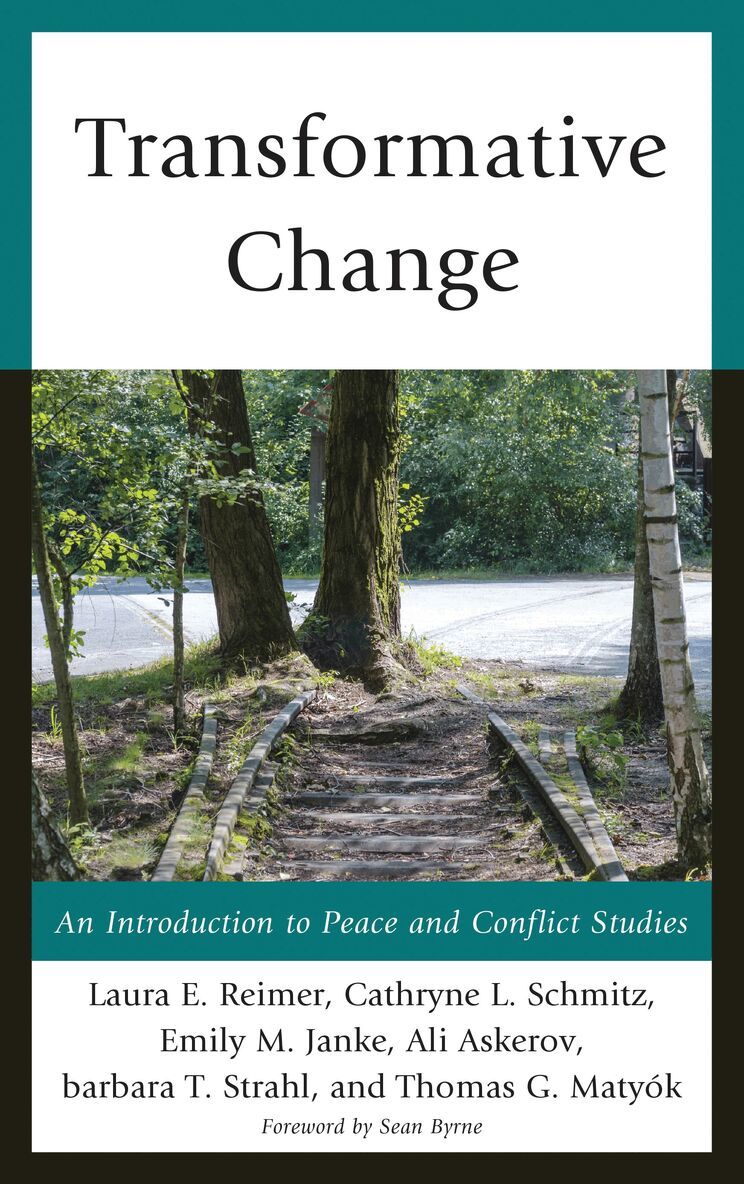
This foundational Peace and Conflict Studies text is formatted to fit inside a 14 week college/university term. The chapters are designed to provide a succinct overview of research, theory, and practice that can be supplemented with material chosen by the professor. The book introduces students to the core concepts of the field, and provides an up to date alternative to the Peace and Conflict readers. It will move from historical development of the field to the way forward into the future. Each chapter will reflect current trends and research and contain up to date examples, questions for discussion or for potential student research topics, suggested reading, and engaged teaching activities.
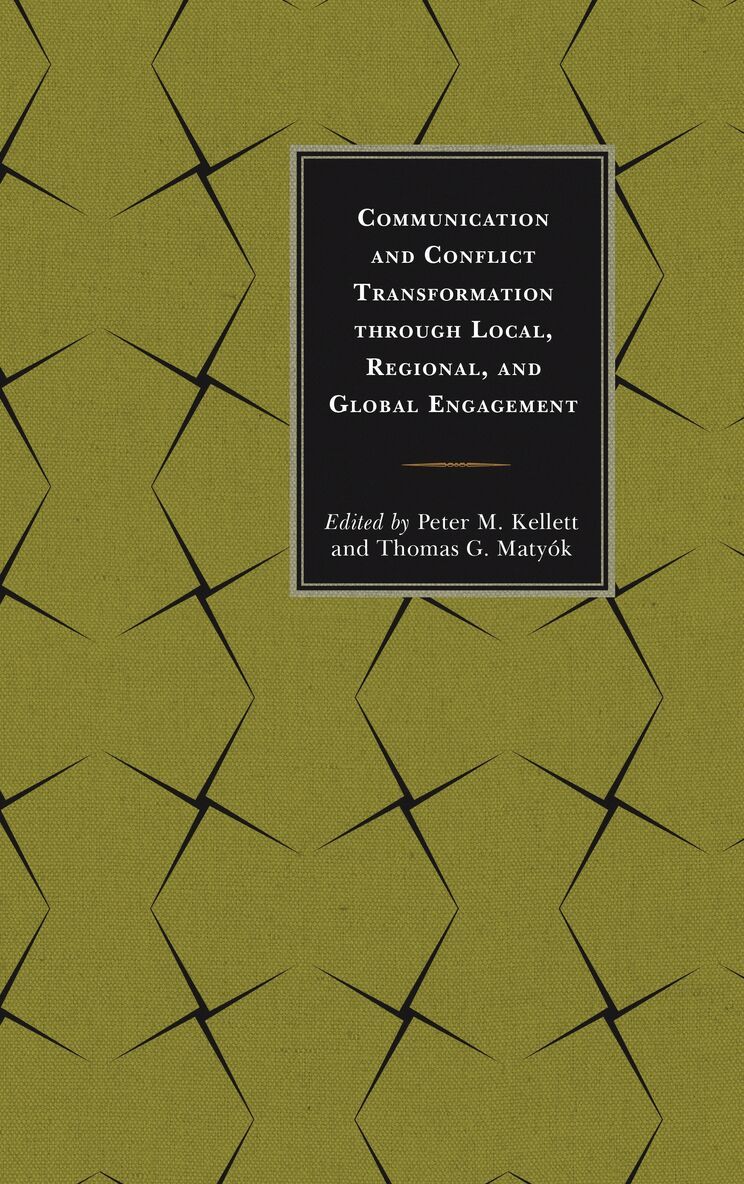
Communication and Conflict Transformation through Local, Regional, and Global Engagement
Inbunden, Engelska, 2016
1 572 kr
Skickas inom 10-15 vardagar
Central to a transformational approach to conflict is the idea that conflicts must be viewed as embedded within broader relational patterns, and social and discursive structures—and must be addressed as such. This implies the need for systemic change at generative levels, in order to create genuine transformation at the level of particular conflicts. Central, also, to this book is the idea that the origins of transformation can be momentary, or situational, small-scale or micro-level, as well as bigger and more systemic or macro-level. Micro-level changes involve shifts and meaningful changes in communication and related patterns that are created in communication between people. Such transformative changes can radiate out into more systemic levels, and systemic transformative changes can radiate inwards to more micro- levels. This book engages this transformative framework. Within this framework, this book pulls together current work that epitomizes, and highlights, the contribution of communication scholarship, and communication centered approaches to conflict transformation, in local/community, regional, environmental and global conflicts in various parts of the world. The resulting volume presents an engaging mix of scholarly chapters, think pieces, and experiences from the field of practice. The book embraces a wide variety of theoretical and methodological approaches, as well as transformative techniques and processes, including: narrative, dialogic, critical, cultural, linguistic, conversation analytic, discourse analytic, and rhetorical. This book makes a valuable contribution to the ongoing dialogue across and between disciplines and people on how to transform conflicts creatively, sustainably, and ethically.
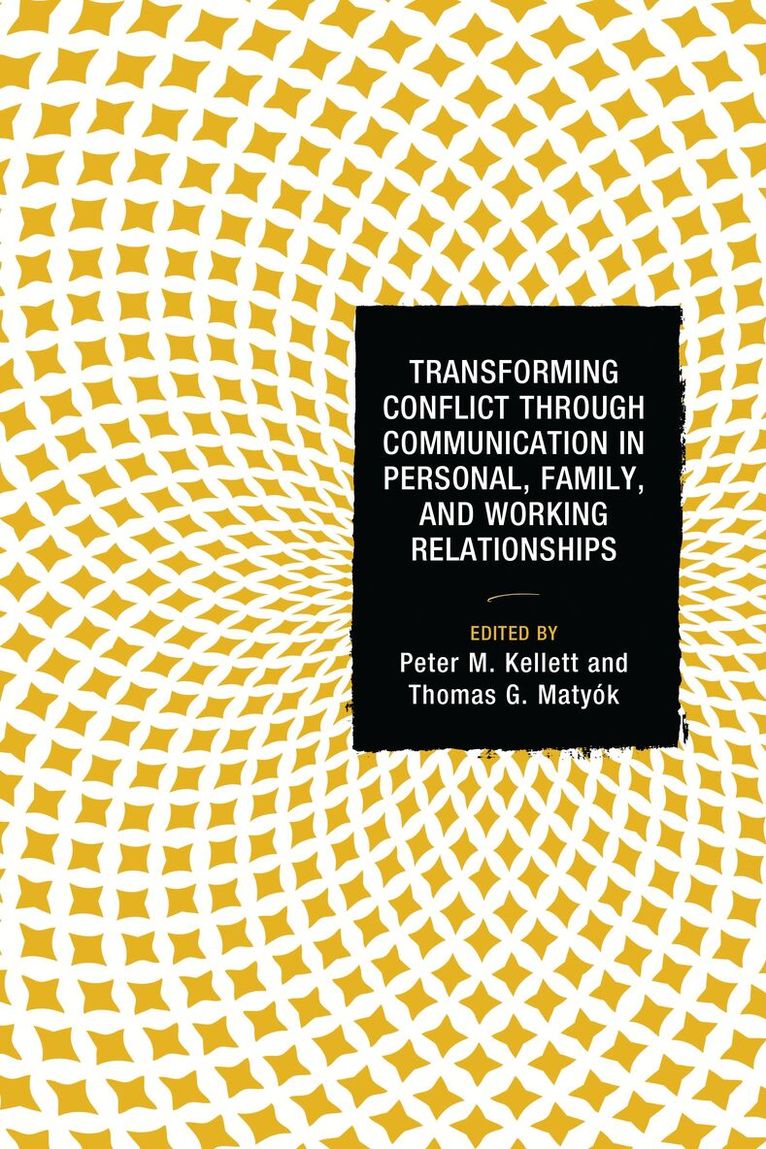
Transforming Conflict through Communication in Personal, Family, and Working Relationships
Inbunden, Engelska, 2016
1 572 kr
Skickas inom 10-15 vardagar
A transformational approach to conflict argues that conflicts must be viewed as embedded within broader relational patterns and social and discursive structures. Central to this book is the idea that the origins of transformation can be momentary, situational, and small-scale or large-scale and systemic. The momentary involves shifts and meaningful changes in communication and related patterns that are created in communication between people. Momentary transformative changes can radiate out into more systemic levels, and systemic transformative changes can radiate inward to more personal levels. This book engages this transformative framework by bringing together current scholarship that epitomizes and highlights the contribution of communication scholarship and communication-centered approaches to conflict transformation in personal, family, and working relationships and organizational contexts. The resulting volume presents an engaging mix of scholarly chapters, think pieces, and personal experiences from the field of practice and everyday life. The book embraces a wide variety of theoretical and methodological approaches, including narrative, critical, intersectional, rhetorical, and quantitative. It makes a valuable additive contribution to the ongoing dialogue across and between disciplines on how to transform conflicts creatively, sustainably, and ethically.
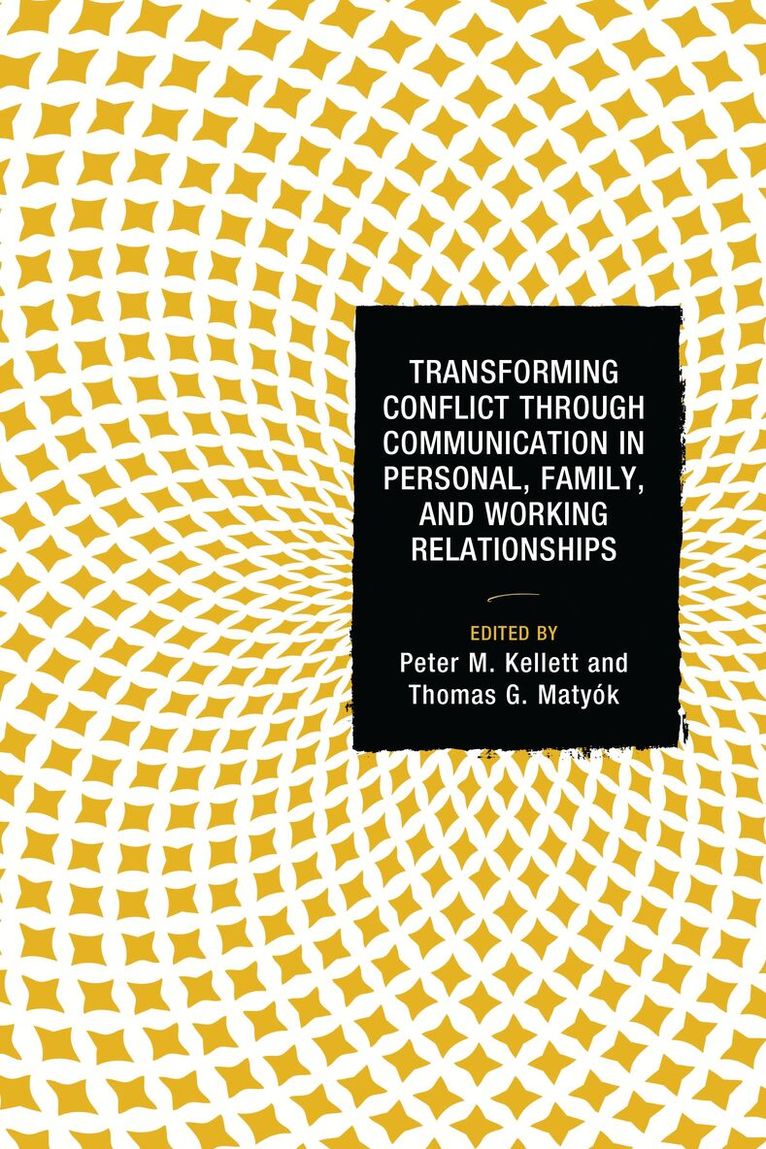
Transforming Conflict through Communication in Personal, Family, and Working Relationships
Häftad, Engelska, 2018
675 kr
Skickas inom 10-15 vardagar
A transformational approach to conflict argues that conflicts must be viewed as embedded within broader relational patterns and social and discursive structures. Central to this book is the idea that the origins of transformation can be momentary, situational, and small-scale or large-scale and systemic. The momentary involves shifts and meaningful changes in communication and related patterns that are created in communication between people. Momentary transformative changes can radiate out into more systemic levels, and systemic transformative changes can radiate inward to more personal levels. This book engages this transformative framework by bringing together current scholarship that epitomizes and highlights the contribution of communication scholarship and communication-centered approaches to conflict transformation in personal, family, and working relationships and organizational contexts. The resulting volume presents an engaging mix of scholarly chapters, think pieces, and personal experiences from the field of practice and everyday life. The book embraces a wide variety of theoretical and methodological approaches, including narrative, critical, intersectional, rhetorical, and quantitative. It makes a valuable additive contribution to the ongoing dialogue across and between disciplines on how to transform conflicts creatively, sustainably, and ethically.
1 698 kr
Skickas inom 10-15 vardagar
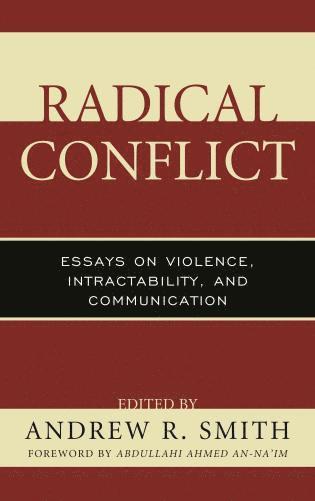
Radical Conflictaddresses conflict at interpersonal and communal, legal and rhetorical, ethnopolitical, global, and geopolitical levels. The conflicts analyzed are "radical" because in each some intense and often prolonged violence takes place. The chapters address different kinds of violence(s)—physical and gratuitous, structural and socio-economic, legal and symbolic, all with significant ill effects and injustices that spiral in all directions. All share an interest in exploring imaginatively and speculatively what can be done to attenuate such cycles of violence. The volume analyzes how recurrent narratives, mythologies, media(ted) constructions and other discourse(s) of liberal democratic and authoritarian states play a significant role in exacerbating or thwarting violence, exposing, escalating, legitimizing, rationalizing, propagating, but also possibly mitigating violence in all of its forms. Each contributor provides a critical interpretation of the status of the conflict under inquiry, including: a teacher verbally abusing and ridiculing a student then exposing it in social media; a community torn apart by environmental disaster; the incommensurate but not incommensurable conflict between Israelis and Palestinians; the Muslim Brotherhood and the militarized state(s) of Egypt and Libya; urban discourses in cyberspace among Moroccan and Maghreb youth that have become counter-signifying publics against oppression of the state; the role of media and violence in Zimbabwe's political struggle; the impact of the Circassian diaspora in global politics especially in the United States; India's soft power approach to the Kashmir conflict as a way to capitalize on it through tourism; the agonistic discourses that pervade the conflict over the Sahara and deprive Sahrawi people of rights; and how the liberal state is implicated in the gratuitous violence of ISIL. The volume also offers a section on the rhetoric of exclusionary laws associated with intractable conflicts of the abortion conflict, the right to die controversy, and a Burkean perspective on violence in Bangladesh. Contributors suggest what can be done conceptually and politically to mitigate and end violations of those who are most vulnerable, banished, forgotten, damaged, and often silenced.
742 kr
Skickas inom 10-15 vardagar
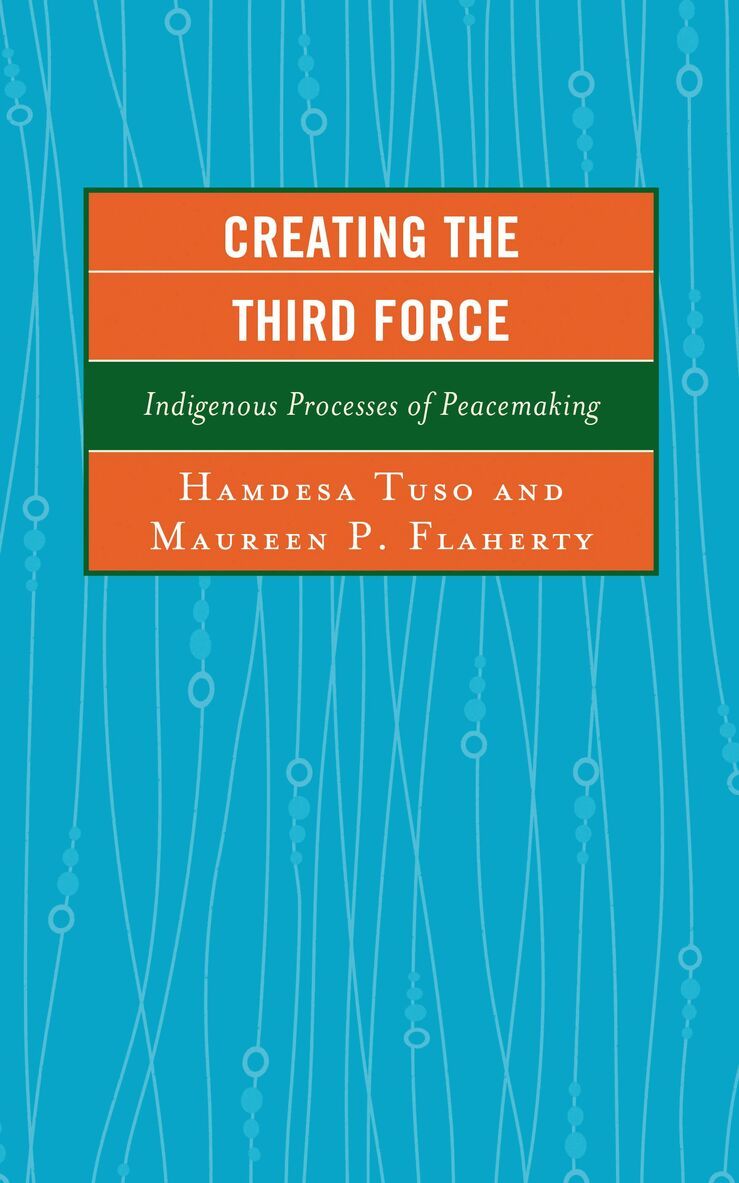
The profession of peacemaking has been practiced by indigenous communities around the world for many centuries; however, the ethnocentric world view of the West, which dominated the world of ideas for the last five centuries, dismissed indigenous forms of peacemaking as irrelevant and backward tribal rituals. Neither did indigenous forms of peacemaking fit the conception of modernization and development of the new ruling elites who inherited the postcolonial state. The new profession of Alternative Dispute Resolution (ADR), which emerged in the West as a new profession during the 1970s, neglected the tradition and practice of indigenous forms of peacemaking. The scant literature which has appeared on this critical subject tends to focus on the ritual aspect of the indigenous practices of peacemaking. The goal of this book is to fill this lacuna in scholarship. More specifically, this work focuses on the process of peacemaking, exploring the major steps of process of peacemaking which the peacemakers follow in dislodging antagonists from the stage of hostile confrontation to peaceful resolution of disputes and eventual reconciliation. The book commences with a critique of ADR for neglecting indigenous processes of peacemaking and then utilizes case studies from different communities around the world to focus on the following major themes: the basic structure of peacemaking process; change and continuity in the traditions of peacemaking; the role of indigenous women in peacemaking; the nature of the tools peacemakers deploy; common features found in indigenous processes of peacemaking; and the overarching goals of peacemaking activities in indigenous communities.