Pevsner Architectural Guides: Buildings of Ireland – serie
Visar alla böcker i serien Pevsner Architectural Guides: Buildings of Ireland. Handla med fri frakt och snabb leverans.
5 produkter
5 produkter
522 kr
Skickas inom 7-10 vardagar
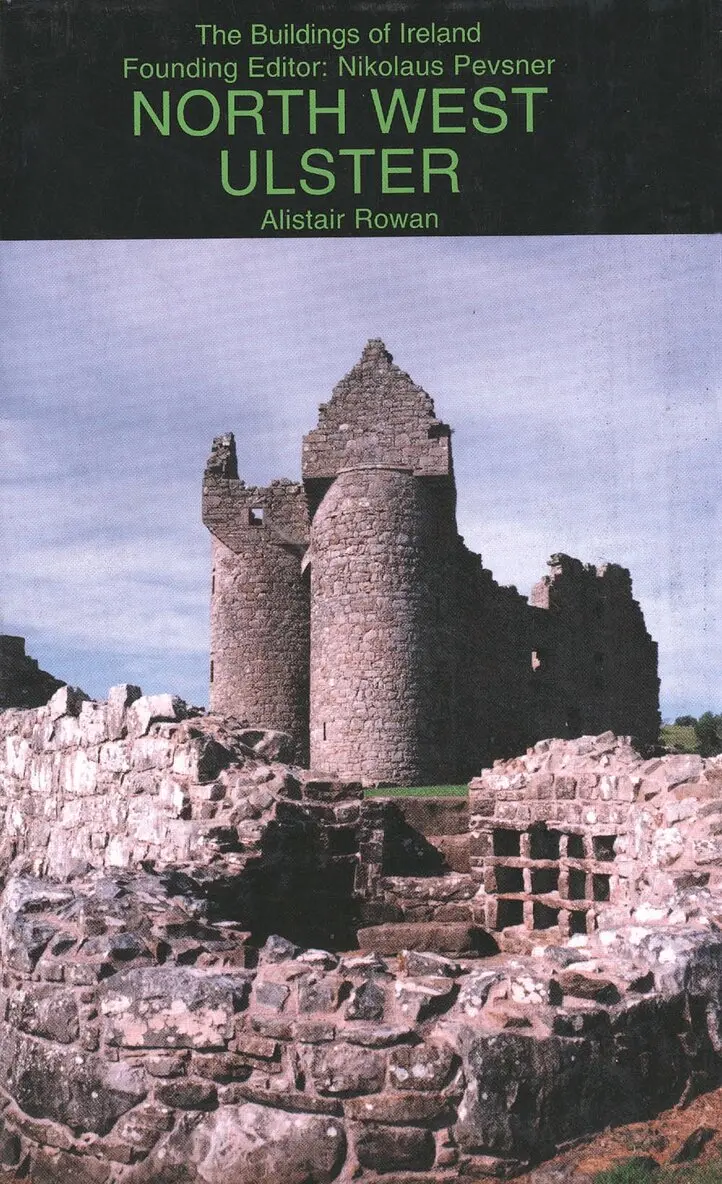
The remote, rugged, rough country of North West Ulster possesses buildings as varied as its landscape. Monuments of the Celtic church - sculptured cross-slabs, high crosses and round towers - and medieval tower houses survive from its earliest centuries. Fortified houses from the Plantation period are succeeded by Georgian mansions, and the richly varied urban and rural buildings of the Victorian period. In its churches both Protestant and Catholic, North West Ulster shows itself no less diverse.
Dublin
The City Within the Grand and Royal Canals and the Circular Road, with the Phoenix Park
Inbunden, Engelska, 2005
693 kr
Skickas inom 7-10 vardagar
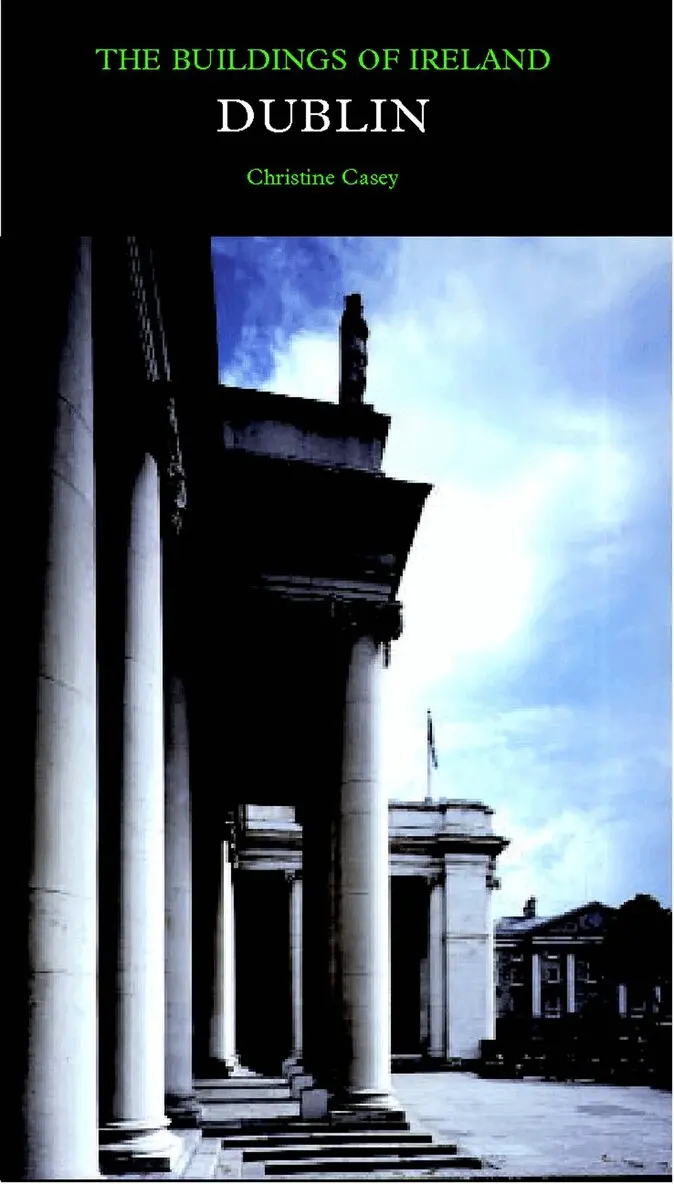
In this uniquely comprehensive guide to the buildings of central Dublin, the city’s churches, public buildings, and streets are described for every district in lively detail. The entire area within the canals is covered as well, along with the Phoenix Park. Illustrations include numerous maps, plans, and new color photographs. Dublin’s grand eighteenth-century set-pieces—Custom House, Four Courts, Bank of Ireland—are offset by a graceful Georgian cityscape, much of which remains intact. Rich and varied house interiors are also treated in full, many for the first time. The book features civic and commercial Victorian architecture, post-war buildings, and the buildings of a new generation of Irish architects. Two fine Gothic cathedrals remain from the medieval city, the full history of which is traced in an introduction to the volume.For all who share an interest in the fabric of Dublin—architect or historian, tourist or armchair traveller—this is the essential work.
693 kr
Skickas inom 7-10 vardagar
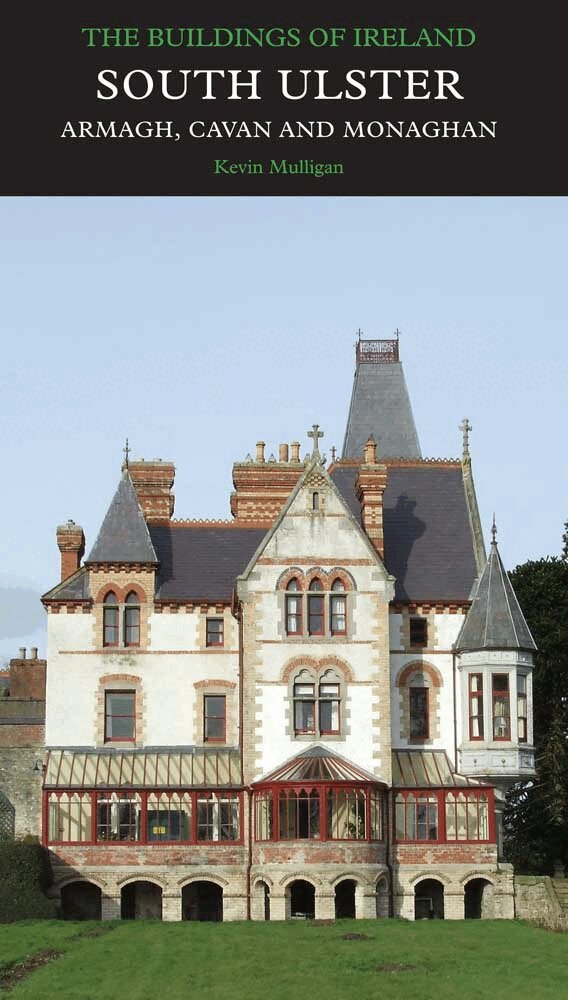
The South Ulster volume of the Buildings of Ireland covers the inland counties of Cavan, Monaghan and Armagh, an area stretching from the thinly populated uplands around the Cuilcagh Mountains and the cradle of the Shannon to the fertile Blackwater Valley and the southern shores of Lough Neagh. The architecture of the region is as varied as the landscapes that receive it, with building materials adding to the variety while ensuring that the buildings – whether vernacular in spirit or more formally designed – express a deep sense of belonging.
693 kr
Skickas inom 7-10 vardagar
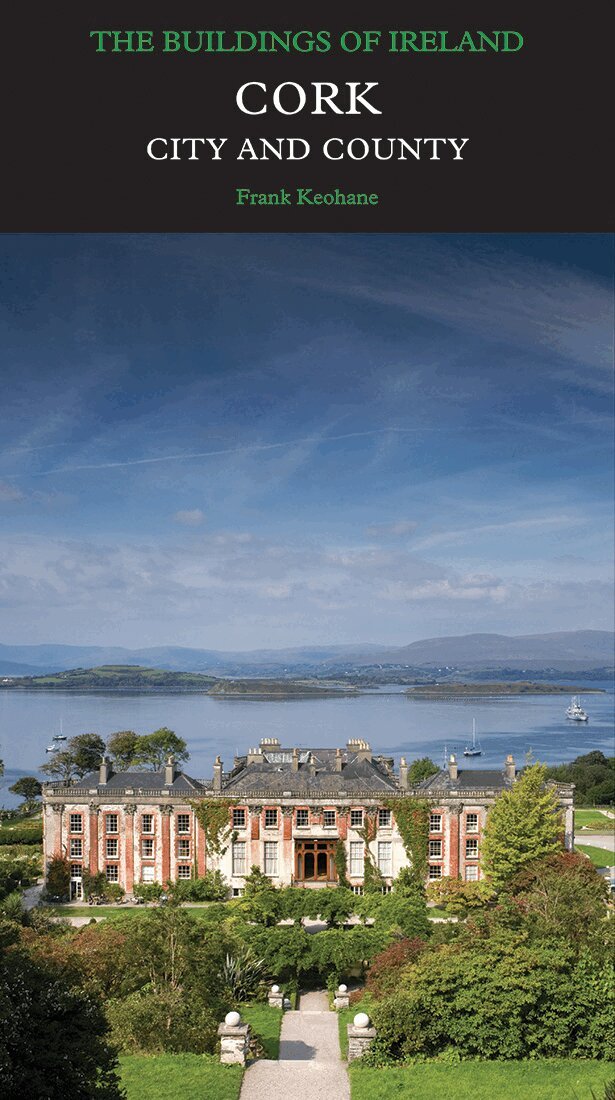
This authoritative guide to the architecture of County Cork covers all sites and buildings of merit, great and smallComprehensive and easy to use, this guide covers the architectural riches of Ireland’s largest county. The many atmospheric castles and tower houses include Carrigadrohid, Lohort, and Kanturk; among later country houses, Kilshannig and Fota represent Irish Georgian architecture at its best. Coastal towns such as Kinsale and Youghal are built on Viking and Norman foundations. Many of the architectural highlights are in the city of Cork, where the Georgian streets and quays are diversified by grand neoclassical public buildings, presided over by the Gothic Revival masterpiece of St. Fin Barre’s Cathedral. The strategic importance of Cork harbor is reflected in its diverse fortifications, especially those of the Stuart, Hanoverian, and Victorian periods.
693 kr
Skickas inom 7-10 vardagar
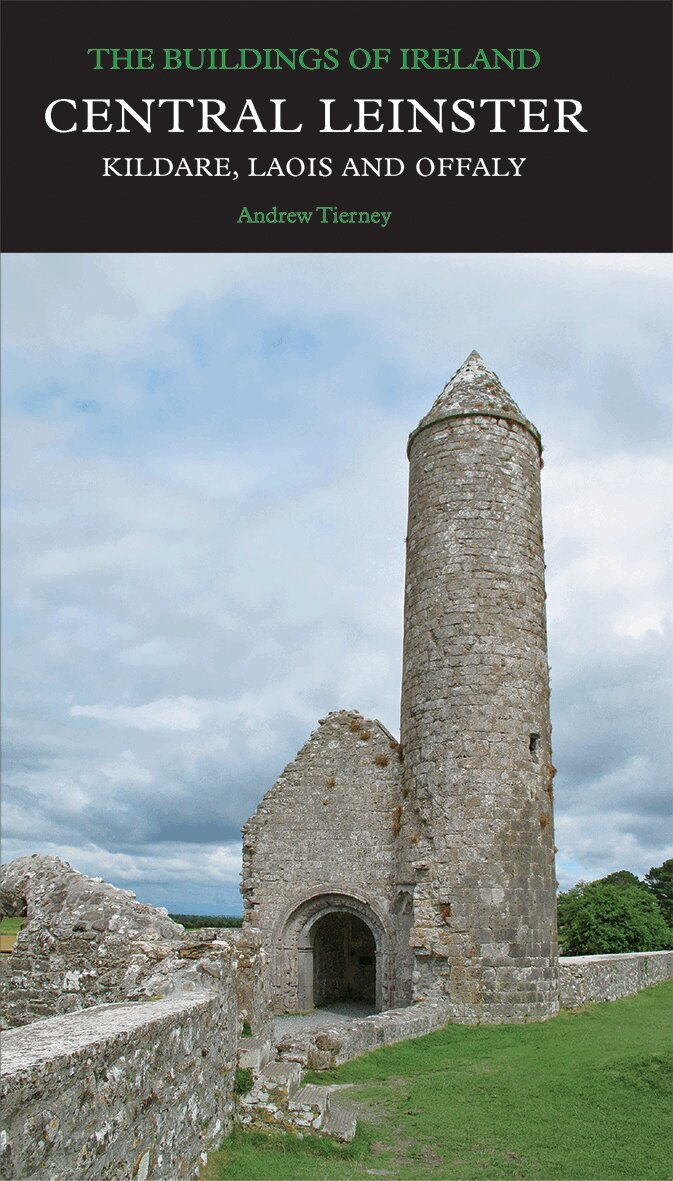
The comprehensive guide to the architecture of the heart of Ireland, closely examining a broad range of works, from castles and churches to grand neoclassical country houses.This comprehensive guide covers the historically rich and nuanced territory of Central Leinster, from the western borderlands of the medieval English Pale to the wild expanse of the Bog of Allen and further west to Clonmacnoise, cradle of early monasticism, with its Hiberno-Romanesque ruins, sculpted crosses, and elegant round towers. The Palladian mansions of Kildare and the romantic castles of Offaly stand within ancient forests, and Neoclassicism flourished with grand houses by James Wyatt at Abbey Leix, by James Gordon at Emo, and by the Morrisons at Ballyfin. Georgian streetscape finds its best expressions in Mountmellick and Maynooth. Disestablishment spurred the re-entrenchment of Irish Protestant architecture, notably in James Franklin Fuller’s fusions of Continental and Hiberno-Romanesque styles at Rathdaire, Millicent, and Carnalway, with their rich carving, decoration, and stained glass.