Playing the Texts - Böcker
Visar alla böcker i serien Playing the Texts. Handla med fri frakt och snabb leverans.
9 produkter
9 produkter
2 183 kr
Skickas inom 5-8 vardagar
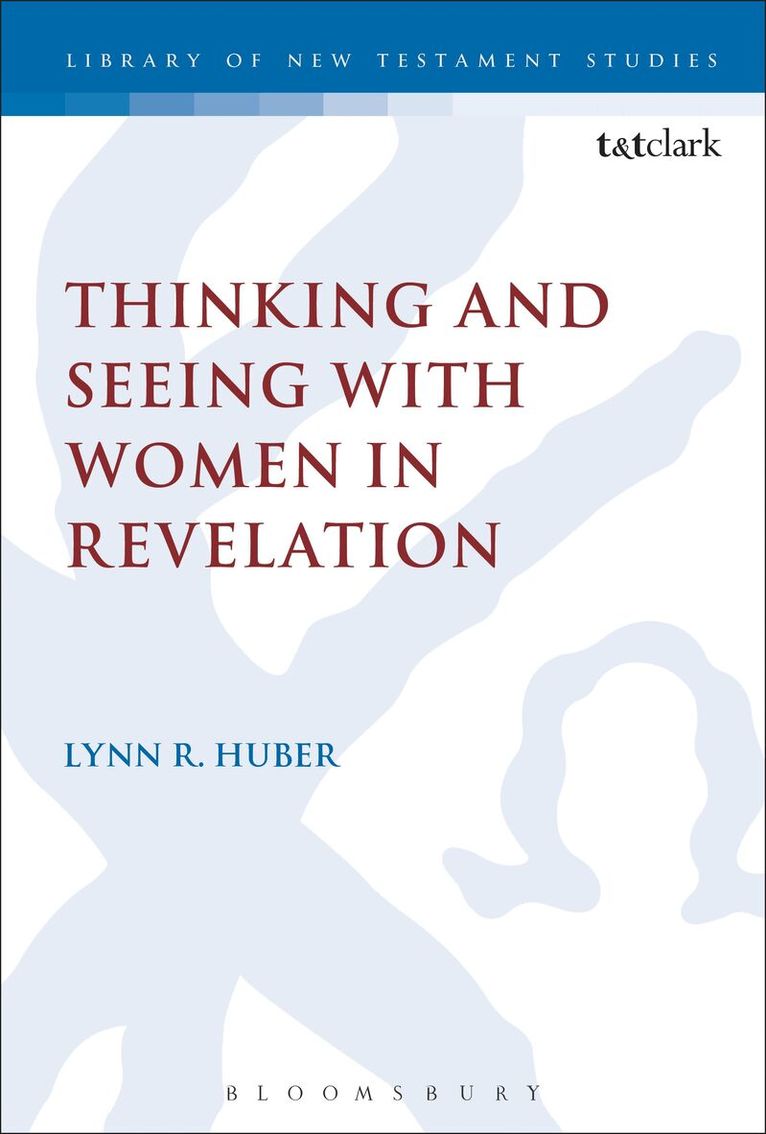
Lynn R. Huber argues that the visionary aspect of Revelation, with its use of metaphorical thinking and language, is the crux of the text's persuasive power. Emerging from a context that employs imagery to promote imperial mythologies, Revelation draws upon a long tradition of using feminine imagery as a tool of persuasion. It does so even while shaping a community identity in contrast to the dominant culture and in exclusive relationship with the Lamb. By drawing upon the work of medieval and modern visionaries, Huber answers a call to examine the way 'real' readers engage with biblical texts. Revealing how Revelation continues to persuade audiences through appeals to the visual and provocative imagery she offers a new sense of how the text metaphorical language simultaneously limits and invites new meaning, unfurling a range of interpretations.
2 028 kr
Skickas inom 5-8 vardagar
Guided by the metaphor of the art form known as a mosaic, this book advocates a pluralistic approach to biblical studies. Rees argues that the text itself can be described as a 'mosaic', with each new reading adding to the mosaic. Interpretation is therefore both observation and invention, or contribution.When [re]reading the text, one cannot but be aware of what has been seen before, even if it at first may seem unfamiliar. He thus rejects the idea of a definitive reading.Examining Numbers 25, Rees argues that the various methods employed to interpret this text (narrative, feminist, postcolonial as well as a more 'traditional' historical-critical reading) enable us to see different things as we read from different places. A further analysis of the book's interpretative history, including the rewritten histories of Josephus and Philo, allows us to discover that creativity has forever been a part of the reading process. Moving on to explore the contributions of more recent commentators, Rees concludes that an embrace of diversity, of collegiality, may well point to a new future in Biblical Studies.
2 028 kr
Skickas inom 5-8 vardagar
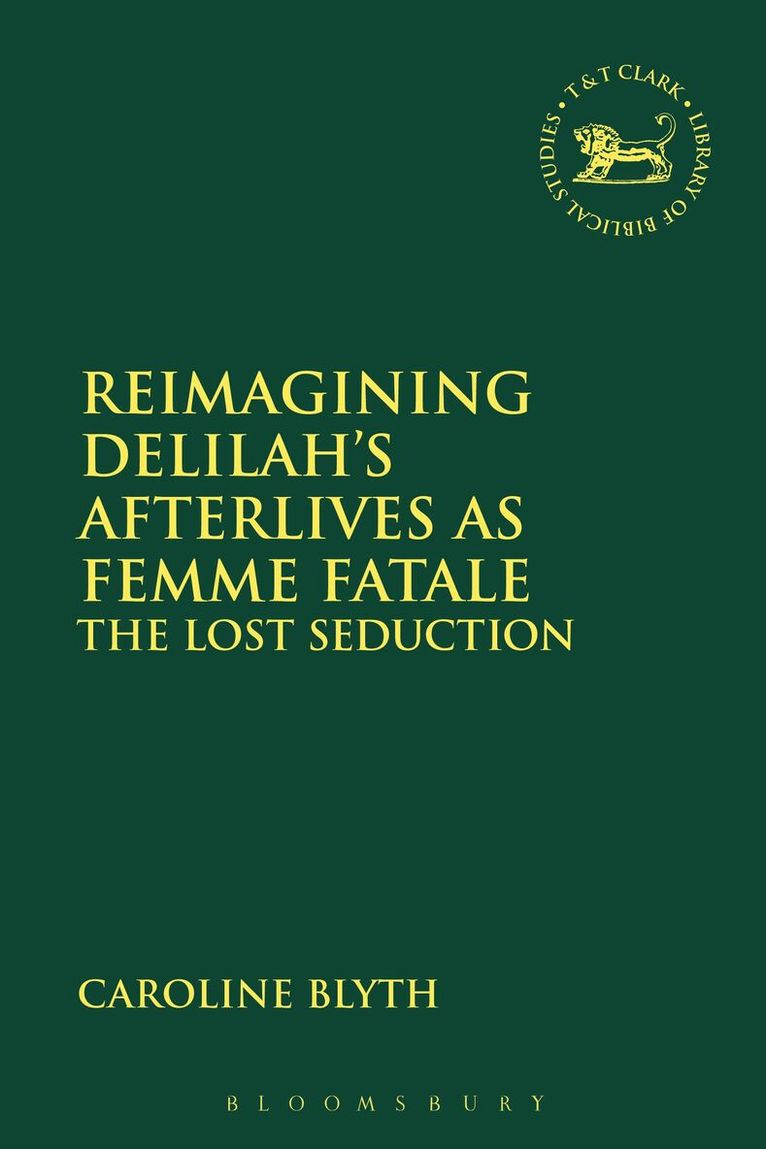
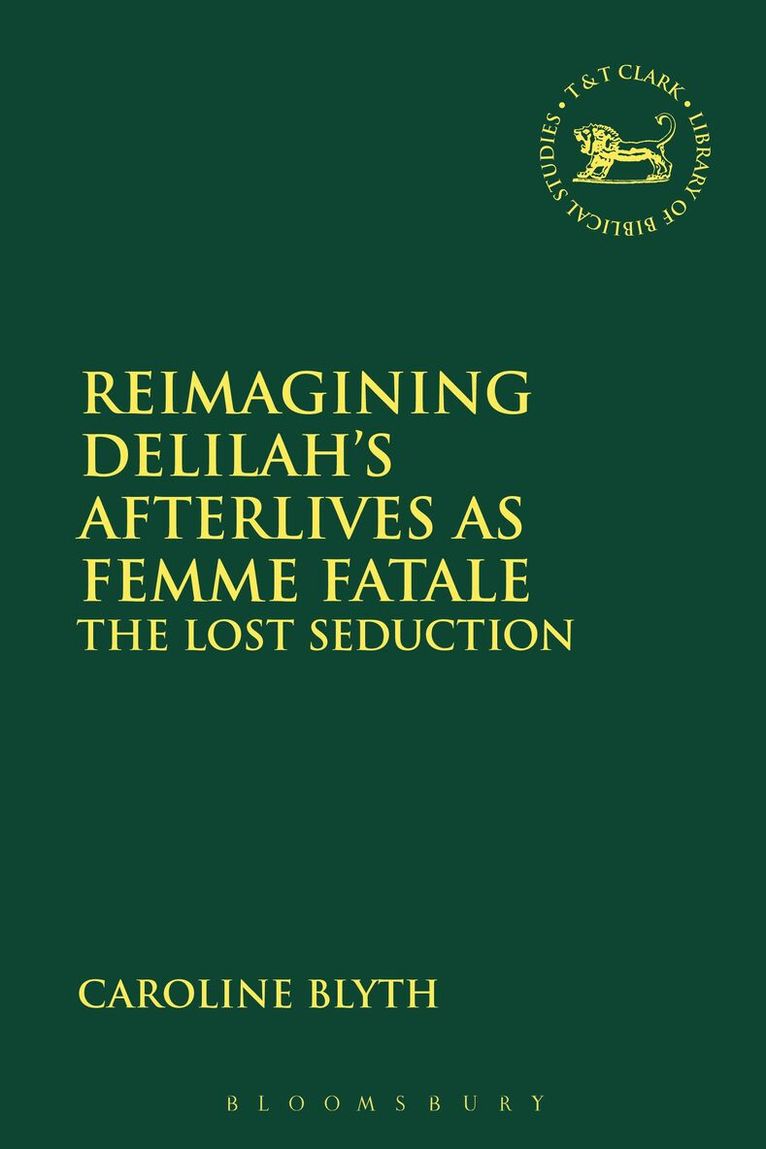
The story of Samson and Delilah in Judges 16 has been studied and retold over the centuries by biblical interpreters, artists, musicians, filmmakers and writers. Within these scholarly and cultural retellings, Delilah is frequently fashioned as the quintessential femme fatale — the shamelessly seductive ‘fatal woman’ whose sexual treachery ultimately leads to Samson’s downfall. Yet these ubiquitous portrayals of Delilah as femme fatale tend to eclipse the many other viable readings of her character that lie, underexplored, within the ambiguity-laden narrative of Judges 16 — interpretations that offer alternative and more sympathetic portrayals of her biblical persona. In Reimagining Delilah’s Afterlives as Femme Fatale, Caroline Blyth guides readers through an in-depth exploration of Delilah’s afterlives as femme fatale in both biblical interpretation and popular culture, tracing the social and historical factors that may have inspired them. She then considers alternative afterlives for Delilah’s character, using as inspiration both the Judges 16 narrative and a number of cultural texts which deconstruct traditional understandings of the femme fatale, thereby inviting readers to view this iconic biblical character in new and fascinating lights.
2 028 kr
Skickas inom 5-8 vardagar
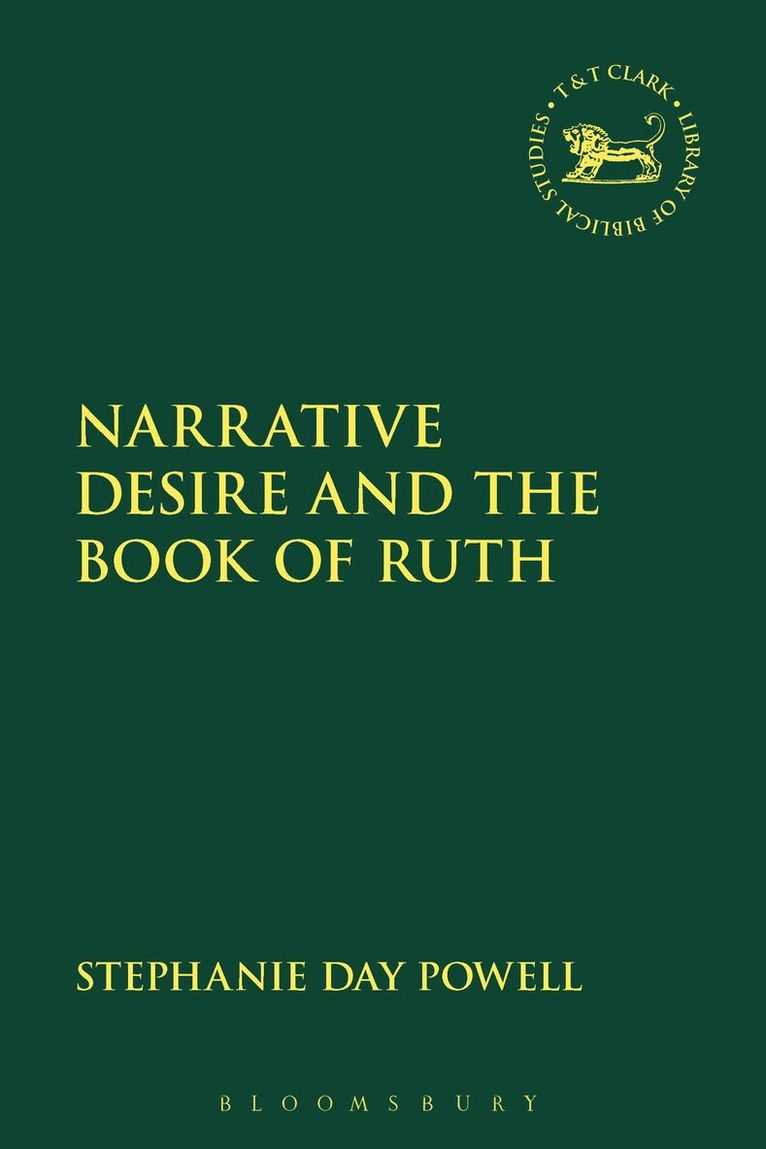
Stephanie Day Powell illuminates the myriad forms of persuasion, inducement, discontent, and heartbreak experienced by readers of Ruth. Writing from a lesbian perspective, Powell draws upon biblical scholarship, contemporary film and literature, narrative studies, feminist and queer theories, trauma studies and psychoanalytic theory to trace the workings of desire that produced the book of Ruth and shaped its history of reception. Wrestling with the arguments for and against reading Ruth as a love story between women, Powell gleans new insights into the ancient world in which Ruth was written. Ruth is known as a tale of two courageous women, the Moabite Ruth and her Israelite mother-in-law Naomi. As widows with scarce means of financial or social support, Ruth and Naomi are forced to creatively subvert the economic and legal systems of their day in order to survive. Through exceptional acts of loyalty, they, along with their kinsman Boaz, re-establish the bonds of family and community, while preserving the line of Israel’s great king David. Yet for many, the story of Ruth is deeply dissatisfying. Scholars increasingly recognize how Ruth’s textual “gaps” and ambiguities render conventional interpretations of the book’s meaning and purpose uncertain. Feminist and queer interpreters question the appropriation of a woman’s story to uphold patriarchal institutions and heteronormative values. Such avenues of inquiry lend themselves to questions of narrative desire, that is, the study of how stories frame our desires and how our own complex longings affect the way we read.
557 kr
Skickas inom 5-8 vardagar
Stephanie Day Powell illuminates the myriad forms of persuasion, inducement, discontent, and heartbreak experienced by readers of Ruth. Writing from a lesbian perspective, Powell draws upon biblical scholarship, contemporary film and literature, narrative studies, feminist and queer theories, trauma studies and psychoanalytic theory to trace the workings of desire that produced the book of Ruth and shaped its history of reception. Wrestling with the arguments for and against reading Ruth as a love story between women, Powell gleans new insights into the ancient world in which Ruth was written. Ruth is known as a tale of two courageous women, the Moabite Ruth and her Israelite mother-in-law Naomi. As widows with scarce means of financial or social support, Ruth and Naomi are forced to creatively subvert the economic and legal systems of their day in order to survive. Through exceptional acts of loyalty, they, along with their kinsman Boaz, re-establish the bonds of family and community, while preserving the line of Israel’s great king David. Yet for many, the story of Ruth is deeply dissatisfying. Scholars increasingly recognize how Ruth’s textual “gaps” and ambiguities render conventional interpretations of the book’s meaning and purpose uncertain. Feminist and queer interpreters question the appropriation of a woman’s story to uphold patriarchal institutions and heteronormative values. Such avenues of inquiry lend themselves to questions of narrative desire, that is, the study of how stories frame our desires and how our own complex longings affect the way we read.
2 551 kr
Skickas inom 10-15 vardagar
This collection of essays explores the way our notions of self, other, subjectivity, gender and the sacred text are being re-visioned within contemporary theory. These new ways of conceiving create upheavals and radical shifts that rework our understanding of philosophical, psychological, political, sexual and spiritual identity, allowing us to trace the fault lines, regulatory forces, exclusions and unmarked spaces both within our selves, and within the discourses that attend these selves. As such, revisionings break down borders, and the encounter of literature and theology becomes a crucial focus for these explorations, as the self learns to resituate its own being creatively vis-a-vis others and, ultimately, the Other.
1 833 kr
Skickas inom 10-15 vardagar
This collection of essays explores the way our notions of self, other, subjectivity, gender and the sacred text are being re-visioned within contemporary theory. These new ways of conceiving create upheavals and radical shifts that rework our understanding of philosophical, psychological, political, sexual and spiritual identity, allowing us to trace the fault lines, regulatory forces, exclusions and unmarked spaces both within our selves, and within the discourses that attend these selves. As such, revisionings break down borders, and the encounter of literature and theology becomes a crucial focus for these explorations, as the self learns to resituate its own being creatively vis-a-vis others and, ultimately, the Other.
1 703 kr
Skickas inom 10-15 vardagar
Walsh explores the role that myth has played in the interpretation of the Bible. He sees myth as an empowering, structuring story used either for good or ill and either consciously or unconsciously controlling our world views. Walsh looks for both the empowerment and the marginalization effected by myth as he follows the word through its myriad meanings ('Grasping Proteus'), its use in various disciplines ('Procrustean Mythographers'), its distinctive uses in biblical interpretation ('Mything the Bible'), and, finally, the mythic character of interpretation itself ('The Myth of Interpretation'). The concluding chapter, 'Behind the Mythic Curve', muses on the difficulty of knowing the myths by which we live and reflects hopefully on the possibility of play among the myriad myths in a postmodern, pluralist world.
1 572 kr
Skickas inom 10-15 vardagar
Coming from a strong gender critical and post-colonial theoretical stance, Runions takes up important questions of the reading process that arise from literary, ideological critical and cultural studies approaches to the Bible. She examines readers' negotiations with the ambiguous configurations of gender, nation and future vision in the book of Micah, using the theoretical work of Homi Bhabha with Louis Althusser, Jacques Lacan, Slavoj Zizek - all key figures in cultural studies. Her book confronts the problem of the determined subject reading an indeterminate text and suggests that (liminal) identifications with the ambiguities of the book of Micah might reconfigure the readers' own ideological positions.