CEACOP East Asian Comparative Ethics, Politics and Philosophy of Law – serie
Visar alla böcker i serien CEACOP East Asian Comparative Ethics, Politics and Philosophy of Law. Handla med fri frakt och snabb leverans.
8 produkter
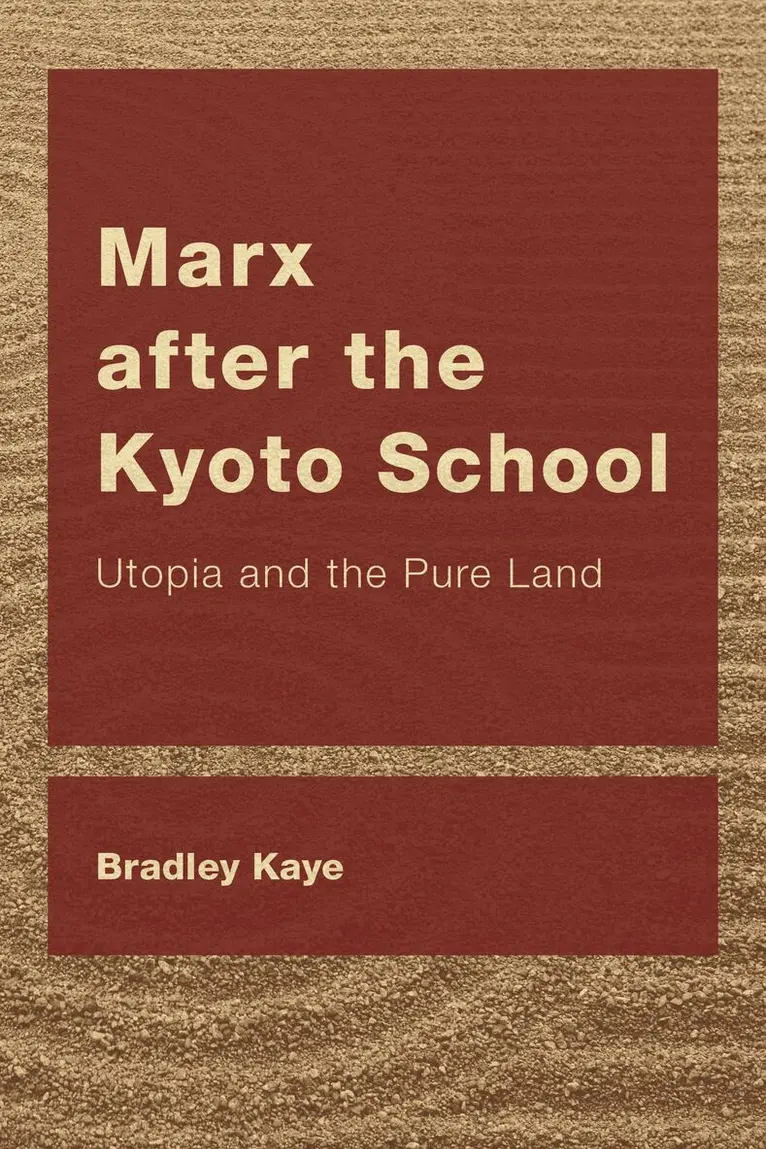
Marx after the Kyoto School
Utopia and the Pure Land
Av Bradley Kaye
Inbunden, 2022
1422 kr
Lägg i varukorg
Nishida Kitaro (1870-1945) is considered Japan’s greatest modern philosopher. As the founder of the Kyoto School, he initiated a rigorous philosophical engagement with Western philosophy, including the work of Karl Marx. Bradley Kaye explores the political aspects of Nishida’s thought, placing his …
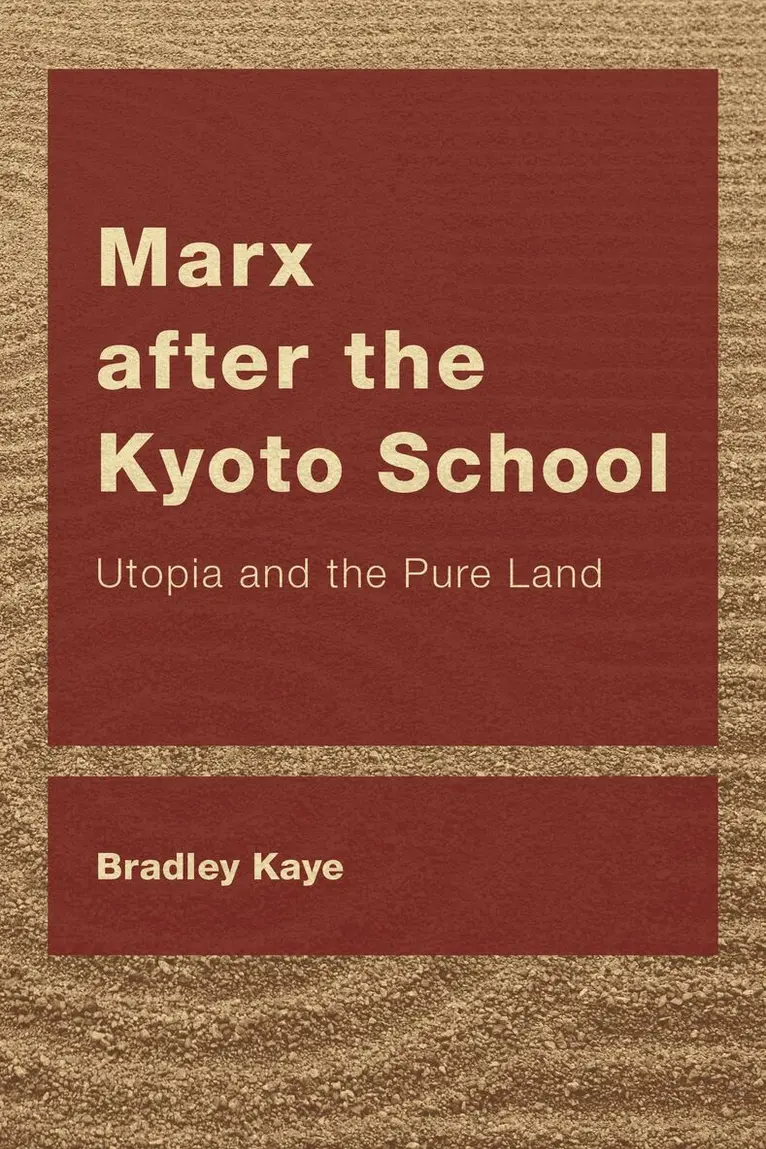
Marx after the Kyoto School
Utopia and the Pure Land
Av Bradley Kaye
Häftad, 2023
460 kr
Lägg i varukorg
Nishida Kitaro (1870-1945) is considered Japan’s greatest modern philosopher. As the founder of the Kyoto School, he initiated a rigorous philosophical engagement with Western philosophy, including the work of Karl Marx. Bradley Kaye explores the political aspects of Nishida’s thought, placing his …
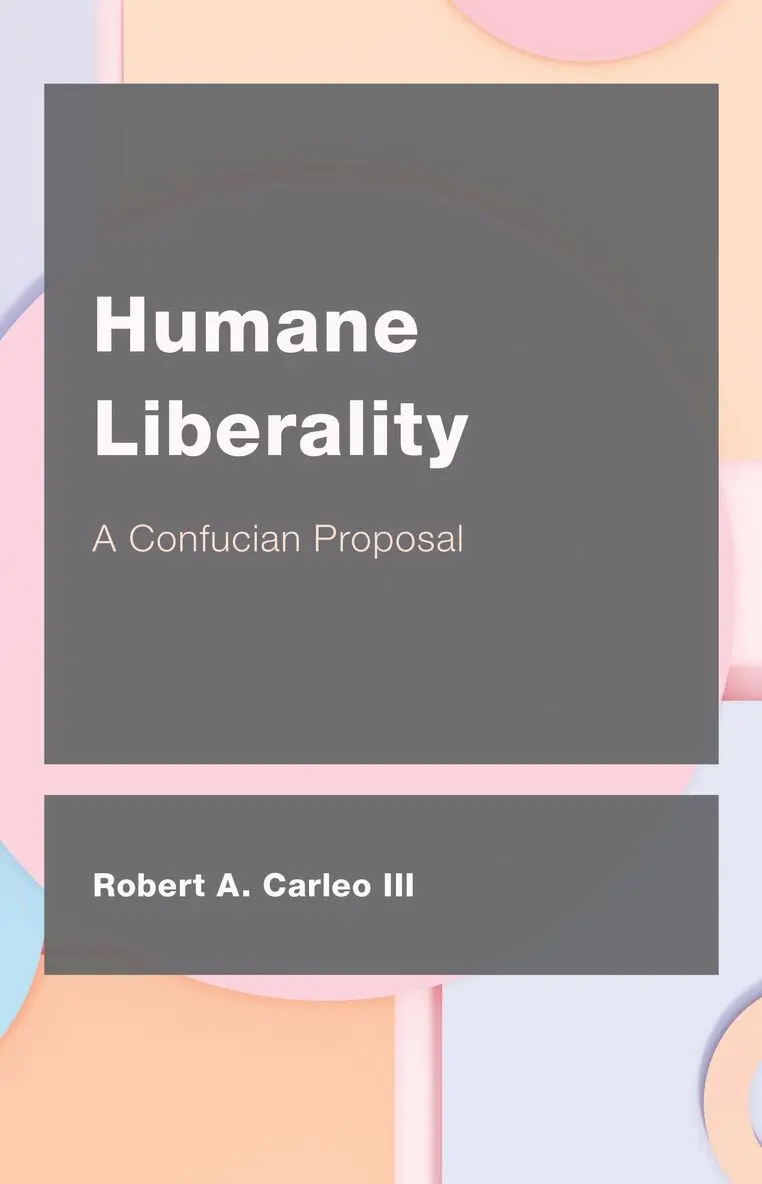
Humane Liberality
A Confucian Proposal
Inbunden, 2024
1068 kr
Lägg i varukorg
Can we endorse valuable rights and freedoms—the cherished forms of equality and liberty we might call liberality—without liberalism? This book outlines such a possibility. Humane liberality upholds and deliberates equality, freedom, and justice through the Mencian virtue of humaneness, based in …
Humane Liberality
A Confucian Proposal
E-bok, 2024
1169 kr
Lägg i varukorg
Can we endorse valuable rights and freedoms—the cherished forms of equality and liberty we might call liberality—without liberalism? This book outlines such a possibility. Humane liberality upholds and deliberates equality, freedom, and justice through the Mencian virtue of humaneness, based in …
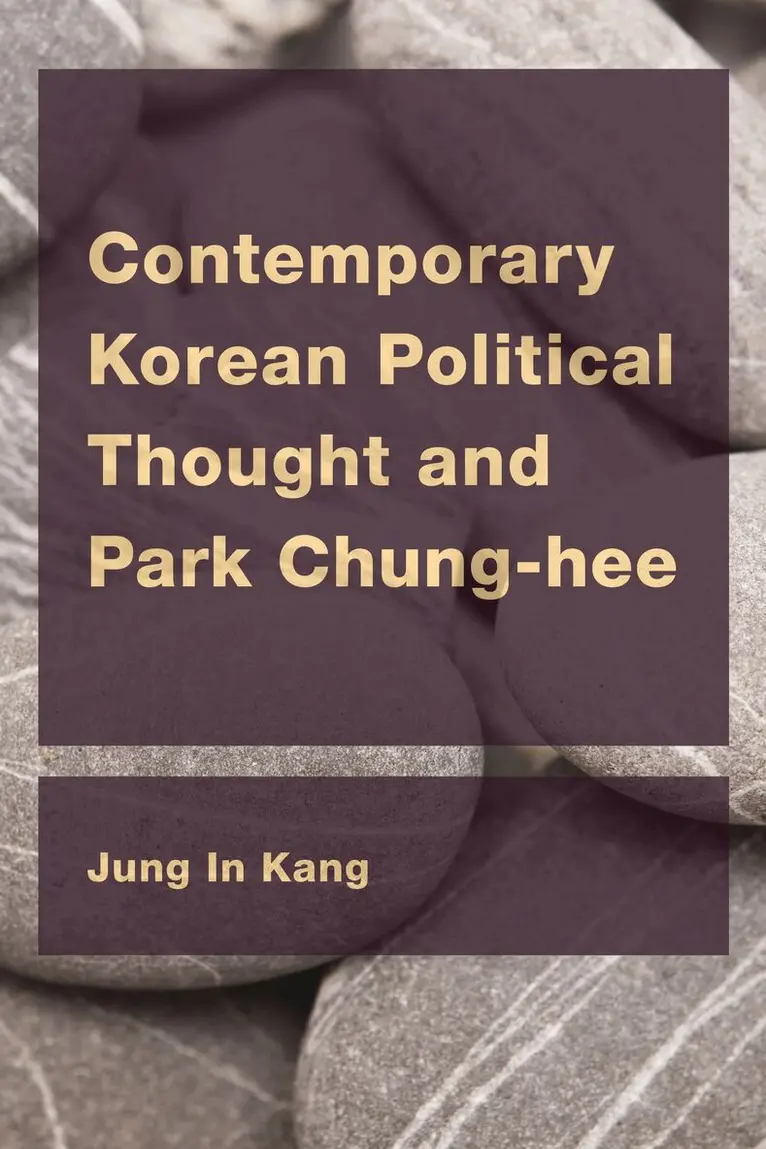
Contemporary Korean Political Thought and Park Chung-hee
Av Jung In Kang
Inbunden, 2017
1847 kr
Lägg i varukorg
This important new book identifies the distinctive characteristics of the ideological terrain in contemporary (South) Korean politics and reexamines the political thought of Park Chung-hee (1917–1979), the most revered, albeit the most controversial, former president in the history of South Korea, …
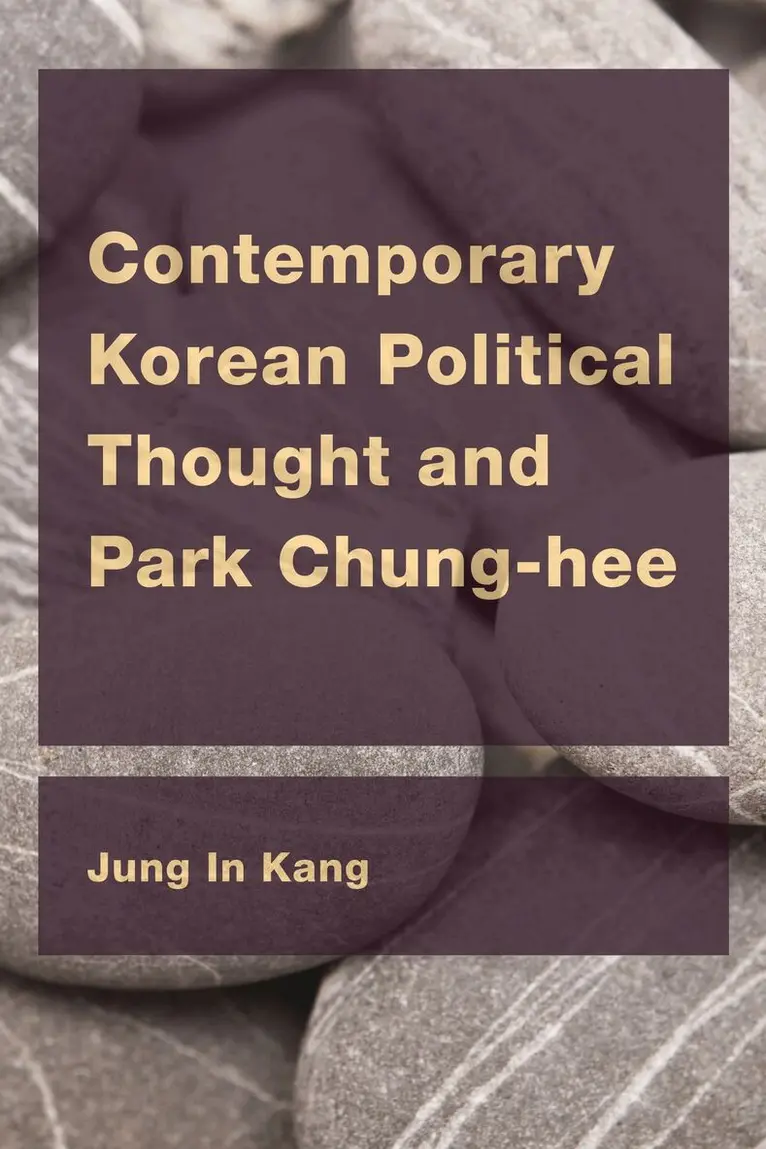
Contemporary Korean Political Thought and Park Chung-hee
Av Jung In Kang
Häftad, 2019
375 kr
Lägg i varukorg
This important new book identifies the distinctive characteristics of the ideological terrain in contemporary (South) Korean politics and reexamines the political thought of Park Chung-hee (1917–1979), the most revered, albeit the most controversial, former president in the history of South Korea, …
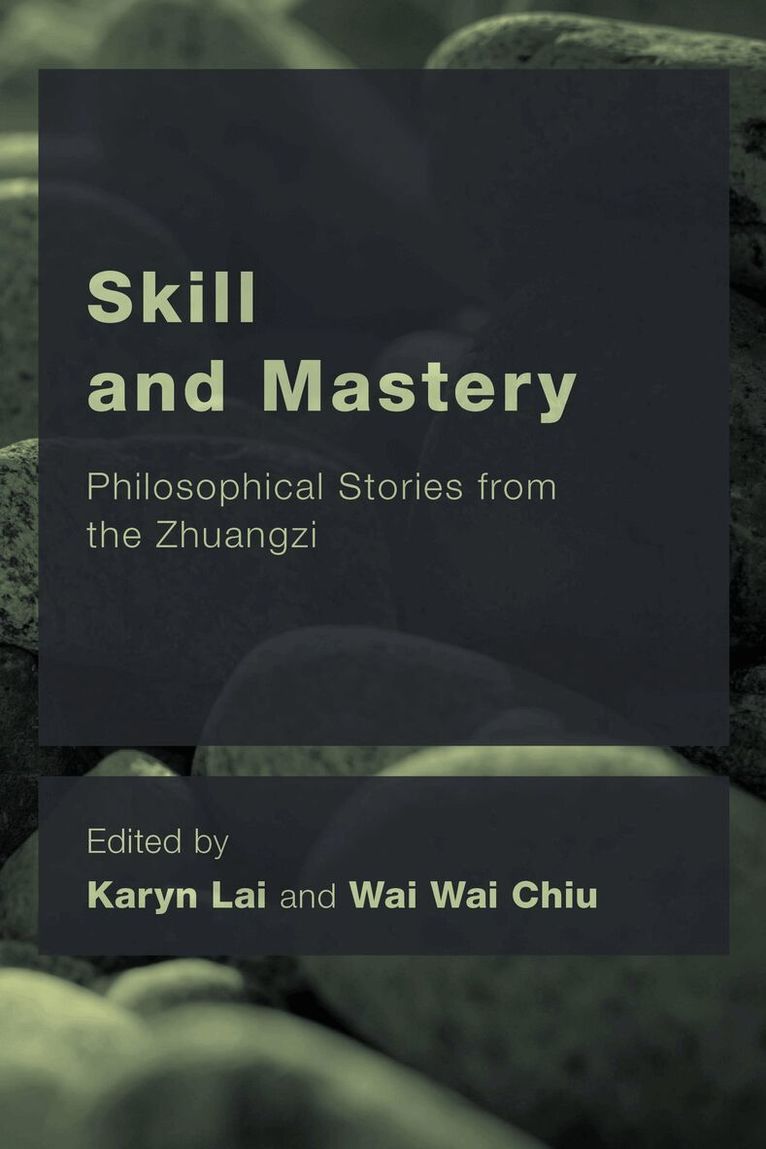
Skill and Mastery
Philosophical Stories from the Zhuangzi
Inbunden, 2019
1705 kr
Lägg i varukorg
Skill and Mastery: Philosophical Stories from the Zhuangzi presents an illuminating analysis of skill stories from the Zhuangzi, a 4th century BCE Daoist text. In this intriguing text that subverts conventional norms and pursuits, ordinary activities such as swimming, cicada-catching and …
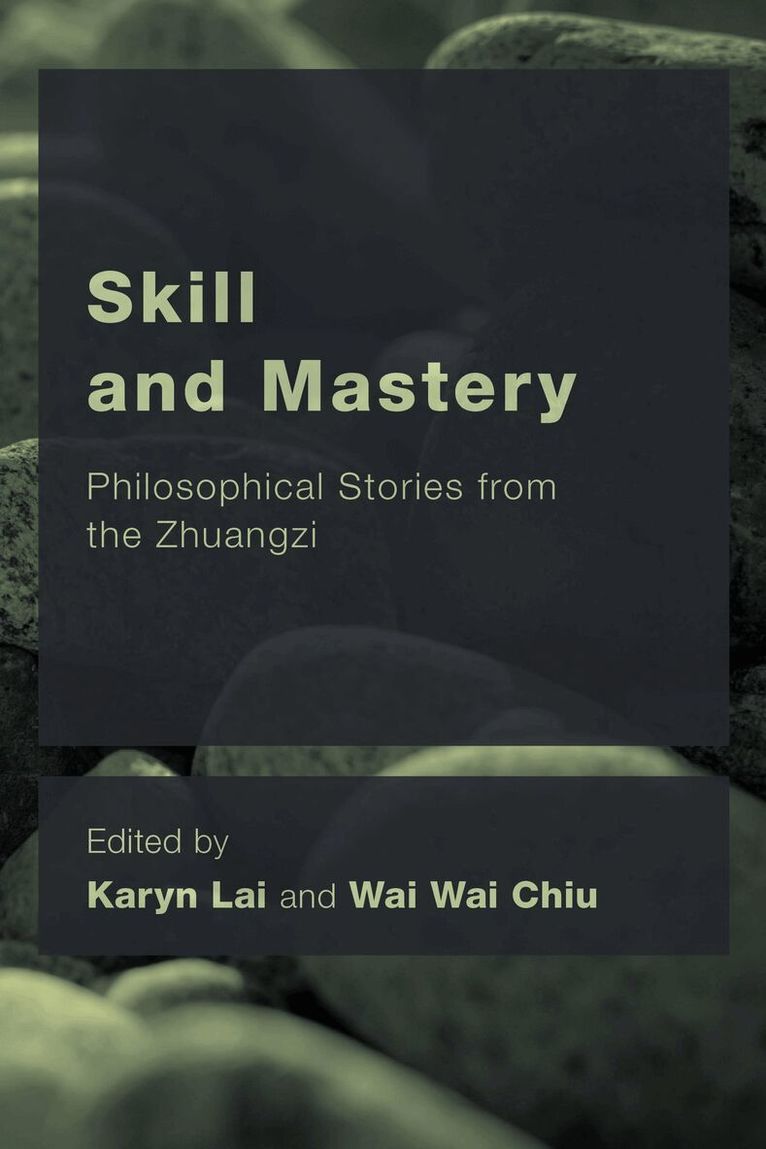
Skill and Mastery
Philosophical Stories from the Zhuangzi
Häftad, 2019
516 kr
Lägg i varukorg
Skill and Mastery: Philosophical Stories from the Zhuangzi presents an illuminating analysis of skill stories from the Zhuangzi, a 4th century BCE Daoist text. In this intriguing text that subverts conventional norms and pursuits, ordinary activities such as swimming, cicada-catching and …