Popular West - Böcker
Visar alla böcker i serien Popular West. Handla med fri frakt och snabb leverans.
4 produkter
4 produkter
323 kr
Skickas inom 10-15 vardagar
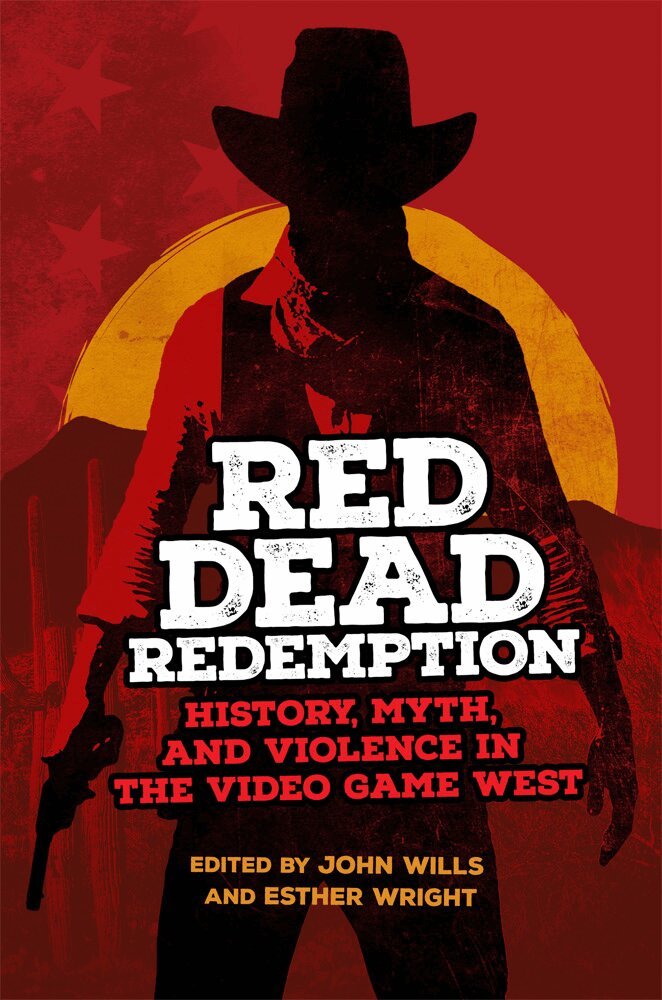
While the Western was dying a slow death across the cultural landscape, it was blazing back to life as a video game in the early twenty-first century. Rockstar Games’ Red Dead franchise, beginning with Red Dead Revolver in 2004, has grown into one of the most critically acclaimed video game franchises of the twenty-first century. Red Dead Redemption: History, Myth, and Violence in the Video Game West offers a critical, interdisciplinary look at this cultural phenomenon at the intersection of game studies and American history.Drawing on game studies, western history, American studies, and cultural studies, the authors train a wide-ranging, deeply informed analytic perspective on the Red Dead franchise—from its earliest incarnation to the latest, Red Dead Redemption 2 (2018). Their intersecting chapters put the series in the context of American history, culture, and contemporary media, with inquiries into issues of authenticity, realism, the meaning of play and commercial promotion, and the relationship between the game and the wider cultural iterations of the classic Western. The contributors also delve into the role the series’ development has played in recent debates around working conditions in the gaming industry and gaming culture.In its redeployment and reinvention of the Western’s myth and memes, the Red Dead franchise speaks to broader aspects of American culture—the hold of the frontier myth and the “Wild West” over the popular imagination, the role of gun culture in society, depictions of gender and ethnicity in mass media, and the increasing allure of digital escapism—all of which come in for scrutiny here, making this volume a vital, sweeping, and deeply revealing cultural intervention.
721 kr
Skickas inom 10-15 vardagar
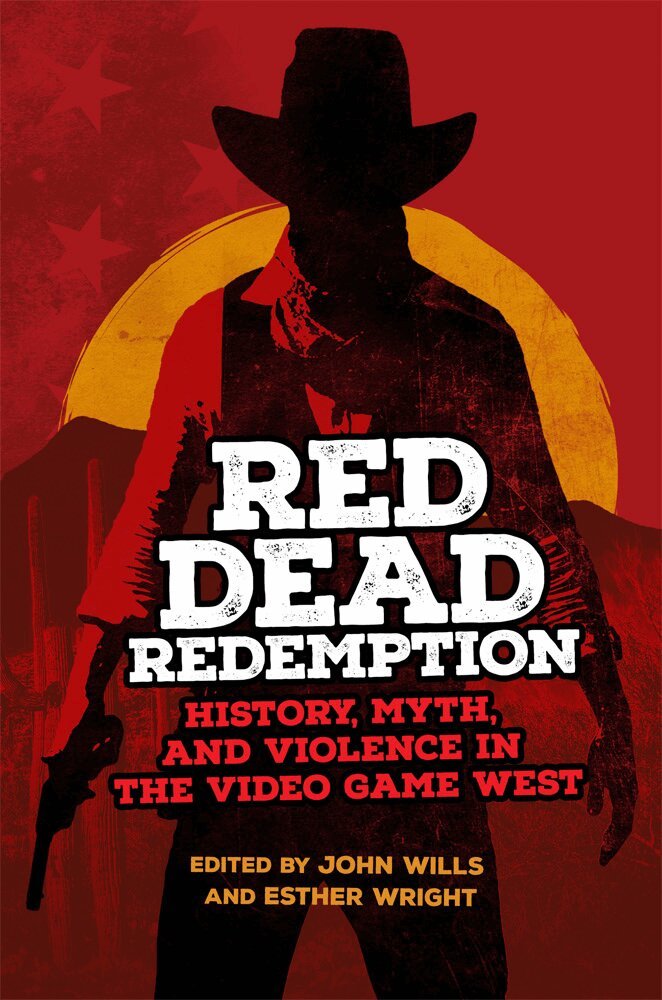
While the Western was dying a slow death across the cultural landscape, it was blazing back to life as a video game in the early twenty-first century. Rockstar Games’ Red Dead franchise, beginning with Red Dead Revolver in 2004, has grown into one of the most critically acclaimed video game franchises of the twenty-first century. Red Dead Redemption: History, Myth, and Violence in the Video Game West offers a critical, interdisciplinary look at this cultural phenomenon at the intersection of game studies and American history.Drawing on game studies, western history, American studies, and cultural studies, the authors train a wide-ranging, deeply informed analytic perspective on the Red Dead franchise—from its earliest incarnation to the latest, Red Dead Redemption 2 (2018). Their intersecting chapters put the series in the context of American history, culture, and contemporary media, with inquiries into issues of authenticity, realism, the meaning of play and commercial promotion, and the relationship between the game and the wider cultural iterations of the classic Western. The contributors also delve into the role the series’ development has played in recent debates around working conditions in the gaming industry and gaming culture.In its redeployment and reinvention of the Western’s myth and memes, the Red Dead franchise speaks to broader aspects of American culture—the hold of the frontier myth and the “Wild West” over the popular imagination, the role of gun culture in society, depictions of gender and ethnicity in mass media, and the increasing allure of digital escapism—all of which come in for scrutiny here, making this volume a vital, sweeping, and deeply revealing cultural intervention.
502 kr
Skickas inom 10-15 vardagar
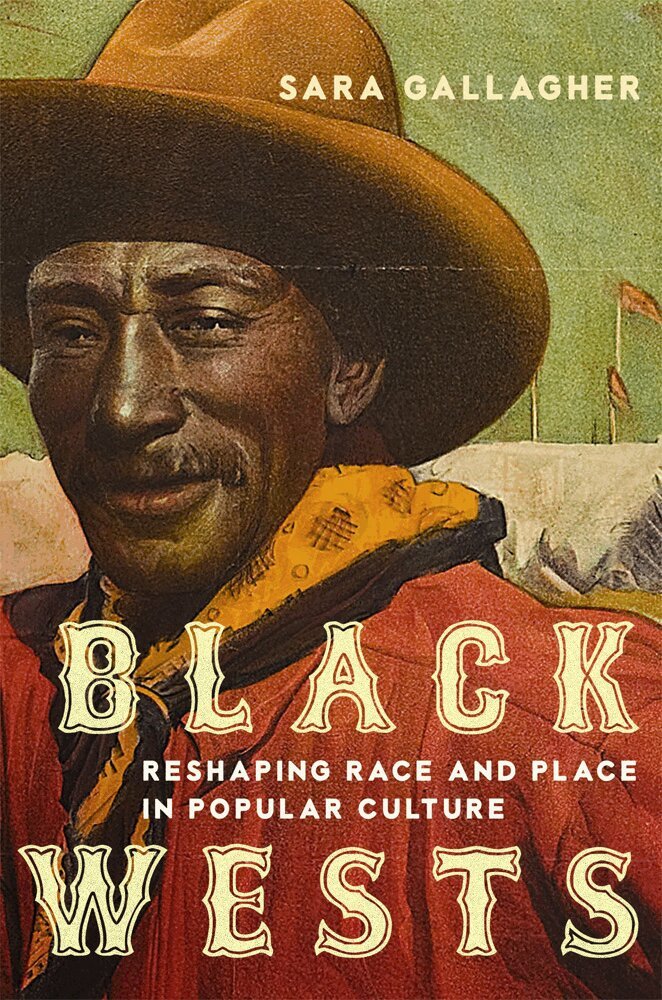
The story of settlers in the American West, with its tales of cowboys, prospectors, and frontiersmen, is often overwhelmingly white. Black Wests brings to light the pivotal and largely overlooked contributions of Black Americans to the western narrative. Tracing Black Western storytelling through a range of media across the nineteenth and twentieth centuries, Sara Gallagher offers a unique perspective on the Black Western - its history, its critical texts and moments in print and cinema, and the singular experiences of Black creators in the American West. Significantly, different media presented particular opportunities, and particular limitations, for Black creators. Gallagher explores how visual mediums, especially film, played a vital role in countering negative portrayals of Black characters in popular Western cinema. In this light, she examines the likes of Oscar Micheaux, a homesteader-turned visionary film director, and Herb Jeffries, the famed singer whose role as the Black 'singing cowboy' earned him stardom in Hollywood. Her reading encompasses the well-known - like Nat Love, legendary cowboy whose life has become an enduring symbol of the Black American West Pauline Hopkins, a journalist and novelist whose works introduced Black America to the dime Western and the lesser known, such as Jennie Carter, a frontierswoman who wrote about her experience in California. Concluding with a nod to modern artists like Beyoncé and Lil Nas X, Black Wests illustrates how this imaginative form continues to flourish. An enlightening and entertaining journey through the history of the Black Western, Gallagher's work restores Black storytelling to its critical place in the making of the American West in popular culture.
Projecting America Volume 3
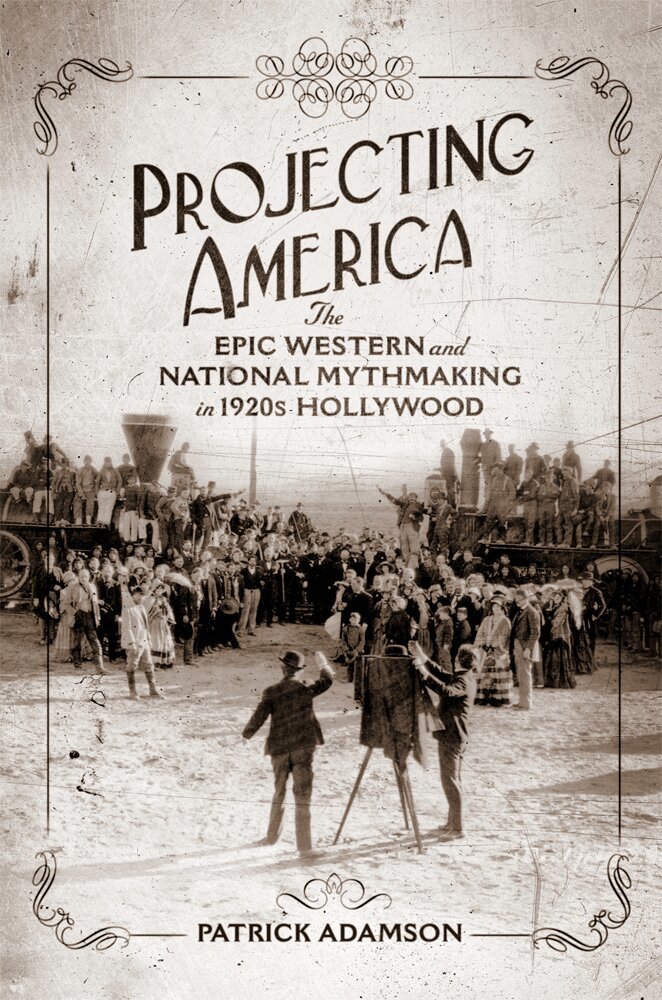
The Epic Western and National Mythmaking in 1920s Hollywood
Inbunden, Engelska, 2025
502 kr
Skickas inom 10-15 vardagar
In the mid- 1920s, the heyday of silent film, the epic Western swept Hollywood and the nation. Movie moguls sought to add gravitas to their output with the productions - films they argued offered American audiences authentic history and lessons in citizenship at a time when Hollywood faced criticism for its movies' morals and star scandals. Initially extremely popular, these now nearly forgotten Westerns were hailed by the movie industry's proponents and critics alike for their 'authentic' reconstruction of America's nineteenth-century frontier period and the social benefits in portraying historical episodes foundational to American identity to the melting pot of moviegoers. In Projecting America, the first-ever book on these silent epic Westerns, Patrick Adamson demonstrates how these films indelibly impacted the genre, historical filmmaking, and Hollywood, inviting audiences to accept uncritical visions of Manifest Destiny as accurate history. Drawing on a wealth of primary sources and punctuating his argument with film stills and intertitles, Adamson introduces readers to a variety of epic Westerns, with a particular emphasis on The Covered Wagon (1923), The Iron Horse (1924), and The Vanishing American (1925). These productions depict such key moments as pioneers on the Oregon Trail, the construction of the transcontinental railroad, and challenges faced by Indigenous peoples. Combining close analysis of these films' historiography with exploration of their production and reception, Adamson investigates how the epic Westerns' emergence responded to and informed discourses far beyond those traditionally associated with the Western genre. He demonstrates that these movies not only represent an important chapter in film history but also collectively illustrate how American identity was formed and the motion picture medium was used as a vehicle for mass historical and cultural education. In Projecting America, Adamson deftly shows how epic Westerns, at the heart of the 1920s' pressing debates about cinema's social influence, are integral to a broader understanding of the history of Western films and American identity.