Poster Collection – serie
Visar alla böcker i serien Poster Collection. Handla med fri frakt och snabb leverans.
8 produkter
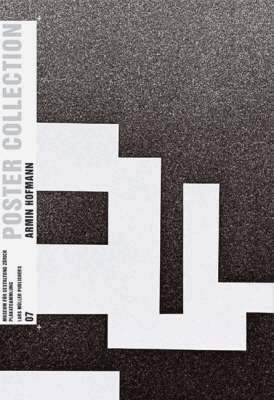
Armin Hofmann
Av Steven Heller, Armin Hofmann m. fl.
Häftad, 2010
207 kr
Lägg i varukorg
The history of posters is rich in variations on the hand. In consumer posters, a hand presents desirable products. But the hand can also take the form of a symbolically charged gesture in the political poster. In cultural posters, the hand then becomes the emblem of the creative individual. Just as …
Avant-Garde
Poster Collection 38
Av Bettina Richter, Bettina Richter m. fl.
Häftad, 2026
257 kr
Lägg i varukorg
Avantgarde highlights the advent of the poster and the beginnings of graphic design as an indepen-dent design discipline: between the wars, photography, typography and visual abstraction were at the heart of the poster; based on the reform movements at the turn of the century and the various “isms” …
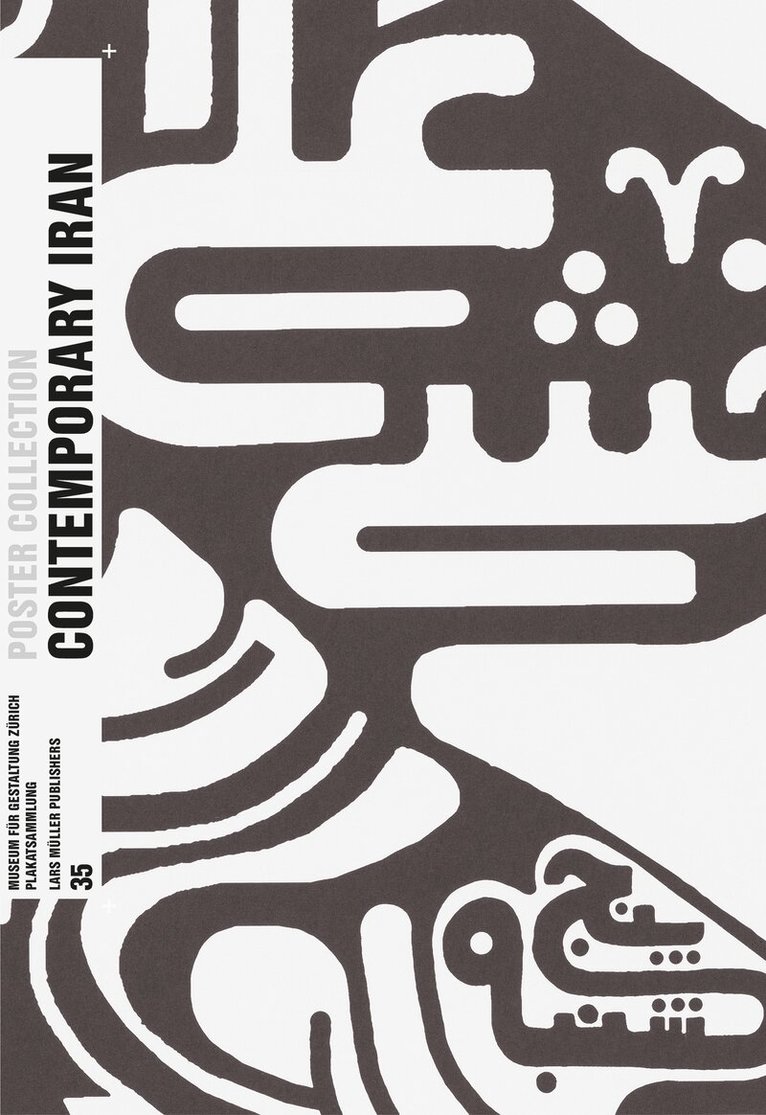
Contemporary Iran
Av Museum für Gestaltung Zürich, Bettina Richter
Häftad, 2023
207 kr
Lägg i varukorg
Iranian graphic design looks back on a brief history. The first poster designers completed independent artistic training and created painterly-illustrative works in the 1960s. The simultaneous opening to the West under Shah Mohammad Reza Pahlavi promoted global cultural exchange. With the …
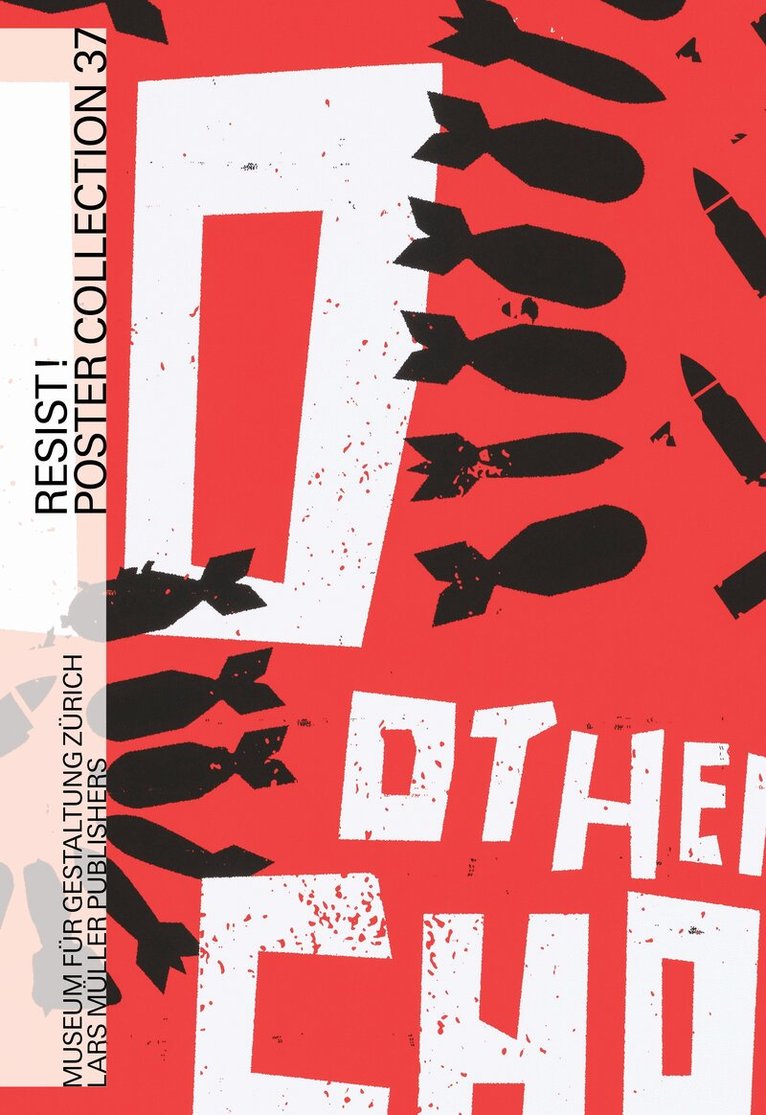
Resist!
Poster Collection 37
Av Bettina Richter, Bettina Richter m. fl.
Häftad, 2025
207 kr
Lägg i varukorg
Peace appeals, reminders of human rights, calls to protect nature – posters have proven an effective medium in accompanying social and political struggles worldwide since the 1920s. Through the poster, these universal and timeless topics are able to reach a broad public and encourage critical …
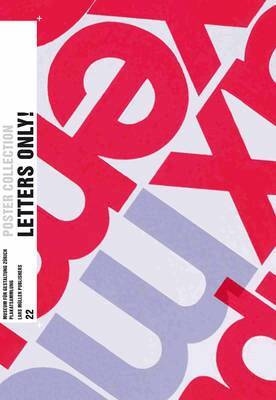
Letters Only: Pt. 22
Häftad, 2010
257 kr
Tillfälligt slut
This publication casts light on the spectrum of the script poster, using consistent reduction to type and without any illustrative or geometrical elements. The script poster enjoyed its first heyday around 1915, with the discovery of the letter as a design element. Starting with examples influenced …
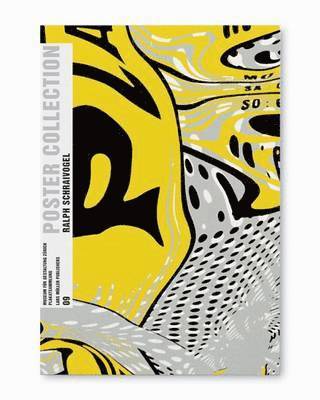
Ralph Schraivogel
Häftad, 2003
207 kr
Tillfälligt slut
This book in a series from the Poster Collection of the Zurich Museum für Gestaltung focuses on the work of Ralph Schraivogel. Schraivogel was born in 1960 in Lucerne, Switzerland. He studied at the Zurich School of Design and, upon his graduation in 1982, opened his own graphic design studio in …
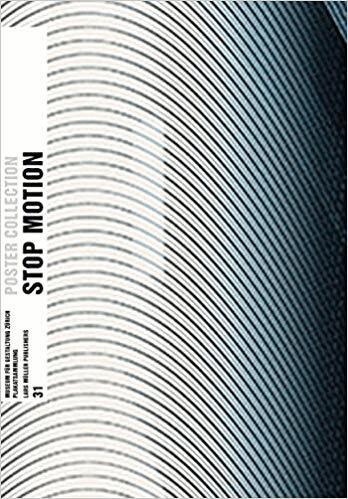
Stop Motion
Häftad, 2019
207 kr
Tillfälligt slut
The medium of the poster is distinguished by displaying messages combining images and text on a static, two-dimensional surface. Designers have, however, always toyed with extending the plane by adding a third dimension, whether spatial or temporal, in order to fool the eye. Stop Motion examines …