Print Culture in the South - Böcker
Visar alla böcker i serien . Handla med fri frakt och snabb leverans.
10 produkter
10 produkter
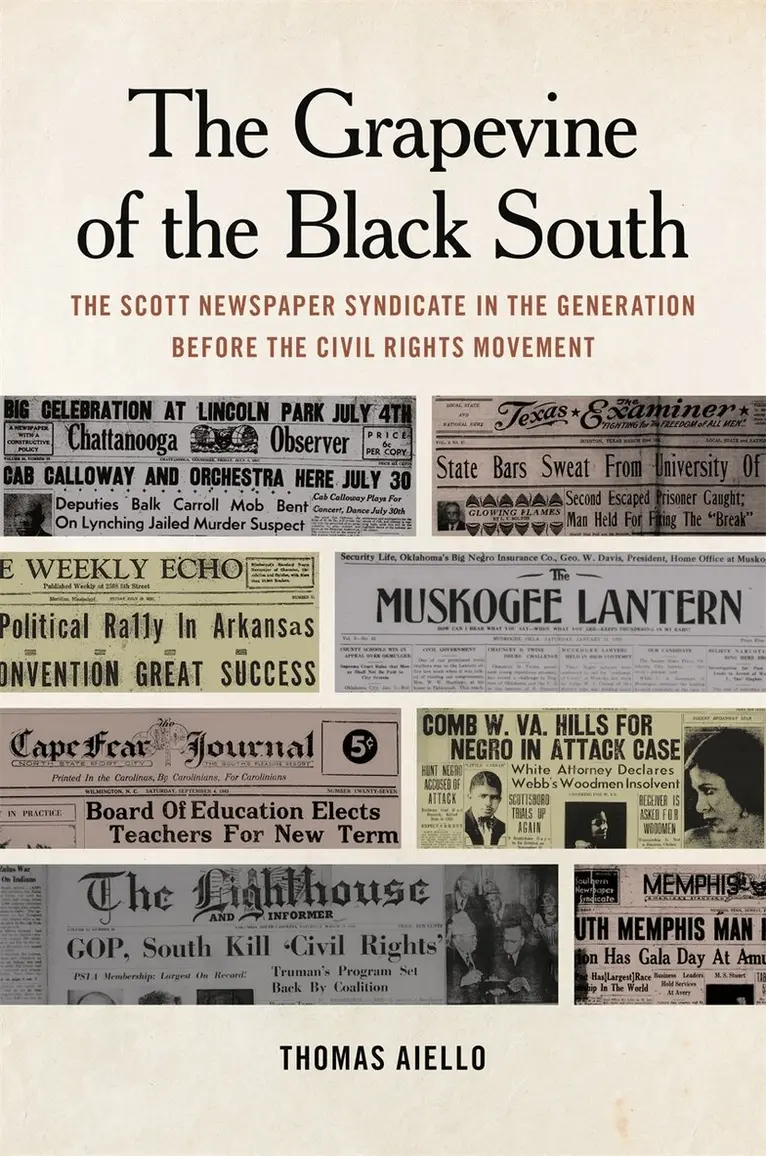
Grapevine of the Black South
The Scott Newspaper Syndicate in the Generation before the Civil Rights Movement
Häftad, Engelska, 2018
589 kr
Skickas inom 5-8 vardagar
In the summer of 1928, William Alexander Scott began a small four-page weekly with the help of his brother Cornelius. In 1930 his Atlanta World became a semiweekly, and the following year W. A. began to implement his vision for a massive newspaper chain based out of Atlanta: the Southern Newspaper Syndicate, later dubbed the Scott Newspaper Syndicate. In April 1931 the World had become a triweekly, and its reach began drifting beyond the South.With The Grapevine of the Black South, Thomas Aiello offers the first critical history of this influential newspaper syndicate, from its roots in the 1930s through its end in the 1950s. At its heyday, more than 240 papers were associated with the Syndicate, making it one of the biggest organs of the black press during the period leading up to the classic civil rights era (1955–68).In the generation that followed, the Syndicate helped formalize knowledge among the African American population in the South. As the civil rights movement exploded throughout the region, black southerners found a collective identity in that struggle built on the commonality of the news and the subsequent interpretation of that news. Or as Gunnar Myrdal explained, the press was “the chief agency of group control. It [told] the individual how he should think and feel as an American Negro and create[d] a tremendous power of suggestion by implying that all other Negroes think and feel in this manner.” It didn’t create a complete homogeneity in black southern thinking, but it gave thinkers a similar set of tools from which to draw.
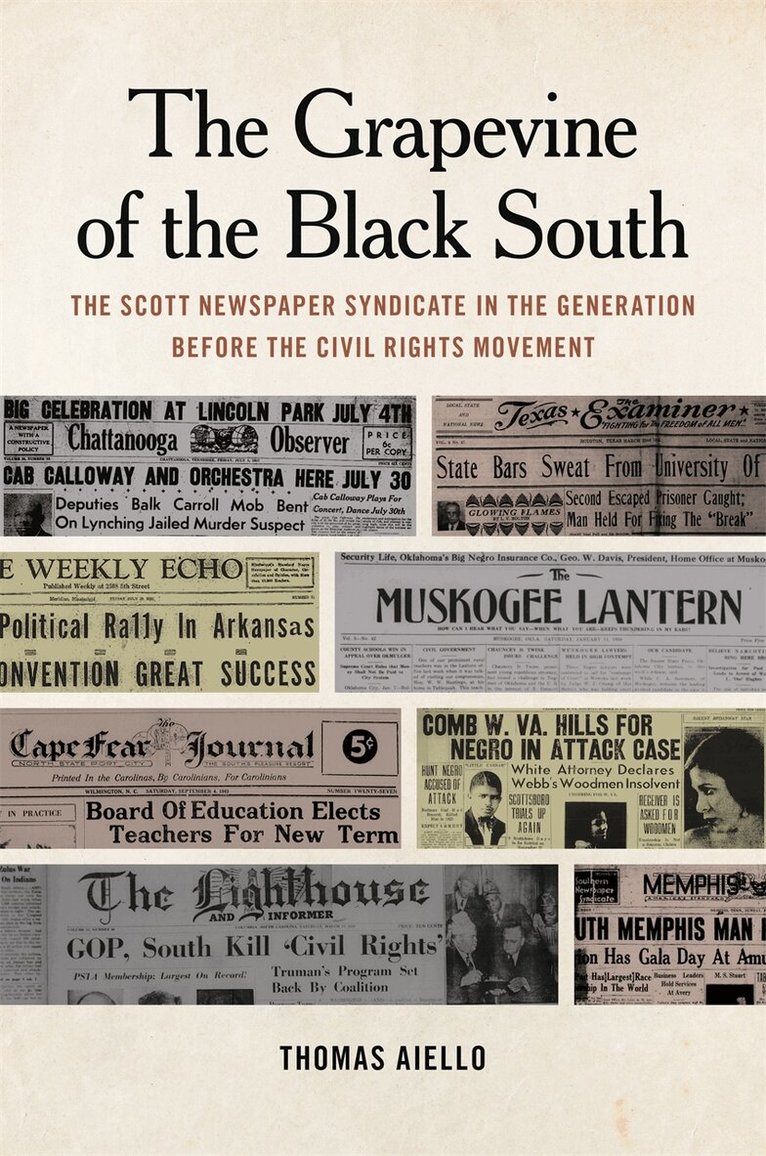
Grapevine of the Black South
The Scott Newspaper Syndicate in the Generation before the Civil Rights Movement
Inbunden, Engelska, 2018
1 626 kr
Skickas inom 5-8 vardagar
In the summer of 1928, William Alexander Scott began a small four-page weekly with the help of his brother Cornelius. In 1930 his Atlanta World became a semiweekly, and the following year W. A. began to implement his vision for a massive newspaper chain based out of Atlanta: the Southern Newspaper Syndicate, later dubbed the Scott Newspaper Syndicate. In April 1931 the World had become a triweekly, and its reach began drifting beyond the South.With The Grapevine of the Black South, Thomas Aiello offers the first critical history of this influential newspaper syndicate, from its roots in the 1930s through its end in the 1950s. At its heyday, more than 240 papers were associated with the Syndicate, making it one of the biggest organs of the black press during the period leading up to the classic civil rights era (1955–68).In the generation that followed, the Syndicate helped formalize knowledge among the African American population in the South. As the civil rights movement exploded throughout the region, black southerners found a collective identity in that struggle built on the commonality of the news and the subsequent interpretation of that news. Or as Gunnar Myrdal explained, the press was “the chief agency of group control. It [told] the individual how he should think and feel as an American Negro and create[d] a tremendous power of suggestion by implying that all other Negroes think and feel in this manner.” It didn’t create a complete homogeneity in black southern thinking, but it gave thinkers a similar set of tools from which to draw.
677 kr
Skickas inom 7-10 vardagar
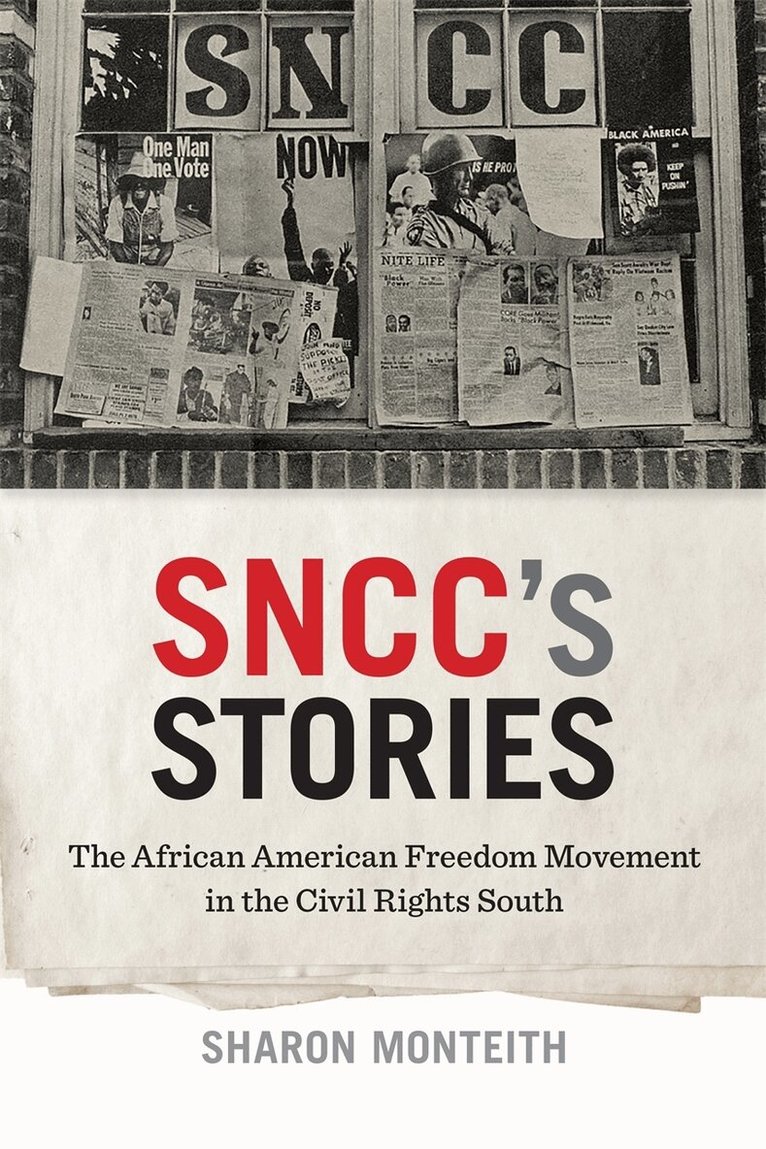
Formed in 1960 in Raleigh, North Carolina, the Student Non-violent Coordinating Committee (SNCC) was a high-profile civil rights collective led by young people. For Howard Zinn in 1964, SNCC members were “new abolitionists,” but SNCC pursued radical initiatives and Black Power politics in addition to reform. It was committed to grassroots organizing in towns and rural communities, facilitating voter registration and direct action through “projects” embedded in Freedom Houses, especially in the South: the setting for most of SNCC’s stories. Over time, it changed from a tight cadre into a disparate group of many constellations but stood out among civil rights organizations for its participatory democracy and emphasis on local people deciding the terms of their battle for social change. Organizers debated their role and grappled with SNCC’s responsibility to communities, to the “walking wounded” damaged by racial terrorism, and to individuals who died pursuing racial justice. SNCC’s Stories examines the organization’s print and publishing culture, uncovering how fundamental self- and group narration is for the undersung heroes of social movements. The organizer may be SNCC’s dramatis persona, but its writers have been overlooked. In the 1960s it was assumed established literary figures would write about civil rights, and until now, critical attention has centered on the Black Arts Movement, neglecting what SNCC’s writers contributed. Sharon Monteith gathers hard-to-find literature where the freedom movement in the civil rights South is analyzed as subjective history and explored imaginatively. SNCC’s print culture consists of field reports, pamphlets, newsletters, fiction, essays, poetry, and plays, which serve as intimate and illuminative sources for understanding political action. SNCC's literary history contributes to the organization's legacy.
SNCC's Stories
The African American Freedom Movement in the Civil Rights South
Inbunden, Engelska, 2020
2 277 kr
Skickas inom 3-6 vardagar
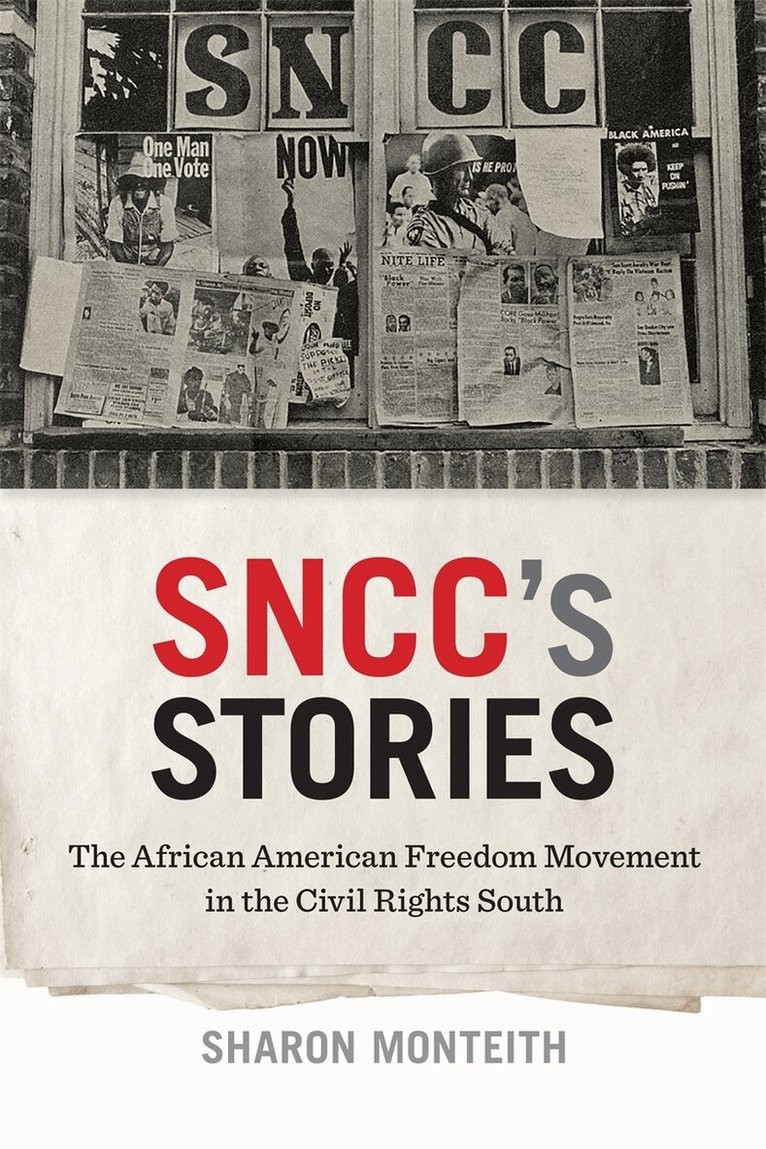
Formed in 1960 in Raleigh, North Carolina, the Student Non-violent Coordinating Committee (SNCC) was a high-profile civil rights collective led by young people. For Howard Zinn in 1964, SNCC members were “new abolitionists,” but SNCC pursued radical initiatives and Black Power politics in addition to reform. It was committed to grassroots organizing in towns and rural communities, facilitating voter registration and direct action through “projects” embedded in Freedom Houses, especially in the South: the setting for most of SNCC’s stories. Over time, it changed from a tight cadre into a disparate group of many constellations but stood out among civil rights organizations for its participatory democracy and emphasis on local people deciding the terms of their battle for social change. Organizers debated their role and grappled with SNCC’s responsibility to communities, to the “walking wounded” damaged by racial terrorism, and to individuals who died pursuing racial justice. SNCC’s Stories examines the organization’s print and publishing culture, uncovering how fundamental self- and group narration is for the undersung heroes of social movements. The organizer may be SNCC’s dramatis persona, but its writers have been overlooked. In the 1960s it was assumed established literary figures would write about civil rights, and until now, critical attention has centered on the Black Arts Movement, neglecting what SNCC’s writers contributed. Sharon Monteith gathers hard-to-find literature where the freedom movement in the civil rights South is analyzed as subjective history and explored imaginatively. SNCC’s print culture consists of field reports, pamphlets, newsletters, fiction, essays, poetry, and plays, which serve as intimate and illuminative sources for understanding political action. SNCC's literary history contributes to the organization's legacy.
2 277 kr
Skickas inom 3-6 vardagar
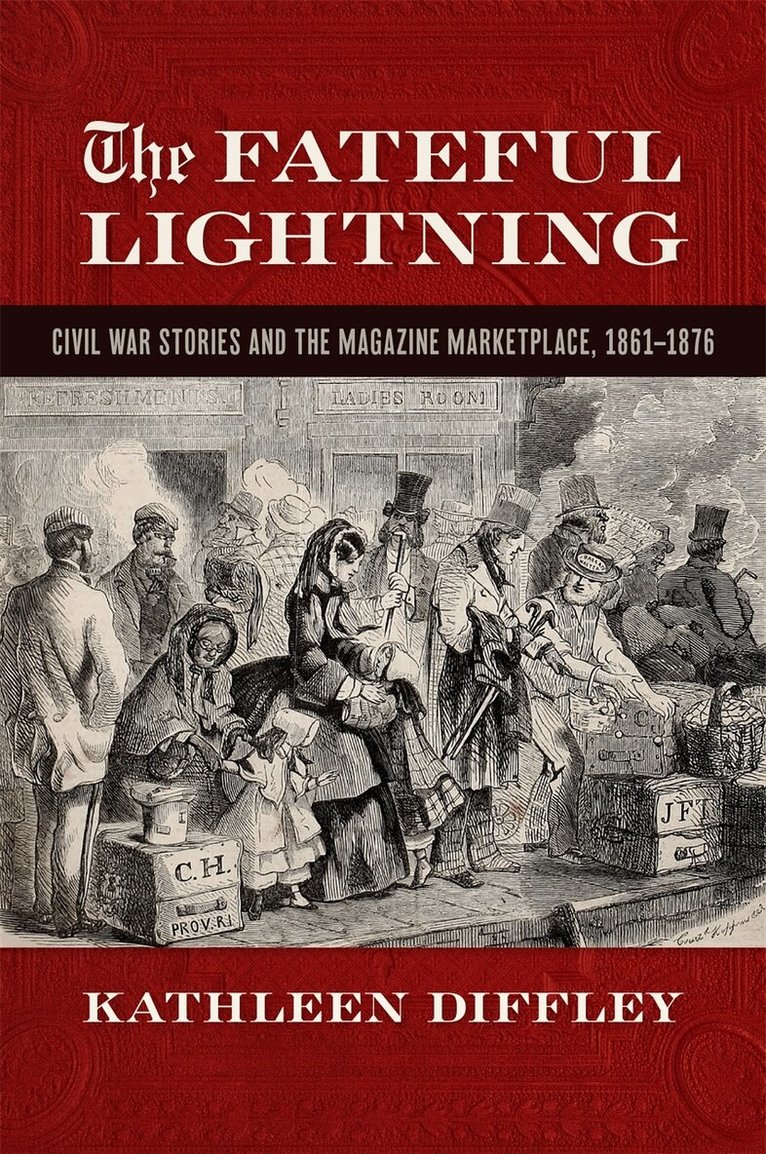
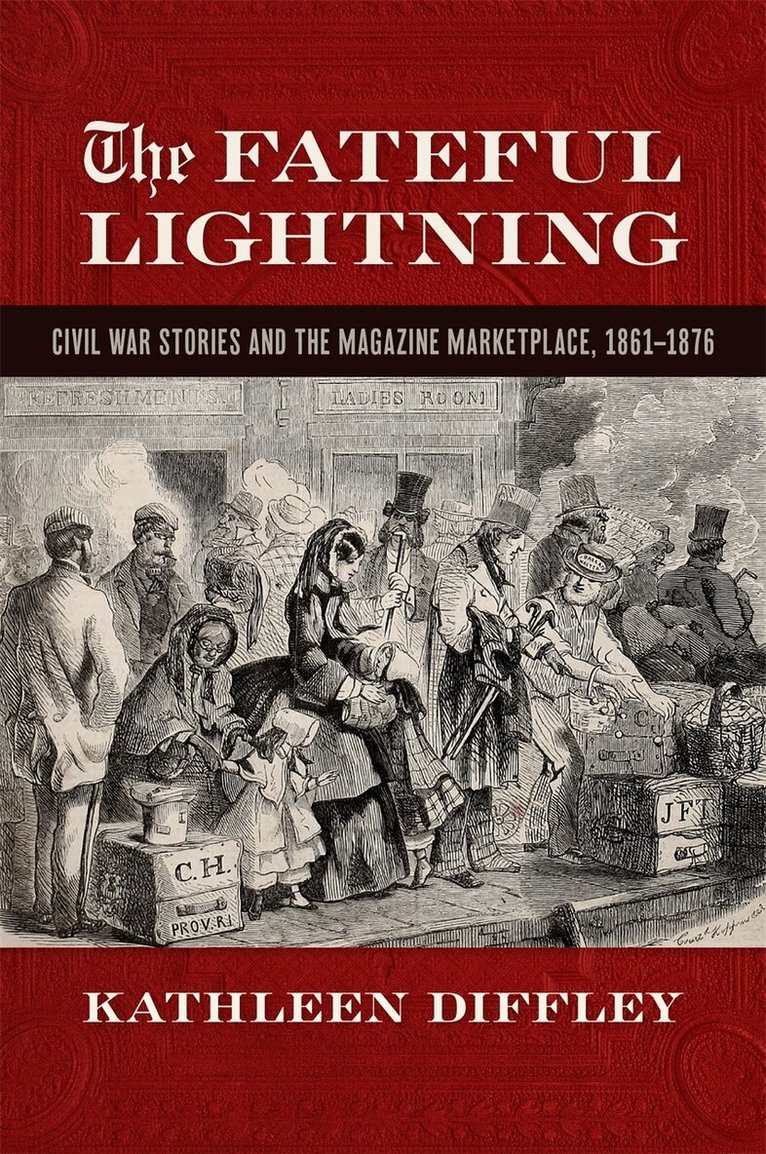
The Fateful Lightning is the second volume of Kathleen Diffley’s trilogy on Civil War magazine fiction. While her first book of the trilogy, Where My Heart Is Turning Ever, charted the role of magazine fiction from the Northeast in “grounding the rites of citizenship” following the end of the Civil War, The Fateful Lightning traces the sectional conflicts in a postwar nation and how region shaped the political agendas of these postwar editorials. Diffley argues that the journals she examines present stories that give unpredictable results of sectional conflict and commemorate the Civil War differently from the northeastern publishing establishments. She weaves this argument through her analysis of four literary journals: Baltimore’s Southern Magazine, Charlotte’s The Land We Love, Chicago’s Lakeside Monthly, and San Francisco’s Overland Monthly. Diffley uses a method of literary analysis that looks at what is not only present in the text but also present throughout its historically informed context, gleaning cultural meanings from what the stories also filter out. Coupling this literary analysis with city studies, Diffley’s innovative approach demonstrates how these editorials offer varying gauges of continued political unrest, rising social opportunity, and conflicting commemorative investments as Reconstruction began to unfold.
712 kr
Skickas inom 3-6 vardagar
The Fateful Lightning is the second volume of Kathleen Diffley’s trilogy on Civil War magazine fiction. While her first book of the trilogy, Where My Heart Is Turning Ever, charted the role of magazine fiction from the Northeast in “grounding the rites of citizenship” following the end of the Civil War, The Fateful Lightning traces the sectional conflicts in a postwar nation and how region shaped the political agendas of these postwar editorials. Diffley argues that the journals she examines present stories that give unpredictable results of sectional conflict and commemorate the Civil War differently from the northeastern publishing establishments. She weaves this argument through her analysis of four literary journals: Baltimore’s Southern Magazine, Charlotte’s The Land We Love, Chicago’s Lakeside Monthly, and San Francisco’s Overland Monthly. Diffley uses a method of literary analysis that looks at what is not only present in the text but also present throughout its historically informed context, gleaning cultural meanings from what the stories also filter out. Coupling this literary analysis with city studies, Diffley’s innovative approach demonstrates how these editorials offer varying gauges of continued political unrest, rising social opportunity, and conflicting commemorative investments as Reconstruction began to unfold.
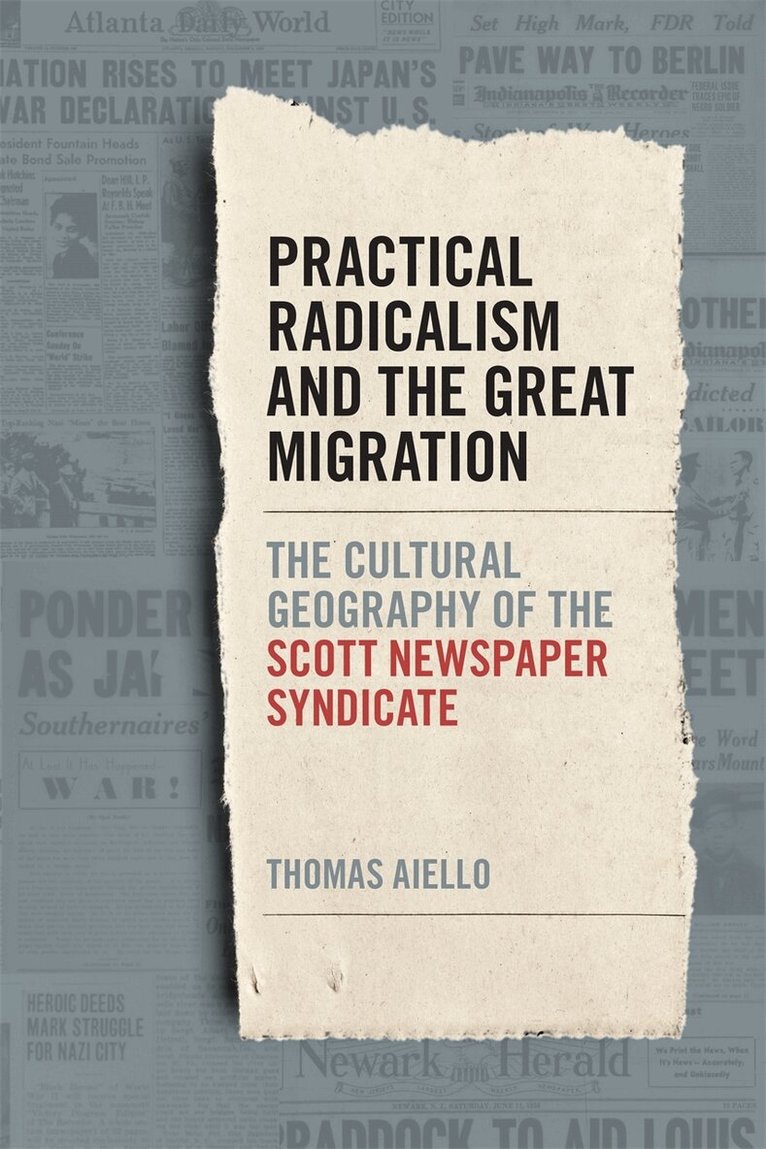
Practical Radicalism and the Great Migration
The Cultural Geography of the Scott Newspaper Syndicate
Häftad, Engelska, 2023
698 kr
Skickas inom 3-6 vardagar
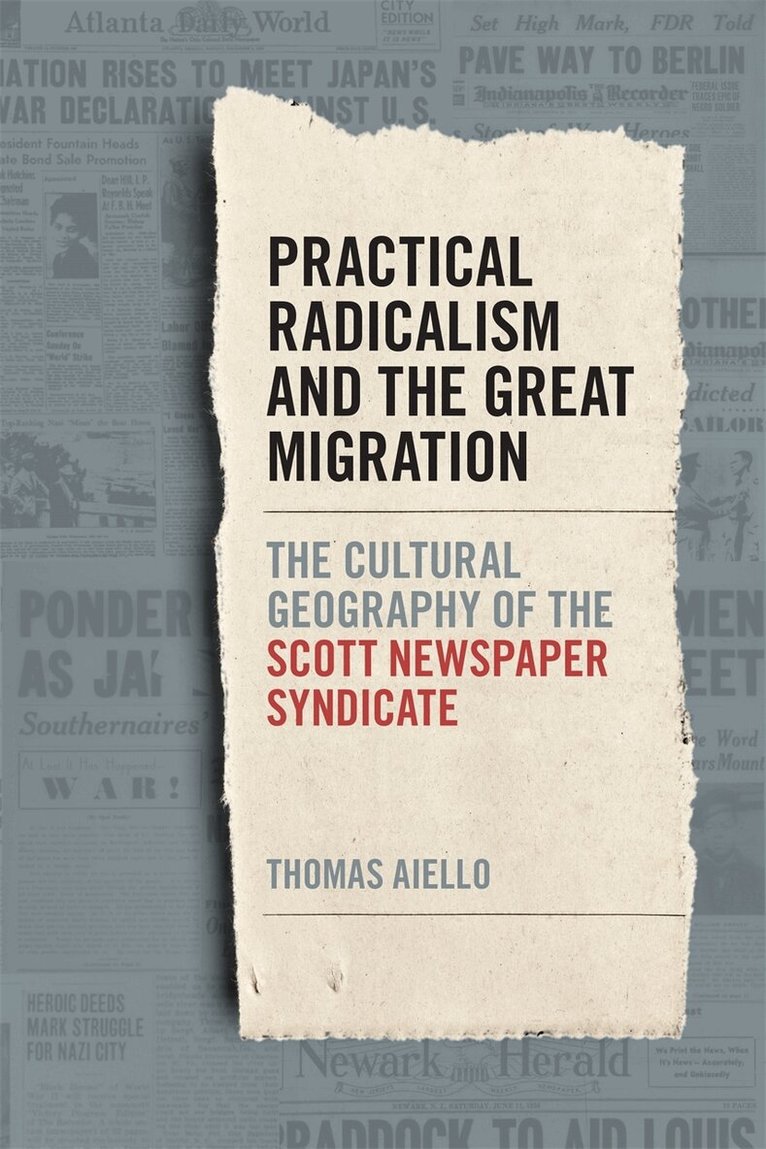
This book’s predecessor, The Grapevine of the Black South, emphasized the owners of the Atlanta Daily World and its operation of the Scott Newspaper Syndicate between 1931 and 1955. In a pragmatic effort to avoid racial confrontation developing from white fear, newspaper editors developed a practical radicalism that argued on the fringes of racial hegemony, saving their loudest vitriol for tyranny that was not local and thus left no stake in the game for would-be white saboteurs. Thomas Aiello reexamined historical thinking about the Depression-era Black South, the information flow of the Great Migration, the place of southern newspapers in the historiography of Black journalism, and even the ideological and philosophical underpinnings of the civil rights movement.With Practical Radicalism and the Great Migration, Aiello continues that analysis by tracing the development and trajectory of the individual newspapers of the Syndicate, evaluating those with surviving issues, and presenting them as they existed in proximity to their Atlanta hub. In so doing, he emphasizes the thread of practical radicalism that ran through Syndicate editorial policy. Practical Radicalism and the Great Migration is a supplement to The Grapevine of the Black South, providing a fuller picture of the Scott Newspaper Syndicate and the Black press in the 1930s, 1940s, and 1950s.
Practical Radicalism and the Great Migration
The Cultural Geography of the Scott Newspaper Syndicate
Inbunden, Engelska, 2023
1 980 kr
Skickas inom 3-6 vardagar
This book’s predecessor, The Grapevine of the Black South, emphasized the owners of the Atlanta Daily World and its operation of the Scott Newspaper Syndicate between 1931 and 1955. In a pragmatic effort to avoid racial confrontation developing from white fear, newspaper editors developed a practical radicalism that argued on the fringes of racial hegemony, saving their loudest vitriol for tyranny that was not local and thus left no stake in the game for would-be white saboteurs. Thomas Aiello reexamined historical thinking about the Depression-era Black South, the information flow of the Great Migration, the place of southern newspapers in the historiography of Black journalism, and even the ideological and philosophical underpinnings of the civil rights movement.With Practical Radicalism and the Great Migration, Aiello continues that analysis by tracing the development and trajectory of the individual newspapers of the Syndicate, evaluating those with surviving issues, and presenting them as they existed in proximity to their Atlanta hub. In so doing, he emphasizes the thread of practical radicalism that ran through Syndicate editorial policy. Practical Radicalism and the Great Migration is a supplement to The Grapevine of the Black South, providing a fuller picture of the Scott Newspaper Syndicate and the Black press in the 1930s, 1940s, and 1950s.
2 040 kr
Kommande
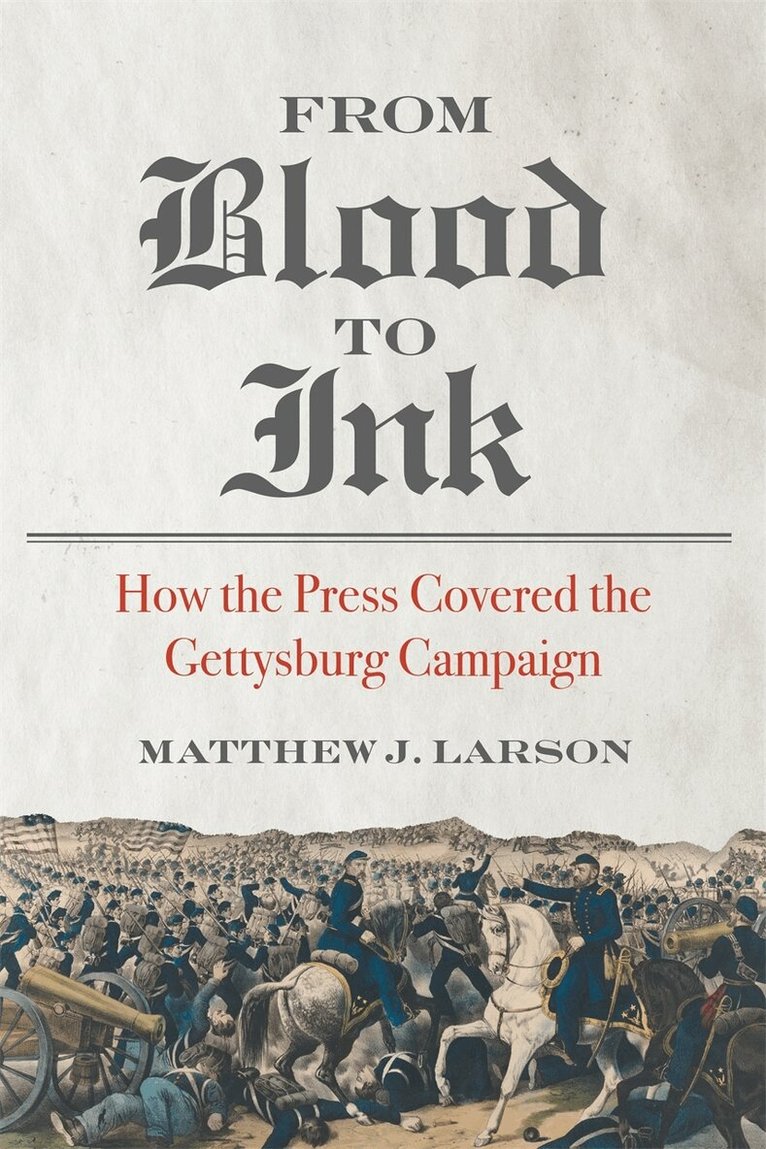
The first book ever on how the press covered the Gettysburg campaign, From Blood to Ink chronicles the rise of the press through the Civil War and how its coverage of Gettysburg not only misled the people of two warring factions but also misshaped the battle’s meaning for generations to come. As Matthew J. Larson reveals, newsmen on both sides transformed the battle into what they needed it to be rather than what it truly was. While the Northern press elevated Gettysburg into America’s Waterloo, the Southern press polished it into another hard-won success for Confederate General Robert E. Lee. In both cases, facts bent to bias, narrative eclipsed reality, and Gettysburg itself became the final casualty.
489 kr
Kommande
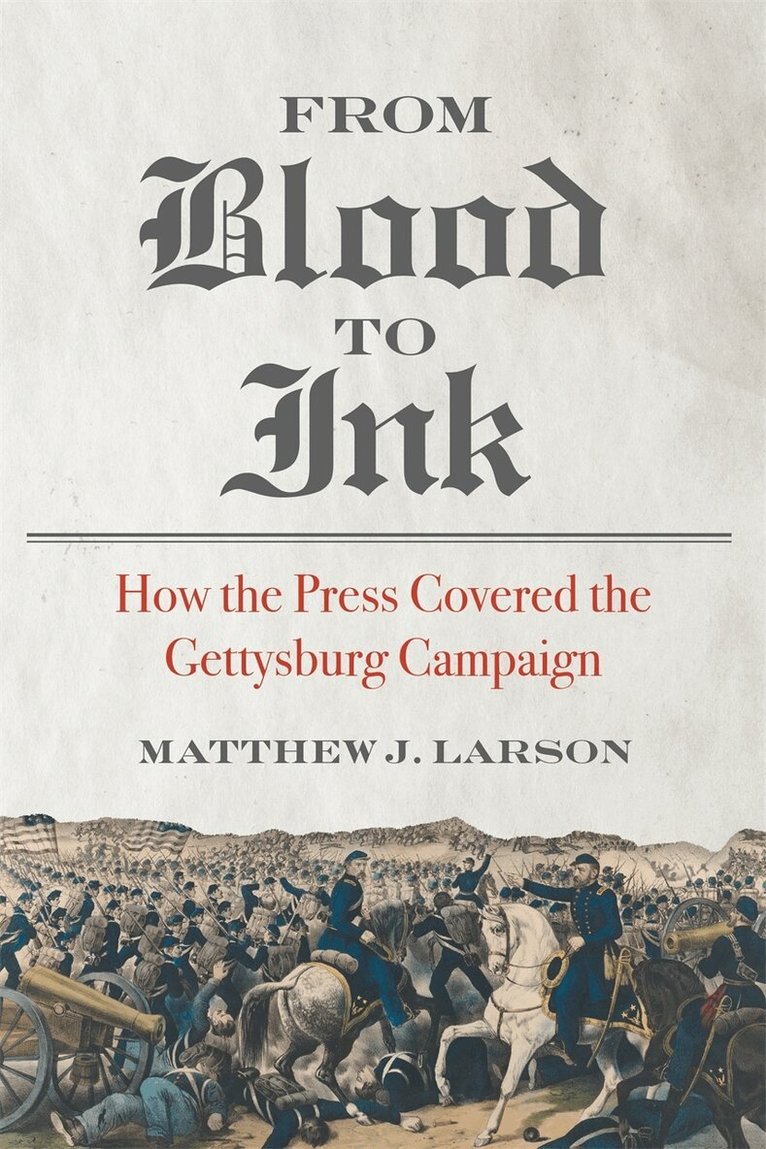
The first book ever on how the press covered the Gettysburg campaign, From Blood to Ink chronicles the rise of the press through the Civil War and how its coverage of Gettysburg not only misled the people of two warring factions but also misshaped the battle’s meaning for generations to come. As Matthew J. Larson reveals, newsmen on both sides transformed the battle into what they needed it to be rather than what it truly was. While the Northern press elevated Gettysburg into America’s Waterloo, the Southern press polished it into another hard-won success for Confederate General Robert E. Lee. In both cases, facts bent to bias, narrative eclipsed reality, and Gettysburg itself became the final casualty.