Prometheus (Rowman) - Böcker
Visar alla böcker i serien Prometheus (Rowman). Handla med fri frakt och snabb leverans.
2 produkter
2 produkter
221 kr
Skickas
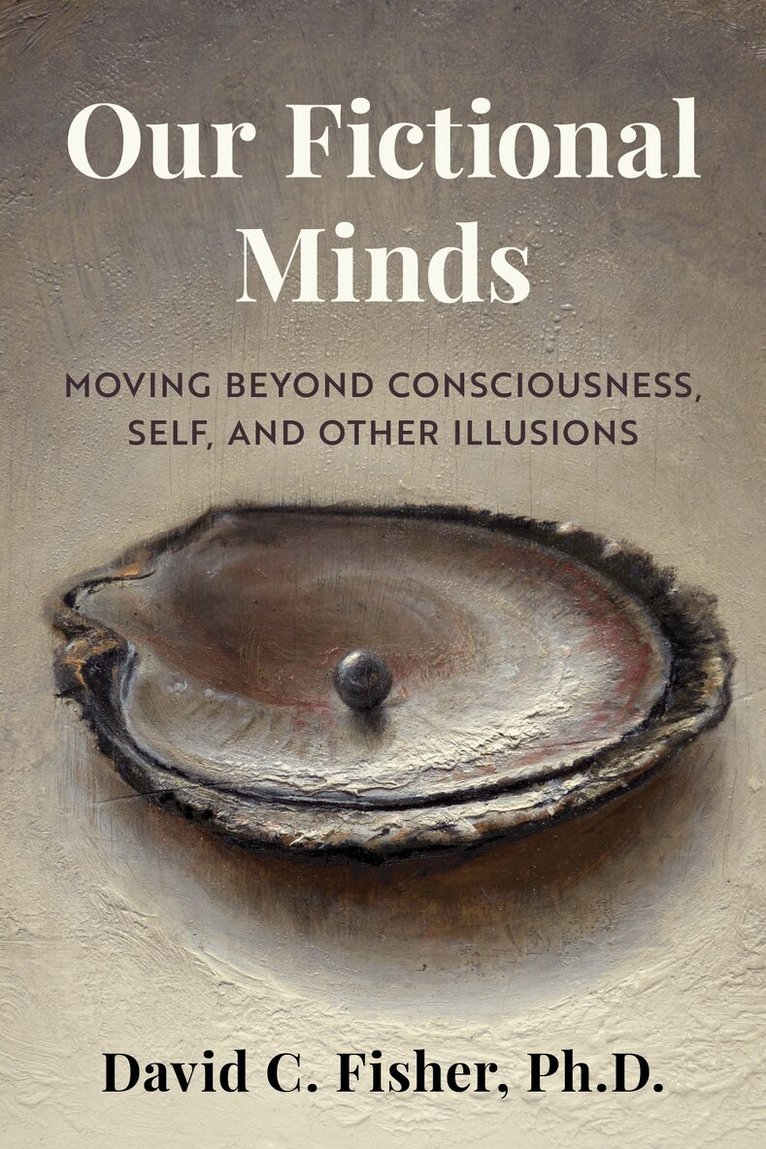
Our Fictional Minds examines and challenges our most common—and seemingly common-sense—ideas about human consciousness. Drawing on developments in neuroscience, psychology, and monitoring technology, psychologist David Fisher shows how and why our usual takes on the human mind both serve us and limit us. Instead, research points to a more complete and all-encompassing way to understand consciousness.In this thoughtful well-considered book, Fisher explores our collective scientific and philosophical knowledge (and imaginings) about what a human mind might be and how it might work, discovering that shifted our perspective on hypnosis, uniquely, may lead to unforeseen insights on the human mind. Examining and challenging existing frameworks undermine many of our comforting ideas about human beings, including these:A trance state is different from our "normal" state of consciousness.Our thoughts control our actions in clear, observable, self-evident ways.Each of us can observe our own thoughts.We have clear insight into ourselves.Thoughtful consideration precedes most or many of our actions.We have free will.Seeing our models of the human mind as myths instead of accurate descriptions of discrete entities can help us to better understand ourselves and the world. However, such an understanding requires us to think differently, and a willingness to experience some discomfort about who and what we are. The resulting framework shows that we are much different from what we usually imagine ourselves to be. By examining our models of the mind, and inviting new models to the fore, we arrive at a more realistic view of our psychology and what it means to be human.
End of Immunity
Holding World Leaders Accountable for Aggression, Genocide, War Crimes, and Crimes against Humanity
Inbunden, Engelska, 2024
366 kr
Skickas
Russia’s invasion of Ukraine in 2022 has shown the world the critical importance of whether and how to punish heads of state, heads of government, and sundry strong men when accused of crimes of aggression, genocide, war crimes, and other crimes against humanity. In For Crimes Against Humanity, former President of the International Criminal Court, Chile Eboe-Osuji, probes the history and theory of the concept of immunity for heads of state, underscoring tribunal achievements, pointing out gaps in the existing framework of accountability and the hypocrisies that produced them, and offering workable solutions to the loopholes that government leaders still use to escape consequences today.Eboe-Osuji traces the development of international law from the pre-World War I era that left wars of aggression as the prerogative of sovereigns able to wage them through the peacetime conferences of the Hauge at the turn of the 20th century, the momentous Article 227 of the Versailles Peace Treaty of 1919, which communicated the resolve of the Allies and Associated Powers to prosecute German Emperor and King of Prussia Kaiser Wilhelm II before an international tribunal, how the legal norms applied in the post-WWII Nuremberg trial transformed the norms of modern international law, how 1990’s Africa breathed new life into arguments against immunity for heads of state, and how modern-day Russia flouts those laws with Putin’s war of aggression on Ukraine. Going as far back as the Middle Ages and the ancient doctrine of the divine right of kings, and concluding with a fresh new proposal for the ways in which international law can be shored up to prosecute those leaders who wage wars of aggression, Eboe-Osuji investigates the journey of international law’s rejection of immunity for anyone – including heads of state in particular – when they are suspected or accused of atrocities that international law has proscribed as crimes. The result is the definitive account of a profoundly vital principle for international relations and global humanity.