Reacting to the Past™ – serie
Visar alla böcker i serien Reacting to the Past™. Handla med fri frakt och snabb leverans.
5 produkter
5 produkter
314 kr
Skickas inom 10-15 vardagar
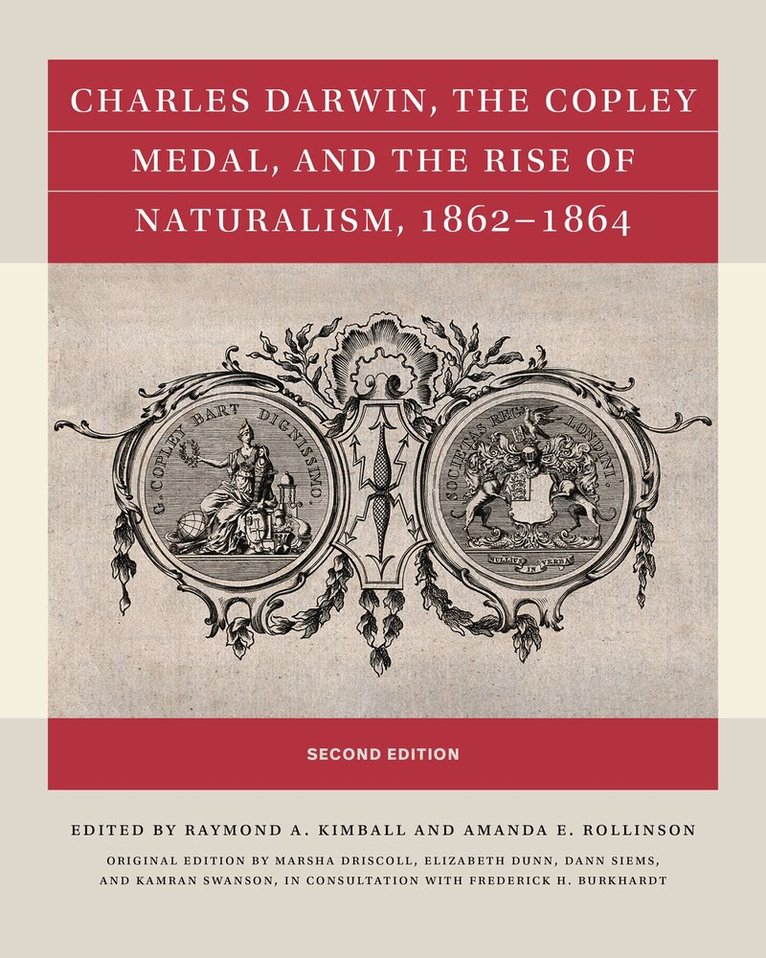
The 1859 publication of Charles Darwin's On the Origin of Species evoked a spectrum of responses, from fervent endorsement to vehement opposition, because of the theory of natural selection's implications for Western theological and cultural orthodoxy. During the 1860 Oxford gathering of the British Association for the Advancement of Science, Thomas Huxley and Samuel Wilberforce engaged in a riveting and widely publicized debate, dissecting the merits and drawbacks of Darwin's theory. Their clash ignited a multifaceted discourse that reverberated through the intellectual circles of Victorian Britain, culminating in the Royal Society's deliberations over whether to bestow upon Darwin the esteemed Copley Medal, its highest honor.In this second edition of Charles Darwin, the Copley Medal, and the Rise of Naturalism, 1861–1864, students engage in debates within the Royal Society that navigate the tension between natural and teleological views. The student roles delve into topics like inductive reasoning, science in industrial society, social reform, and women's rights, all centered around the Copley deliberations and the societal impact of Darwin's evolutionary theory.
297 kr
Kommande
Set in Paris around 1750, The Enlightenment in Crisis places students amid the intellectual and political tension of the Enlightenment. France is Europe’s cultural powerhouse: Its language, fashions, and luxury goods shape tastes across the continent, and Paris draws artists, writers, and travelers from afar. Yet within this intellectual moment there lie deep contradictions. The monarchy projects strength while burdened by war debts, royal censors struggle to contain new ideas, and most ordinary people—peasants and urban laborers—live far from the elegant salons where elites debate philosophy. In this world of salons and print culture, knowledge itself is becoming a form of power. At the center of the game is the ambitious Encyclopédie, edited by Denis Diderot and Jean Le Rond d'Alembert and with contributions from dozens of leading thinkers, which aims to gather and organize all human knowledge. By championing progress through reason and science, the project provokes fierce resistance from religious authorities and royal officials. In this game, students take on the roles of philosophers, writers, scientists, nobles, clergy, and patrons in a Parisian salon, debating freedom of thought versus orthodoxy, freedom of expression versus censorship, reform versus tradition, equality versus hierarchy, human rights versus empire and slavery. Ultimately, they consider how far reason should go in challenging the political and religious order.
362 kr
Skickas inom 10-15 vardagar
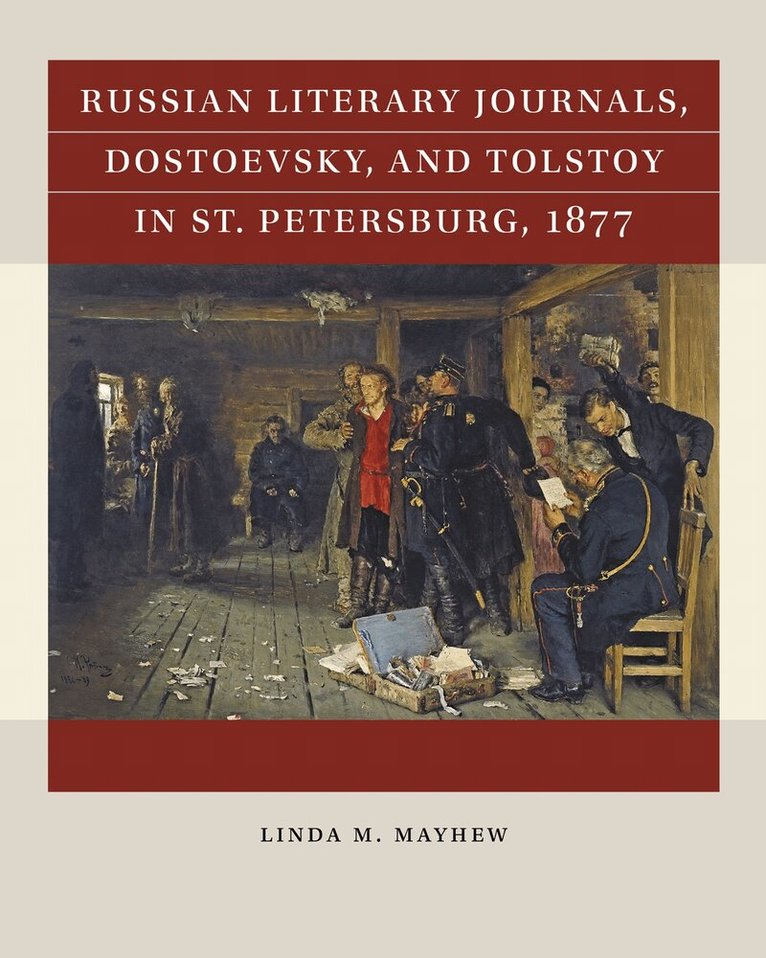
In 1877, the atmosphere in Russia was highly contentious. Amid war with the Ottoman Empire, the nation was also grappling with intense intellectual and political conflicts. Various groups and individuals were fervently engaged in shaping the country’s future, navigating a landscape marked by strict censorship and deep ideological divides. This game, set in St. Petersburg, immerses students into the vibrant and combative world of Russian literary journals. Students assume the roles of editors, writers, and social activists navigating the complex intersection of literature and politics. The periodicals they produce are filled with subtle political commentaries regarding the monarchy, education, religion, and women in society, all designed to slip past the censors. As writers such as Fyodor Mikhailovich Dostoevsky and Count Lev Nikolaevich Tolstoy compete to publish their work, they must align with intellectual factions—Populists, Slavophiles, or Westernizers—and find allies to advance their literary and political ambitions. Editors face the dual challenges of maintaining their publication goals and appeasing the censors, deciding which articles and novels make it to print. In this game, writers present their work at Elena Shtakenshneider’s literary salon, sparking discussions on themes such as the relationship of art to society, women’s roles, access to education, the Russian Orthodox Church, and paths to political reform. In this charged environment, the success of a journal can determine its influence on Russia’s future. The editor of a thriving journal may even earn an audience with Tsar Alexander II, with the opportunity to advocate for a constitutional monarchy, endorse the existing autocratic structures, or propose sweeping political and social changes.
305 kr
Skickas
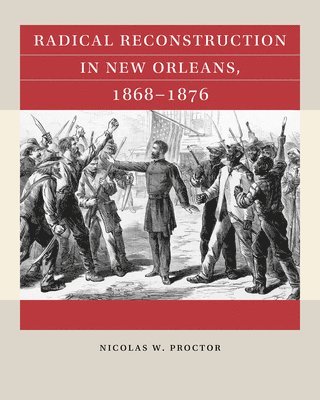
Step into the turbulent aftermath of the Civil War, where the abolition of slavery marked the start of a fierce struggle over property, politics, and personhood. In Louisiana—a wealthy, diverse state shaped by a history of brutal enslavement and devastating war—former Confederates pushed to restore white supremacy through violence and new systems of control. Meanwhile, the US Congress enforced military occupation and passed the Fourteenth Amendment to protect the rights of formerly enslaved people. Set in the vibrant and volatile city of New Orleans, this game puts students in the shoes of Black freedpeople, French-speaking Creoles, white Unionists, German immigrants, and Northern transplants (carpetbaggers), all grappling with the challenges of rebuilding society. Students face tough choices on civil rights, suffrage, education, religion, and political power amid corruption, economic instability, and violent white supremacist resistance. Will you compromise, fight, or build coalitions? As students navigate this complex landscape, they'll discover how democracy can be both rebuilt and broken at the local level—and what it truly takes to advance justice and equality in the face of fierce opposition.
297 kr
Skickas
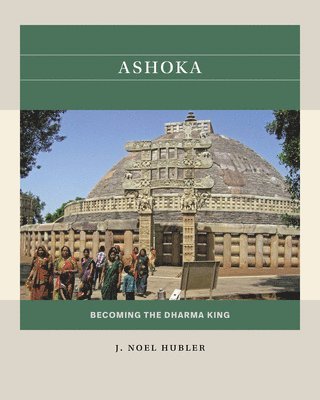
Travel back to 258 BCE and step into the Royal Council of King Ashoka, the powerful ruler of Magadha whose empire spanned most of India. Ashoka’s bold vision is to rule not by force but through dharma—a growing concept of universal order and ethical governance. As councillors, students join a diverse group of voices—Brahmin traditionalists, Jains, Ājīvikas, and Buddhists—each with unique beliefs about truth and leadership. Together they will debate crucial proposals: abolishing animal sacrifice, building public welfare, appointing dharma officials, and regulating groups seen as threats. Balancing Ashoka’s Buddhist faith with political unity, councilors must navigate competing moral and spiritual values, form alliances, and advocate for their communities without alienating others. Students explore the rise of Buddhism, religious pluralism, and the challenges of ethical leadership in ancient India through the game. Engaging with these complex debates gives students insight into how spiritual ideals and political realities shaped Ashoka’s lasting legacy.