Reformation Texts with Translation – serie
Visar alla böcker i serien Reformation Texts with Translation. Handla med fri frakt och snabb leverans.
9 produkter
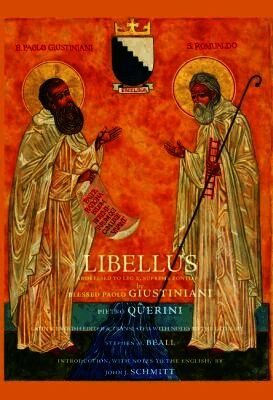
Libellus
Addressed to Leo X, Supreme Pontiff by Blessed Paolo Giustiniani & Pietro Querini, Hermits of Camaldoli
Häftad, 2017
272 kr
Lägg i varukorg
Libellus ad Leonem Decimum is a long letter addressed in 1513 to the new pope Leo X. The authors of the document were two Camaldolese monks, Paolo Giustiniani and Pietro Querini, convinced that the Church needed imminent reform. There had been many and multiple calls for church reform for …
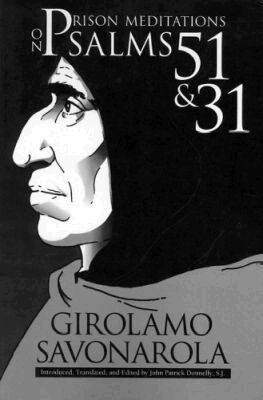
Prison Meditations on Psalms 51 and 31
Av O.P Savonarola, Girolamo, John Patrick Donnelly S. J.
Häftad, 1994
160 kr
Lägg i varukorg
Savonarola s exposition or meditation on Psalm 51 (the Miserere) and Psalm 31 (In te, Domini, speravi) have not been printed in English during the twentieth century. This book makes that text available in modern English. The translator found the Loeb series, which printed the text and translation …
Postilla of Nicholas of Lyra on the Song of Songs
Häftad, 1998
160 kr
Lägg i varukorg
Volume 3 in the series Biblical Studies, edited by Franz Posset, The Postilla of Nicholas of Lyra on the Song of Songs, provides the reader not only with the medieval Latin on facing pages, but also provides historical background on of the work, the era, and Nicholas of Lyra himself. This volume is …
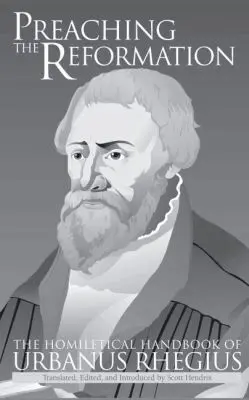
Preaching the Reformation
The Homiletical Handbook of Urbanus Rhegius
Av Urbanus Rhegius, Scott Hendrix
Häftad, 2003
160 kr
Lägg i varukorg
Philipp Melanchthon
Annotations on the First Epistle to the Corinthians
Häftad, 1995
216 kr
Tillfälligt slut
Philipp Melanchthon (1497-1560) was one of the most influential lay theologians in the history of Christianity. He was also important in the development of the Lutheran Church. This is a translation of his annotations on the first epistle to the Corinthians.
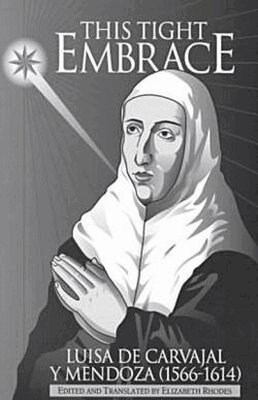
This Tight Embrace
Av Luisa de Carvajal y Mendoza, Elizabeth Rhodes
Häftad, 2000
384 kr
Tillfälligt slut
Elisabeth's Manly Courage
Testimonials and Songs of Martyred Anabaptist Women in the Low Countries
Av Hermina Joldersma, Louis Grijp
Häftad, 2001
216 kr
Tillfälligt slut
Among the most moving writings of the Reformation in the sixteenth-century Low Countries are the final words of Anabaptists condemned to death for their faith. Through a series of circumstances we have a significant body of such writings by women: Anabaptists were the most severely persecuted among …
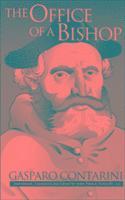
Office of a Bishop
De Officio Viri Bono Et Probi Episcopi
Av Gasparo Contarini, John Patrick Donnelly S. J.
Häftad, 2002
160 kr
Tillfälligt slut
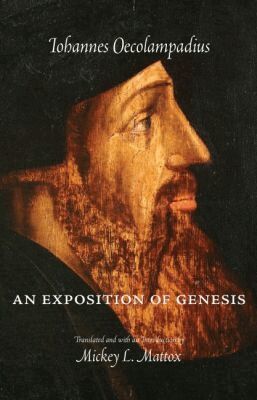
Exposition of Genesis
Häftad, 2013
244 kr
Tillfälligt slut
The success of the Protestant Reformation depended vitally upon the industry, piety, and learning of the first generation of Reformers. Among them, none worked or prayed or studied harder than Iohannes Oecolampadius, the great Reformer of Basel, Switzerland. This volume presents his lectures on …